Fort bij Penningsveer: A Fort in the Defence Line of Amsterdam
Site at a Glance
- Rating
- 4.4
- Popularity
- Low
- Country
- Netherlands
- Primary era
- Modern
- External website
- Open
- Eras represented
- Modern
- Civilizations
- Dutch
- Site type
- Military
- Remains
- Fort
On this page9 sections
History
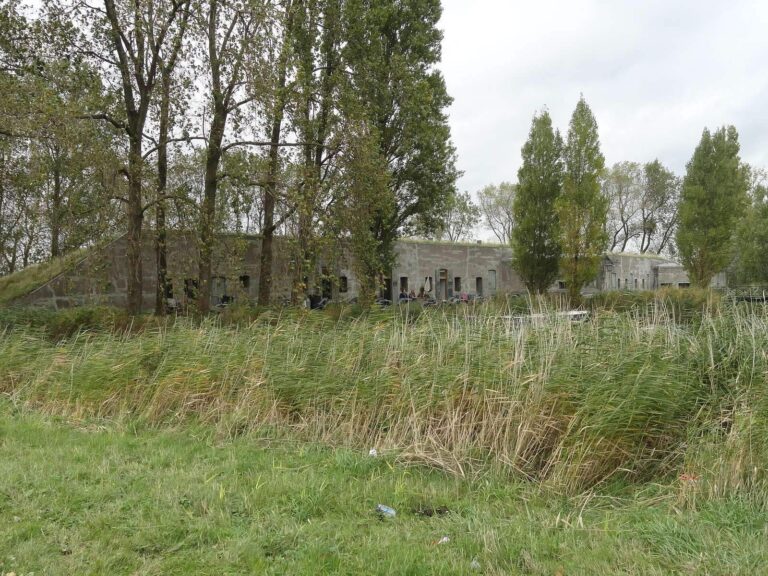
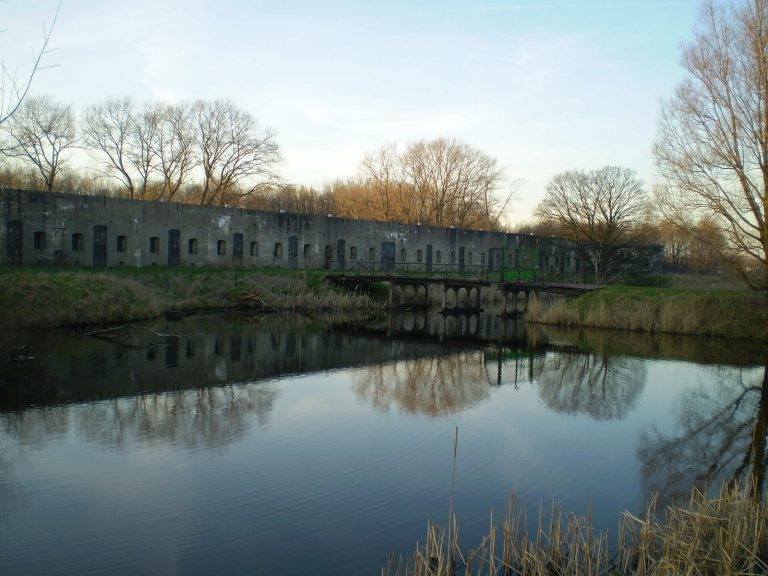
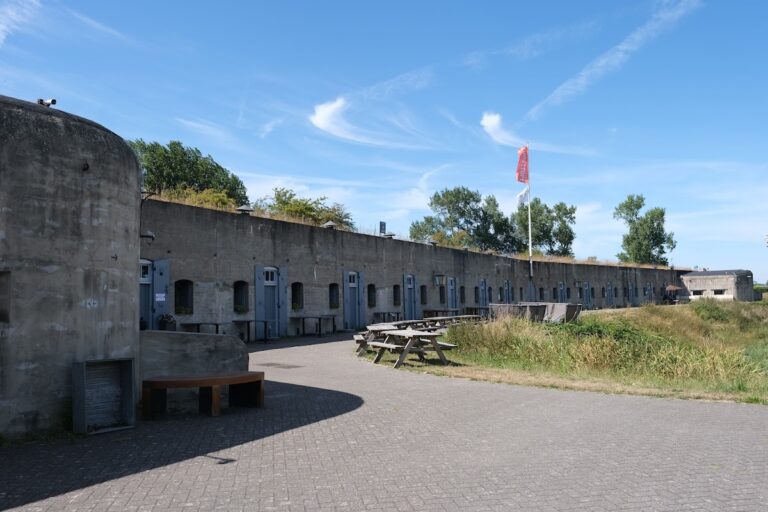
Fort bij Penningsveer is a Dutch defensive fort beside the Liede, east of Haarlem, in the Netherlands. It developed from an early 19th-century defensive post into a fort whose earthwork was reshaped in 1895.
Defensive works and the Liede Position
In 1799, Dutch military engineer Cornelis Krayenhoff was commissioned to plan a permanent defensive line around Amsterdam. Its design relied on earthworks and deliberate flooding to hinder an advancing force. Post 2 at Penningsveer was completed in 1813 and later became part of the Defence Line of Amsterdam, a system of fortifications intended to defend the city.
Work on an earthwork at the site began in 1886. The sand was left to settle for nine years, then reshaped into a defensible earthwork in 1895. The fort belonged to the Liede Position, a defensive sector east of Haarlem that included Fort bij de Liebrug, Fort aan de Liede, an earthwork line, batteries, and sluices. Penningsveer guarded the approach along the Old Haarlem Road and protected sluices that controlled defensive flooding of the Veer and Waarder polders, low-lying land managed through water control. In 1913, its garrison numbered 169 men.
A separate fort keeper’s residence was built around 1901. It housed the person responsible for guarding and maintaining the fort when soldiers were not stationed there.
War and postwar military use
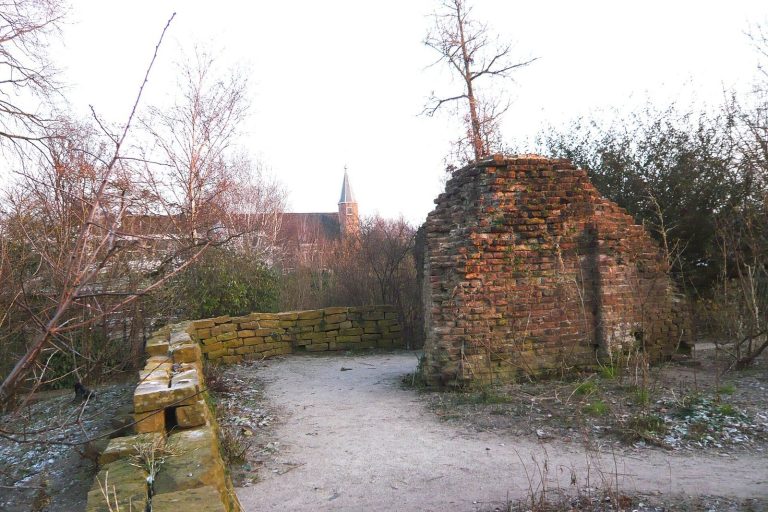
During the Second World War, the two buildings that housed armored gun mounts were blown up so the mounts could be removed. These protected mounts could be raised to fire and lowered for shelter. Their steel was needed by the German war industry.
After the war, the fort became a detention camp. Around 225 people were held there from 11 November 1946 to 29 February 1948. The Ministry of Defence then used the site to store explosives and ammunition from 1950 to 1980.
Community and social uses
A foundation took over the fort in 1985 and used it for youth work. Homeless people joined volunteers in renovating the site as part of a reintegration project. Later efforts aimed to establish businesses and workshops there, and the fort was made available for group hire.
Since January 2013, part of the fort has been used by HVO-Querido, an organization that assists homeless people with psychiatric disabilities or socioeconomic difficulties. The site’s uses also include group accommodation, business premises, and employment services.
Remains
The site lies beside the Liede near the hamlet of Penningsveer, east of Haarlem. Its built features include the fort’s main buildings, a separate keeper’s house, and a shed beside the fort. The main buildings follow the Model A classification, a type of fort design.
Buildings and grounds
Fort buildings
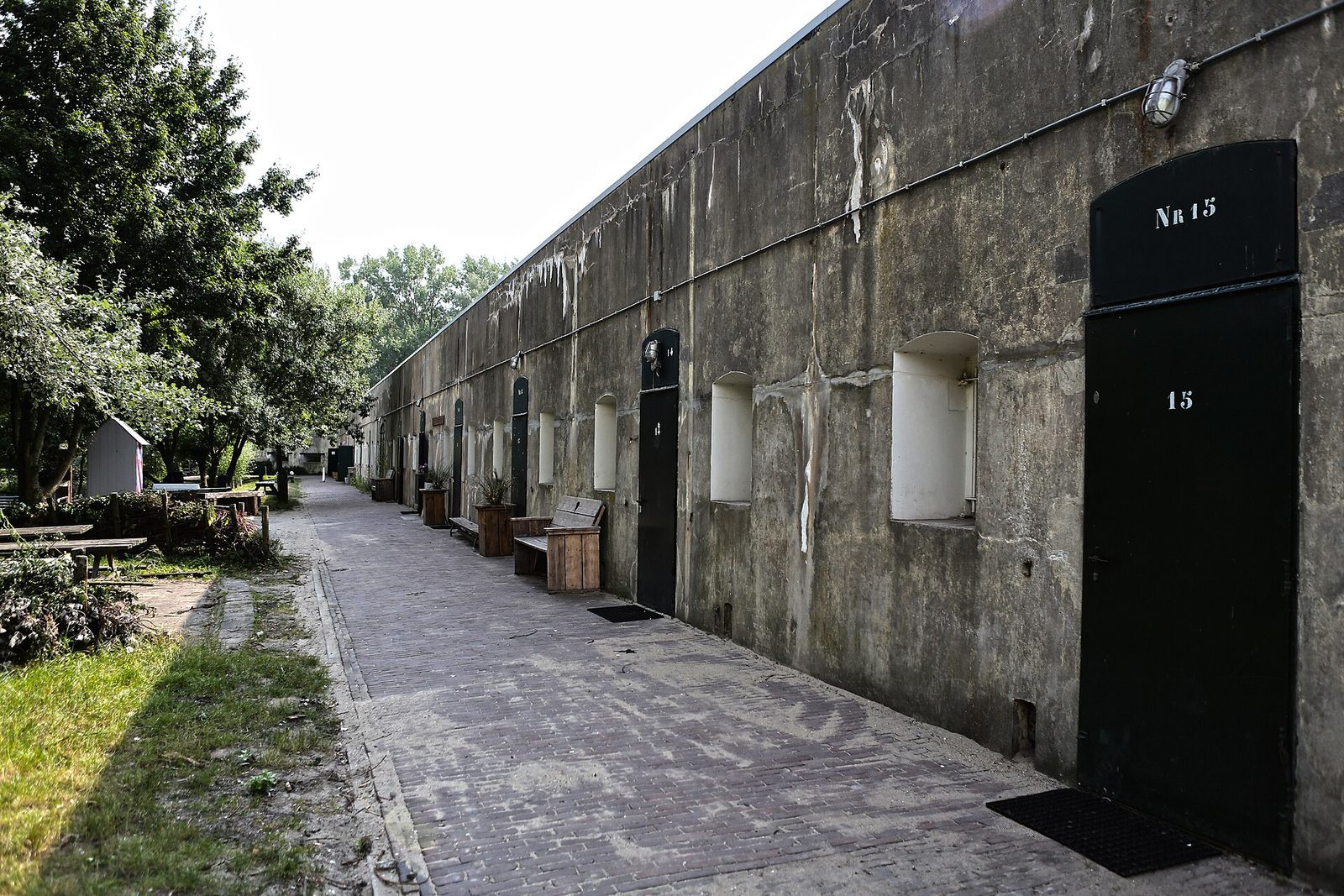
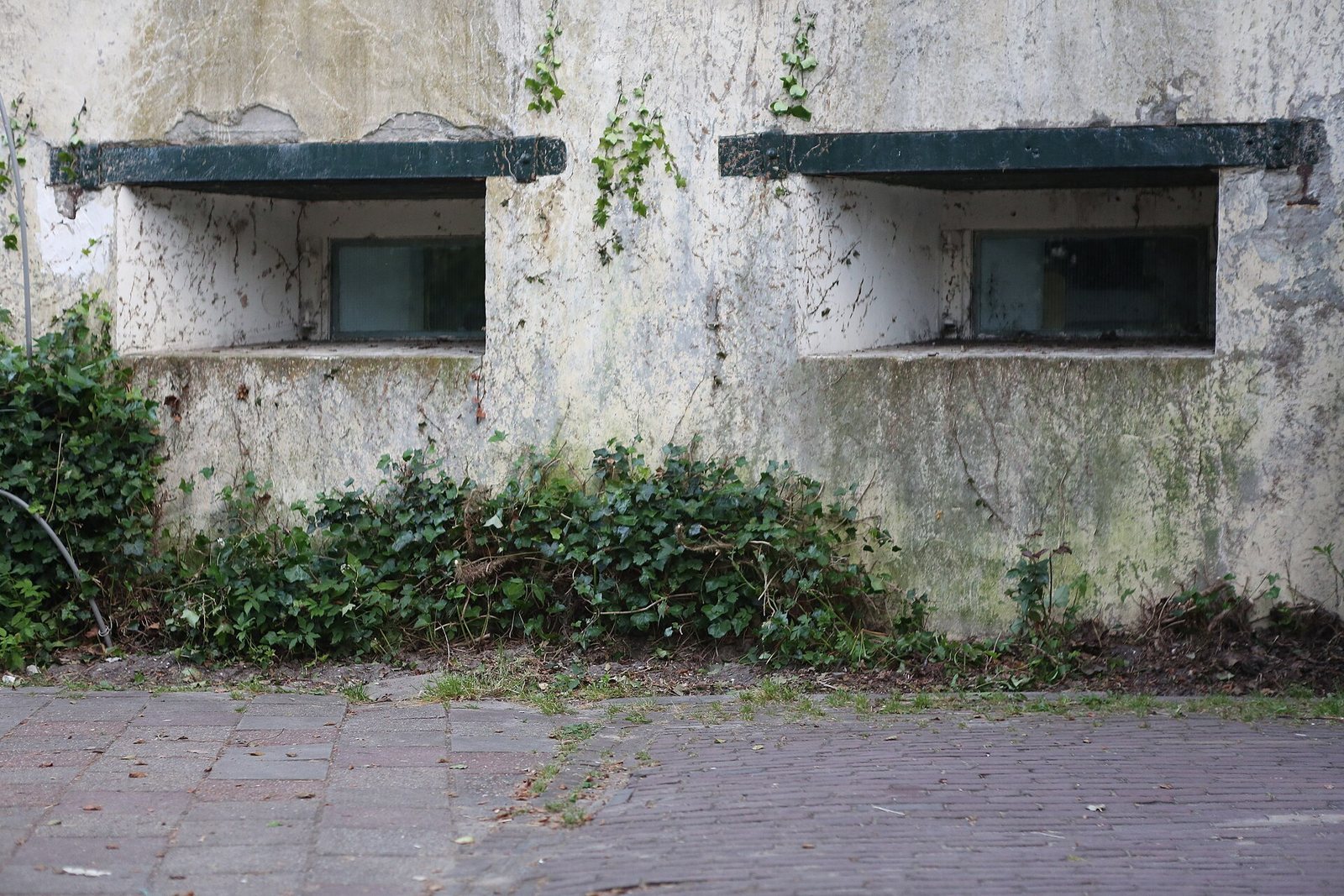
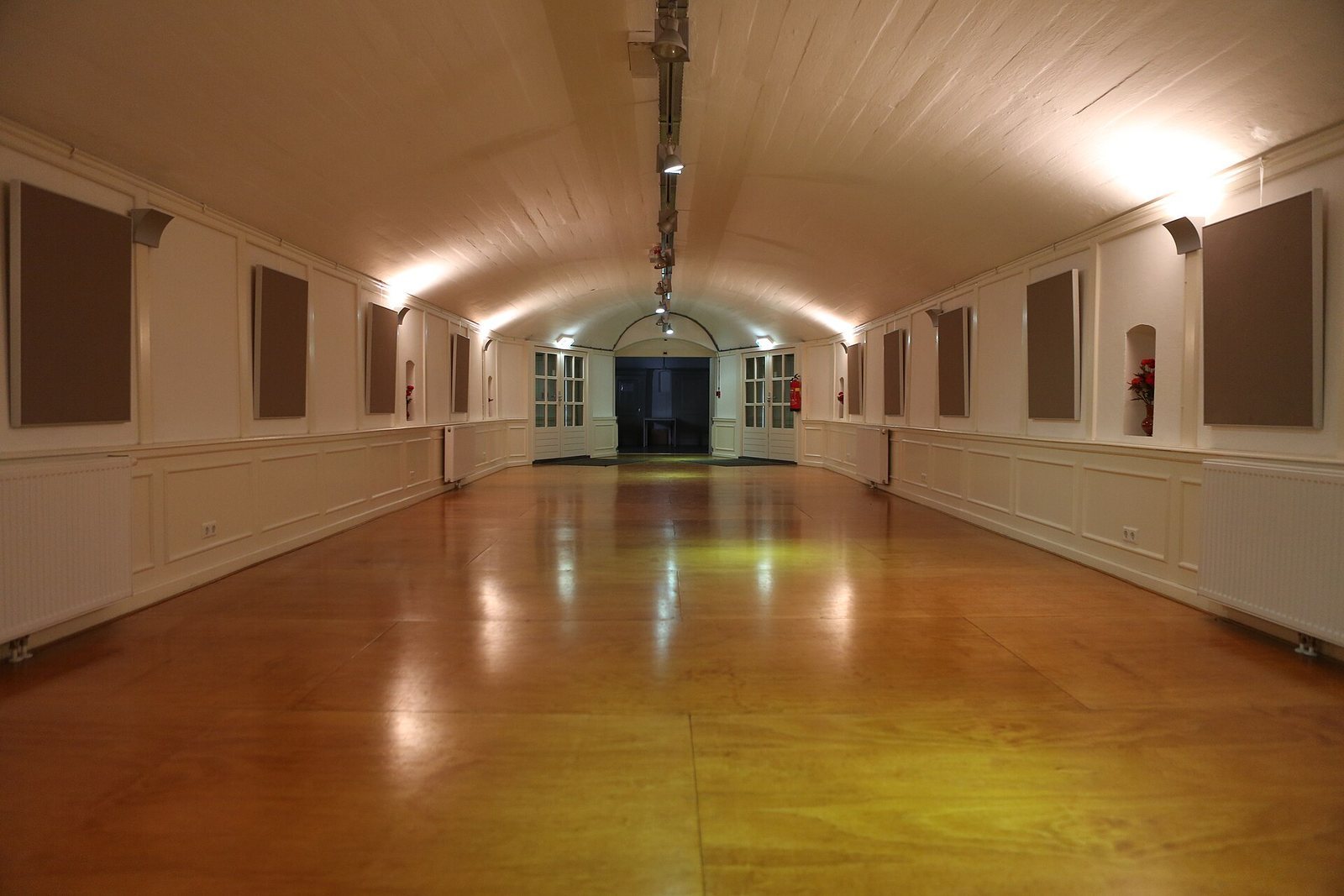
The fort’s main buildings were constructed to withstand explosive attack. Their rooms had tiled floors and numerous wooden partitions and panels. Bars were later fitted to the windows.
Fort keeper’s house
The keeper’s house is a separate service residence associated with the fort.
Steel-framed shed
A shed beside the fort was built around 1953 and has a steel frame.