Forde House: A Historic Manor House in the United Kingdom
Site at a Glance
- Popularity
- Medium
- Country
- United Kingdom
- Primary era
- Early Modern
- Eras represented
- Early Modern
- Civilizations
- English
- Site type
- Domestic
- Remains
- Manor House
On this page10 sections
History
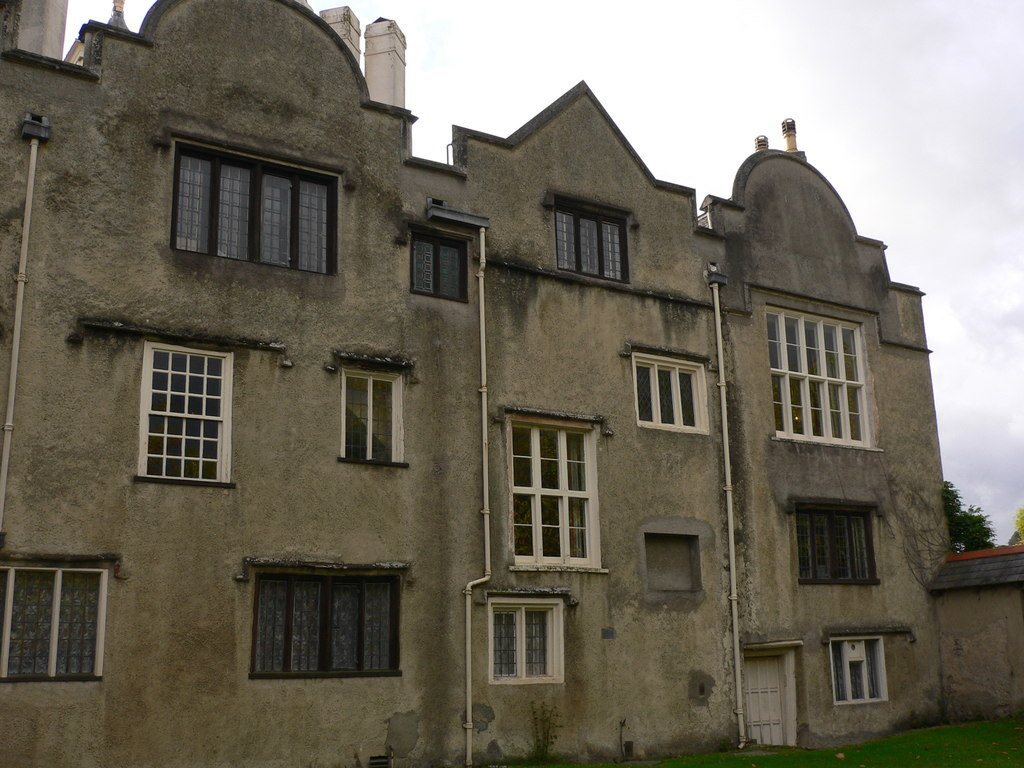
Forde House is a manor house in the United Kingdom, built around 1550 to serve the parish of Wolborough. About 1610, Sir Richard Reynell and his wife, Lucy Brandon, enlarged and remodelled it.
Royal visits and the Civil War
Charles I stayed at Forde on 15 September 1625 while travelling to Plymouth to inspect the fleet. He returned a few days later and spent two more nights there.
During the English Civil War, the conflict between Charles I and Parliament, the house sheltered Oliver Cromwell and Colonel Fairfax on 24 January 1646. They were there before the second siege of Exeter.
The Courtenay residence
The estate passed in 1648 to Sir William Courtenay, 1st Baronet, through his marriage to Margaret Waller. Margaret was the daughter and heiress of Sir William Waller, while her mother, Jane Reynell, was Forde’s heiress. Powderham Castle had suffered severe damage during the Civil War, so the Courtenays made Forde their principal home. Sir William and Margaret were both buried at Wolborough.
In 1688, William of Orange, the Dutch prince who became King William III, stayed at Forde after landing at Brixham, as he travelled toward London for his coronation. The Courtenays soon returned to the restored Powderham Castle. William Courtenay, 1st Viscount Courtenay, later carried out major remodelling there. Forde remained in the family’s hands until 1762, when it began a period of tenancy.
Tenants and public use
In 1820, Ayshford Wise rented the house after selling Wonwell. A local magistrate and former member of Parliament, he had moved to be near the Newton Abbot branch of the Totnes Bank, which had opened in 1817.
The Courtenays sold Forde in 1936 to Stephen Simpson, who sold it two years later to Mrs M. Sellick. She operated a business from the house. In the 1950s, Sellick negotiated a transfer to the National Trust, but the proposed transfer did not take place.
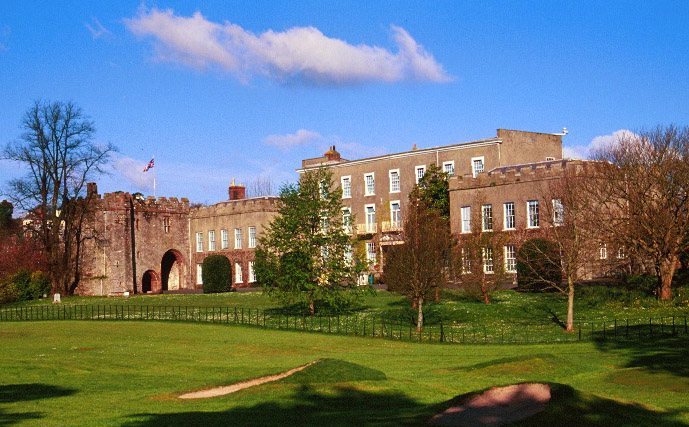
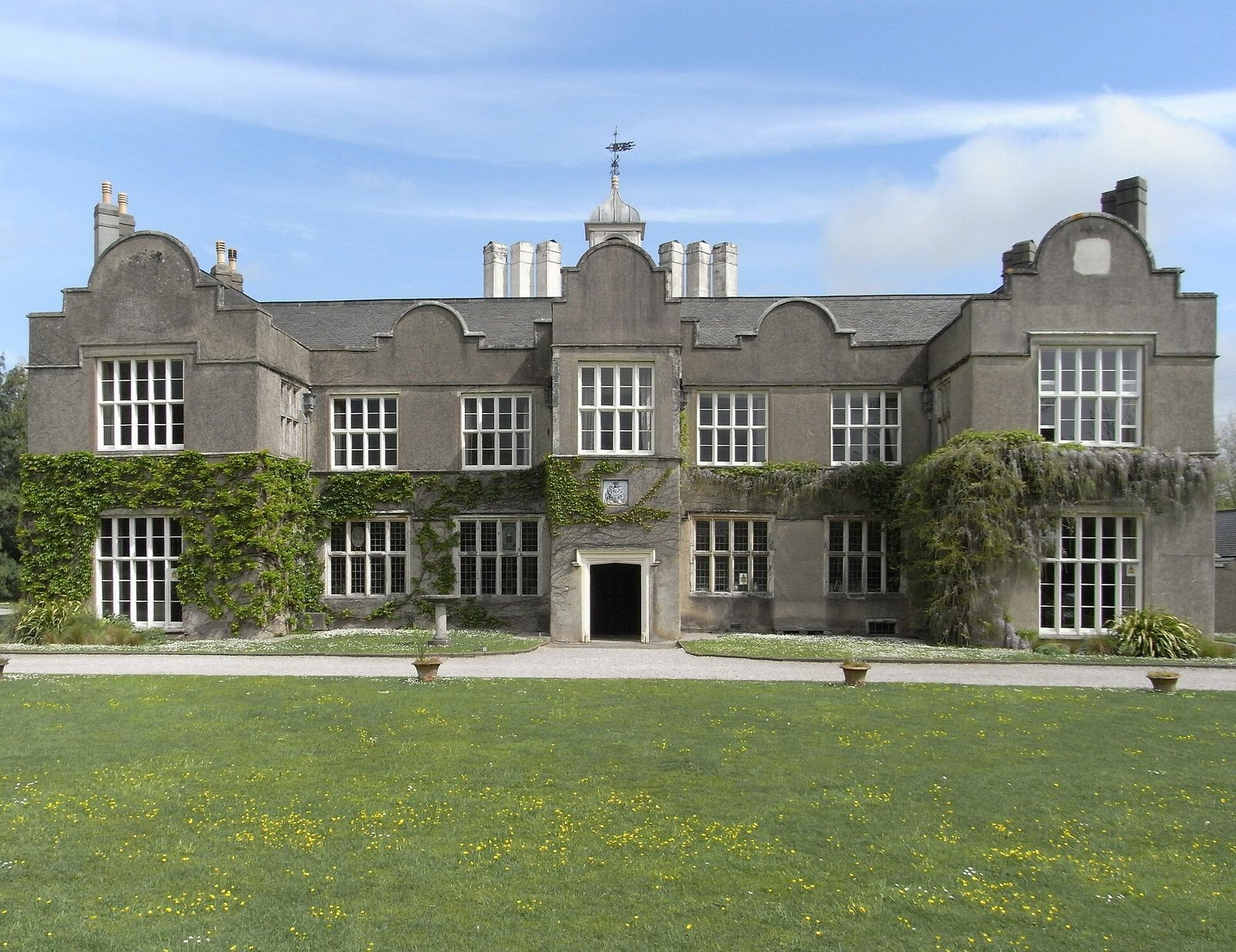
Teignbridge District Council bought the property from the Sellick family in 1978 and remains its owner. The council refurbished the historic house for offices, conferences, weddings and other events, and built a separate headquarters in the grounds. The new offices took the name Forde House, while the historic mansion became known as Old Forde House. It is a Grade I listed building, a category in England reserved for buildings of exceptional architectural or historic interest.
Remains
Plan and grounds
Forde House has an E-shaped plan, possibly conceived as a tribute to Elizabeth I, who died in 1603. Its southern front faces Torquay Road across a lawn. The former grounds, once including a deer park and an area called Decoy where wildfowl were lured for the household larder, have been reduced to the lawn between the house and road. The modern council office building also stands within the historic grounds.
Interior rooms
Main hall
Tradition places the main hall to the west of the principal entrance. Its plaster ceiling is decorated with sprays of flowers and fruit.
Dining room and chairman’s parlour
The dining room, formerly the library, has a similarly decorated ceiling. The chairman’s parlour also retains a decorated ceiling, along with a fine fireplace.
Long Room
On the first floor, the Long Room, also called the Great Chamber, is a large principal room intended for receiving and entertaining important visitors. It is among the finest surviving great chambers in southwest England.