Eketorp Fort: An Iron Age Ringfort and Medieval Garrison in Sweden
Site at a Glance
- Rating
- 4.3
- Popularity
- Medium
- Country
- Sweden
- Primary era
- Iron Age
- External website
- Open
- Eras represented
- Iron Age, Medieval
- Civilizations
- Unclassified
- Site type
- Military
- Remains
- Fort
On this page7 sections
History
Eketorp Fort is an Iron Age ringfort in Sweden, built by local communities on the island of Öland from around AD 400 and later enlarged and reconstructed during the Middle Ages. It served as a defensive fortification, a refuge for the agricultural population, and eventually a cavalry garrison. The site is also commonly known as Eketorp Castle.
Iron Age foundation and expansion
The archaeological sequence is divided into three phases. Eketorp I dates to approximately AD 300–400, Eketorp II to approximately AD 400–700, and Eketorp III to approximately AD 1000–1300. The earliest fortification emerged during a period of contact and conflict involving communities on Öland, Romans, and other European groups. It probably served both for religious ceremonies and as a place of refuge during attacks.
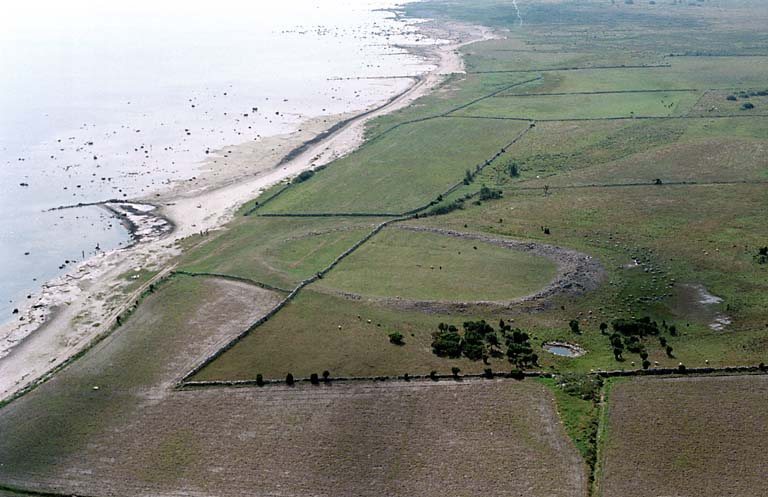
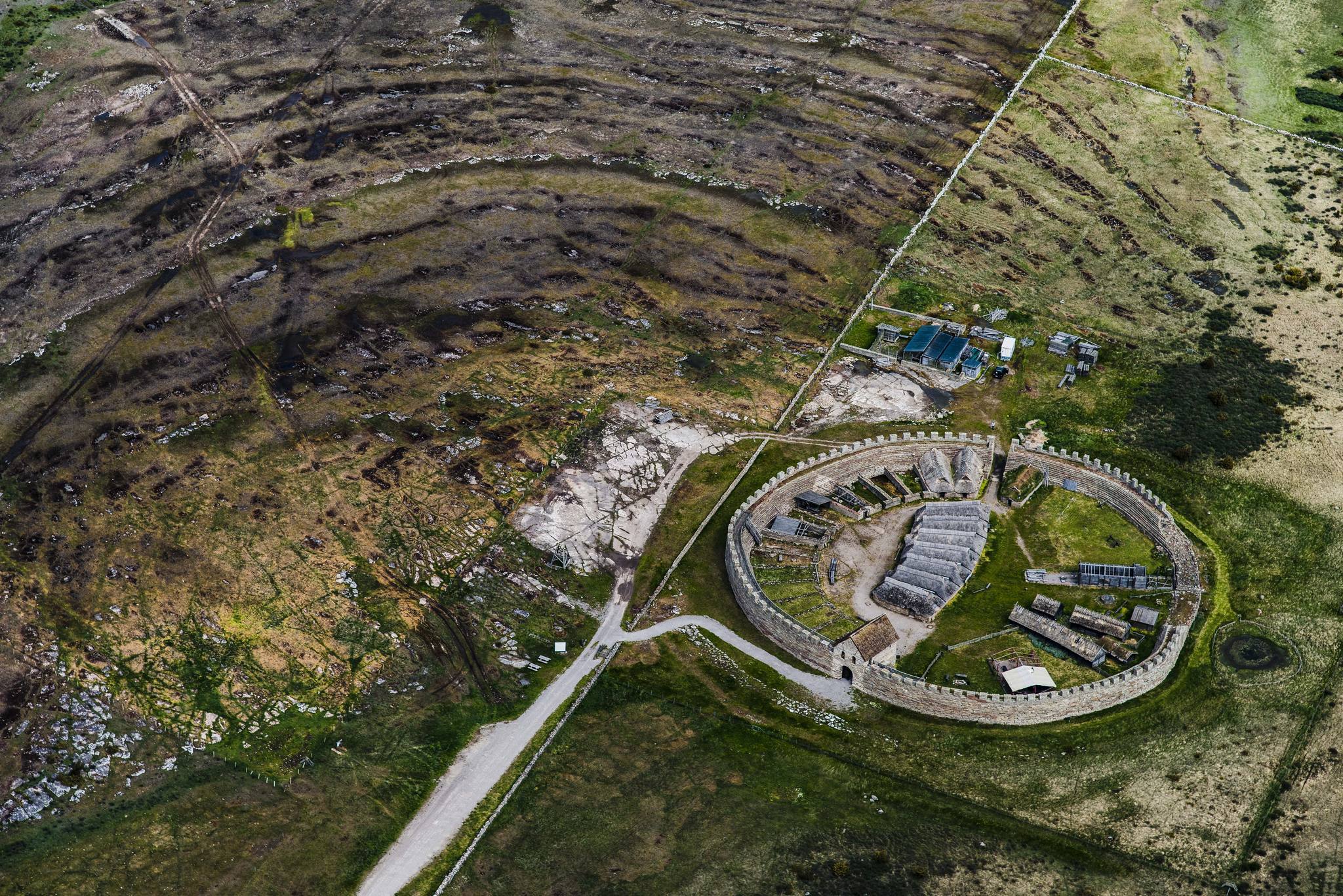
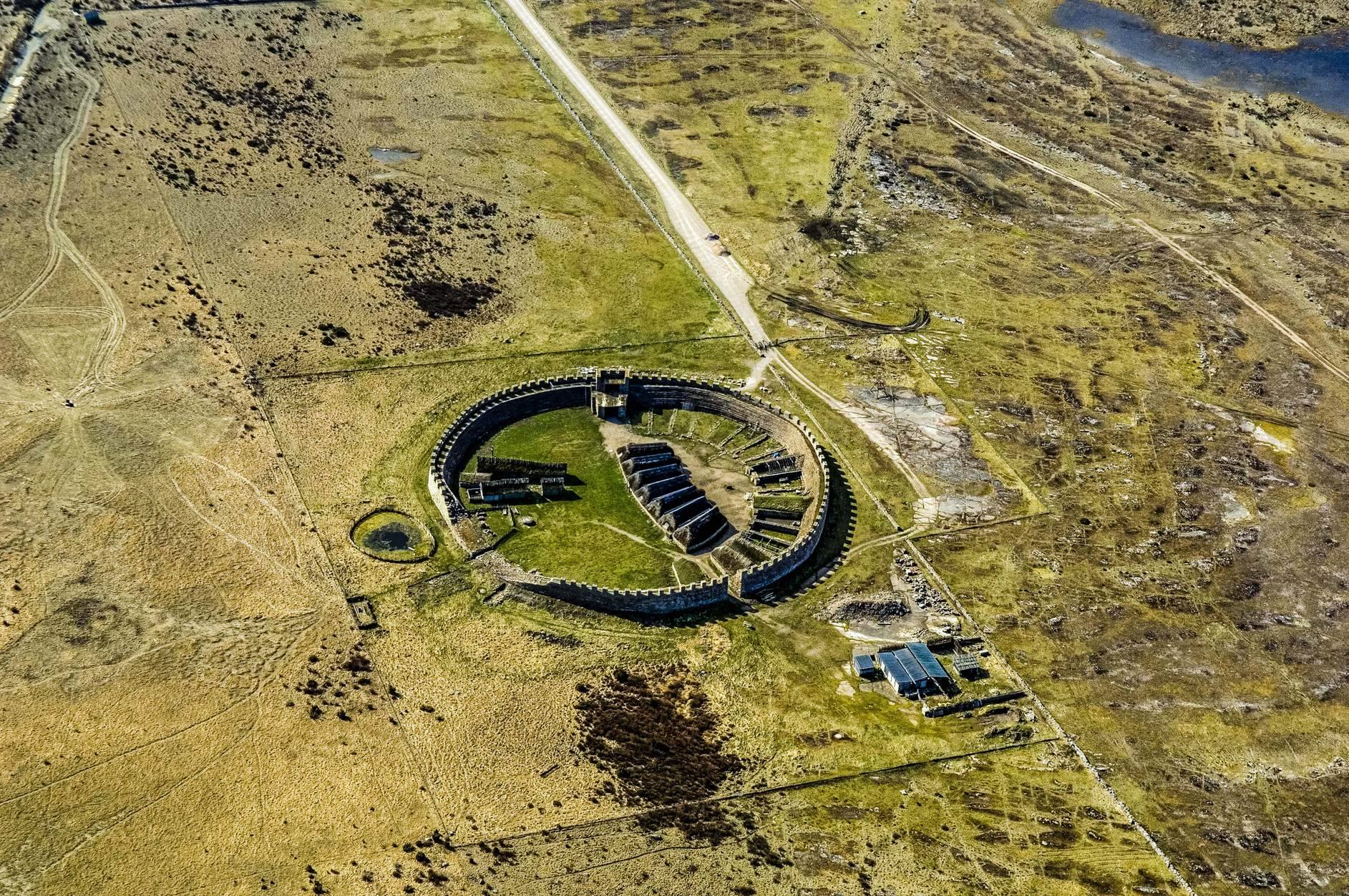
The first enclosure was enlarged during the following century. In its expanded form, the fort contained about 50 cells or small structures. Some occupied the centre of the enclosure, while others were built into the surrounding wall. The fort stood on very level ground, where an attack could potentially come from any direction, giving the circular defensive plan particular practical importance.
Abandonment and medieval rebuilding
Eketorp was abandoned in the middle of the seventh century and remained unused until the early eleventh century. Medieval rebuilding generally followed the earlier plan, but changed the character of the settlement. Stone interior structures were replaced with timber buildings, and a second defensive wall was built outside the original fortification. During this later phase, Eketorp served as a medieval refuge and cavalry garrison.
Excavation and modern interpretation
A decade-long excavation led by Sweden’s National Heritage Board ended in 1974. Eketorp became the only one of Öland’s 19 known prehistoric fortifications to be completely excavated, and more than 24,000 individual artifacts were recovered. During the twentieth century, the fort was reconstructed over the ancient remains and opened as a tourist site. The reconstructed settlement has also supported experimental archaeology, which uses archaeological evidence to test how earlier technologies and practices may have worked, as well as re-enactments of medieval battles and other events.
In 2005, an experimental presentation of Iron Age horse sacrifice, using real horse heads mounted on poles, resulted in a police investigation and court proceedings concerning the handling of slaughterhouse by-products. The museum was cleared on all points, while its staff defended the display as an archaeologically guided attempt to present Iron Age practices realistically. Since 2019, responsibility for Eketorp has belonged to Mörbylånga Municipality. Southern Öland, including Eketorp, forms part of a UNESCO World Heritage Site.
Remains
Circular fortifications
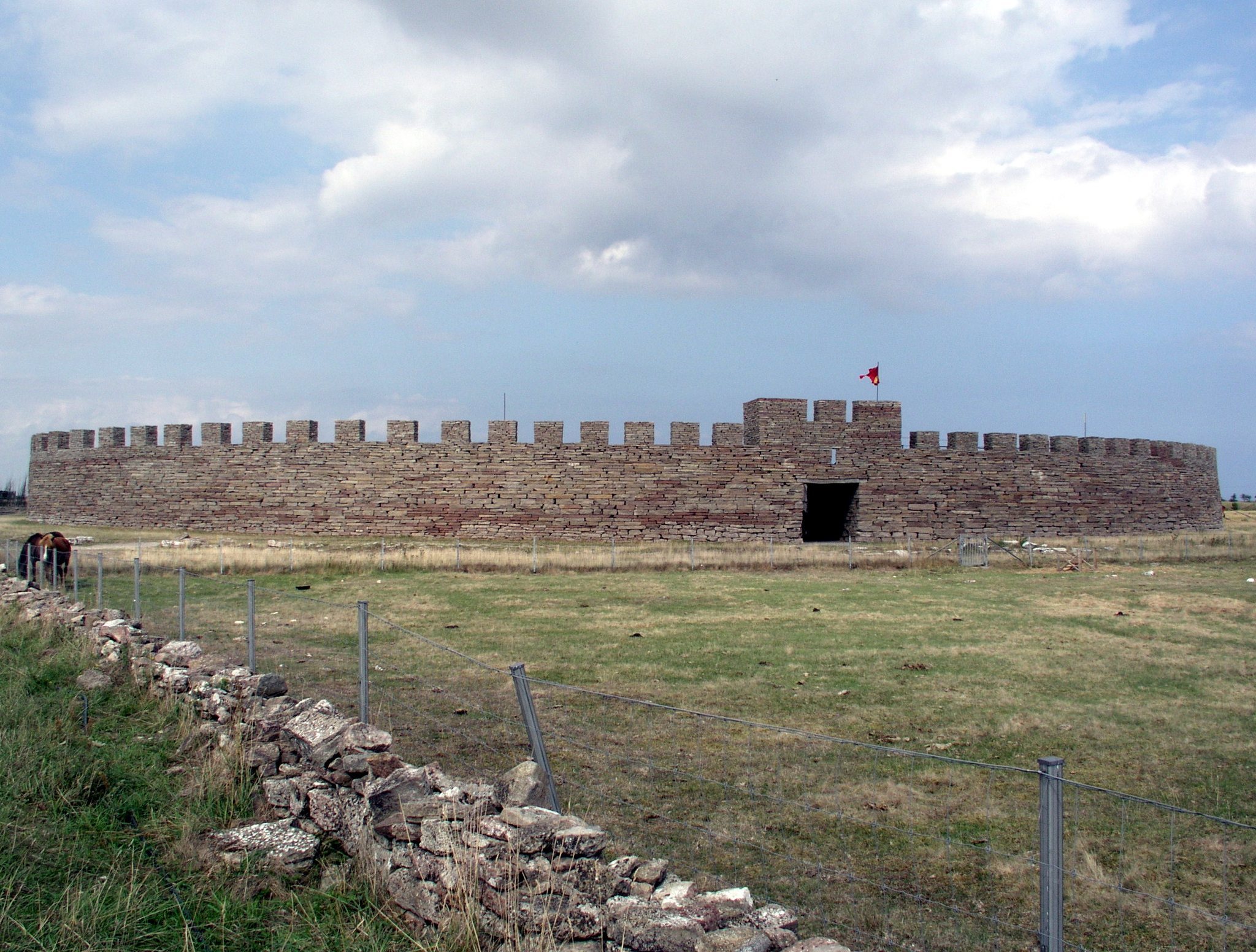
Eketorp’s physical layout is based on a circular enclosure built on almost level terrain. The earliest stone perimeter measured approximately 57 metres across. During the later Iron Age expansion, the perimeter was moved outward to create a larger circular structure approximately 80 metres in diameter. The enlarged fort contained around 50 small structures, positioned either within the central area or incorporated into the defensive wall. In the medieval phase, a second defensive wall was added beyond the earlier enclosure, while the inner stone structures were replaced by timber buildings.
Reconstructed settlement and museum
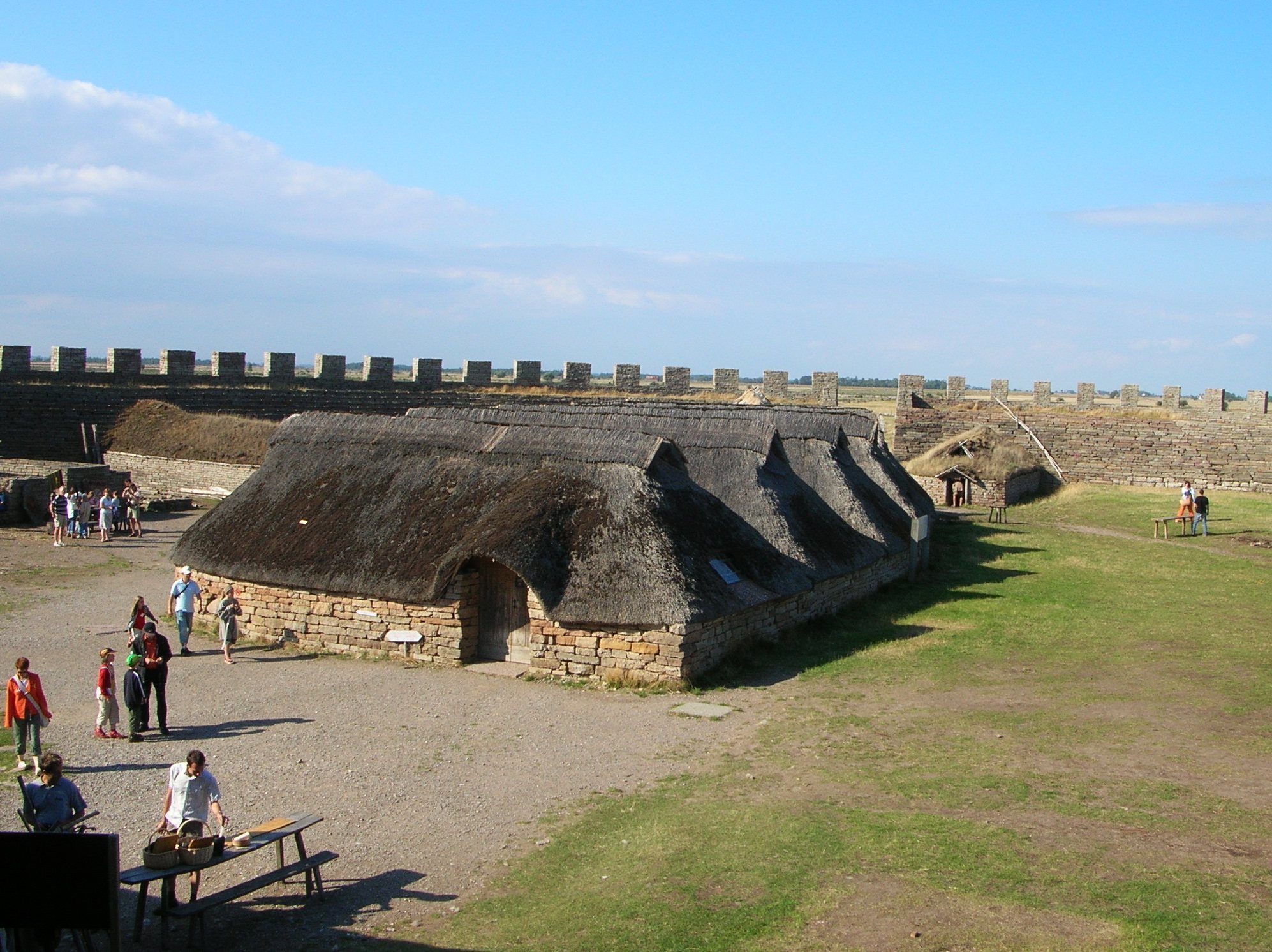
The modern reconstruction stands directly over the excavated ruins and presents the fort as a functioning settlement. Its interior longhouses contain a museum displaying a selection of excavated artifacts. Clothing and activities associated with approximately AD 400–650 are represented through demonstrations of archery, bread baking, crafts, and other historical practices. These presentations draw on experimental archaeology and connect the surviving layout with reconstructed Iron Age technologies and daily activities.