Duns Castle: A Medieval Keep Transformed into a Gothic Castle

Site at a Glance
- Rating
- 4.4
- Popularity
- Low
- Country
- United Kingdom
- Primary era
- Modern
- External website
- Open
- Eras represented
- Medieval, Modern
- Civilizations
- British, Kingdom of Scotland
- Site type
- Domestic
- Remains
- Castle
On this page9 sections
History
Medieval origins and changing ownership
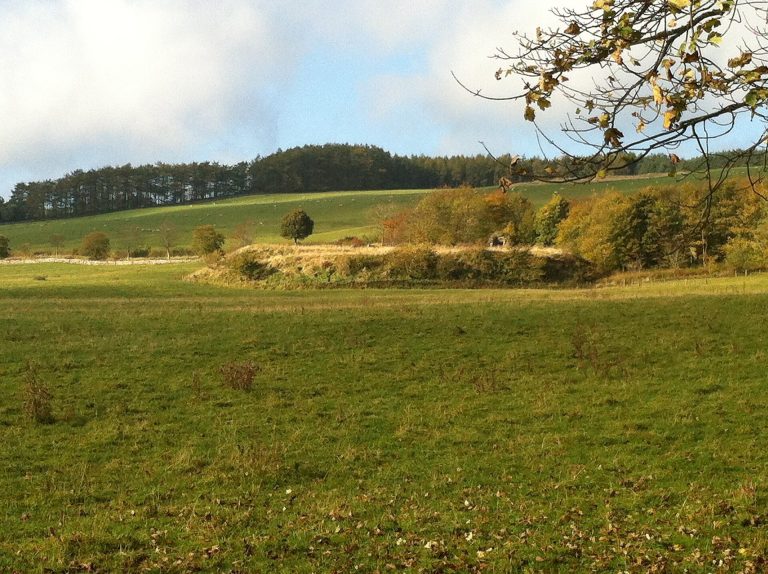
Duns Castle is a historic castle in the United Kingdom, at Duns, whose earliest keep is traditionally dated to around 1320. The keep probably stood on land granted by Robert the Bruce, king of Scots from 1306 to 1329, to Thomas Randolph, 1st Earl of Moray. The castle’s earliest history remains uncertain, but its position placed it within the contested Anglo-Scottish border region.
After Randolph died in 1332 or 1333, the manor and castle probably passed to Patrick V, Earl of March. Following the Battle of Halidon Hill in 1333, Edward III of England granted the manor to Thomas de Bradestan. Ownership changed several times during the following centuries, reflecting the political and military instability of the borderlands.
Destruction and seventeenth-century military history
The original keep may have been destroyed by the English during the sixteenth century, possibly in 1545 during the Rough Wooing, a series of Anglo-Scottish wars fought in the 1540s. The nearby town of Duns was burned during that conflict.
In 1639, during the First Bishops’ War, the castle housed General Alexander Leslie, 1st Earl of Leven. The conflict arose between the Scottish Covenanters and the government of Charles I over religious and ecclesiastical authority. Leslie’s army was quartered nearby and blocked an English advance into Scotland. Negotiations at this point led to the Pacification of Berwick, which ended the war.
The Hay family and nineteenth-century transformation
Sir James Cockburn acquired the estate and burgh of Duns in 1670. He sold the manor to William Hay of Drumelzier in 1698, after which the castle remained in the Hay family. William Hay’s descendants, Alexander Hay and Robert Hay, enlarged the building. Robert Hay commissioned major alterations by the Scottish architect James Gillespie Graham, with construction carried out by William Waddell. The transformation was completed in 1822.
The property is a Category A listed historic building, Scotland’s highest level of statutory protection for buildings of special architectural or historic interest. Its designed landscape is also included in Scotland’s Inventory of Gardens and Designed Landscapes. A local tradition holds that the ghost of Alexander Hay, who was killed at the Battle of Waterloo in 1815, haunts the castle.
Remains
Medieval core
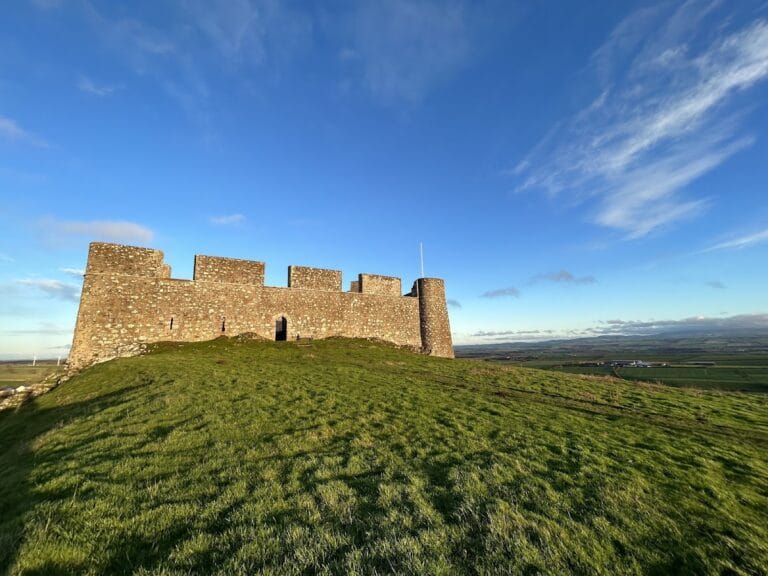
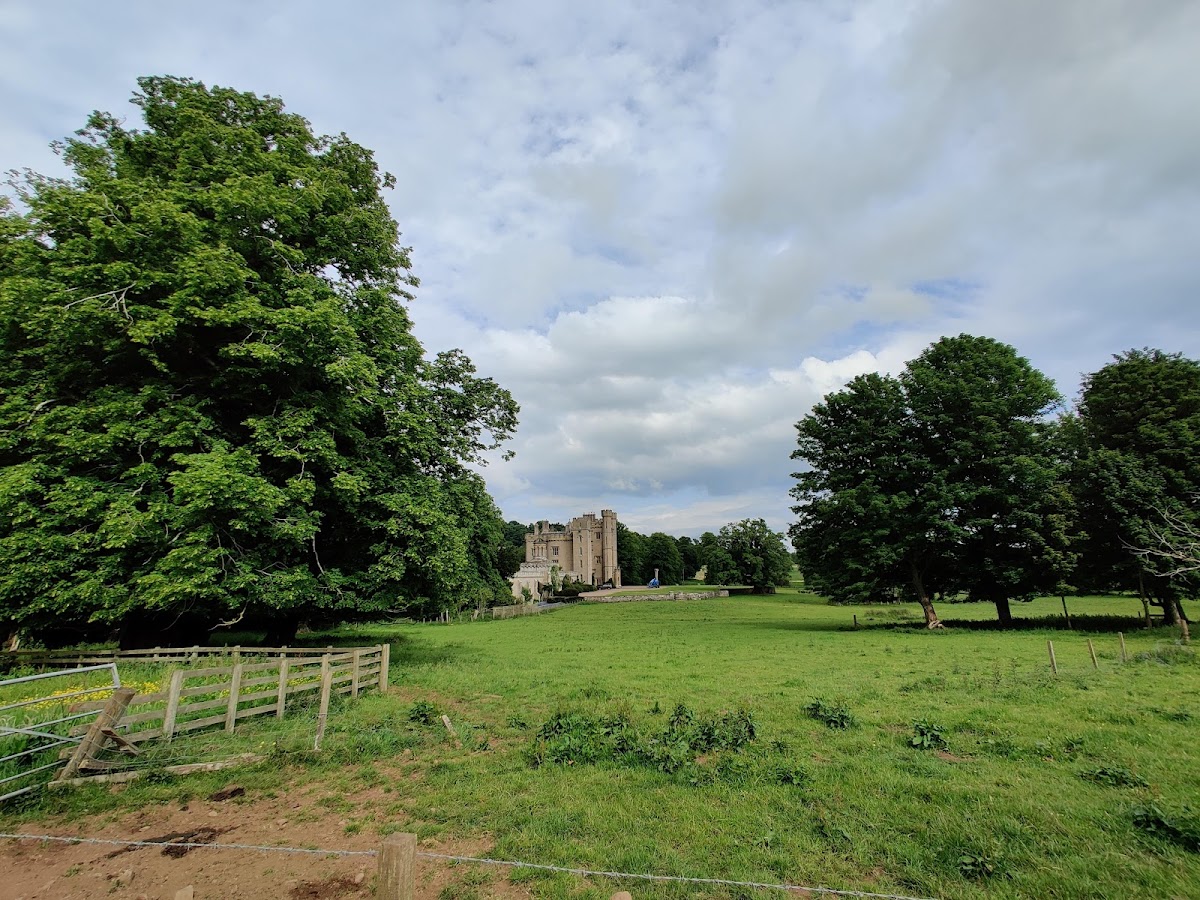
The oldest part of Duns Castle is a massive Norman keep, also described as a Pele Tower, meaning a fortified tower house associated especially with the Anglo-Scottish border. It is traditionally dated to around 1320, although that date is uncertain. Architectural assessment places the portion associated with the sixteenth-century destruction in the fifteenth or sixteenth century. The original keep is believed to have been incorporated into a later L-shaped structure, whose date of expansion is unknown.
Later remodeling and Gothic form
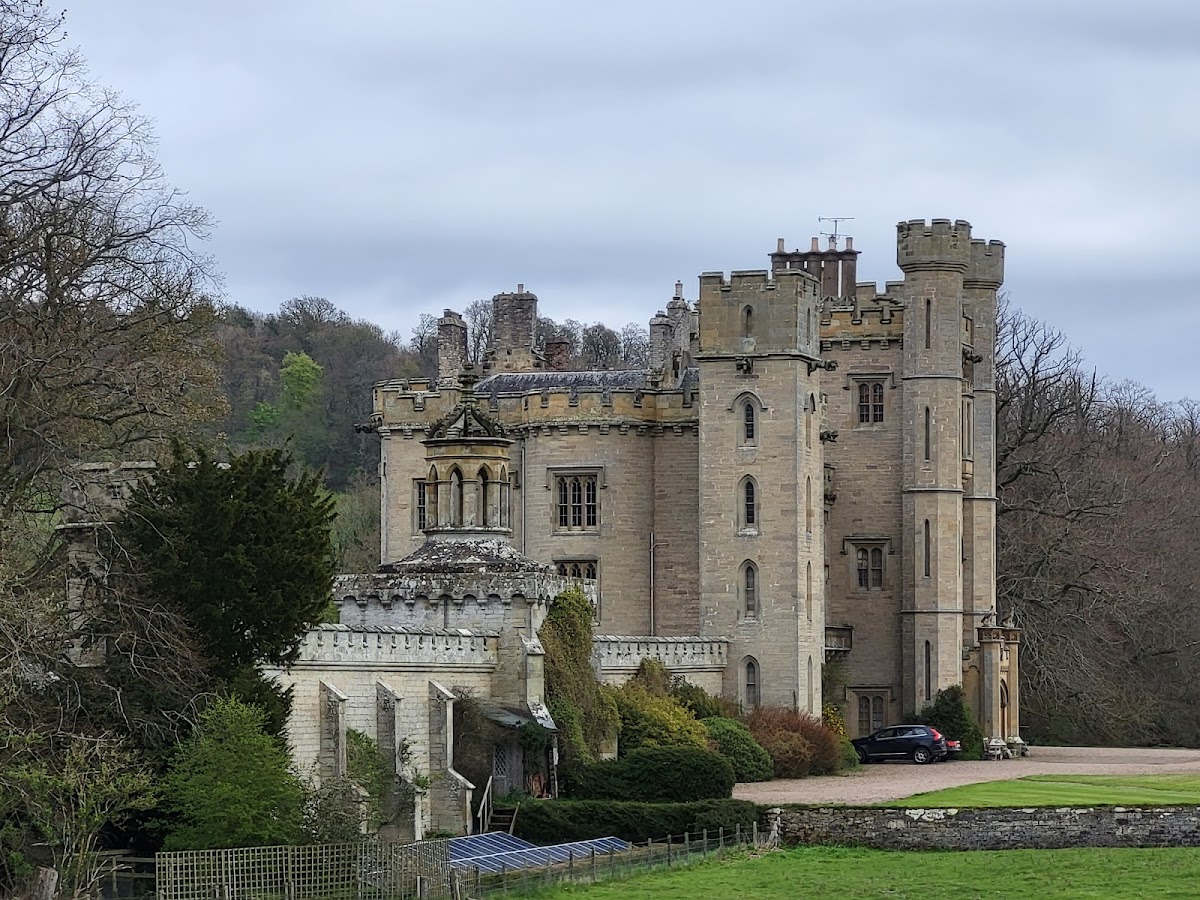
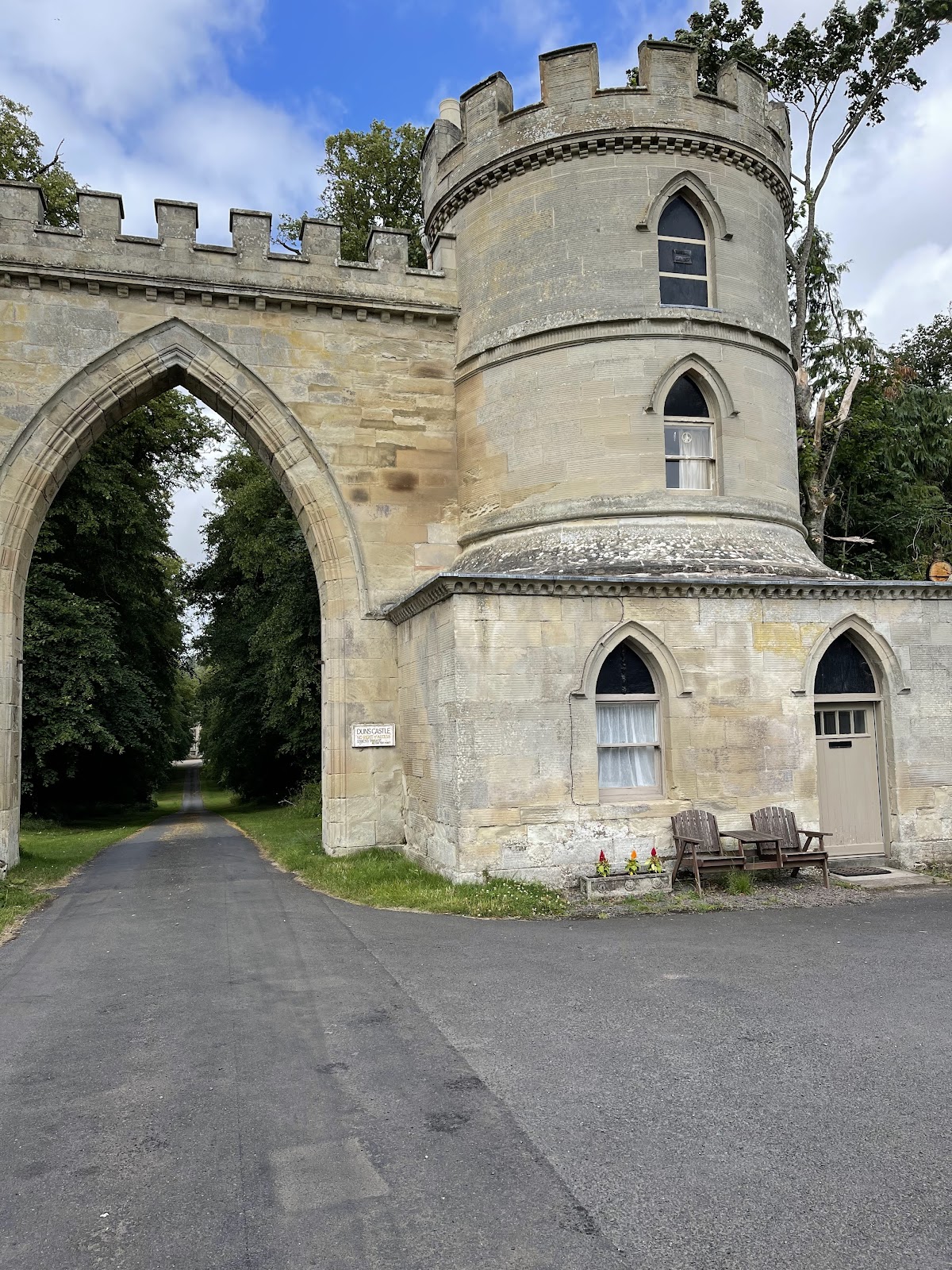
The building was remodeled soon after the Hay family acquired the manor and was altered again between 1791 and 1798 under the Scottish architect John Baxter. James Gillespie Graham subsequently transformed the house into a Gothic castle between 1818 and 1822. Stone for this work came from Putton Mill in Duns. Interior woodwork was carved by the Scottish sculptor Sir John Steell while he was an apprentice.
Estate landscape
Duns Castle stands within a wooded estate of approximately 1,100 acres. The property includes a park and two artificial lakes, Hen Poo and the smaller Mill Dam. Together, the lakes form the Duns Castle nature reserve.
Interior spaces
The castle contains 12 bedrooms and 10 bathrooms. Its principal dining room is described as the original fourteenth-century dining room, linking the later country-house interior with the building’s medieval history.