Dolmens of Wilsen: Prehistoric Tombs in Germany
Site at a Glance
- Popularity
- Very Low
- Country
- Germany
- Primary era
- Stone Age
- Eras represented
- Stone Age
- Civilizations
- Unclassified
- Site type
- Burial
- Remains
- Tomb
On this page7 sections
History
Prehistoric construction and reuse
The Dolmens of Wilsen are two prehistoric tombs near Kuchelmiß in Mecklenburg-Vorpommern, Germany. The Funnel Beaker culture, named for a distinctive pottery shape, built them between 3500 and 2800 BC. People of the later Globular Amphora culture, also named for its characteristic pottery, reused the graves.
Excavation and restoration
German prehistorian Ewald Schuldt excavated the graves in 1964, and they were partly restored.
Remains
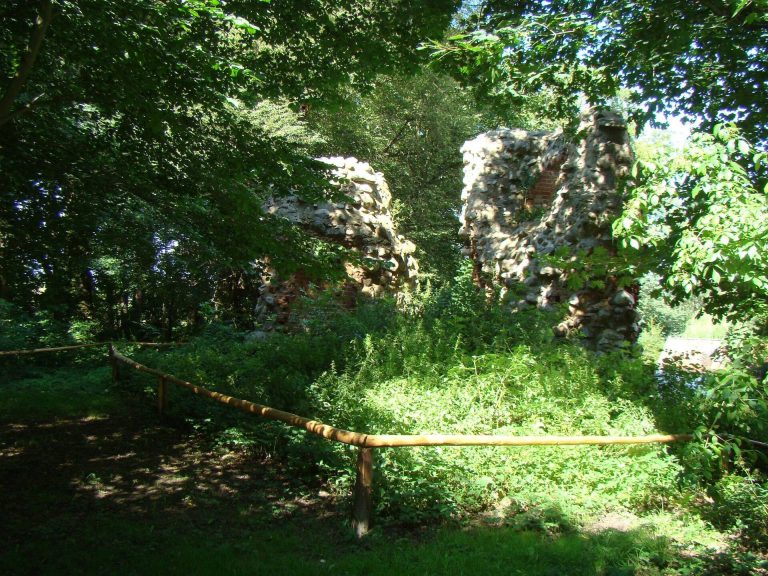
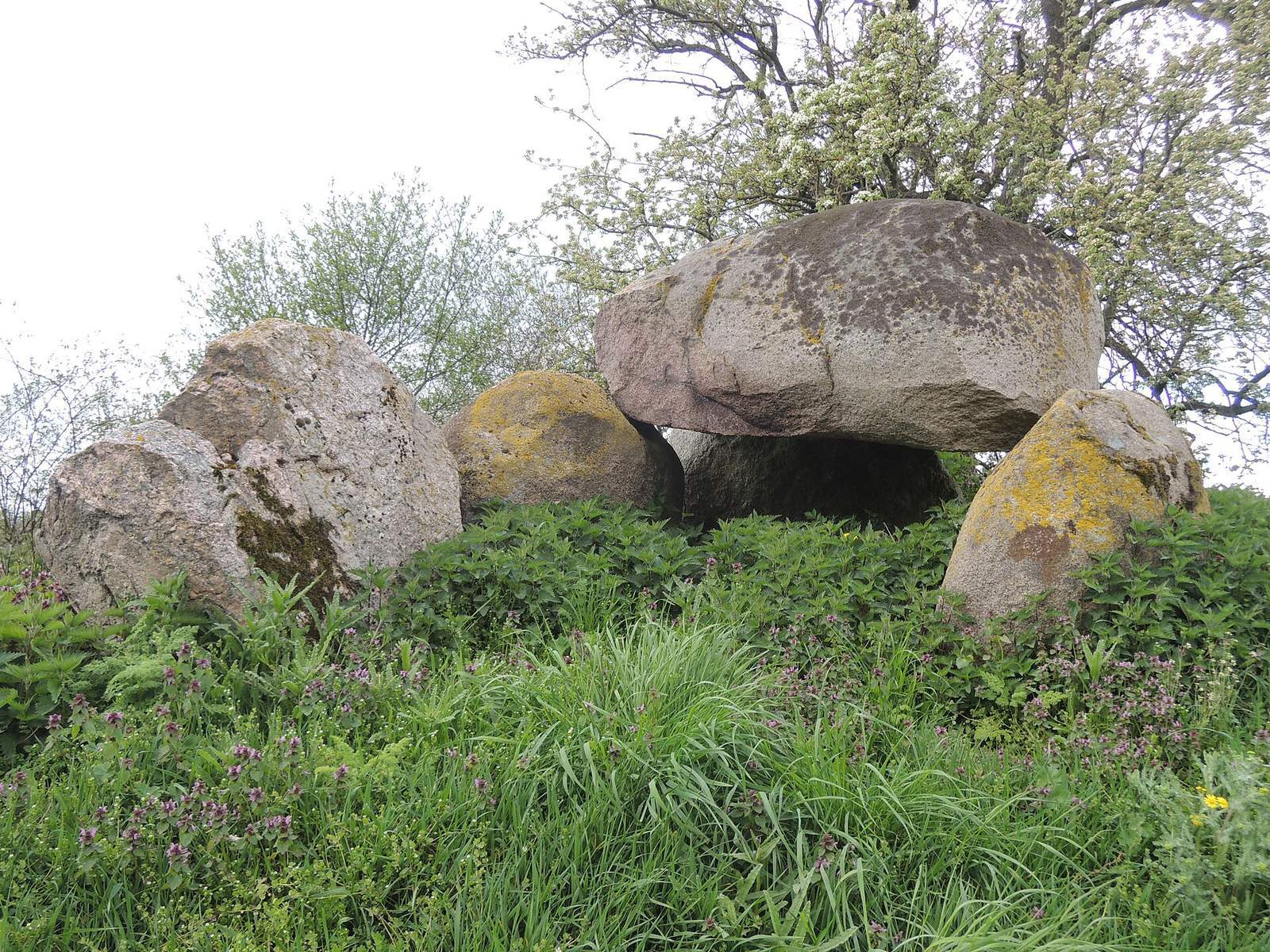
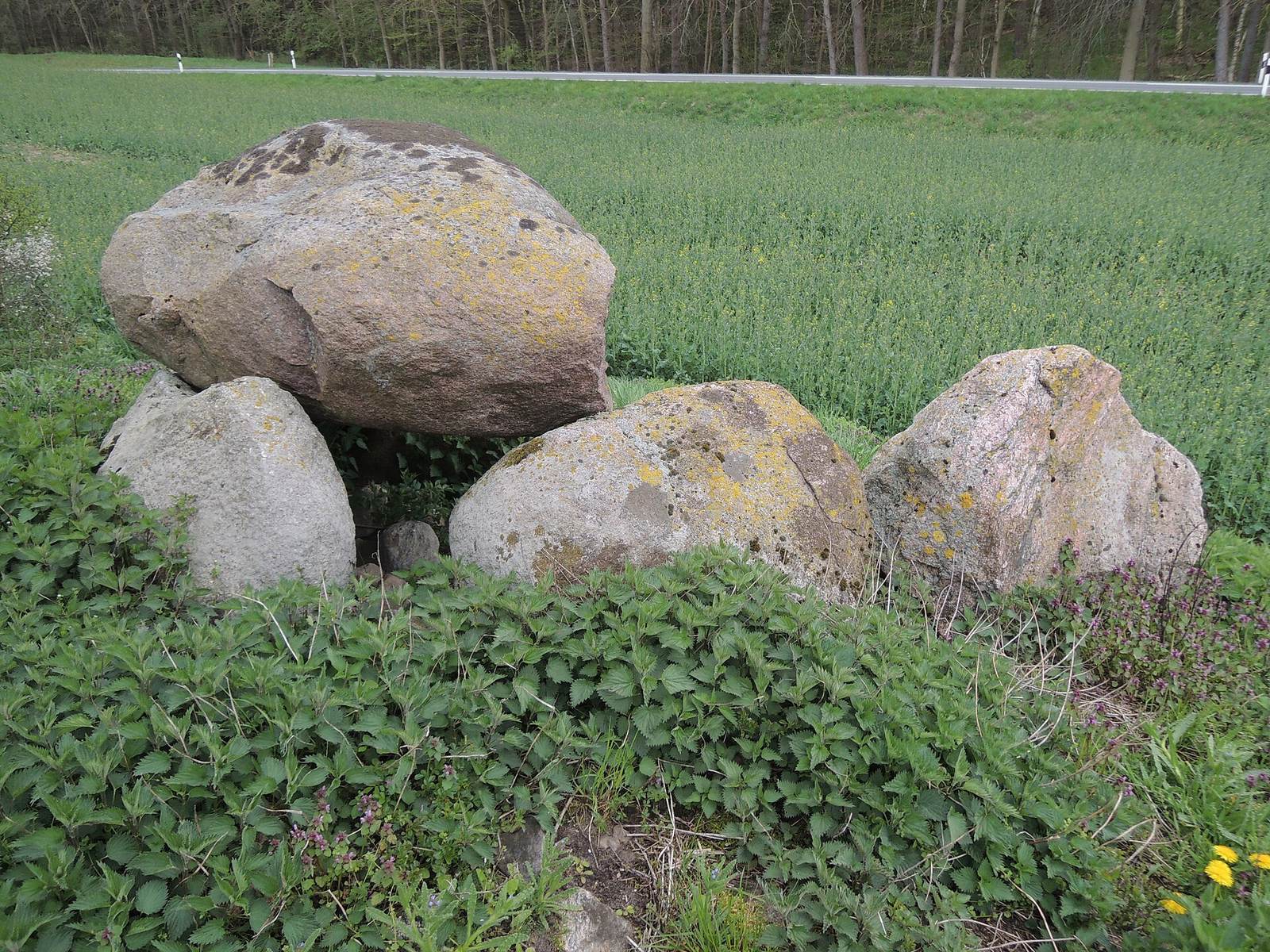
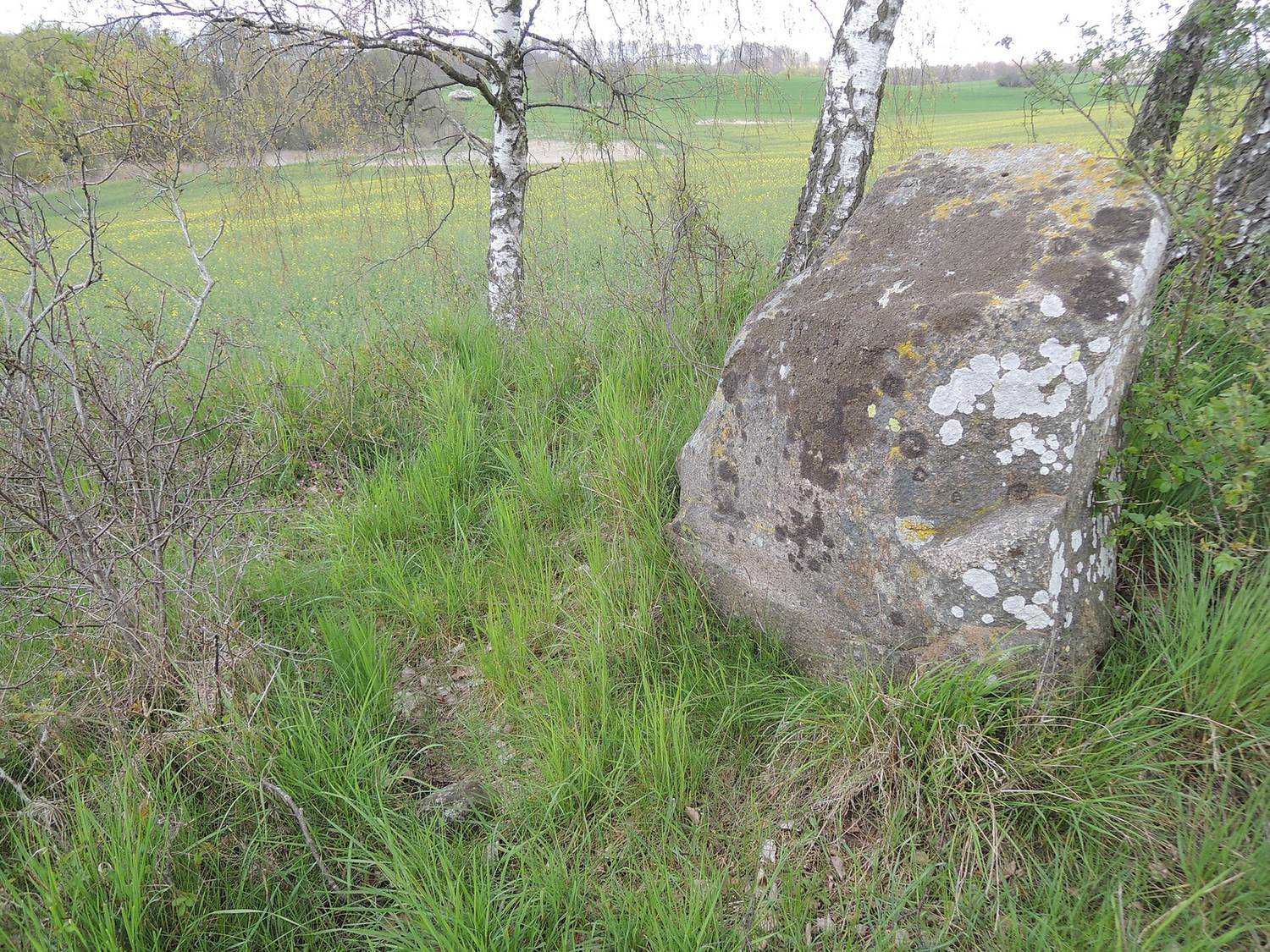
The tombs lie between Wilsen and Wilser Hütte, each on a hill and originally enclosed by a mound of cobbles. Their surviving forms differ: one is heavily disturbed, while the other retains its chamber and capstone.
Surviving tombs
Wilsen 1
Wilsen 1 is strongly disturbed, with scattered stones on and around the hill and no discernible structure. Its northwest-to-southeast alignment and dimensions, 2.2 metres long by 1.3 metres wide, were established during excavation. The floor consisted of red sandstone slabs and a clay layer. Finds included human bones, charcoal, 68 pottery fragments, a flat axe, a stone axe, a globular amphora, a spherical bowl, and two scrapers.
Wilsen 2
Wilsen 2 is aligned north to south. Vegetation now obscures the cobble layer around its hill, while the capstone has been returned to position; it bears six cup-shaped hollows. The chamber measures 1.4 metres high, 2.1 metres long, and 1.2 metres wide. Its floor combines cobbles, heat-treated flint, and a clay layer. Finds included charcoal, 57 pottery fragments, three transverse arrowheads with crosswise cutting edges, three blades, another arrowhead, two globular amphorae, a wide-mouthed pot, a tall pot, a thick-butted axe, a hammerstone used for pounding, a blade scraper, and a flint sickle.