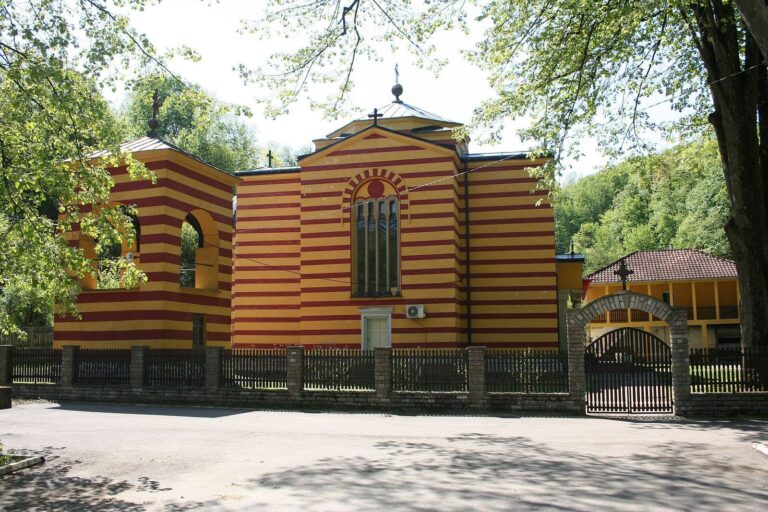
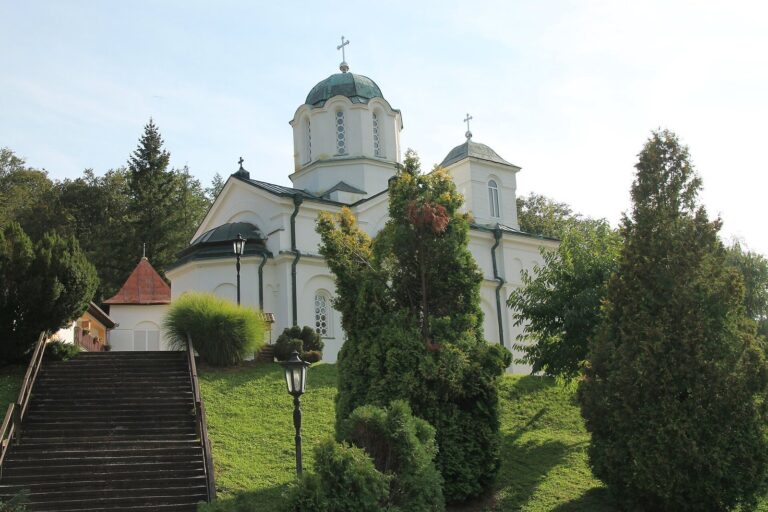
Dokmir Monastery: A Serbian Orthodox Monastery and Historic Church
Site at a Glance
- Rating
- 4.9
- Popularity
- Medium
- Country
- Serbia
- Primary era
- Medieval
- Eras represented
- Medieval, Modern
- Civilizations
- Serbian
- Site type
- Religious
- Remains
- Monastery
On this page9 sections
History
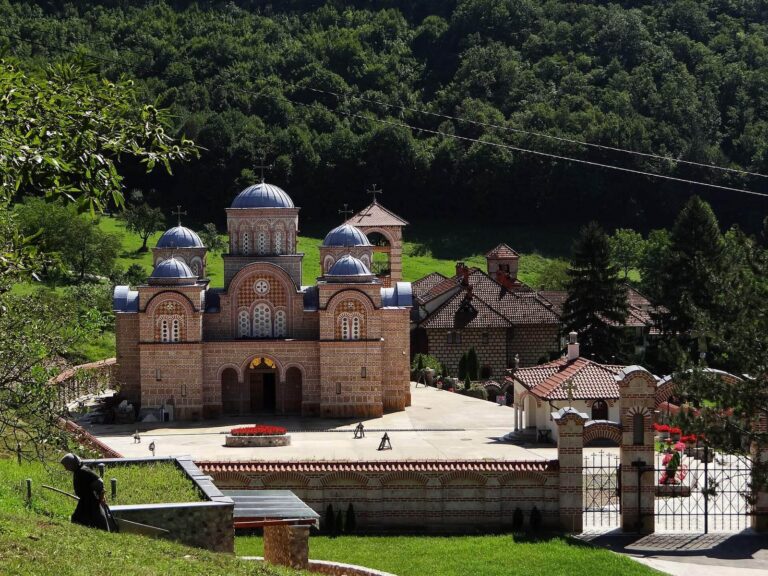
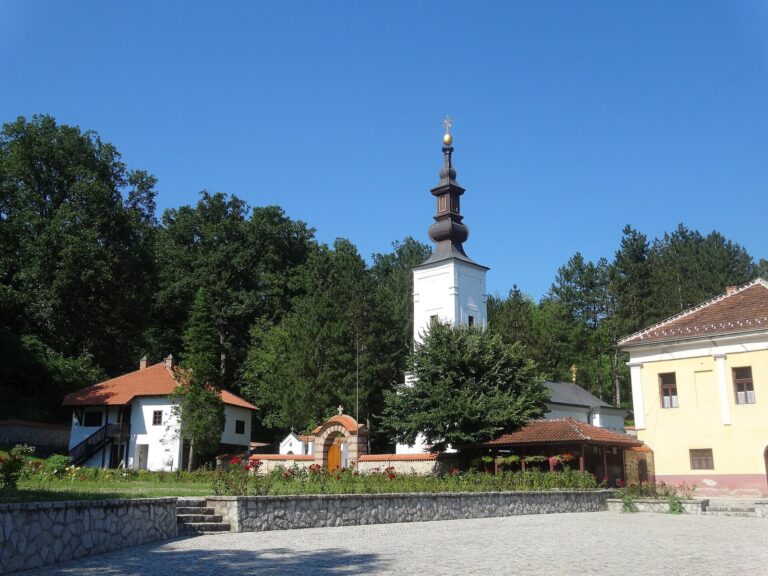
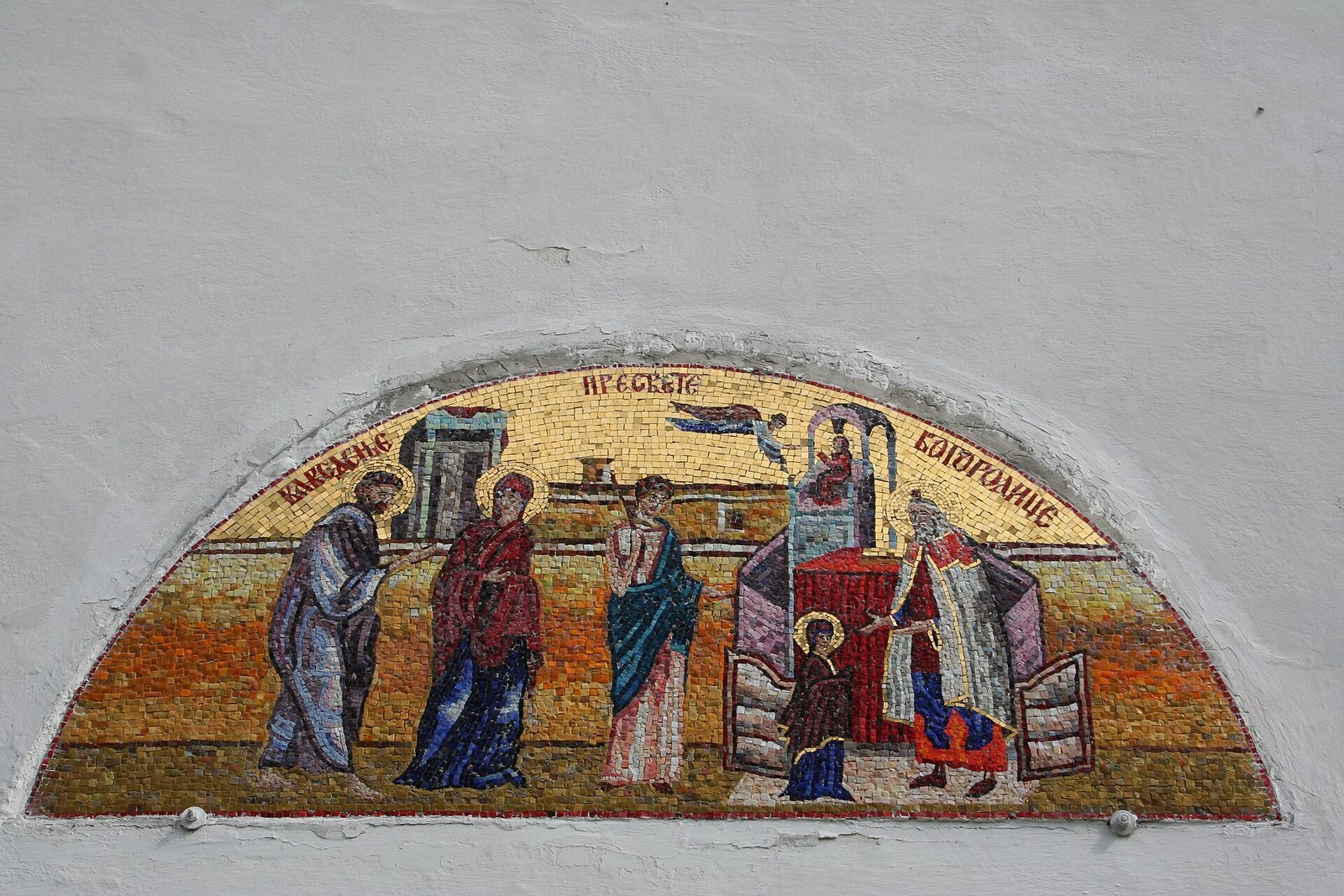
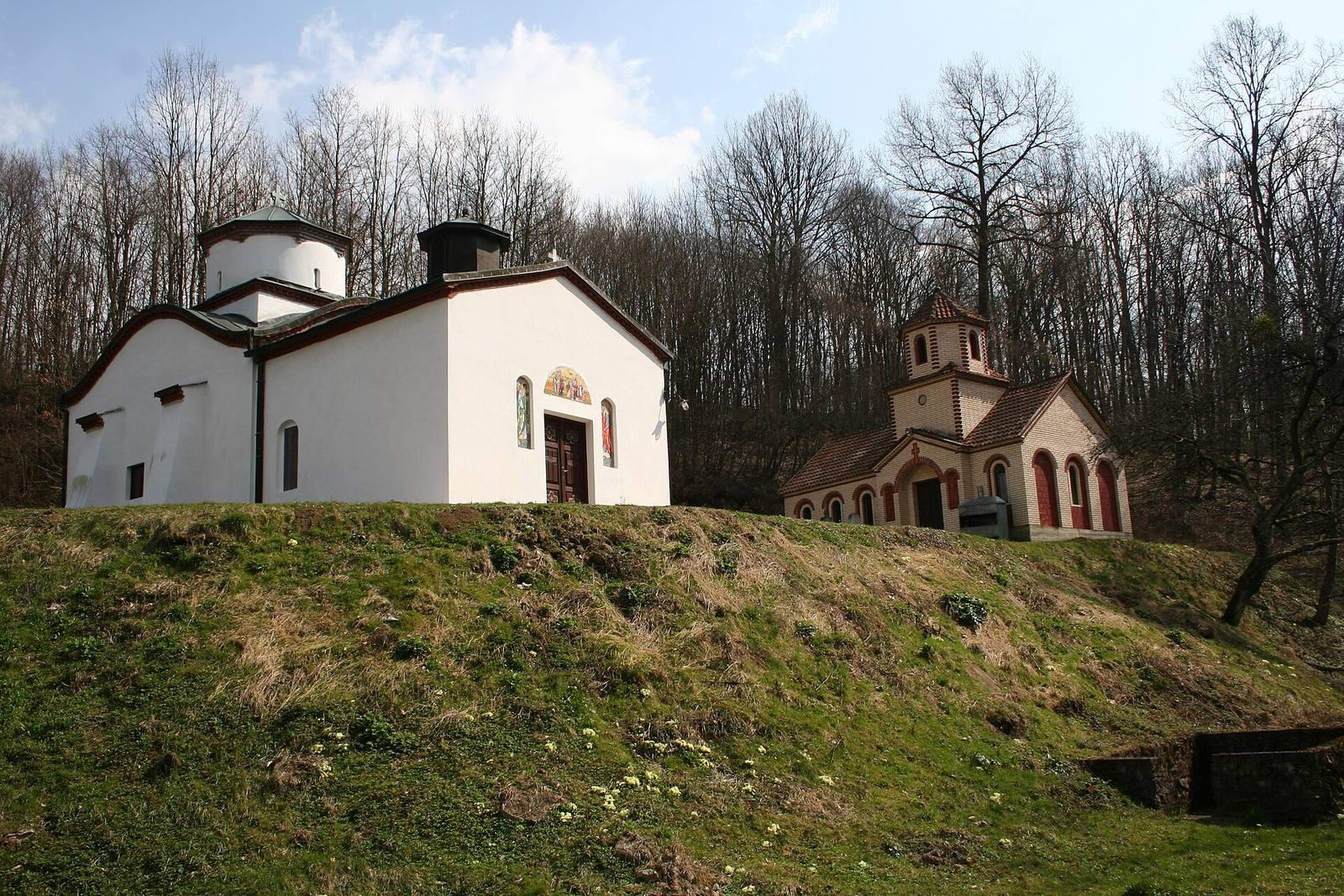
Dokmir Monastery is a Serbian Orthodox monastery in Dokmir, a village in the municipality of Ub, Serbia. It belongs to the Serbian Orthodox Church, an Eastern Orthodox Christian church, and the Diocese of Valjevo, a regional church jurisdiction. Its church, believed to date to the second half of the 14th century, is dedicated to the Presentation of the Mother of God in the Temple, a Christian feast commemorating Mary’s presentation at the Temple. The monastery is listed as a cultural monument of great importance in Serbia, chiefly because of its church.
Eighteenth-century restoration and school
An earthquake damaged the church, which underwent extensive restoration in 1734. From the 1770s, the monastery became known for a two-year arts-and-crafts school where students learned icon painting. Its pupils included notable painters of the period, as well as people who later played prominent roles in uprisings seeking liberation from Ottoman rule.
Burning and rebuilding
In 1788, Ottoman pasha Mahmoud Pacha Buşatlı, a senior official or military leader, burned the monastery. The church was rebuilt in 1791.
The sisterhood at Dokmir
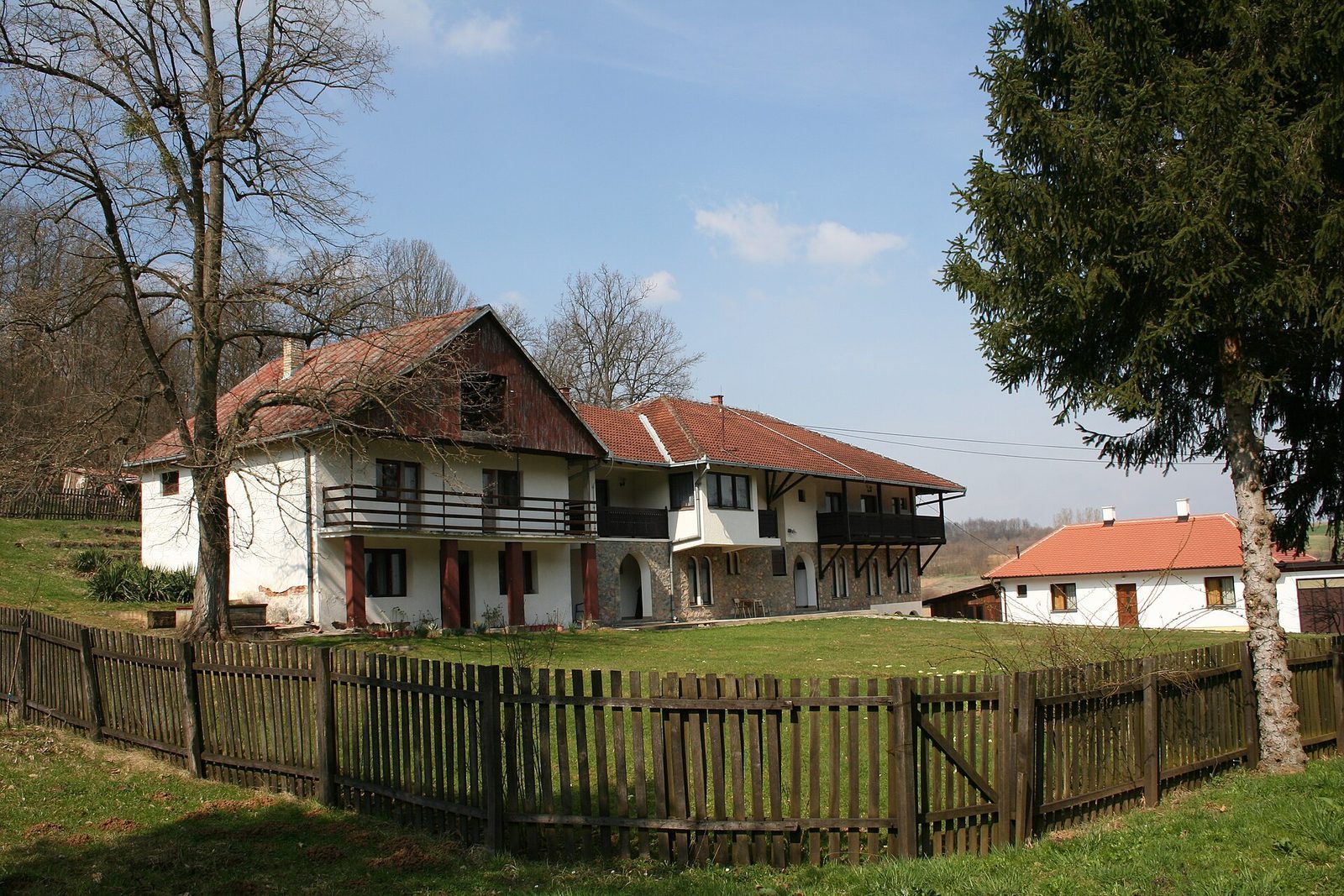
Nuns from Žitomislić Monastery in Herzegovina settled at Dokmir in 1992 after fleeing the destruction of their former home. Led by Abbess Eupraxia and their spiritual father, Abbot Jovan (Nedić), they had left Žitomislić several weeks before it was burned and demolished in mid-June by the Croatian Defence Forces, a Croatian paramilitary formation led by Blaž Kraljević. Eupraxia died in 2007, and Dokmir continues to house a community of nuns.
Remains
Church architecture
Main structure
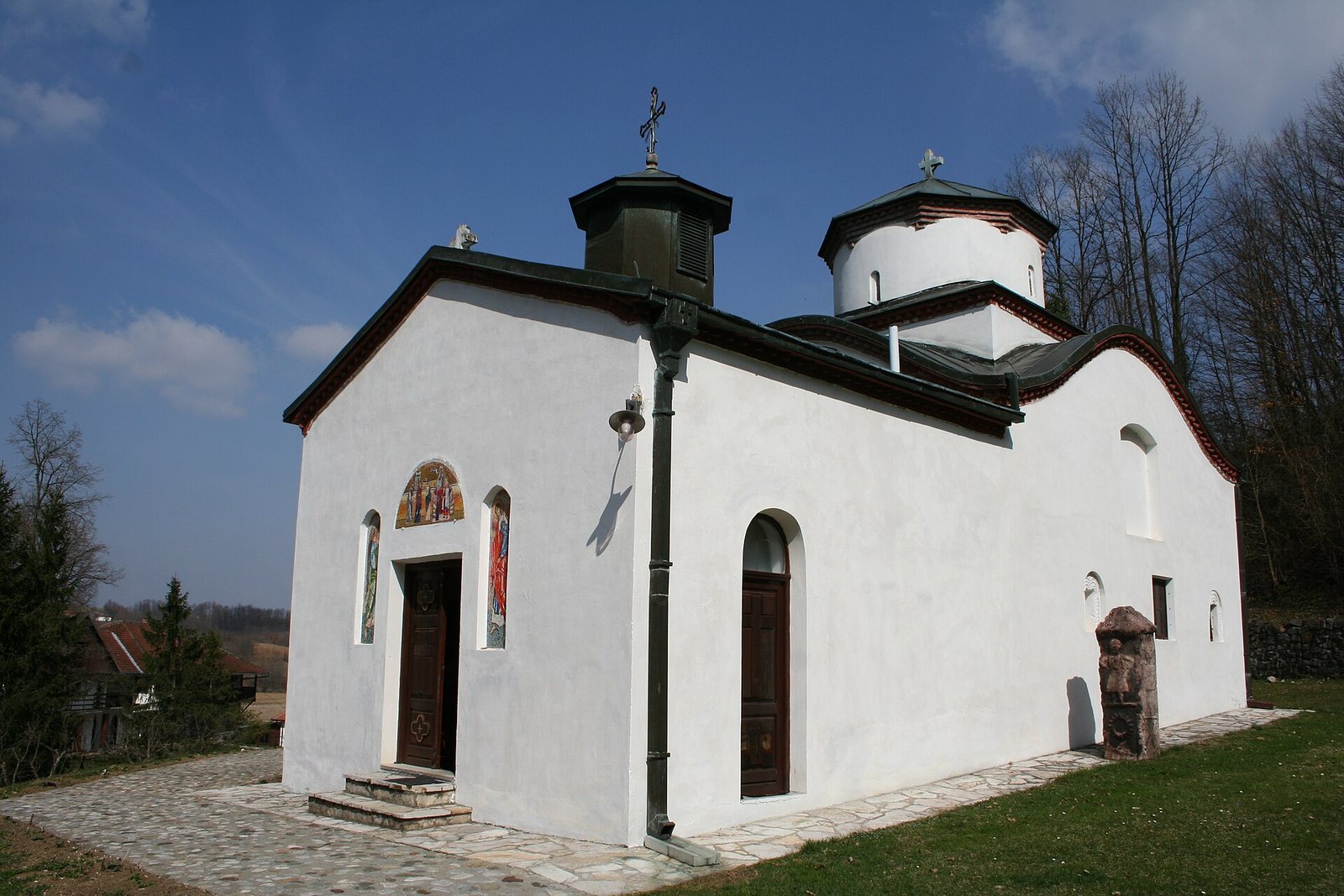
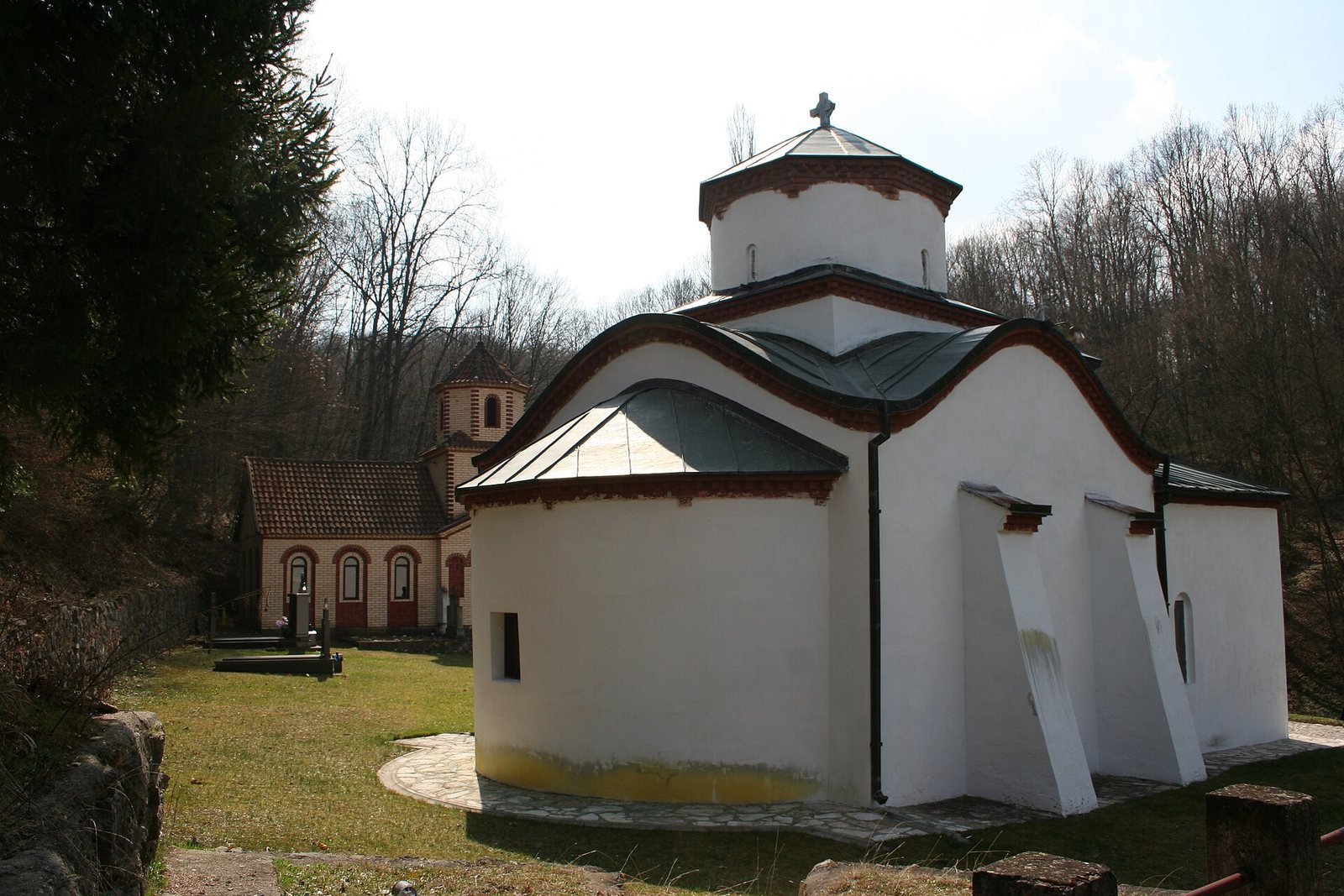
The stone church has a single main hall and an externally semicircular apse, or rounded projection. A dome rests on a cylindrical drum that supports it, carried by substantial pilasters, shallow supports attached to the walls. The roof edges have a curved, wave-like profile, and rudimentary braided patterns are carved into the stone sides of the windows.
Later additions
Massive buttresses along the north facade reinforce the building. A modest entrance area, or narthex, was built in front of the church in the mid-20th century.
Stone monuments and church furnishings
Two medieval stećci, monumental tombstones associated with parts of the western Balkans, are linked to the church. One stands beside its south facade, while the other supports the altar table. Several icons from the former icon screen, or iconostasis, remain in the church. Their emphatic drawing and expressive style are attributed to conservative painters associated with either Teodor Stefanović Glogovac, an icon painter, or Hadži-Ruvim, a Serbian Orthodox monk and artist. The principal throne icons appear to have been given to the new church at Miličinica in 1791, while another group is believed to have come to Dokmir that year from the Church of St George at Miličinica.