Divša Monastery: A Serbian Orthodox Monastery in Serbia


Site at a Glance
- Rating
- 4.9
- Popularity
- Low
- Country
- Serbia
- Primary era
- Classical
- Eras represented
- Classical, Early Modern
- Civilizations
- Habsburg, Ottoman
- Site type
- Religious
- Remains
- Monastery
On this page14 sections
History
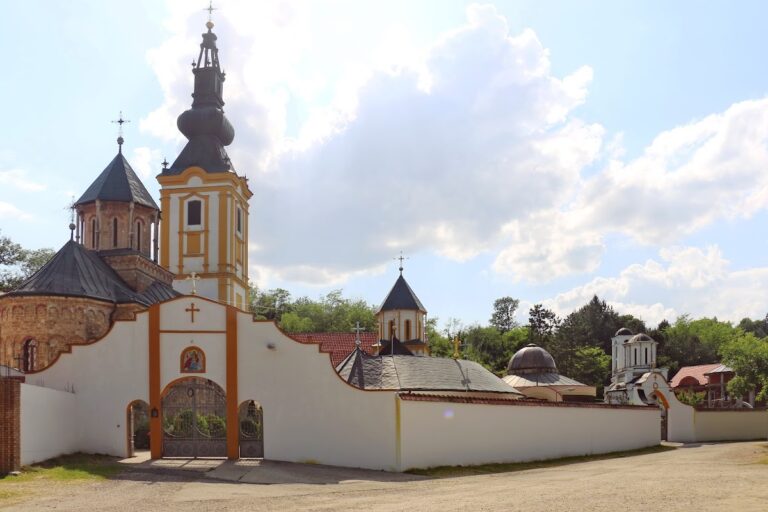
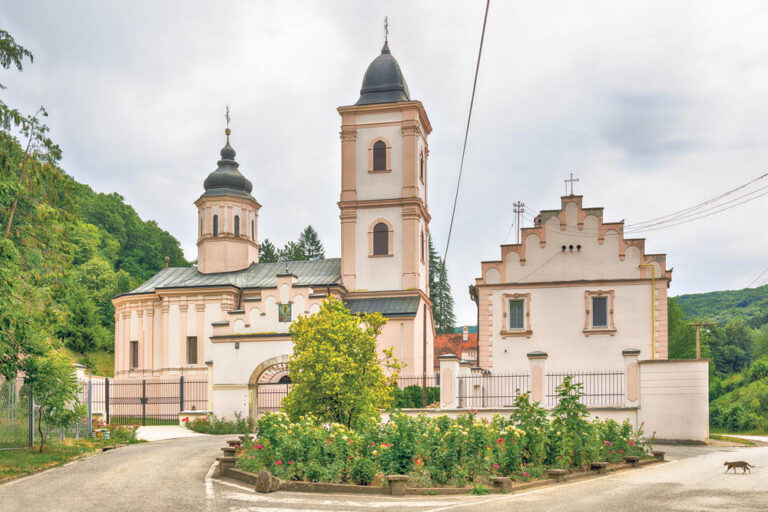
Divša Monastery, also known as Đipša, is a Serbian Orthodox monastery in Serbia, located on the western slopes of Fruška Gora in Srem between Vizić and Divoš. Traditionally attributed to the late-fifteenth-century Serbian despot Jovan Branković, it became part of the Fruška Gora monastic group, and its church was probably built in the sixteenth century.
Foundation and early records
Jovan Branković was a late medieval Serbian despot and a member of the Branković ruling family. Tradition connects him with Divša’s foundation, although the first reliable written references date from 1566 to 1569. The monastery is not mentioned in surviving seventeenth-century records.
In 1706, Austrian documents described Divša as a metoch, a dependent monastic estate administered by a larger monastery, belonging to Kuveždin Monastery about five kilometres to the east. Divša remained under Kuveždin’s administration for the following period. Although it was a modest dependency, its monastic community owned several hundred jutars, a traditional South Slavic unit of agricultural land. A small settlement grew beside the monastery, and its inhabitants worked the monastic fields.
Restoration and expansion
The old church was restored in 1744 through the patronage of Petar Jovanović, a resident of Novi Sad. In 1764, the hermit Matej supported the construction of a new narthex, an entrance vestibule on the western side of a church, together with a bell tower. A chapel dedicated to the Protection of the Most Holy Mother of God was established above them, and construction of the monastery residence began at about the same time.
Divša was deserted from 1913, or from the beginning of the First World War, until 1922. An abbot then revived its activity, and in 1923 the monastery became independent. In 1933 it was returned to Kuveždin, which had become a women’s monastery, and Divša consequently also became a women’s monastery. Five nuns lived there before the Second World War.
Wartime destruction and renewal
During the Second World War, under the occupation and terror of the Independent State of Croatia, Divša was burned and severely damaged in 1944. The church was destroyed, the bell tower was demolished with explosives, the monastery buildings suffered heavy damage, and the iconostasis was dismantled and removed. The monastery became deserted during the war.
The adjacent settlement was burned and destroyed, and its surviving inhabitants moved to Erdevik. The forester’s house was demolished, the fence was removed, and the well was filled in. Forty Serbs were shot and buried, and several graves remain in the churchyard.
The church was restored during the 1970s, although the bell tower was not rebuilt because it was considered impossible to restore. Women’s monastic life was re-established in 1980, after which the monastery entered a gradual process of restoration. Divša is protected as an immovable cultural monument of exceptional importance in Serbia. Early twentieth-century descriptions called it the only “silent” Fruška Gora sanctuary.
Remains
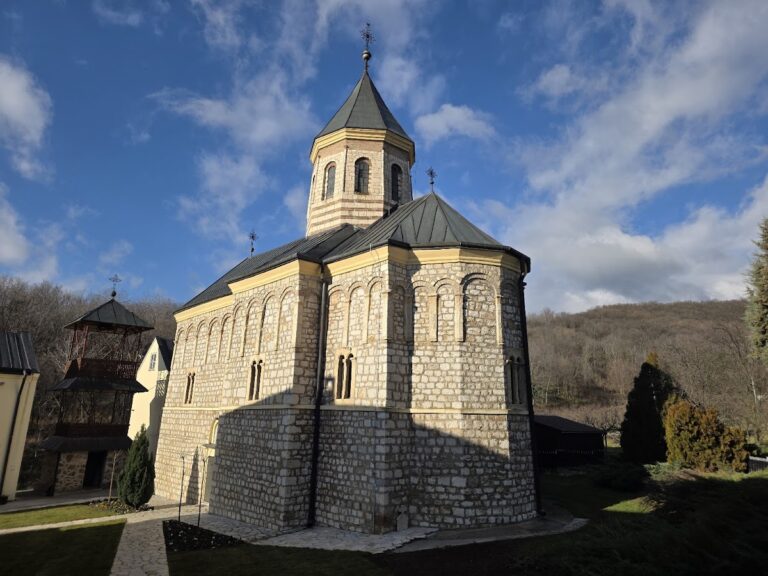
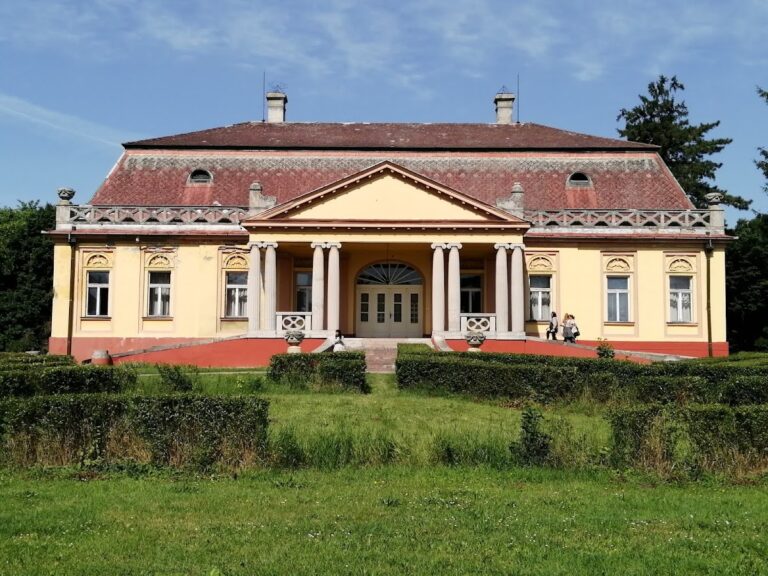
The surviving monastery is organized around Saint Nicholas Church and a two-storey residence to its north. The church is dedicated to the Feast of the Translation of the Relics of Saint Nicholas. Its earlier form had a cruciform plan, meaning that its principal spaces were arranged in the shape of a cross. The original building was probably wooden; a later structure of brick and stone was probably erected in the sixteenth century and restored in 1744.
Church and monastery residence
Saint Nicholas Church
The church preserves the history of several building phases. The brick-and-stone structure followed an earlier probable wooden church, while the narthex and bell tower added in 1764 extended the western side. The chapel dedicated to the Protection of the Most Holy Mother of God was placed above this entrance and tower arrangement. The bell tower was destroyed by explosives in 1944 and was not reconstructed; the church itself was restored during the 1970s.
Monastery residence
The monastery residence began to be constructed around the time of the 1764 additions. The present residence is a two-storey building positioned north of the church. Both the church and the residences were modestly built, reflecting Divša’s former status as a dependency of Kuveždin.
Interior and surviving objects
Iconostasis
The church’s iconostasis, the screen separating the sanctuary from the main worship space in an Eastern Orthodox church, was carved in Novi Sad in 1751. Teodor Stefanović Gologlavac painted it in 1753 and 1754. During the Second World War it was dismantled and removed. Surviving sections were first transferred to Kuveždin Monastery and later to the Museum of Srem.
Four Gospels manuscript
A Four Gospels manuscript written in the late fifteenth or early sixteenth century was preserved at Divša. Its presence forms part of the monastery’s surviving record of early religious and literary activity.
Former grounds and wartime remains
Settlement and agricultural grounds
A small settlement once stood beside the monastery, supporting the community that worked its several hundred jutars of land. The settlement and the forester’s house were destroyed during the Second World War. The former fence was removed, and the well was filled in.
Churchyard graves
Several wartime graves remain in the churchyard. They relate to the forty Serbs who were shot and buried during the destruction of the monastery and its neighboring settlement in 1944.
Nearby sites