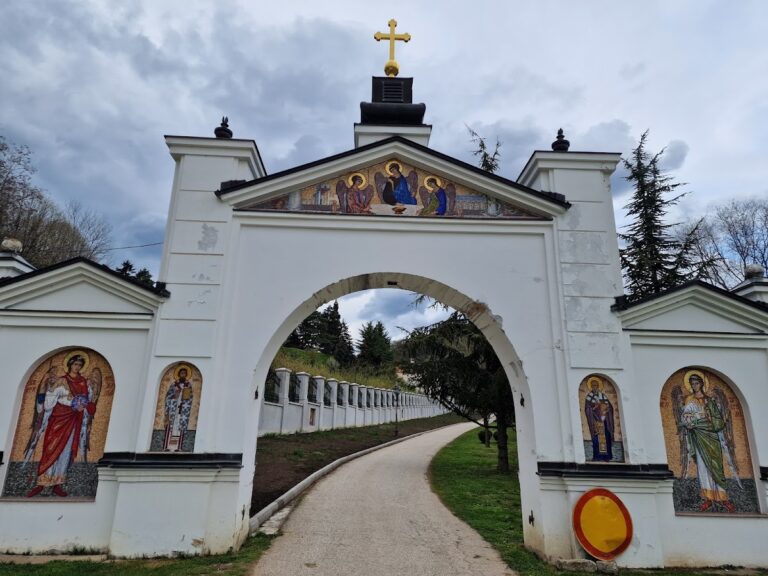
Rakovac Monastery: A Serbian Orthodox Monastery in Fruška Gora
Site at a Glance
- Rating
- 5
- Popularity
- Very Low
- Country
- Serbia
- Primary era
- Early Modern
- Eras represented
- Early Modern, Modern
- Civilizations
- Habsburg, Serbian
- Site type
- Religious
- Remains
- Monastery
On this page8 sections
History
Rakovac Monastery is a Serbian Orthodox monastery in Rakovac, Serbia, on the northern side of Fruška Gora in Vojvodina, about 10 kilometers from Novi Sad. Traditionally founded in the late fifteenth century, it is generally thought to have been established during the first half of the sixteenth century. Dedicated to the Holy Healers Cosmas and Damian, Christian physician saints associated with healing, the monastery belongs to the Srem Diocese and is now a women’s monastery.
Foundation and early history
Tradition attributes the monastery’s foundation, often dated to 1498, to Raka Milošević, chief chamberlain of Despot Jovan Branković. A Serbian despot was a ruler of the Serbian Despotate in the late fifteenth century. According to the foundation story, Milošević killed a deer at the site and vowed to establish a monastery as penance. The deer was understood in Christian tradition as a symbol of solitude and the purity of monastic life.
The exact construction date remains uncertain, although 1533 is regarded as the most likely date for the monastery’s establishment. The earliest surviving historical references date from 1545 and 1546, when Ottoman officials listed Rakovac in a taxation survey of Srem.
Literary activity and wartime destruction
During the seventeenth century, Rakovac developed into an important center of literary work and translation. Ottoman troops burned the monastery in 1687. In 1692, Abbot Teofan received permission to rebuild it, and restoration continued in 1692 and 1693 with assistance from Russia after the Ottoman withdrawal from Srem.
The monastery also remained connected with religious and literary activity in later centuries. Between 15 July 1745 and 3 April 1746, the Rakovac hieromonk Silvester, an Orthodox monk ordained as a priest, travelled as a pilgrim to the Holy Land and Jerusalem and wrote an account of the journey. The painter Christofor Zhefarovich accompanied him and two other Rakovac monks for part of the route, as far as Thessaloniki.
In 1817, the community included Abbot Prokopije Bolić, an archimandrite, or senior monastic official, Sinesije Kosanić as deputy, and the hieromonk Bogomil Kovačević. All three were listed as subscribers to a book by Milovan Vidaković. In 1893, the bones of Metropolitan Vicentije Jovanović of Belgrade-Karlovci were placed in the wall of the monastery chapel through the efforts of Georgije Branković, then Metropolitan of Karlovci and Serbian Patriarch.
Rakovac suffered further damage during the twentieth century. In the First World War, it was looted and its bells were confiscated for military use. During the Second World War, the church and bell tower were mined after a Partisan printing press was discovered at the monastery. The library and archives were destroyed in 1943.
Restoration and protection
A restoration campaign began in 1953 with the aim of returning the monastery to its earlier appearance. The church was largely restored during the 1990s, while construction and restoration of the residential quarters began in 2003 through donations. Before the Second World War, the monastery administration had also donated land for a planned children’s convalescent facility organized by the teachers’ association of the Stara Pazova district.
Rakovac was declared a Monument of Culture of Exceptional Importance in 1990 and is protected by the Serbian state.
Remains
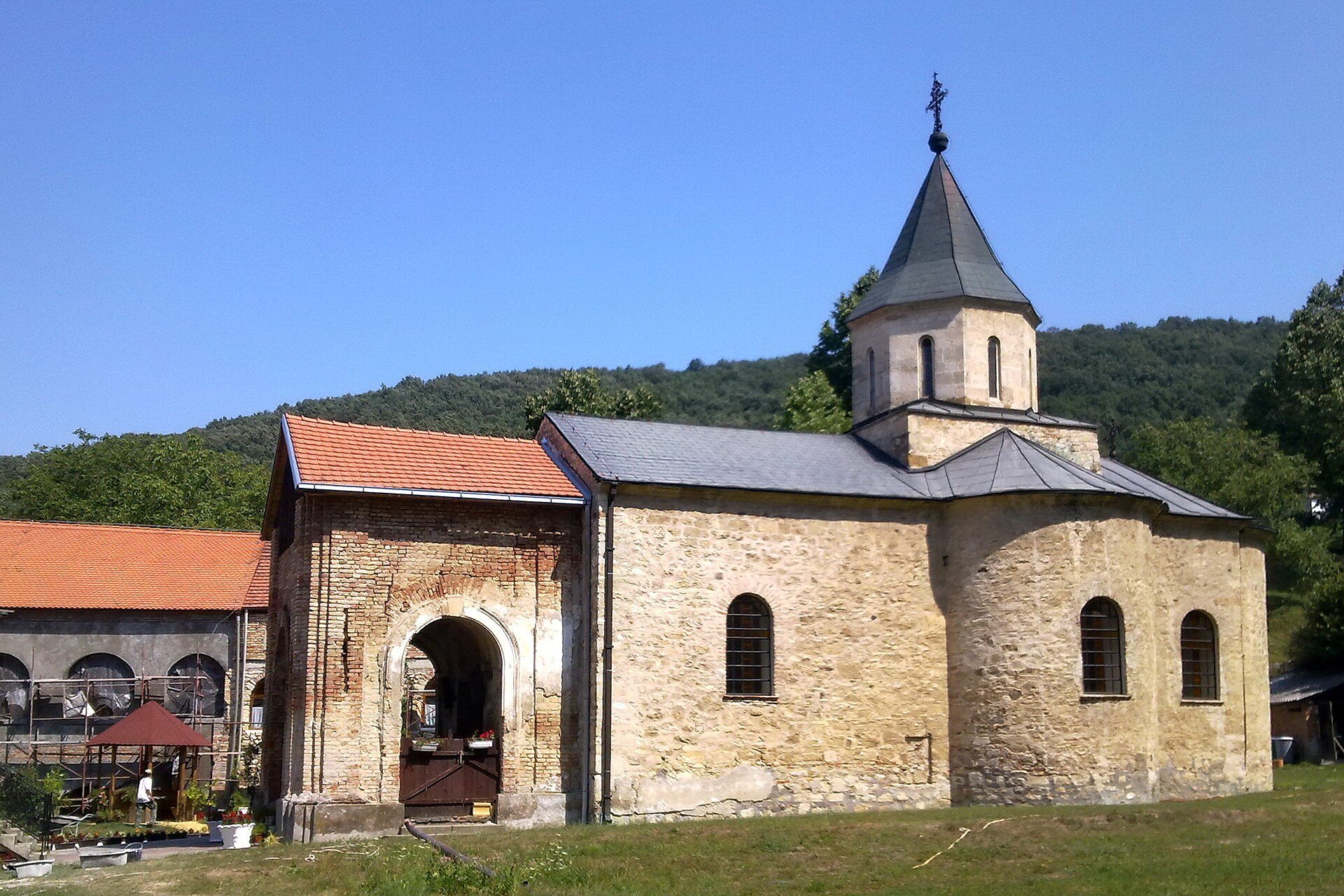
The monastery church
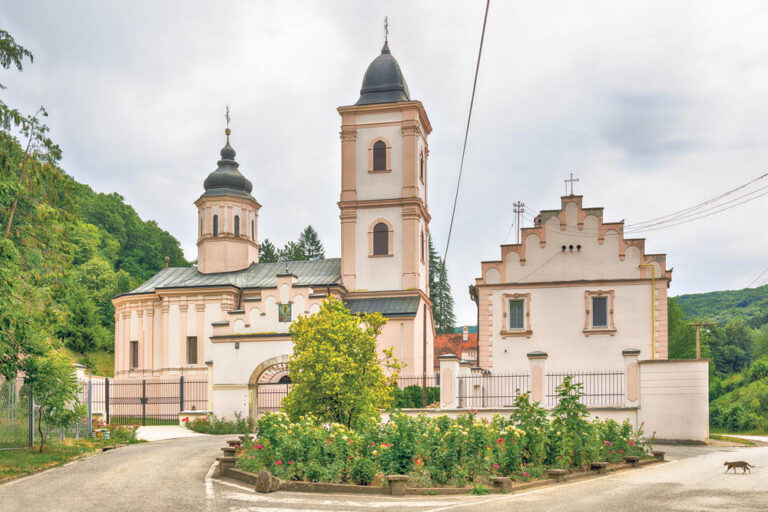
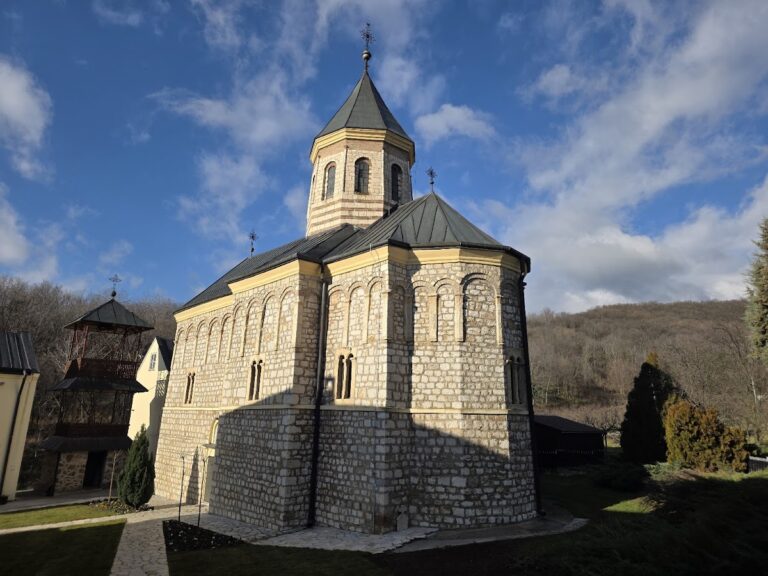
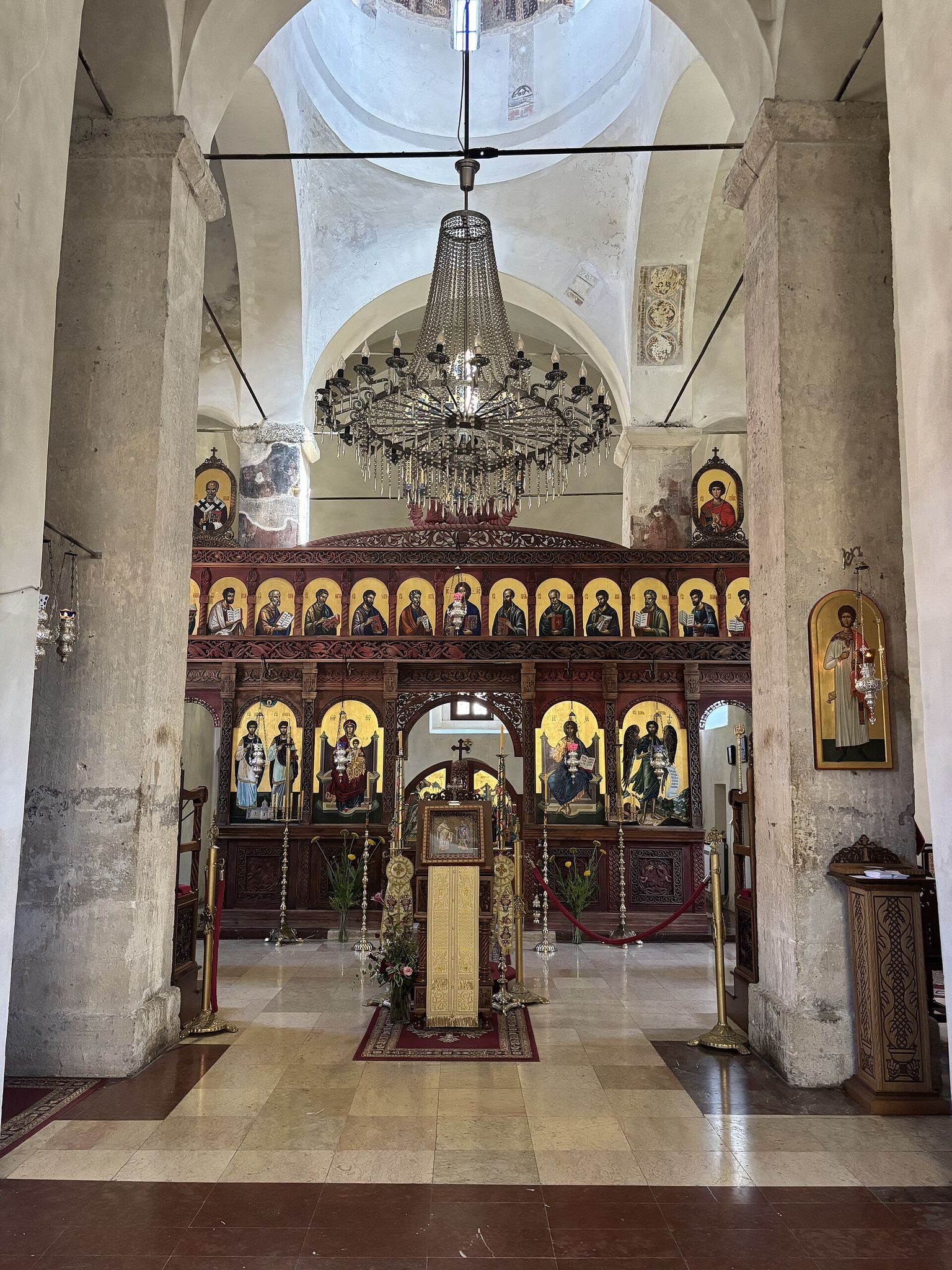
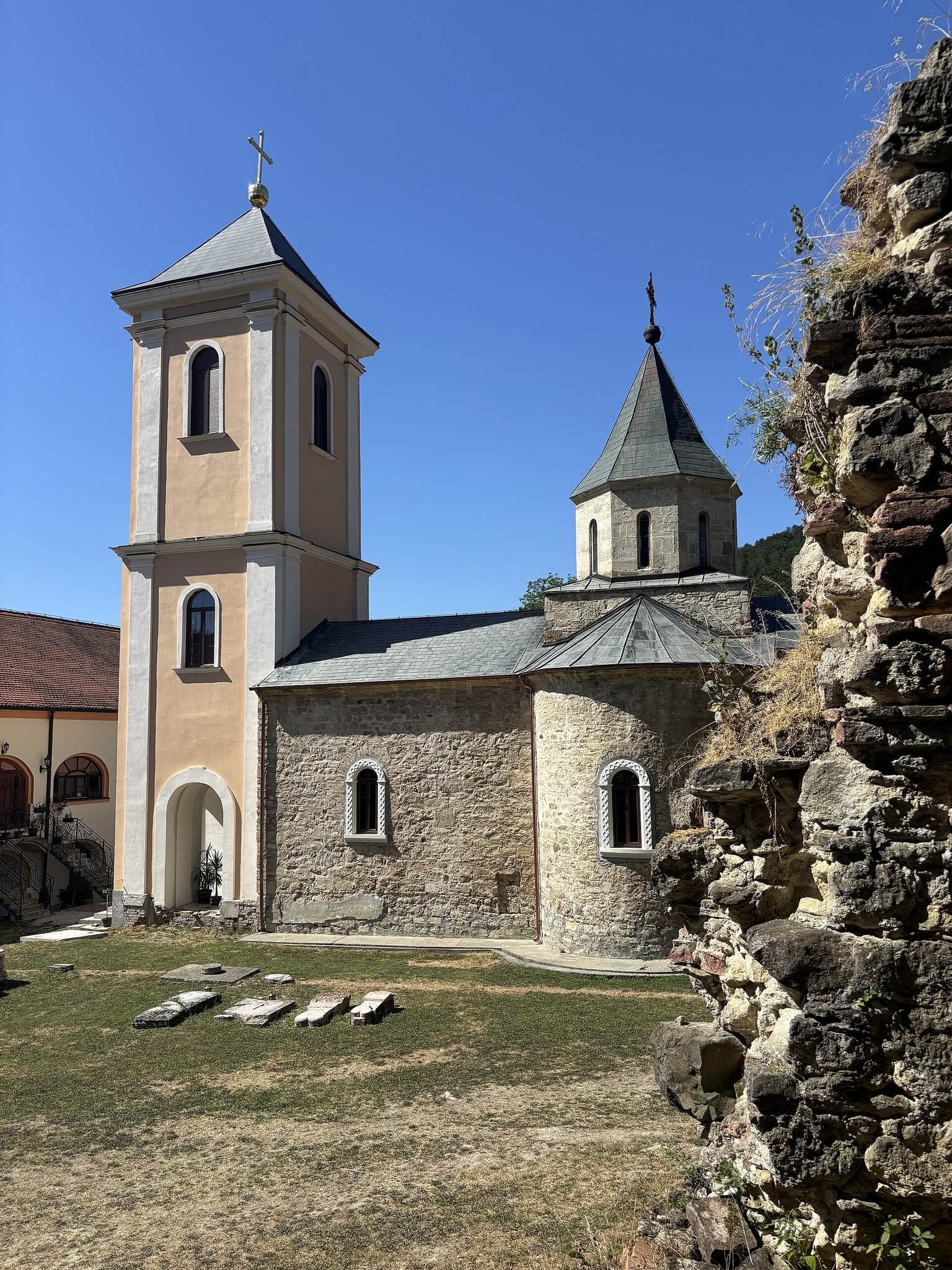
The church is a stone-built, single-nave structure arranged on a cross-shaped plan. Four pillars support its dome. Its design reflects the Morava architectural tradition, a late medieval Serbian church style known for centralized plans and decorative stonework, while Baroque elements were added to the complex in a later period. Fragments of wall frescoes from the first half of the sixteenth century survive inside the church. A fresco is a wall painting made as part of an architectural interior.
The church’s Baroque iconostasis, the decorated screen separating the sanctuary from the main worship space in an Eastern Orthodox church, was painted by Vasilije Ostojić of Novi Sad in 1763. It was destroyed during the Second World War, and three of its icons survive in Novi Sad and Sremska Mitrovica. A newer iconostasis now stands in the church.
Residential and communal buildings
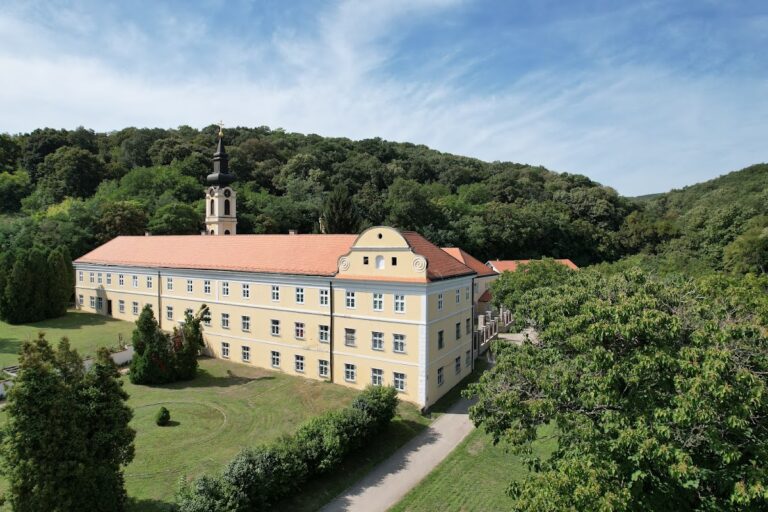
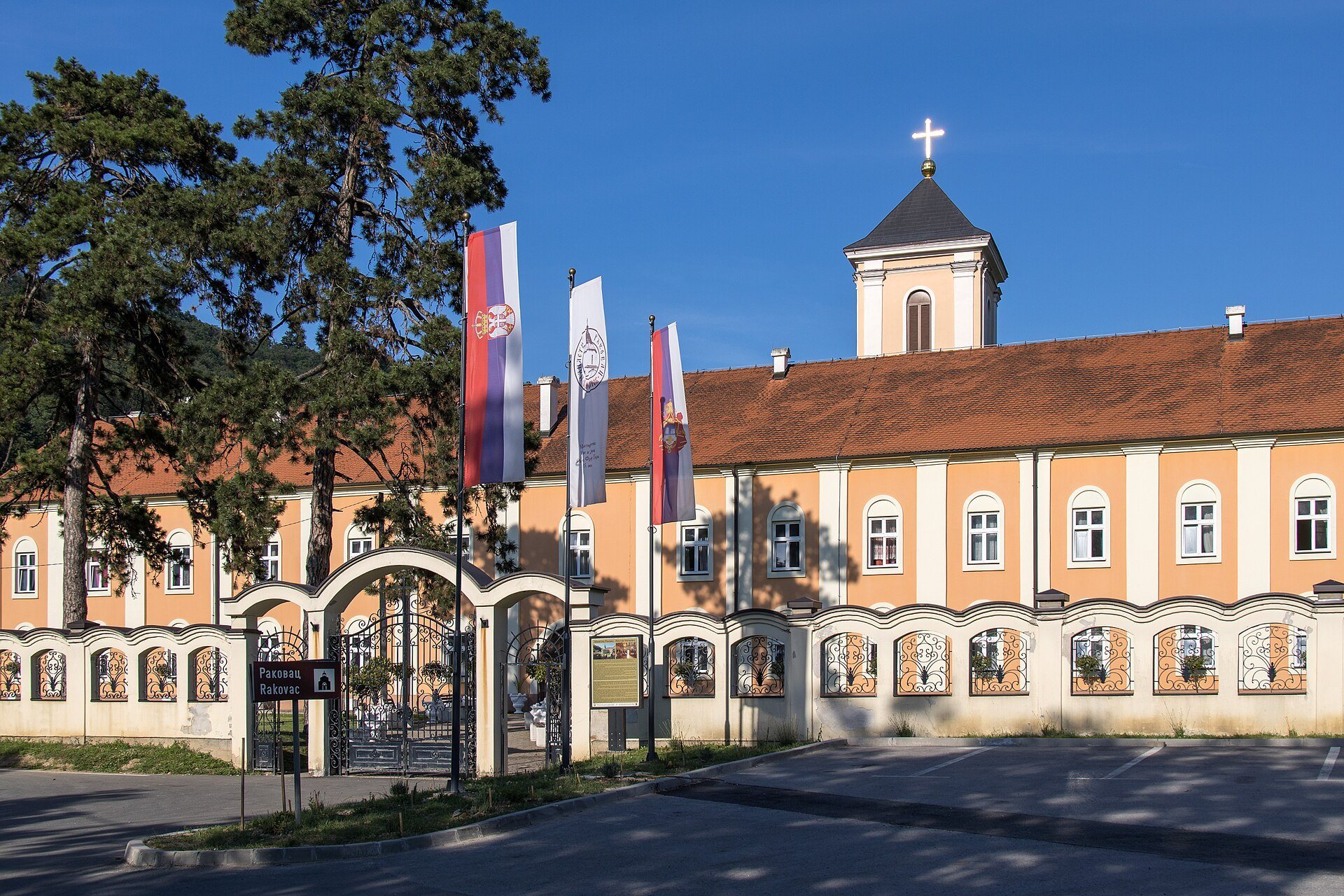
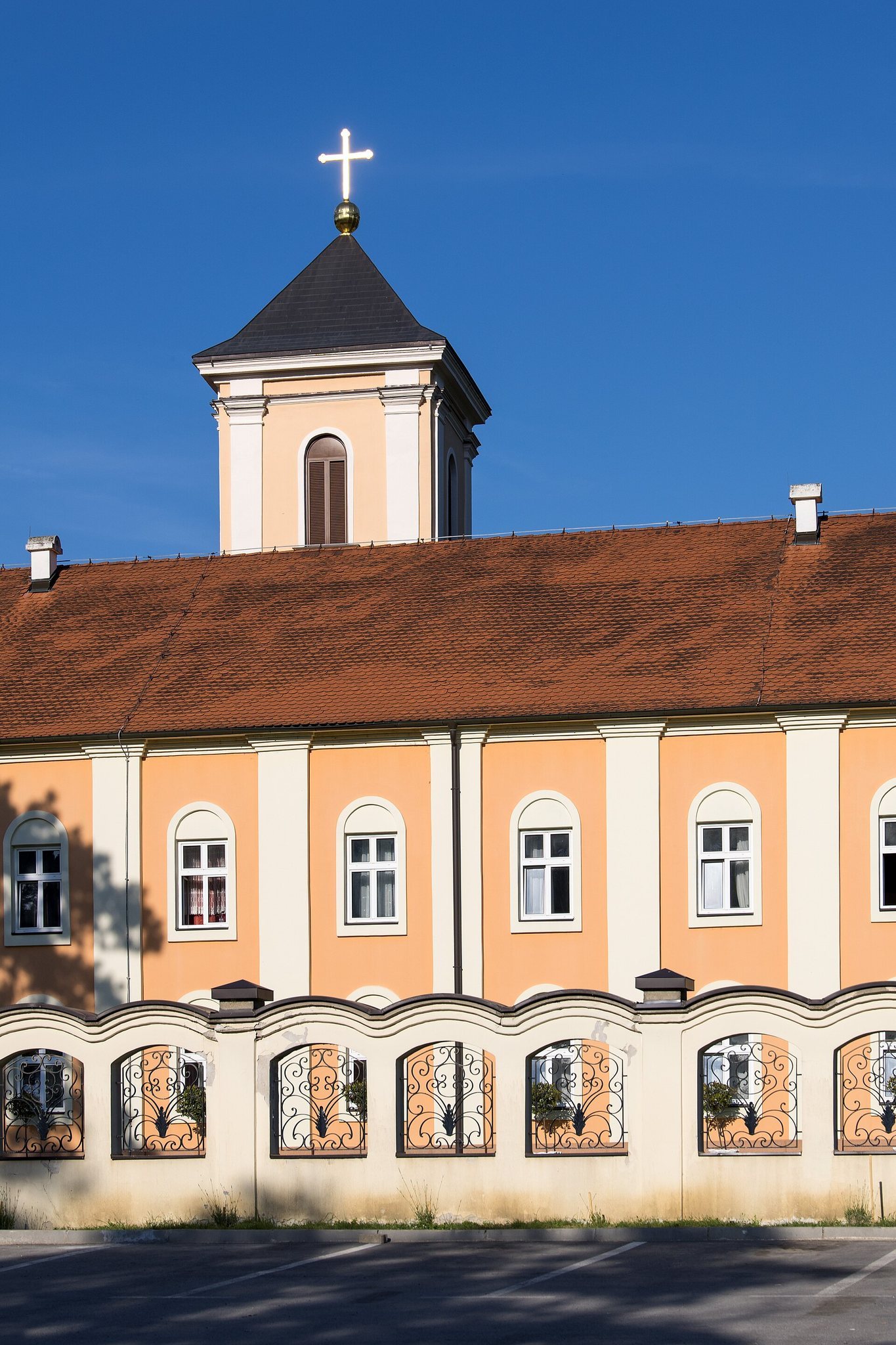
A Baroque bell tower was added to the monastery in 1735. New brotherhood quarters were built between 1736 and 1742, and the residential building reached its final three-range form in 1771. The refectory, the monastery’s communal dining hall, contains wall paintings made by Amvrosije Janković in 1768.
Cemetery chapel
A small chapel was built in the monastery cemetery in 1751. In 1893, the bones of Metropolitan Vicentije Jovanović were deposited within the chapel wall, giving the structure a commemorative role within the monastery complex.