Mala Remeta Monastery: A Serbian Orthodox Monastic Complex in Serbia
Site at a Glance
- Rating
- 5
- Popularity
- Very Low
- Country
- Serbia
- Primary era
- Early Modern
- Eras represented
- Early Modern, Modern
- Civilizations
- Habsburg, Serbian
- Site type
- Religious
- Remains
- Monastery
On this page10 sections
History
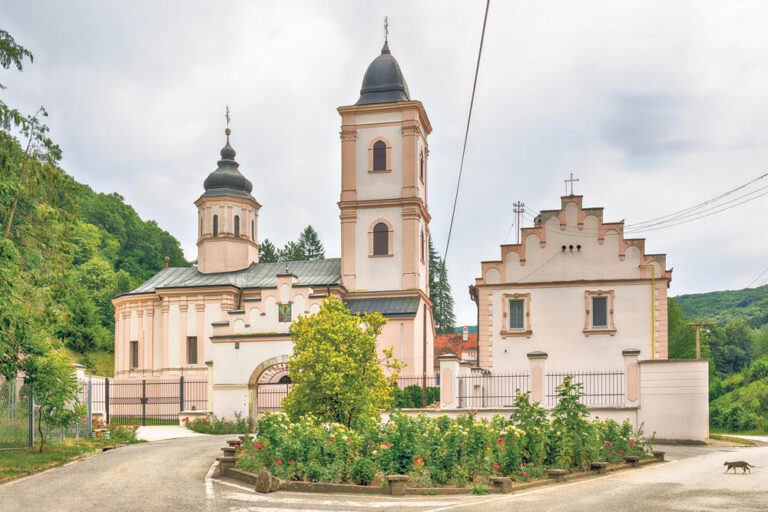
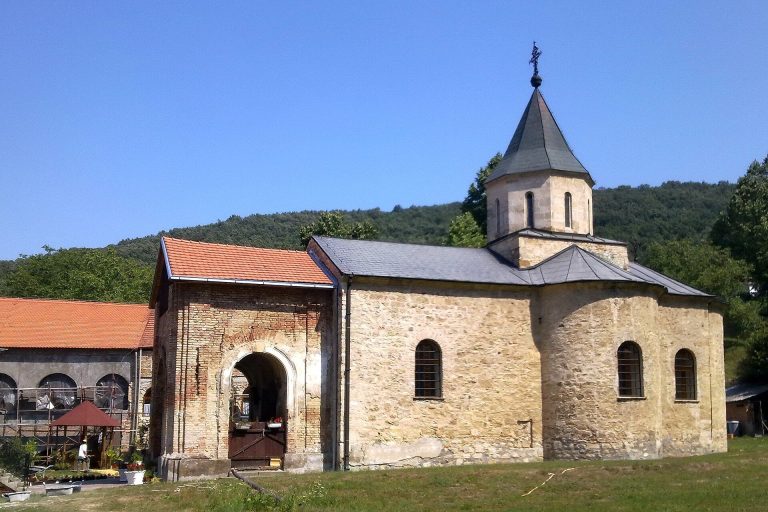
Mala Remeta monastery, also known as Remetica, is a Serbian Orthodox women’s monastery in Serbia, beside the village of Mala Remeta in Fruška Gora. Its church is dedicated to the Protection of the Mother of God, and the monastery belongs to the Srem Diocese, the regional ecclesiastical jurisdiction of the Serbian Orthodox Church. The name Mala Remeta means “Small Desert.” The present church was built in 1739, and the monastery is protected as a Serbian cultural monument of exceptional importance and as an immovable cultural property.
Medieval tradition and early records
Tradition attributes the foundation of Mala Remeta to Stefan Dragutin, a medieval Serbian king who ruled in the late thirteenth century. A record from Beočin monastery written in 1844 states that Mala Remeta was 601 years old, a figure that could indicate a foundation in 1243. The first reliable documentary reference, however, is a Turkish document from 1546.
The monastery was burned soon after it was mentioned in that document. Refugee monks from Rača monastery on the Drina restored it at the end of the seventeenth century. From that restoration until 1920, Mala Remeta was administered as a metoch, a dependent monastic institution, of Beočin monastery. Its monastery seal also dates from the late-seventeenth-century rebuilding period.
The eighteenth-century monastery
The present church was the third church built on the site. A contract from 1738 records its construction on land belonging to Beočin monastery by the craftsmen Todor and Nikola, with Stanko Milinković as ktitor, the principal patron responsible for financing the church. In the same year, General Valis issued a protective charter for Beočin monastery that also named and protected Mala Remeta.
The monastery developed further during the eighteenth century. In 1754, Jovan Jovanović, an officer of the Petrovaradin Regiment, repaired the church interior and built a cellar beneath the stone monastic cells on its north side. His widow, Ruzica, later funded three additional cells and a small kitchen in accordance with her deceased husband’s wishes. Abbot Atanasije headed the monastery from 1749, while Venimijan Boročki was its monk-priest and supervisor in 1845. On 23 November 1738, Irinej Radić, the abbot of Hopovo, wrote a short history of Mala Remeta at Beočin monastery.
War damage and modern conservation
During the Second World War, the monastery’s lodging building and library were damaged. The roof was repaired in 2001 and 2002, and a new refectory, or communal dining hall, was built in 2005. The recorded heads of the monastery include Rafaila Marković, who served from 1969 to 2020, Fevronija Jovanović, who served from 2021 to 2024, and Nifont Pavlović, who has served since 2024.
Remains
Monastery complex
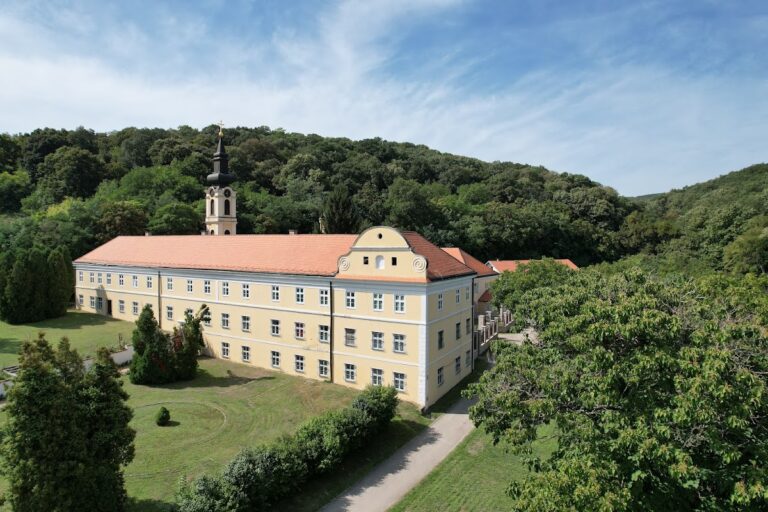
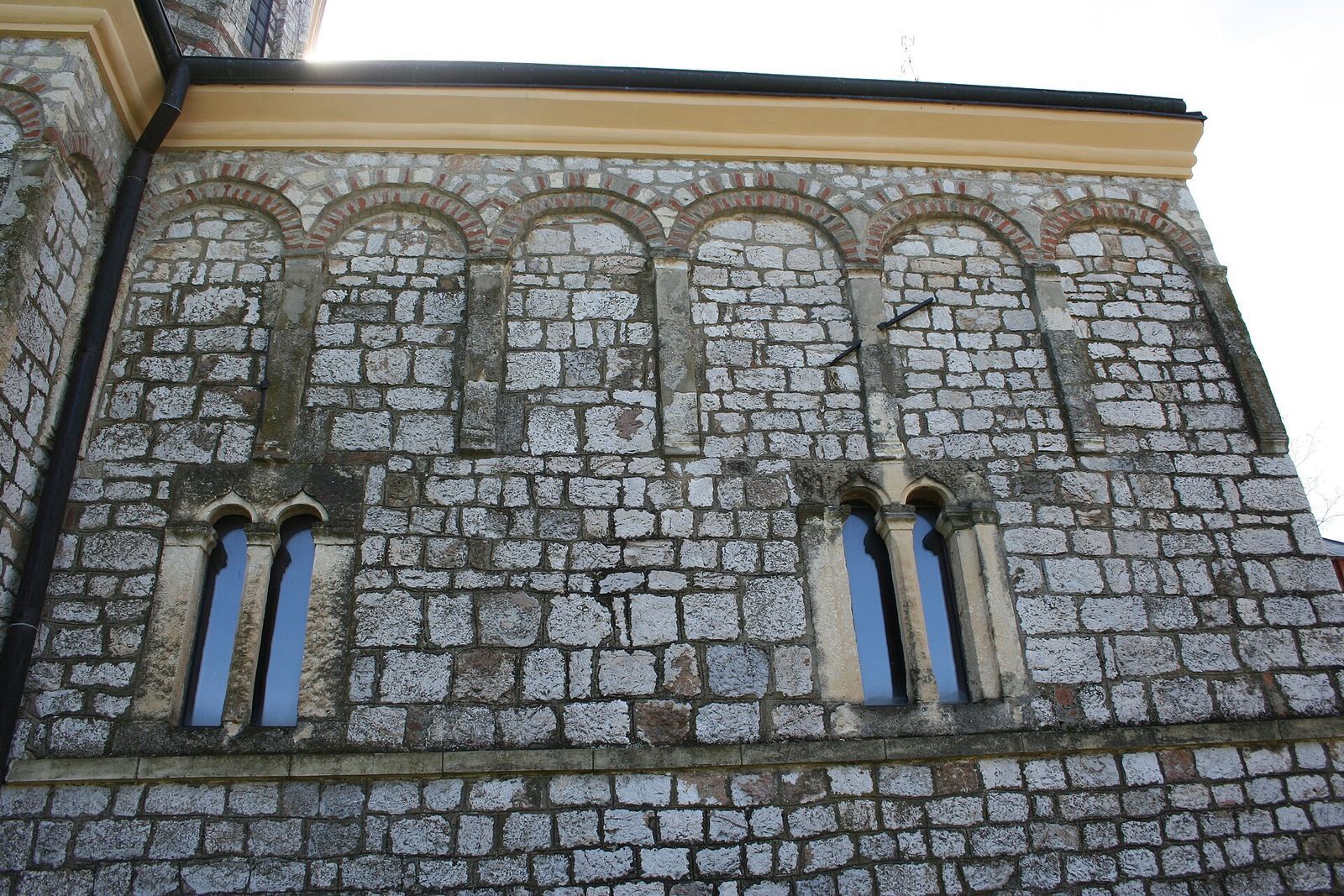
The surviving complex consists of the church, a single-wing konak, or monastic residential building, a new wooden bell tower, and a chapel. The church forms the principal historic structure, while the residential and service buildings reflect the monastery’s later expansion and continuing communal use.
Church of the Protection of the Mother of God
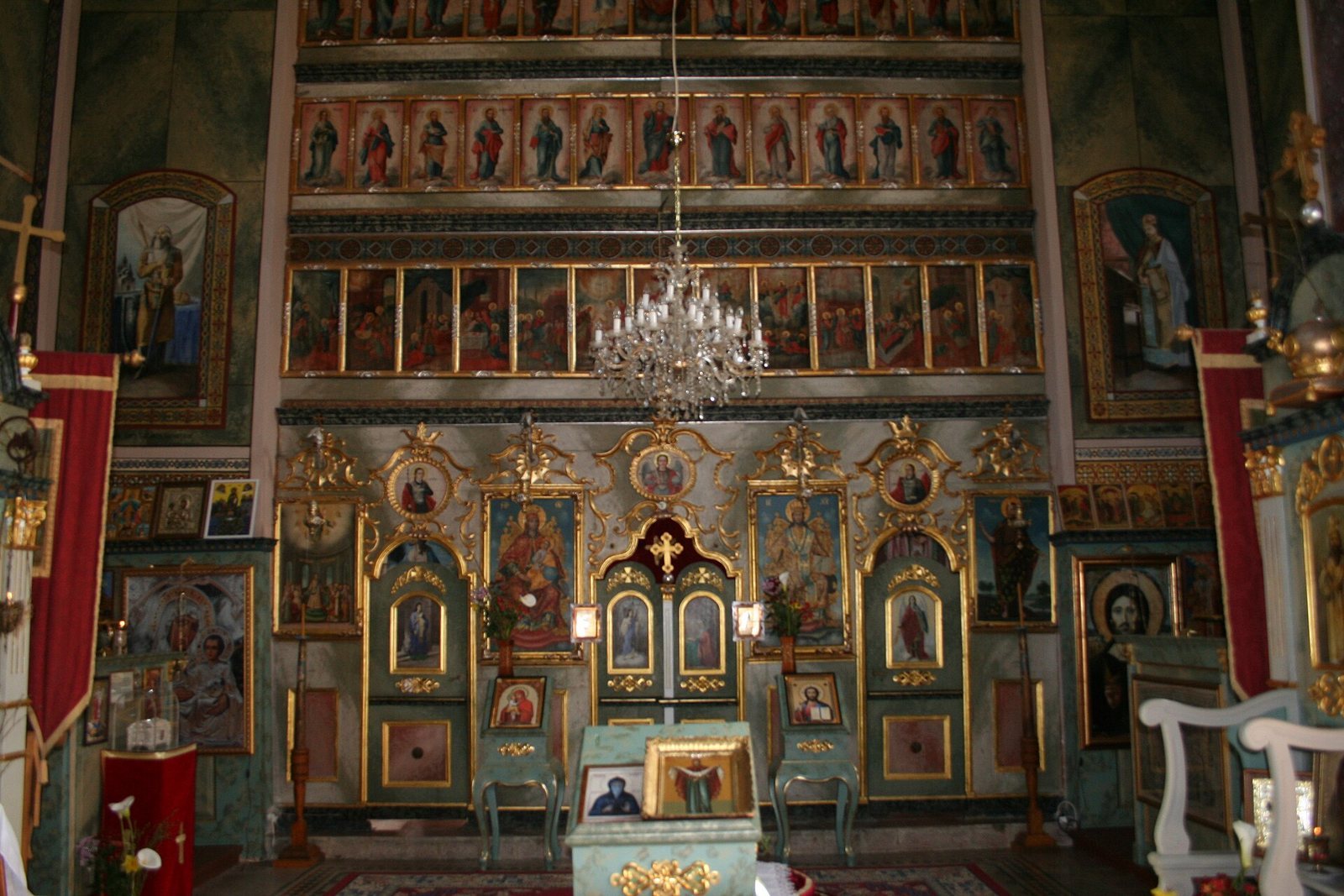
Built in 1739, the church is the third church erected at Mala Remeta. Its construction followed the 1738 contract made with Todor and Nikola, and Stanko Milinković served as its principal patron. The church’s throne icons were painted in 1759 by Janko Halkozović, an icon painter.
Cells, cellar, and service buildings
Stone monastic cells stand on the north side of the church, with a cellar beneath them built by Jovan Jovanović in 1754. Three further cells and a small central kitchen were added during the same eighteenth-century expansion. The complex also includes a single-wing konak and a refectory built in 2005.
Bell tower and chapel
A new wooden bell tower and a chapel are also part of the present monastery complex. The bell tower houses the monastery bells, while the chapel provides a smaller place of worship within the site.
Books and wartime damage
Two valuable seventeenth-century manuscript books were written and kept at Mala Remeta. The monastery library and lodging building suffered damage during the Second World War, after which the complex underwent later roof repairs and the construction of a new refectory.