Delizia di Benvignante: An Este Renaissance Country Residence
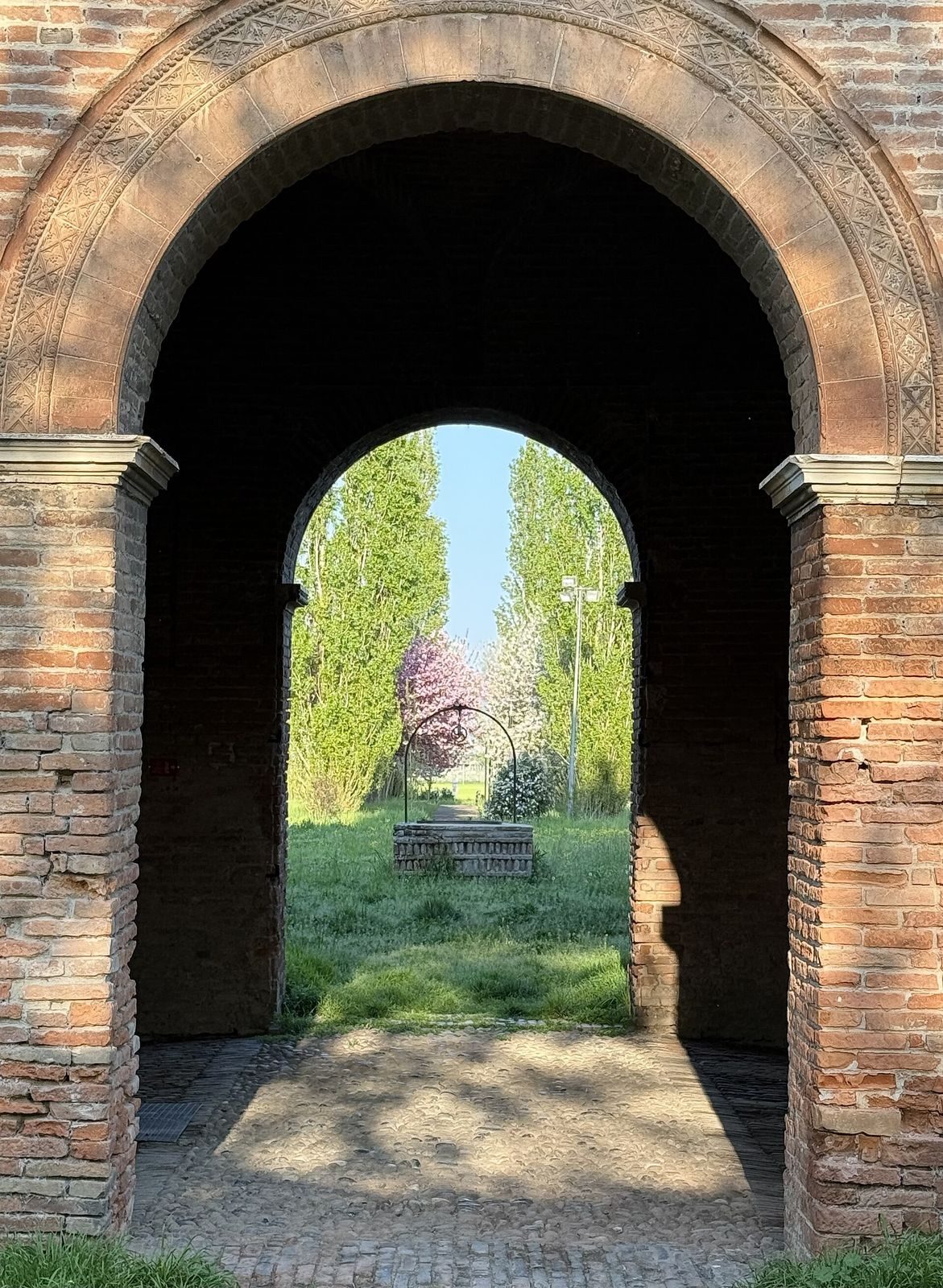
Site at a Glance
- Rating
- 4.3
- Popularity
- Medium
- Country
- Italy
- Primary era
- Medieval
- Eras represented
- Medieval, Modern
- Civilizations
- Papal States
- Site type
- Domestic
- Remains
- Elite Residence
On this page9 sections
History
The Delizia di Benvignante is an Este country residence in the hamlet of Benvignante, in the municipality of Argenta, Italy. Built in 1464 during the Renaissance, the European cultural and artistic movement spanning the transition from medieval to early modern times, it was one of the Este rulers’ monumental residences around Ferrara.
Este residence and early use
Borso d’Este, duke of Ferrara, commissioned the residence and later gave it to his secretary, Teofilo Calcagnini. Calcagnini made it available for meetings of the Accademia dei Filareti, a learned academy. Beatrice d’Este, a member of the ruling family, stayed there in 1481.
Nineteenth-century transformation
After passing from the Calcagnini family to various owners, the property was bought in the nineteenth century by Count Luigi Gulinelli, who altered the residence and its grounds. King Victor Emmanuel II, king of Italy from 1861 to 1878, visited the estate’s stables.
Municipal ownership and restoration
The property now belongs to the municipality of Argenta. In 2000, it was included with other Este residences in a UNESCO World Heritage designation. Since 2018, work has included restoration of the building and surrounding park, as well as archaeological investigations. The building remains partly restored, and further restoration is needed.
Remains
The surviving estate brings together the Renaissance residence, associated buildings, and a surrounding park.
Residence and estate grounds
Main residence
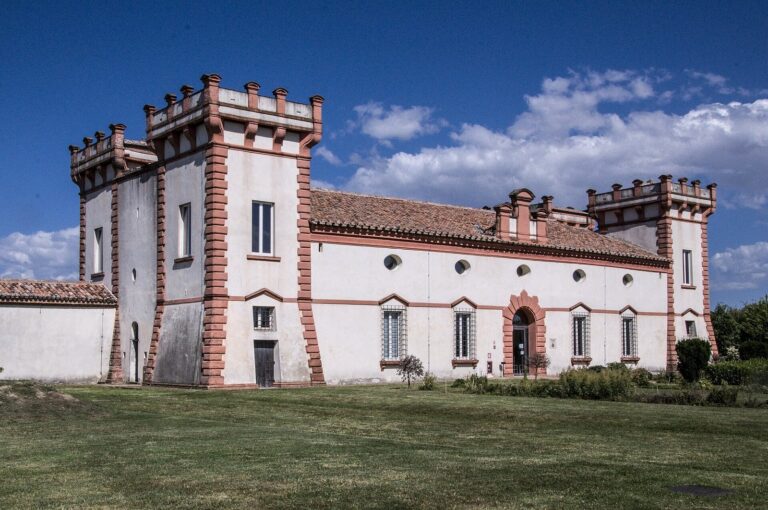
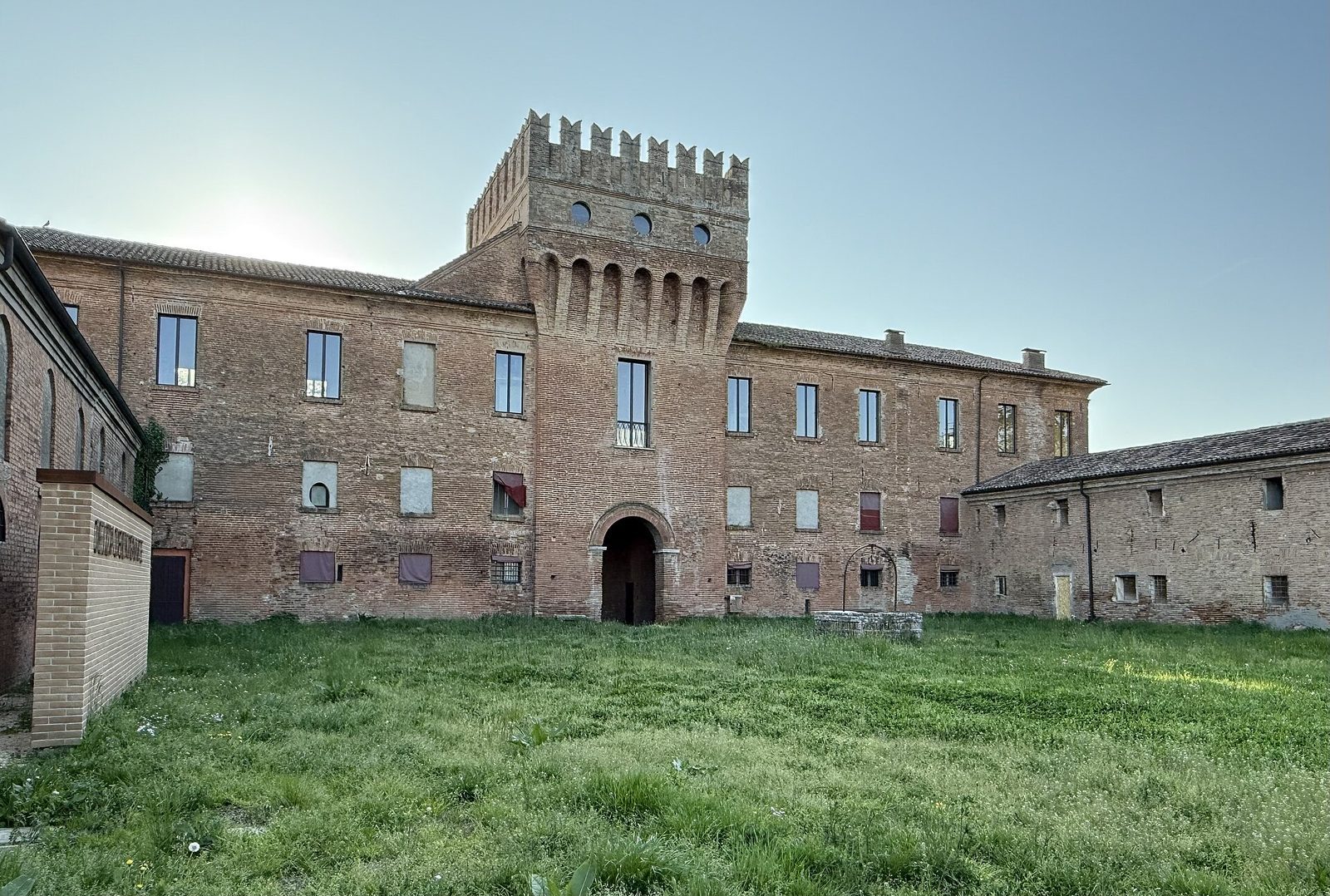
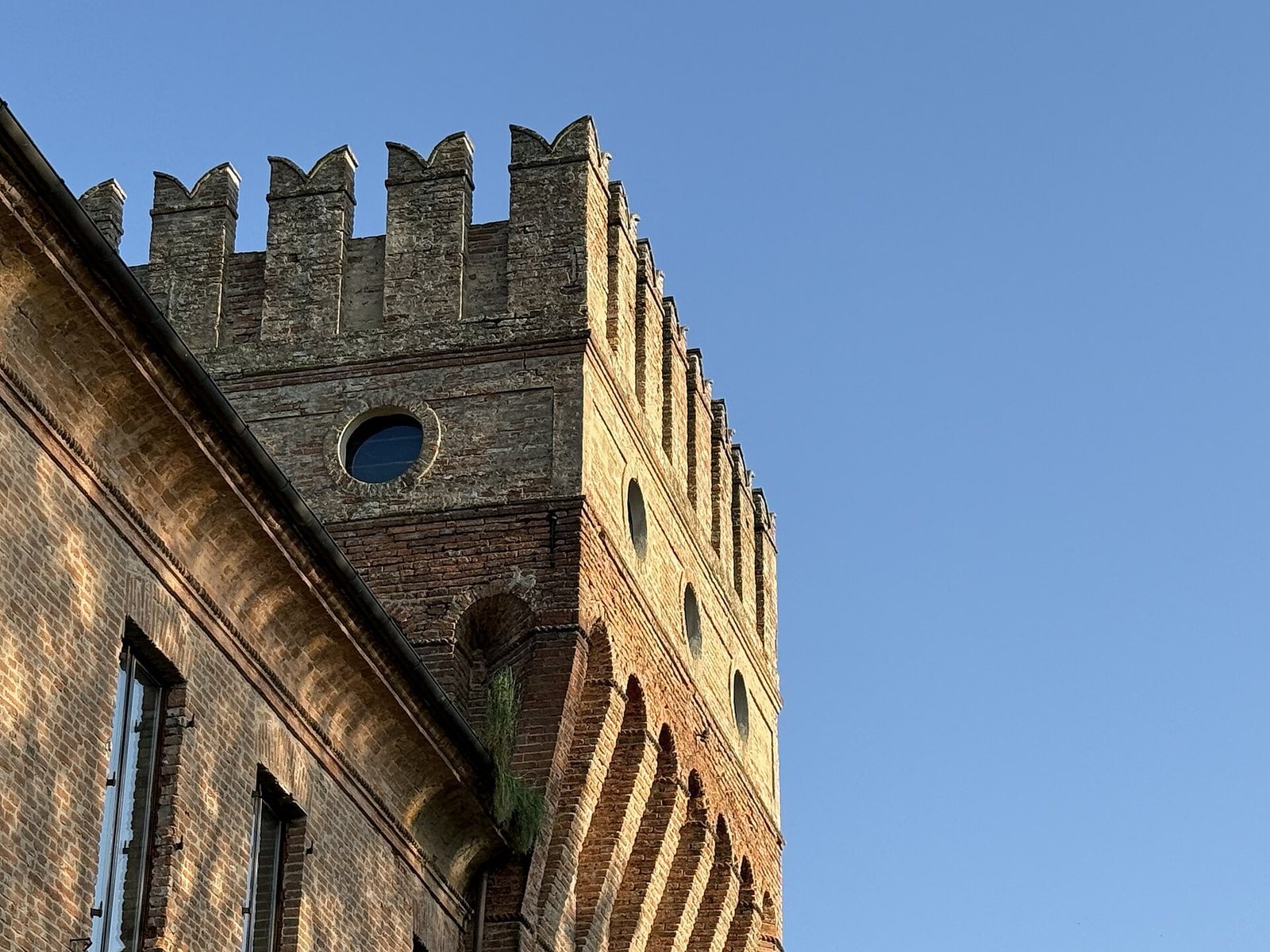
Nineteenth-century alterations raised the building and gave it a squarer, more imposing form. This reshaped exterior reflects Gulinelli’s transformation of the earlier Renaissance residence.
Park
A four-hectare park surrounds the residence. Restoration work on the grounds has formed part of the work undertaken since 2018.
Stables and entrance gate
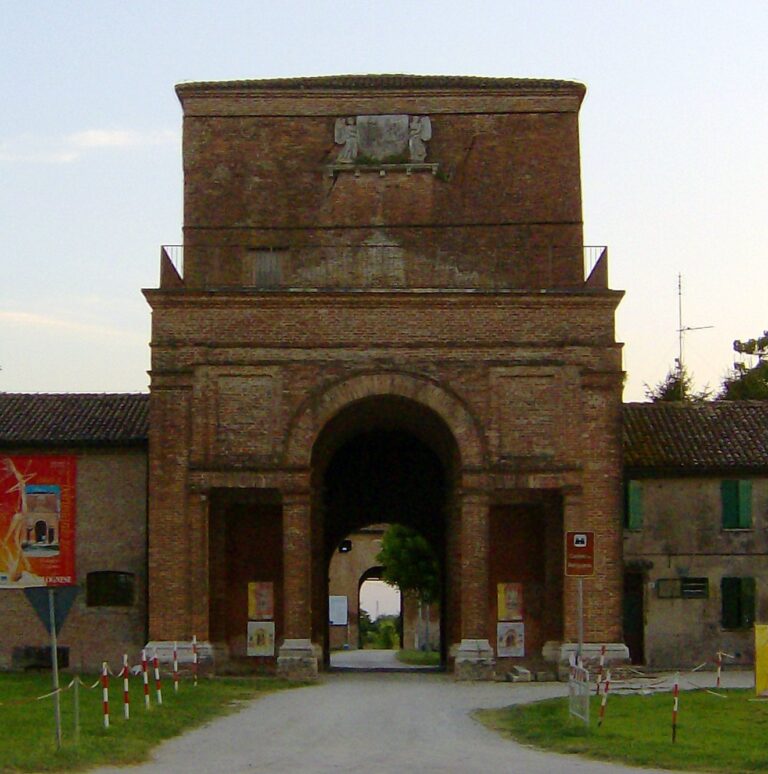
Gulinelli added stables for breeding racehorses. His coat of arms survives above the entrance gate.