Daikōji Temple (Kōka): A Tendai-Affiliated Buddhist Temple
Site at a Glance
- Popularity
- Medium
- Country
- Japan
- Primary era
- Early Modern
- Eras represented
- Early Modern, Modern
- Civilizations
- Japanese, Tokugawa
- Site type
- Religious
- Remains
- Temple
On this page10 sections
History
Daikōji Temple is an independent temple affiliated with Tendai, a Japanese school of Buddhism, in Kōka, Shiga Prefecture, Japan. Temple tradition dates its foundation to June 18, 686, when the monk Gyōki established a sanctuary on a mountain summit and placed there an image of Senju Kannon, the thousand-armed form of Kannon, a Buddhist figure of compassion. The temple was first called the Kannon Temple on Dragon King Mountain.
Heian and medieval growth
During the Heian period (794–1185), one of Japan’s principal east-coast routes, the Tōkaidō, passed through Kōka District. The temple’s position above the route helped it develop into a larger religious complex with 16 subtemples. It became known by names including Daikōji and Okakannon.
In 1109, Minamoto no Yoshitsuna, a member of the prominent Minamoto warrior clan, entered Kōka District after being accused of killing Minamoto no Yoshitada. He fought forces led by Minamoto no Tameyoshi, who had come to suppress him, and later took Buddhist vows at Daikōji. The poet and essayist Kamo no Chōmei also took vows there, in 1204. During the medieval period, the temple adopted nearby Mizuguchi Shrine as its guardian shrine and became known as the New Shrine of the Mountain King.
Destruction and the castle on the mountain
In 1574, Daikōji was caught between regional warlord Rokkaku Yoshikata, who resisted Oda Nobunaga’s campaign to unify Japan, and Nobunaga’s advancing forces. The temple burned, leaving only its Eastern Subtemple. In 1585, Nakamura Kazuuji, a retainer of the military commander Hashiba Hideyoshi, moved that surviving subtemple elsewhere and began building a castle on the mountain.
The mountain castle was abandoned during the Edo period (1603–1868), when Japan was ruled by the Tokugawa shogunate. After a new Minakuchi Castle was built in 1634, the mountain came to be called Kojoyama, or Old Castle Mountain.
Domain-era temple and later associations
In 1682, Katō Akitomo, a feudal lord with a fief assessed at 20,000 koku, a measure of rice yield used to express a fief’s size, entered the castle and established the Minakuchi Domain. The surviving Eastern Subtemple became the domain’s designated prayer temple. It received temple lands, a 600-volume copy of the Great Perfection of Wisdom Sutra, a major Mahayana Buddhist scripture, and a bell.
Around the Genroku era (1688–1704), the noted haiku poet Matsuo Bashō visited Daikōji. His travel journal, The Records of a Weather-Exposed Skeleton, includes a verse linking two lives with cherry blossoms. A monument to the verse was erected at the temple in 1795.
With the domain’s permission, the abbot moved the Eastern Subtemple to the foot of the hill in 1715, to a site then used as a domain forest. The following June, it formally took the name Daikōji of Dragon King Mountain. An inner sanctuary was also established on the summit, at the former castle site.
Modern history
A group of stone Kannon images was created on the hill behind the temple in 1919. In 1966, the dilapidated inner sanctuary was rebuilt, and Natsuka Masaie, a former lord of the castle, was enshrined there. Masaie had been forced to die by suicide after the Battle of Sekigahara in 1600, a decisive conflict that helped establish Tokugawa rule.
Two Daikōji statues designated Important Cultural Properties were missing from 2001 onward. They were located at a temple in Shinagawa, Tokyo, and in January 2018 the Otsu District Court rejected another temple’s ownership claim and ordered their return. In 2009, Daikōji acquired Enman-in at auction, with legal ownership transferred on August 20. Enman-in had formerly been one of the three monzeki temples associated with Enryakuji, a major Tendai monastery; a monzeki temple was traditionally headed by an imperial prince or another aristocratic figure.
Daikōji is the 26th station on the Ōmi Saigoku Thirty-Three Temple pilgrimage and the 22nd on the Kōka Saigoku Thirty-Three Temple pilgrimage. These circuits link temples associated with Kannon, with numbered stations marking their places in the routes. Daikōji is also known as a cherry-blossom viewing place and as one of the Eight Views of Minakuchi.
Remains
Temple precinct and hilltop sanctuary
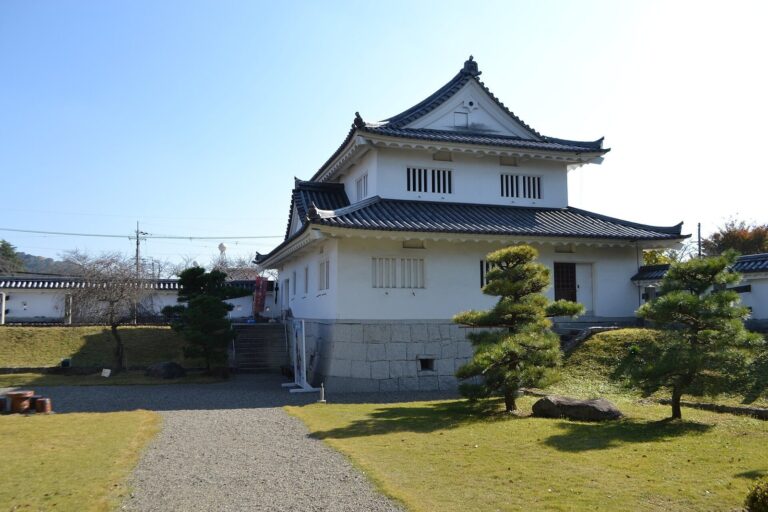
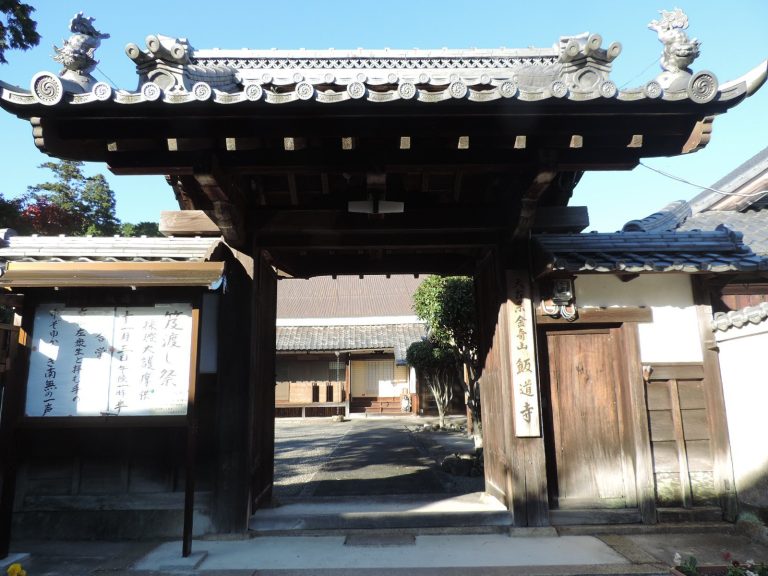
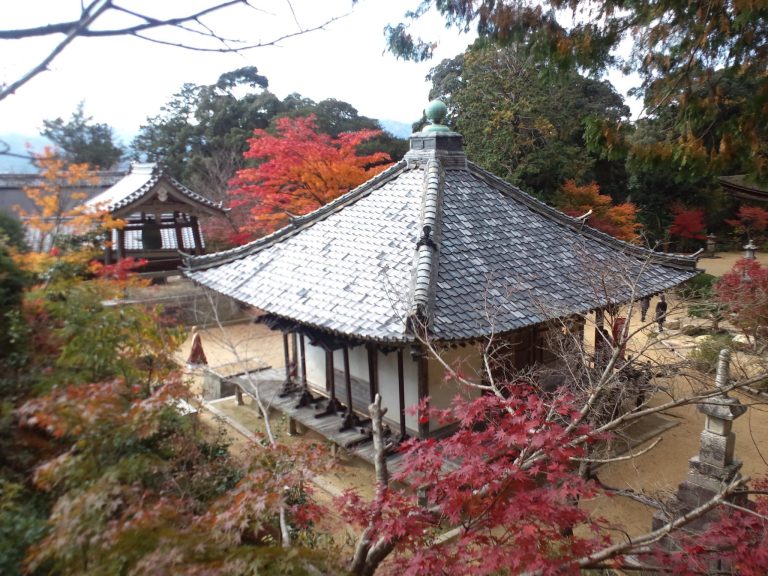
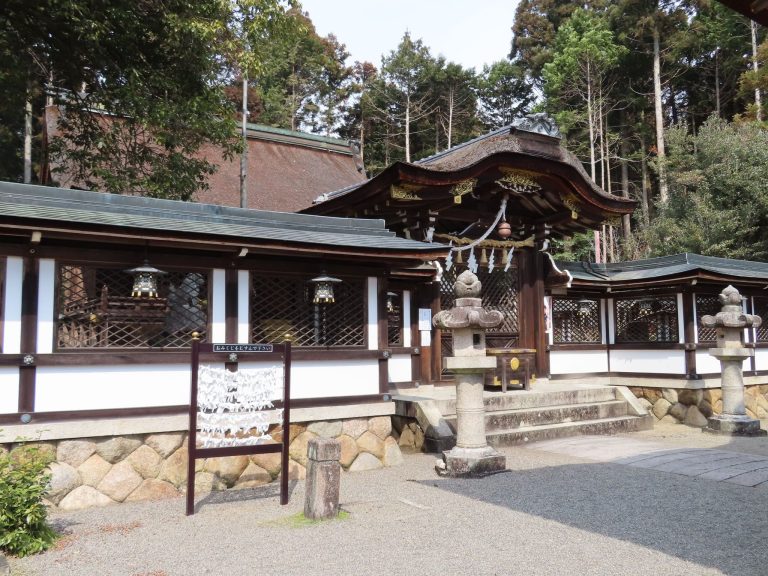
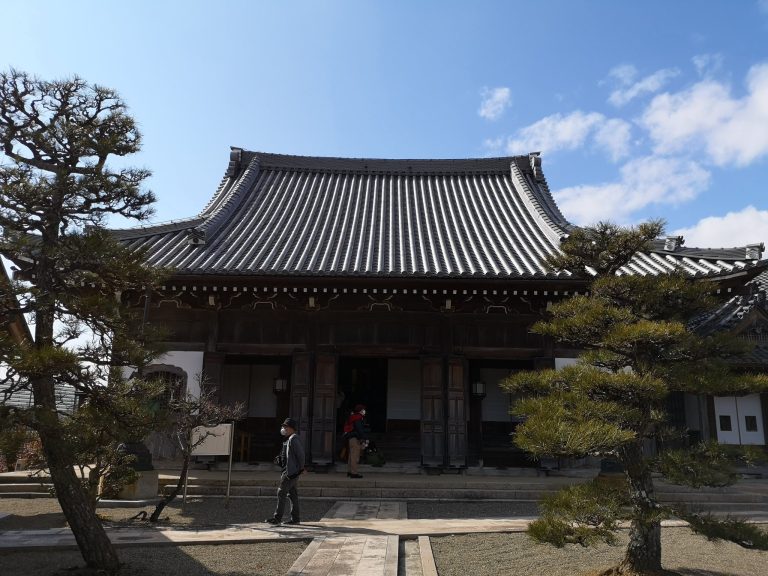
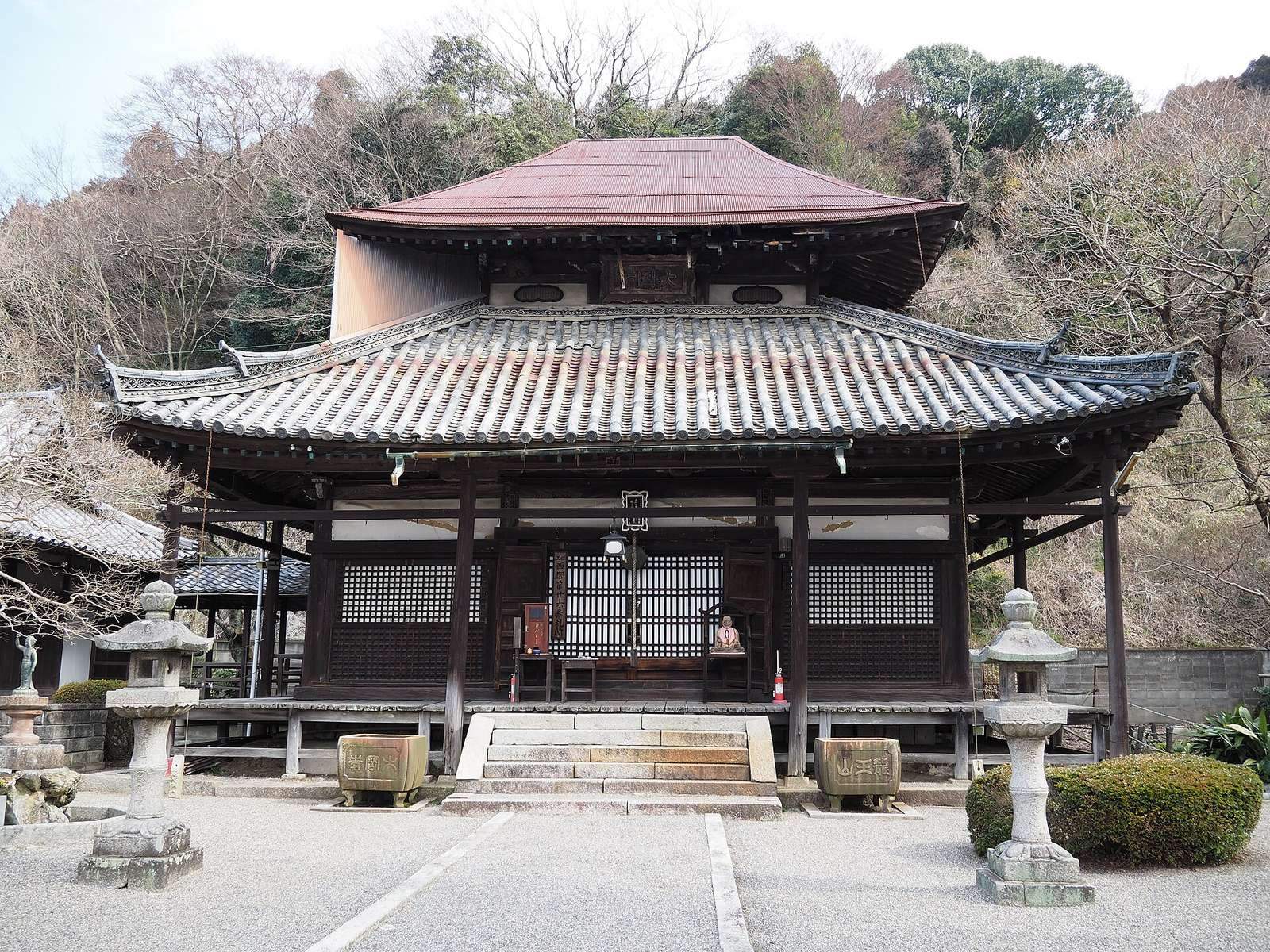
The present precinct lies at the foot of the hill, while the inner sanctuary occupies the summit at the former castle site. A Main Hall is among the temple buildings. This arrangement places the main temple precinct and its hilltop sanctuary in separate parts of the site.
Kannon images and pilgrimage stones
The temple’s principal image is a wooden standing statue of Senju Kannon, the thousand-armed form of Kannon. A wooden standing statue of Amitabha is also associated with Daikōji. On the hill behind the temple, a group of stone images represents the 33 Kannon of the Shikoku pilgrimage.
Bashō monument
A monument at the temple commemorates Bashō’s verse connecting two lives with cherry blossoms.
Enman-in buildings and garden
The Enman-in property includes nine buildings, among them a shinden, a hall based on the residential architecture of the Japanese aristocracy. The property also includes a garden and land.