Cuckney Castle: An 11th-Century Motte-and-Bailey Fortress
Site at a Glance
- Rating
- 4.1
- Popularity
- Very Low
- Country
- United Kingdom
- Primary era
- Medieval
- Eras represented
- Medieval
- Civilizations
- English
- Site type
- Military
- Remains
- Castle
On this page7 sections
History
Cuckney Castle was an 11th-century motte-and-bailey fortress in the United Kingdom, at Cuckney in Nottinghamshire, between Worksop and Market Warsop. Founded by Thomas de Cuckney, a medieval landholder associated with Cuckney, it combined a raised defensive mound with an enclosed area for buildings and working activities.
Foundation and destruction
The castle belonged to the period of Norman and early medieval fortification represented by the motte-and-bailey design. It was later razed after the Anarchy, the civil war in England during the reign of King Stephen, a 12th-century English king.
Mass grave and protection
In the 1950s, a trench near the churchyard uncovered a mass grave containing approximately 200 human remains. The discovery prompted speculation that a battle had taken place near the castle.
The surviving remains are legally protected in England as a Scheduled Monument, a legally protected archaeological or historical site. The designation dates from 28 April 1953 and is listed under reference number 1010909 by the Department for Digital, Culture, Media and Sport.
Remains
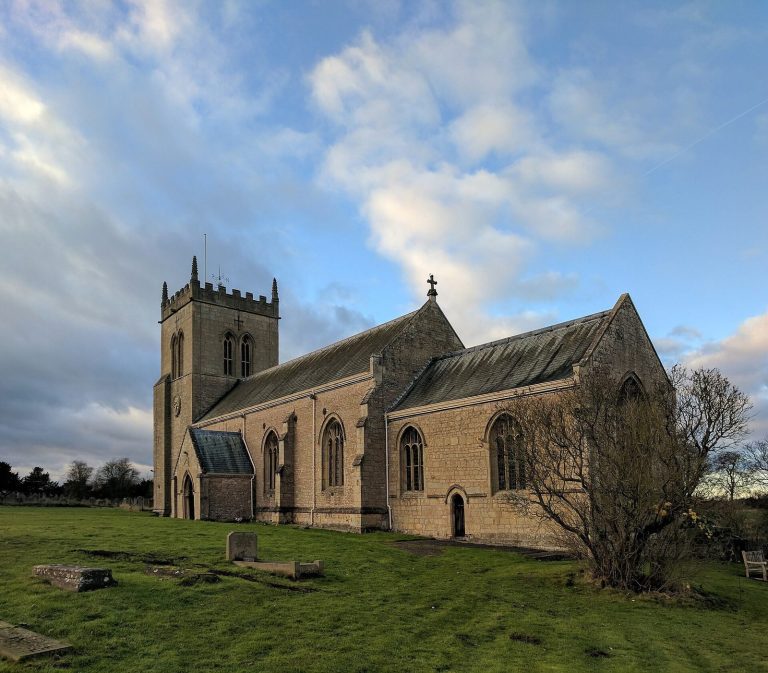
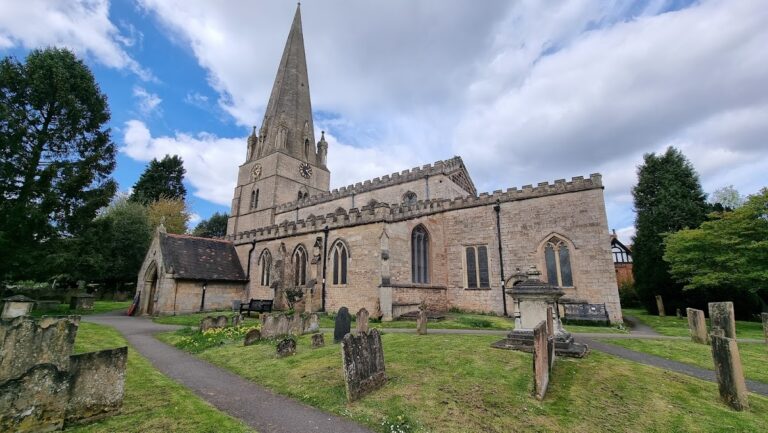
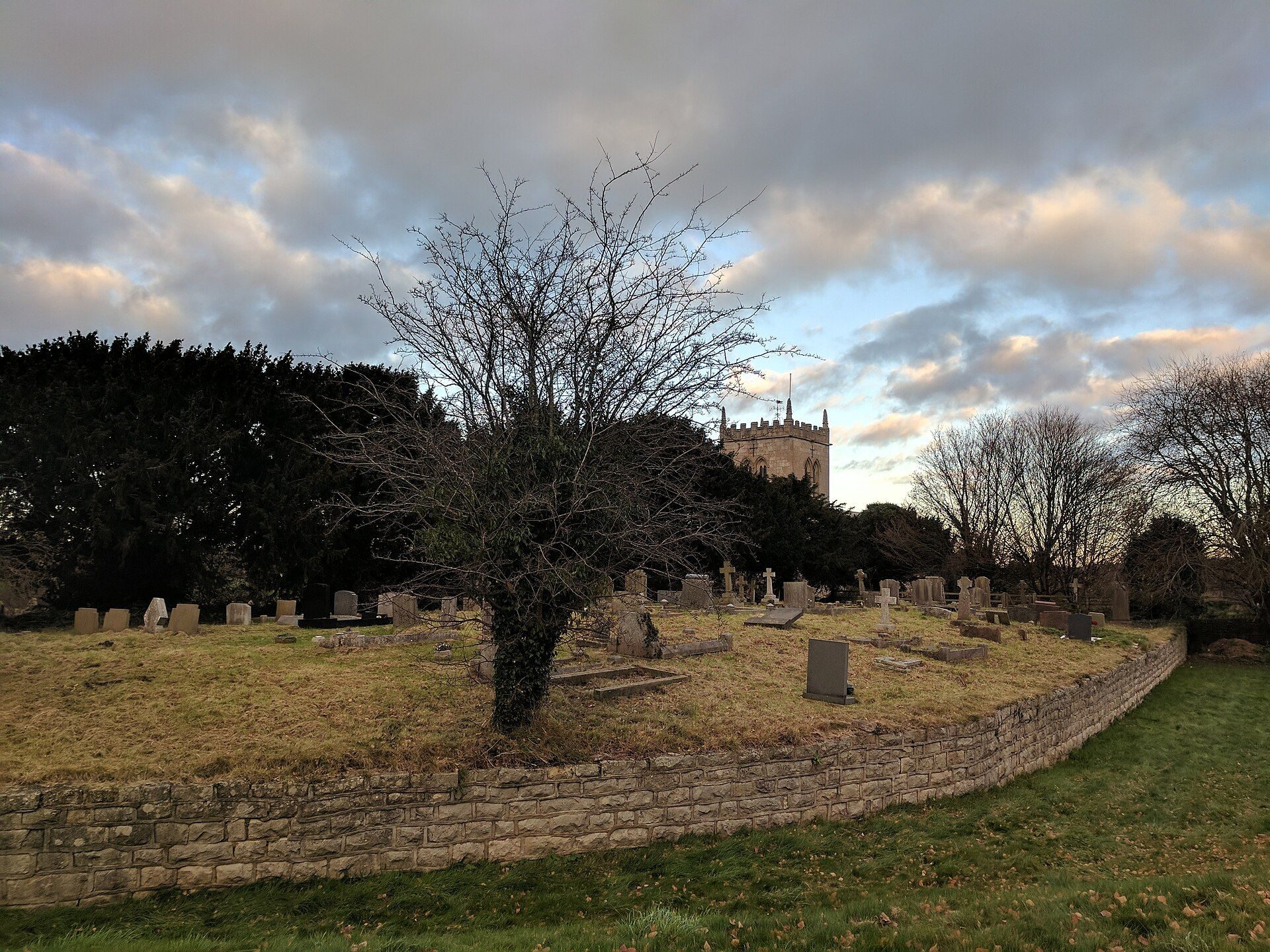
The earthworks lie at the edge of the churchyard of St Mary’s Church, Norton Cuckney. The site follows the typical motte-and-bailey arrangement, with a raised motte and a bailey positioned to its west.
Earthworks
Motte
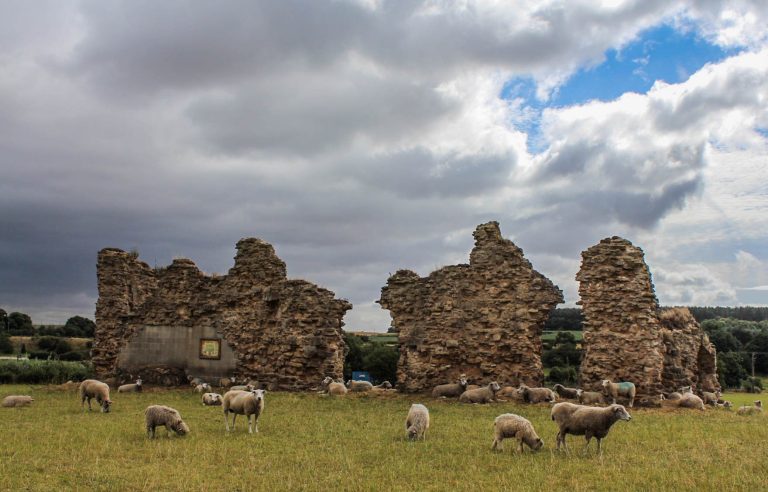
Only low remains of the motte survive. The mound is partly enclosed by a wide ditch, which remains an important part of the visible earthwork arrangement.
Bailey
Faint remains of the bailey extend west of the motte. This enclosed area formed the second principal part of the castle, alongside the raised mound.