Corpus Christi Church in Kamieniec: A Thirteenth-Century Roman Catholic Church
Site at a Glance
- Popularity
- Very Low
- Country
- Poland
- Primary era
- Medieval
- Eras represented
- Medieval, Early Modern, Modern
- Civilizations
- Duchy of Pomerania, German, Holy Roman Empire, Kingdom of Prussia, Swedish
- Site type
- Religious
- Remains
- Church
On this page5 sections
History
Foundation and later use
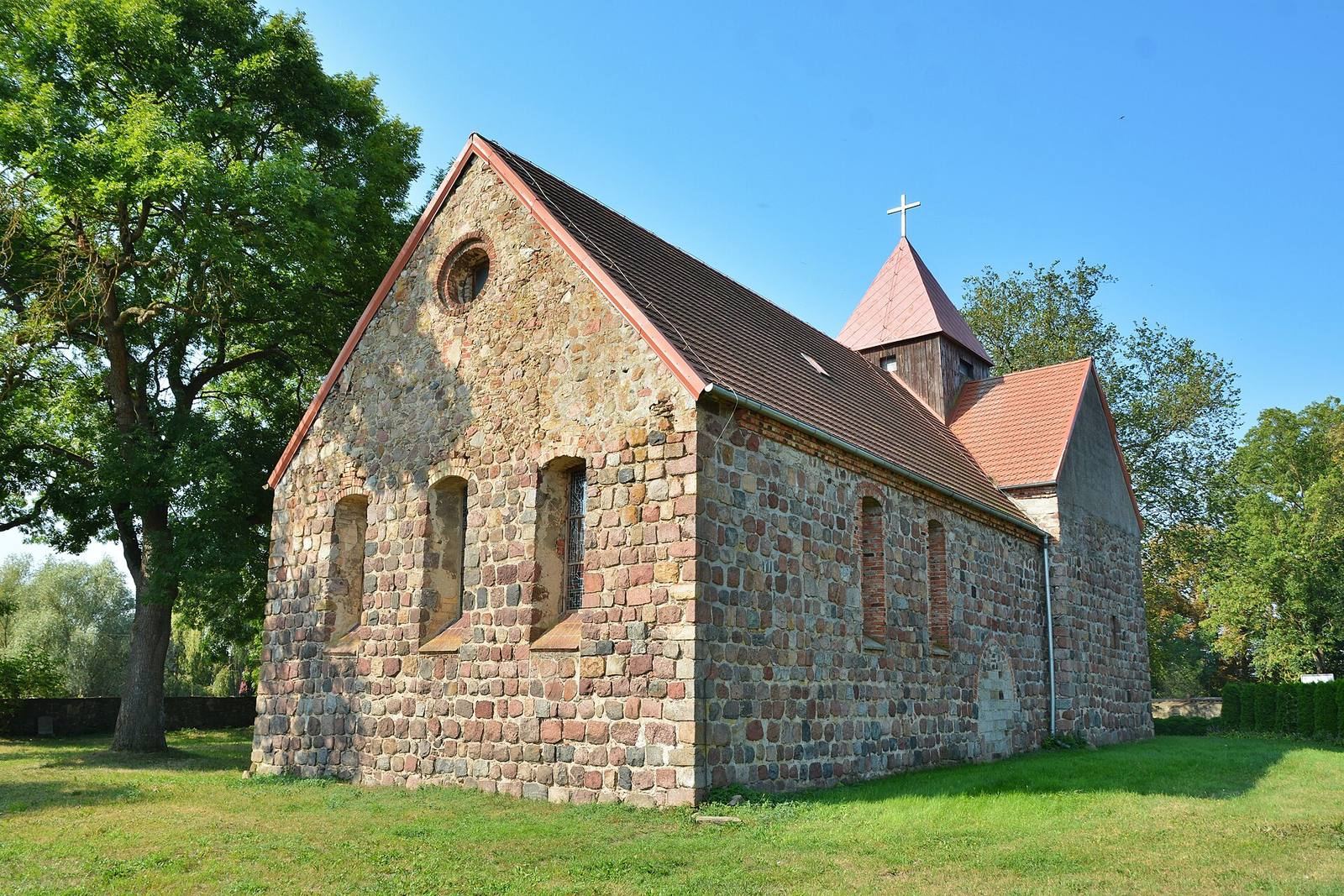
Corpus Christi Church in Kamieniec, named for the Catholic feast honoring the Eucharist, is a Roman Catholic church in Kamieniec, Poland. Built in the second half of the thirteenth century, it serves as a subsidiary church of the Holy Trinity parish in Kołbaskowo.
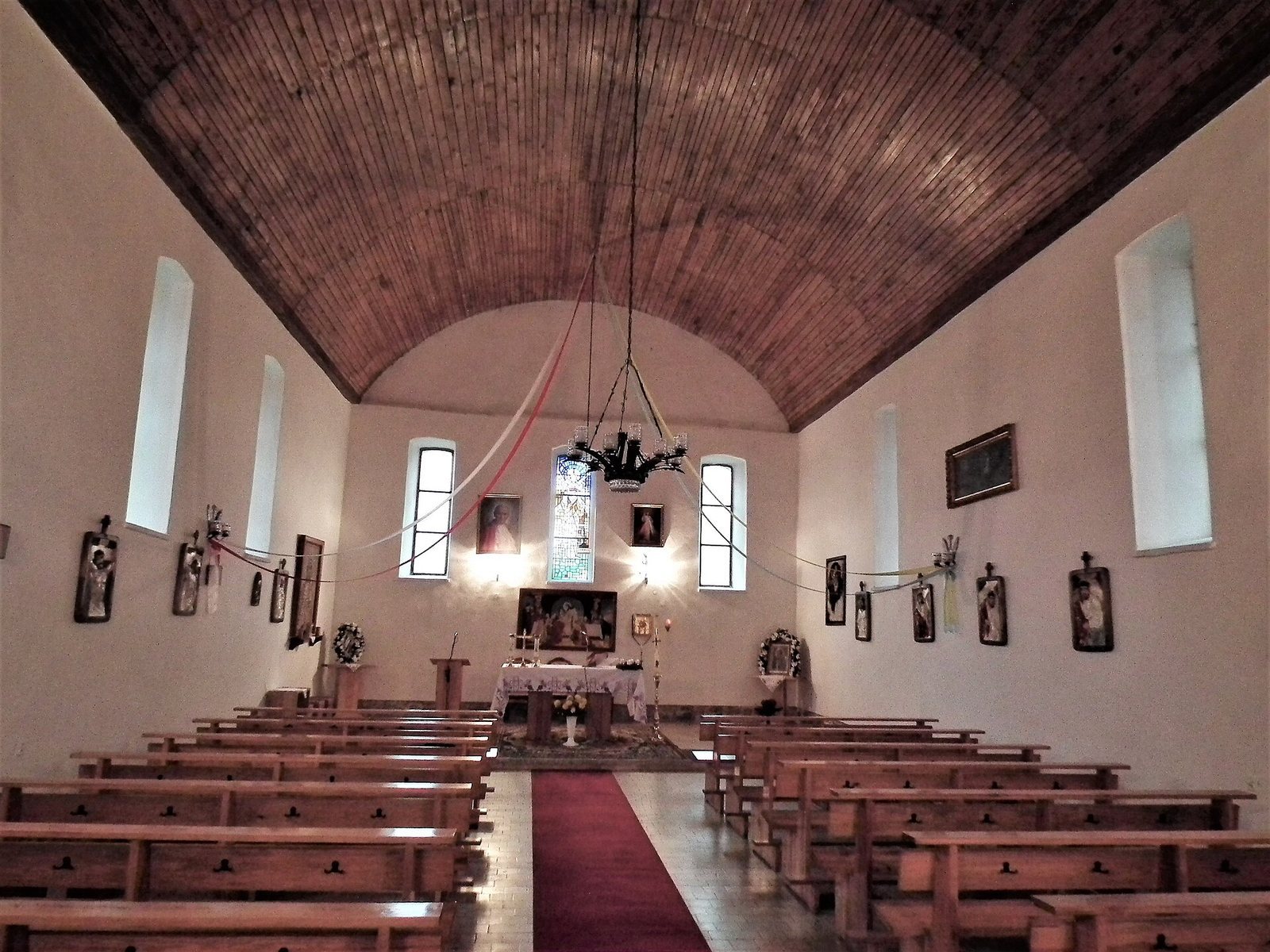
After 1945, the church fell into ruin. It was rebuilt in 1978 and returned to use on 17 December, when Jan Gałecki, a Polish Roman Catholic bishop, consecrated it.
Remains
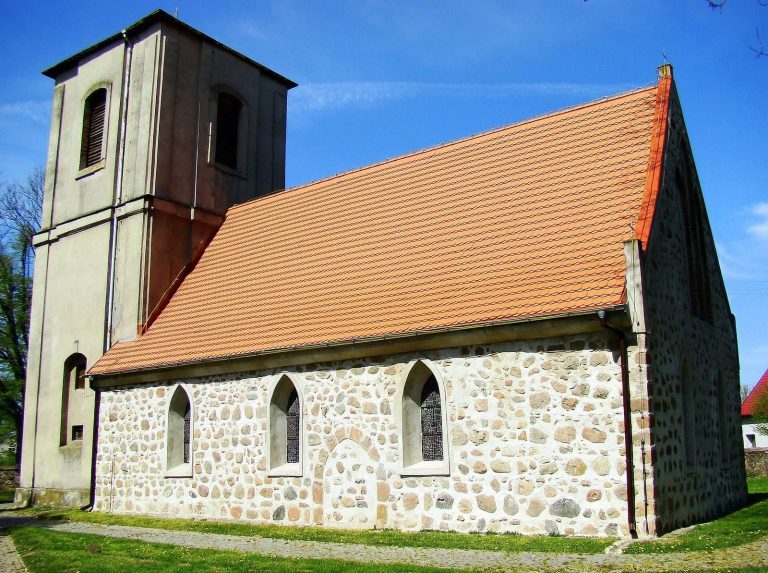
The church has a rectangular plan measuring 16.2 by 8.2 metres. It consists of a single nave, the main body of the church, without a separately defined chancel, the area around the altar. Its tower is wider than the nave. Granite blocks are laid in 19 horizontal courses in the nave and 23 in the tower.
Openings, tower, and roof
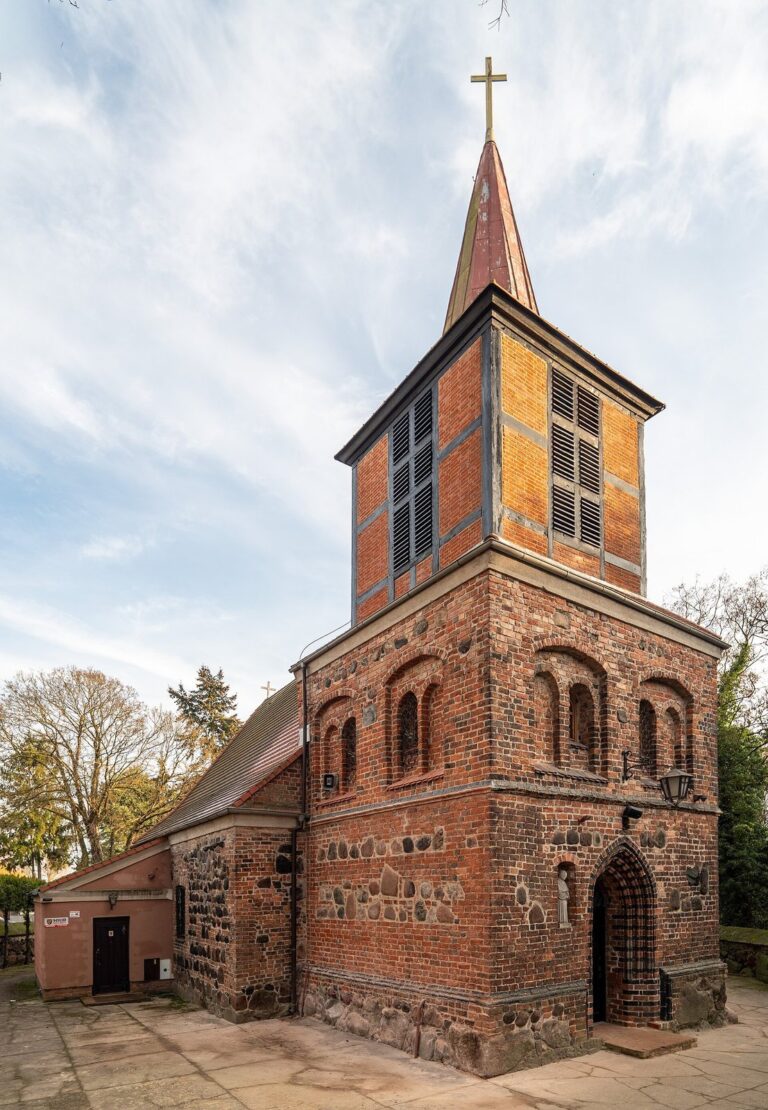
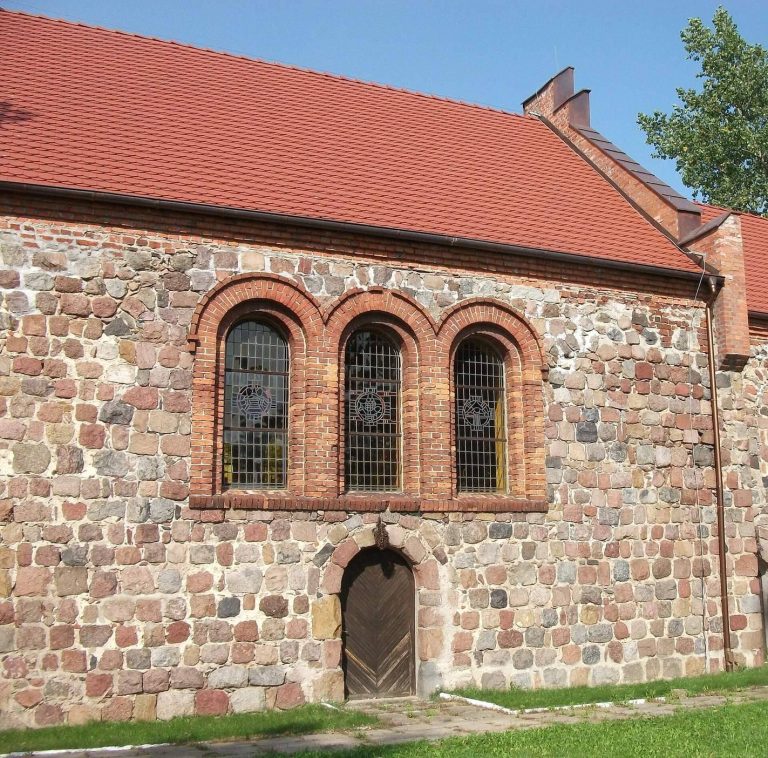
The facades retain traces of the original windows and pointed portals, while the east gable has an original circular blind niche, a shallow recess in the wall. In 1706, a timber-framed structure with board cladding was erected on the tower base and topped by a Baroque roof, in the European style that flourished mainly in the seventeenth and eighteenth centuries. The roof carries a weather vane. Around 1890, flat brick arches were added above the windows over the south portal. During the 1978 rebuilding, tiled gable roofs were placed over the nave and tower.
Historic furnishings
The church’s furnishings included an eighteenth-century pulpit altar, combining an altar and a preaching stand, with paintings of Saints Peter and Paul and sculptures of Moses and Christ. An organ gallery installed in 1750 carried Old Testament scenes. Other furnishings included a wooden memorial for Colonel Johann Karl von Lappenow, who died in 1729; an oil painting of the Crucifixion dating to around 1700; a brass baptismal basin dated 1693; and a gilded chalice dated 1651. A bell cast in 1714 by Szczecin bellfounder Johann Heinrich Schmidt also belonged to the church. Its liturgical textiles included an early sixteenth-century chalice pall, a cloth placed over the chalice during the service, woven from linen and multicoloured silk with gold and silver threads. It measures 45 by 67 centimetres.