Convent of the Ursulines of Montpellier: A Former Convent and Girls’ School
Site at a Glance
- Popularity
- Medium
- Country
- France
- Primary era
- Early Modern
- Eras represented
- Early Modern, Modern
- Civilizations
- French
- Site type
- Religious
- Remains
- Monastery
On this page10 sections
History
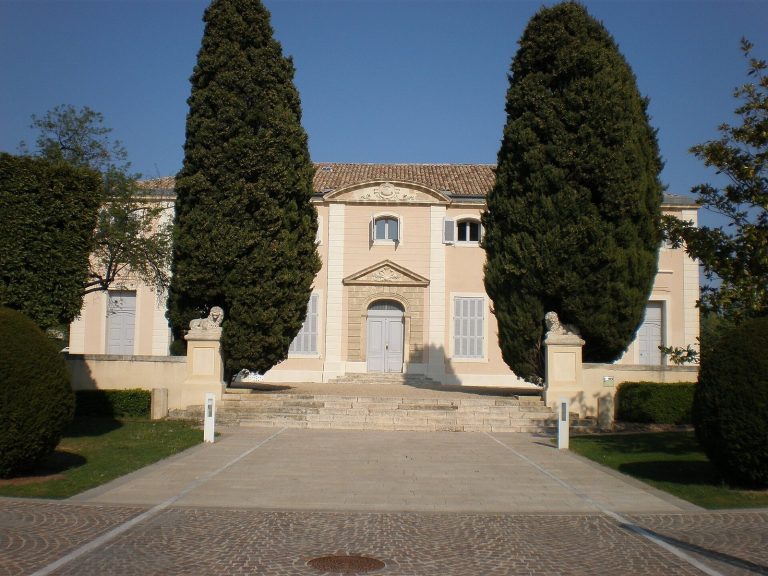
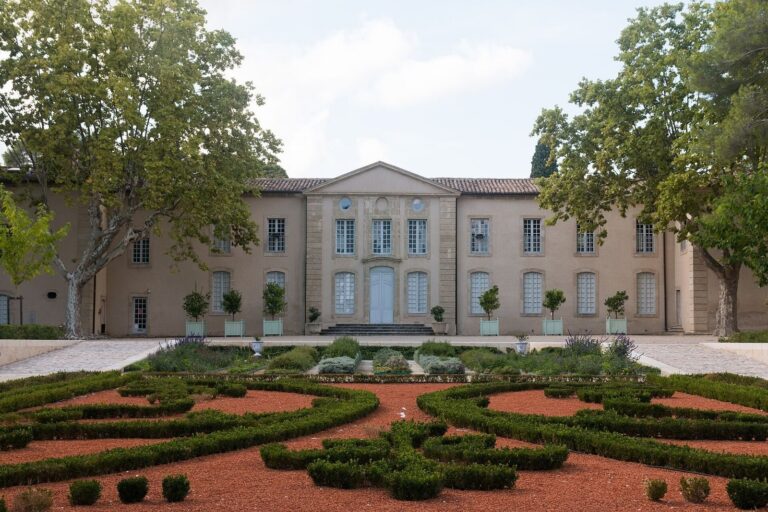
The Convent of the Ursulines of Montpellier is a former Catholic convent in Montpellier, France, whose architectural history extends from the seventeenth century to the first quarter of the nineteenth. It became one of the city’s major educational institutions, caring for poor girls and providing them with schooling.
From the Sainte-Catherine monastery to the Ursulines
A monastery of the Order of Saint Catherine, a Catholic women’s religious community, was established in Montpellier around the middle of the fourteenth century. After France’s Wars of Religion, a period of conflict between Catholics and Protestants, Catholic leaders sought to strengthen Catholic influence in the city. In 1641, Bishop Pierre de Fenouillet arranged for six Ursuline nuns to come to Montpellier, with permission from Bishop Fulcrand de Barrès. The women settled in part of the rebuilt monastery, and the institution adopted the name Convent of the Ursulines in 1657.
Education and eighteenth-century changes
The Ursulines were a Catholic order associated with girls’ education. At Montpellier, they taught girls living in poverty and also cared for poor girls, maintained an infirmary, and developed the convent into a leading local school. Under Bishop Joachim de Colbert, whose tenure lasted from 1697 to 1738, the nuns received support to continue teaching, open classes, and accept many boarders. The convent’s finances reached a high point during this period, when the community also had sympathies with Jansenism, a movement within Catholicism that became the focus of religious and political controversy in France.
Colbert’s successor, Bishop Berger de Charancy, opposed Jansenism. By 1748, the convent’s boarders had been transferred to nearby houses of the Visitandines, members of the Order of the Visitation of Holy Mary, and the convent of Vignogoul. The Ursulines were barred from accepting new members, while their sick were moved to infirmaries in other convents. Under the next bishop, François Rainaud de Villeneuve, the dispute eased and the convent expanded again.
Prison, wartime occupation, and civic use
The French Revolution brought the convent’s closure in 1791. Around the turn of the nineteenth century, its building was used as a prison, served for a few years as barracks, and then returned to prison use. From 1825 to 1934 it was Montpellier’s women’s prison. The building became a military prison in 1934. During the German occupation in the Second World War, Nazi Germany’s secret state police, the Gestapo, used it to torture, interrogate, and detain members of the Resistance, people opposing the occupation and its collaborators.
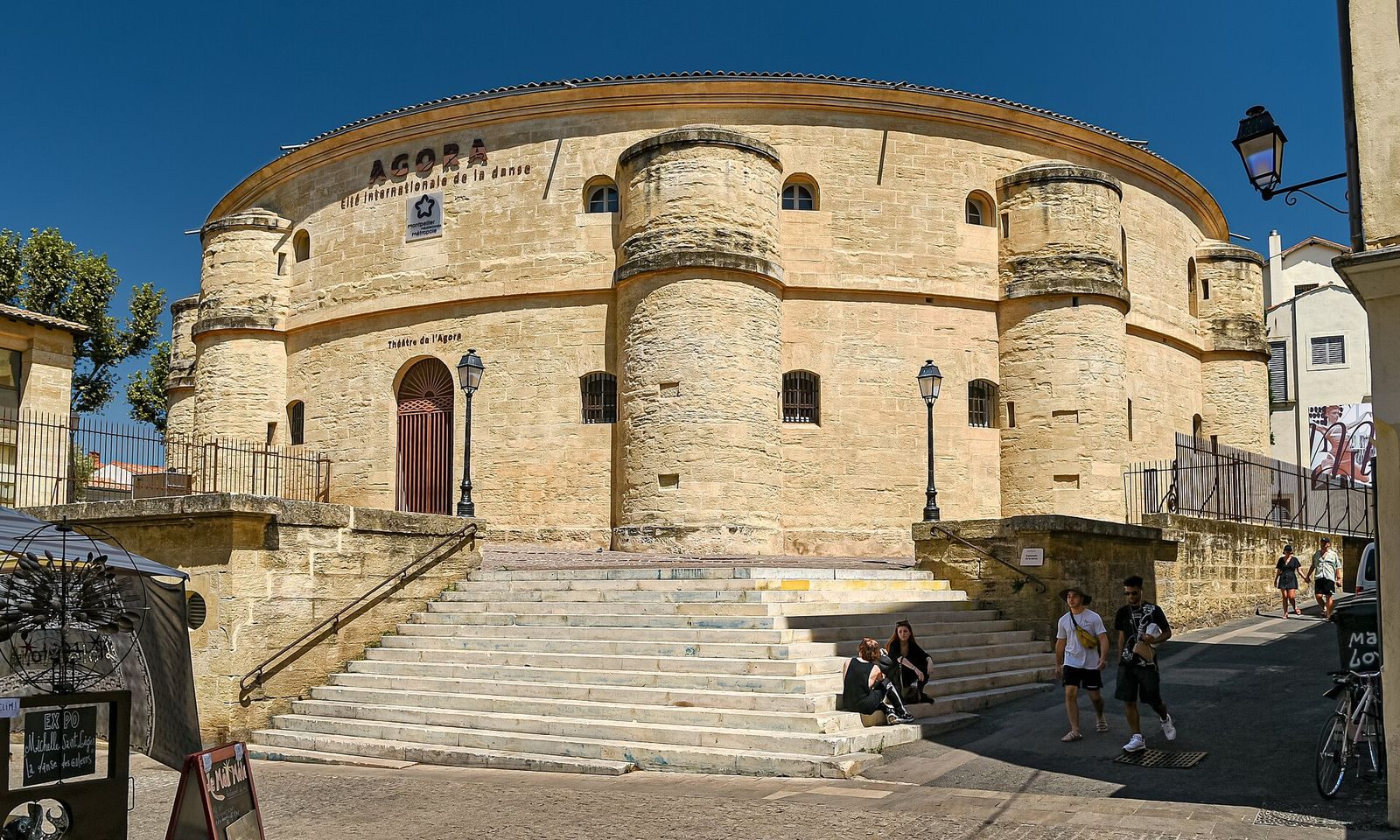
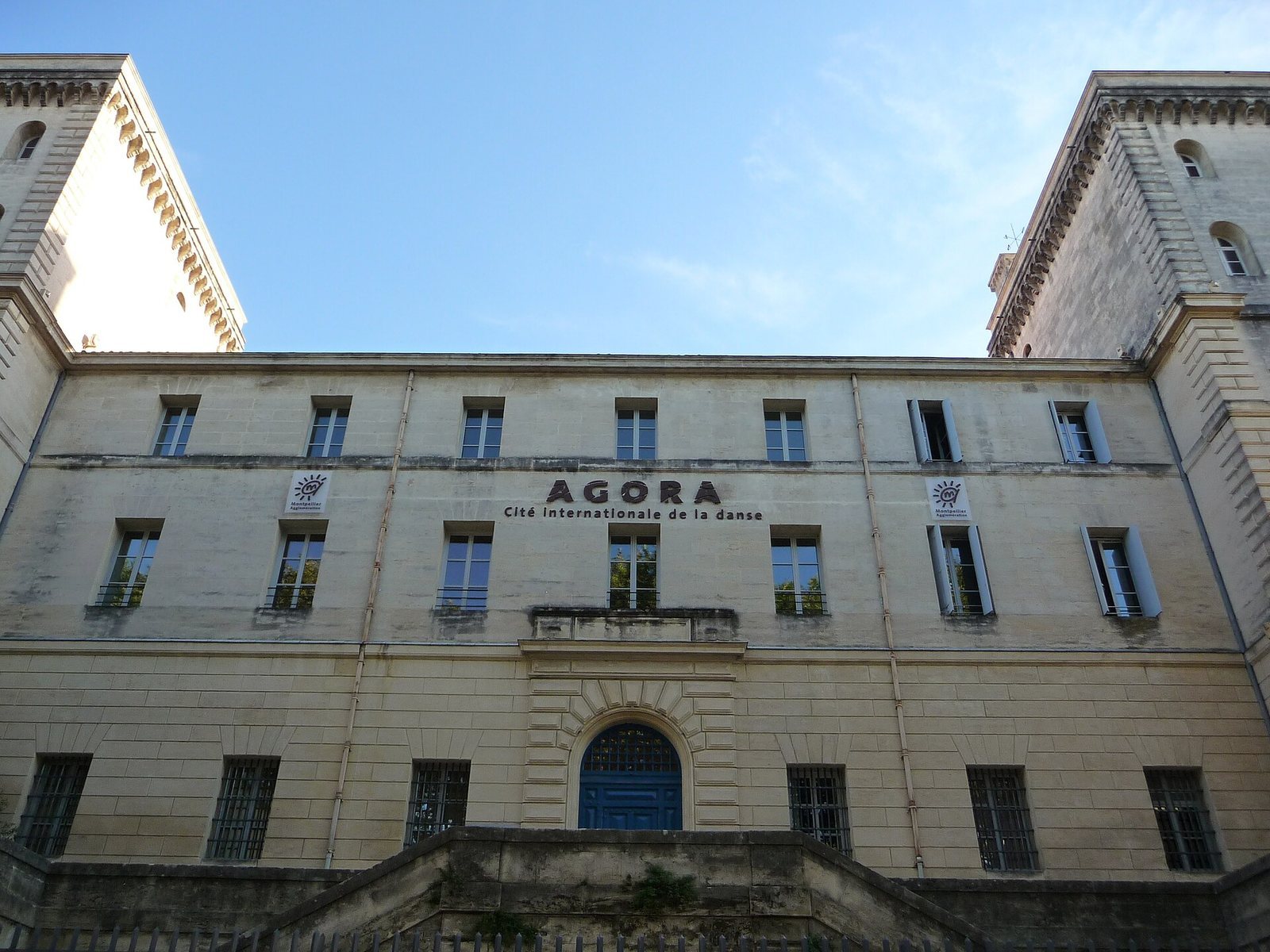
After 1945, the French army used the site as Grossetti Barracks until 1986; an Air Force information office was also based there. The city announced plans to acquire the convent in 1980, and its purchase was completed in 1988 after the army’s departure. The acquisition prevented a proposed demolition, and the city restored the building. The city’s artistic institutions began moving into the site in 1986. It now houses the National Choreographic Center of Montpellier, associated with Agora, International City of Dance. In 2025, the center and the Montpellier Danse festival were brought together in a single organization. In 1991, the façades and roofs along Louis-Blanc Boulevard, Rue de l’Université, Rue des Écoles-Laïques, and Rue Sainte-Ursule were added to France’s register of historic monuments, a designation that protects buildings or specified parts of them.
Remains
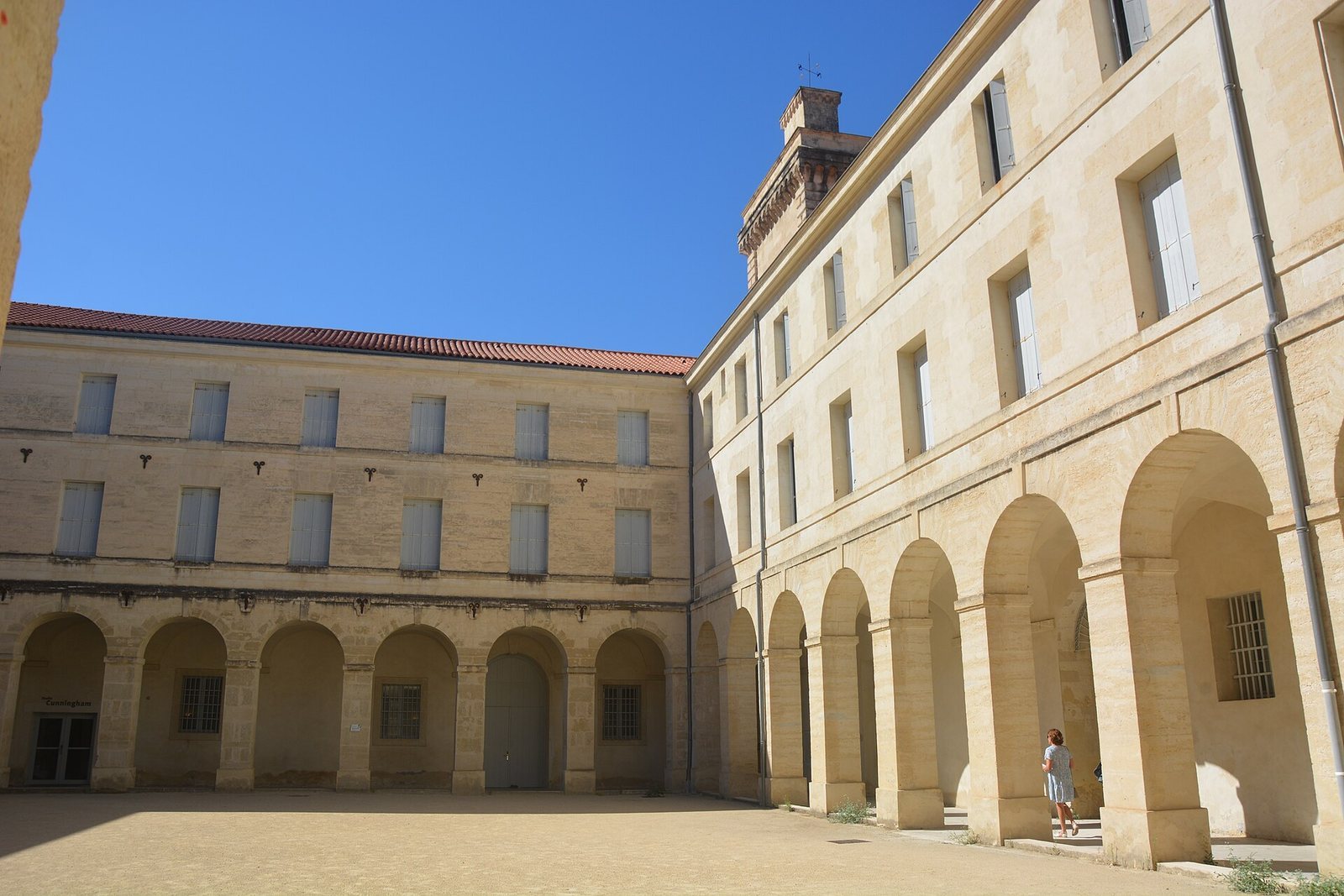
Built over the ruins of the Sainte-Catherine monastery, the convent developed through successive building campaigns. Its surviving architectural features include the convent buildings, a later south wing, a prison-era rotunda, and street-facing façades and roofs.
Convent buildings and later alterations
Building campaigns
The first major building phase ran from 1647 to 1657, followed by another from 1660 to 1682. The Ursulines carried out much of the early construction themselves. Further building work took place between 1805 and 1844, extending the site’s architectural development beyond the convent’s original period.
South wing and infirmary
Between 1785 and 1789, the convent underwent embellishment work that included a large wing on its south side. An infirmary also formed part of the convent complex.
Prison rotunda
During the building’s use as a prison, a rotunda, or circular room, was added so that all the cells could be watched from it.
Street-facing exterior
The façades and roofs along Louis-Blanc Boulevard, Rue de l’Université, Rue des Écoles-Laïques, and Rue Sainte-Ursule form part of the building’s exterior fabric.