The City Walls of Dinan: Medieval and Early Modern Fortifications
Site at a Glance
- Popularity
- Medium
- Country
- France
- Primary era
- Medieval
- Eras represented
- Medieval, Early Modern
- Civilizations
- Duchy of Brittany, French
- Site type
- Military
- Remains
- Wall
On this page16 sections
History
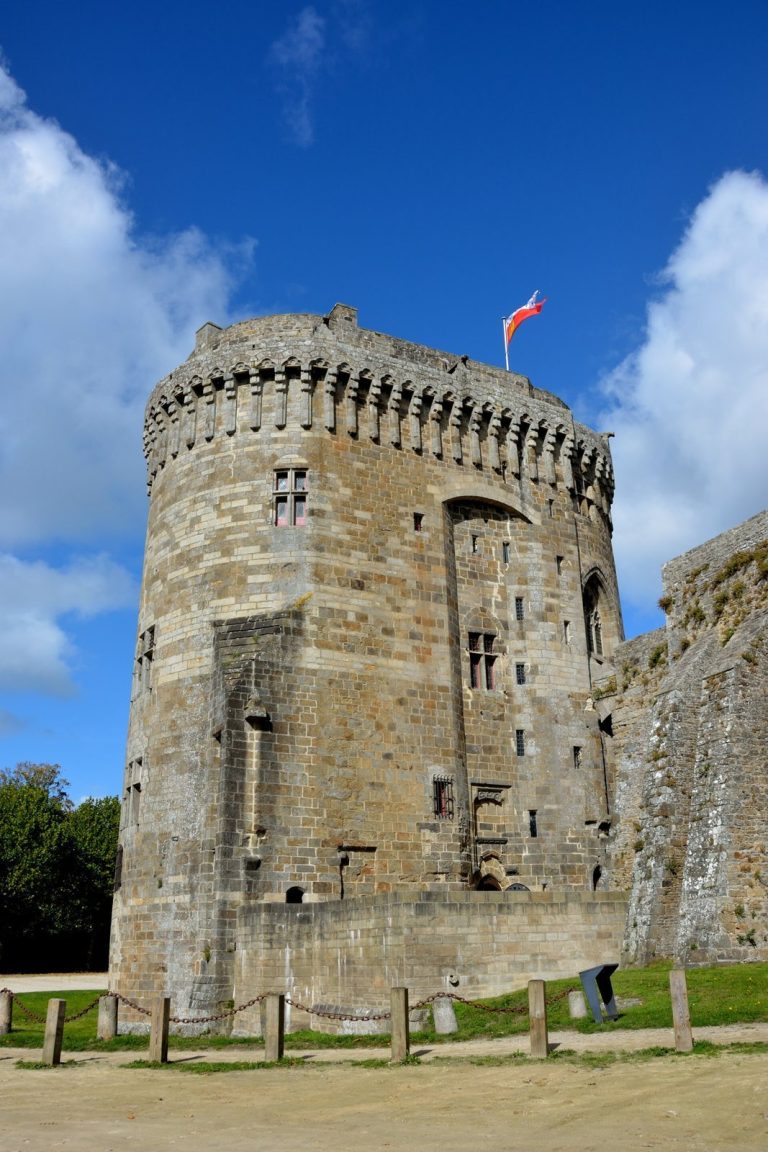
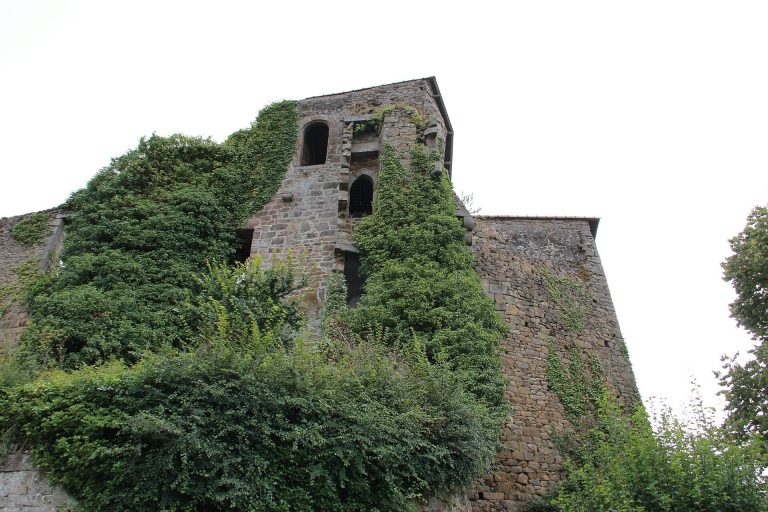
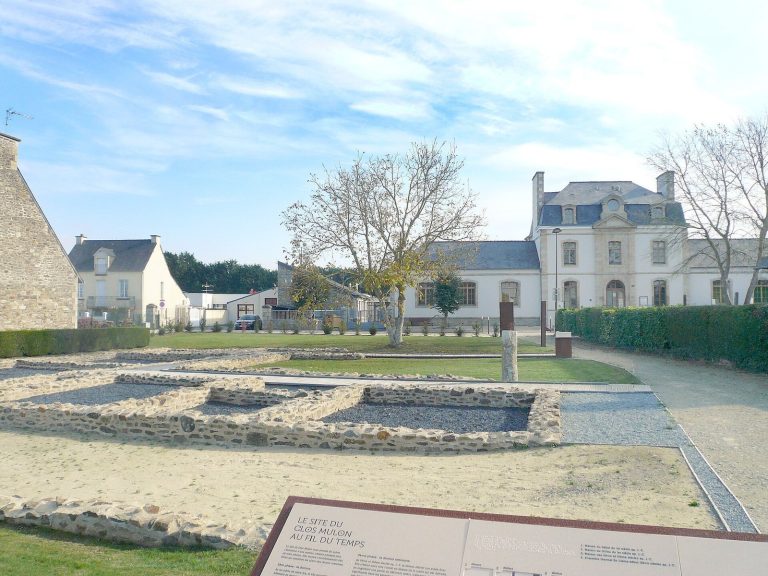
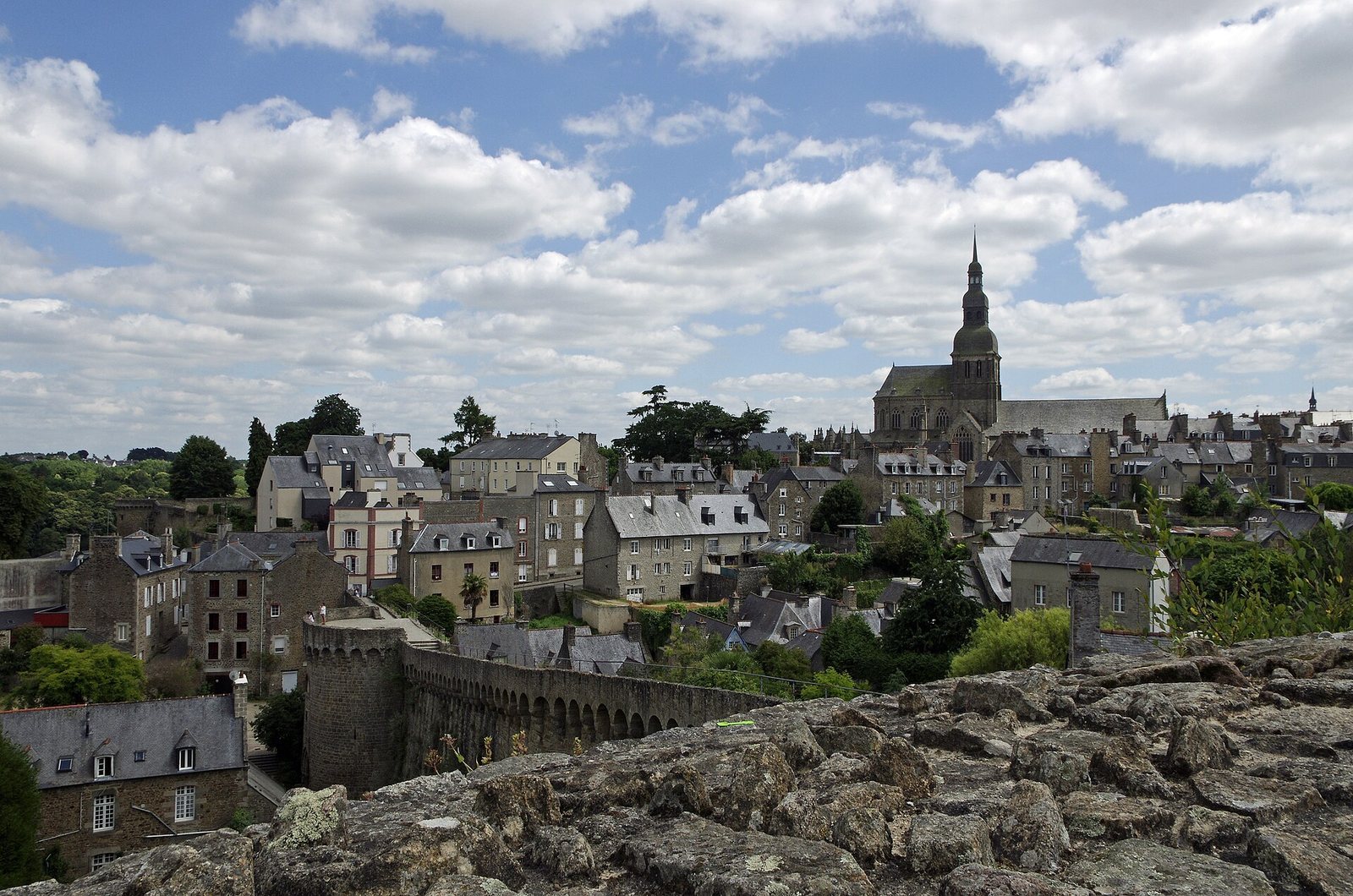
The city walls of Dinan are the successive fortifications of Dinan, France, a town built on the eastern edge of a plateau above the Rance during the first half of the 11th century. Its defenses were constructed from the 13th century onward, first by the lords of Dinan and later by the dukes of Brittany. In the 15th century, the enclosure made Dinan the duchy’s third most important stronghold, after Rennes and Nantes. With the walls of those cities now gone, Dinan’s surviving fortifications form the largest such ensemble in Brittany; historian Xavier Barral i Altet has described them as among France’s most exceptional fortified groups.
Early defenses and ducal acquisition
Dinan’s earliest known fortification was an 11th-century motte castle, a stronghold built around a raised earth mound. Known as the Old Castle or Châteauganne, it is thought to have stood on a promontory northeast of the town, beyond the present enclosure, and was destroyed around 1170. The residence of the sub-prefect on the promontory still bears the name Château-Ganne.
In 1154, the Arab geographer Al Idrissi described Dinan as a walled commercial town with a port that sent goods in every direction. Historian Stéphane Gesret considers this description an exaggeration, although defenses probably protected the more exposed northern and northwestern approaches.
In 1265, John I the Red, duke of Brittany, bought the lordship of Dinan and Léhon from Alain II d’Avaugour for 16,000 livres. Alain had inherited the lands from his mother, and Henri I d’Avaugour challenged the sale on behalf of his grandson Henriot. The case went before the court in Paris and remained unresolved until 1283.
Ducal expansion
After Dinan entered the ducal domain, John I and his successors expanded its defenses. Before the War of the Breton Succession, a dynastic conflict in Brittany that began in 1341, they built three gates, numerous towers and a keep, the principal fortified tower, on the site of the present keep. These works were carried out during a period of peace.
Artillery defenses and late ducal rule
After the Hundred Years’ War, the prolonged conflict between the English and French crowns, Breton dukes updated their fortified towns to face gunpowder artillery. Under Peter II, who ruled from 1450 to 1457, Dinan gained the Hôtellerie Gate and three towers.
Relations between Brittany and France worsened under Francis II. In 1465 he joined the League of the Public Weal against Louis XI, king of France, and in 1468 entered another alliance alongside Charles the Bold, duke of Burgundy. Both efforts failed. Under the Treaty of Ancenis, Francis was required to swear allegiance to the French Crown. Major works at Dinan followed, most of them carried out between 1476 and 1488.
Dinan escaped the fighting of the War of Brittany in 1488, a conflict between Brittany and France, and was not besieged again until the end of the 16th century. In 1585, Philippe-Emmanuel de Lorraine, duke of Mercœur and a leader of the Catholic League, a Catholic political and military coalition active during the French Wars of Religion, received authority under the Treaty of Nemours to improve the fortifications of Dinan and Concarneau.
Declining military use
From the mid-17th century, Dinan had less strategic importance than it had under the dukes and was used mainly to hold prisoners of war. Inspections found that upkeep had lapsed and that private gardens occupied growing stretches of the walls. Repairs were undertaken after an inspection in 1693.
In the 18th century, the castle and towers increasingly served as prisons, and maintenance focused on works used for that purpose. Some outer defenses were demolished, and the ditch at Saint-Louis Gate was filled. During works on the Grand-Chemin in the 1780s, several sections of the defenses were removed for safety.
Revolution and preservation
During the French Revolution, fear of an attack by the Catholic and Royal Army of the Vendée led to repairs. Guards closed the gates, and palisades blocked the Grand-Chemin. In the 19th century, further parts of the fortifications were dismantled to ease circulation or after private individuals acquired some of the works. Preservation efforts also began, and the walls were classified as a historic monument in 1886.
Remains
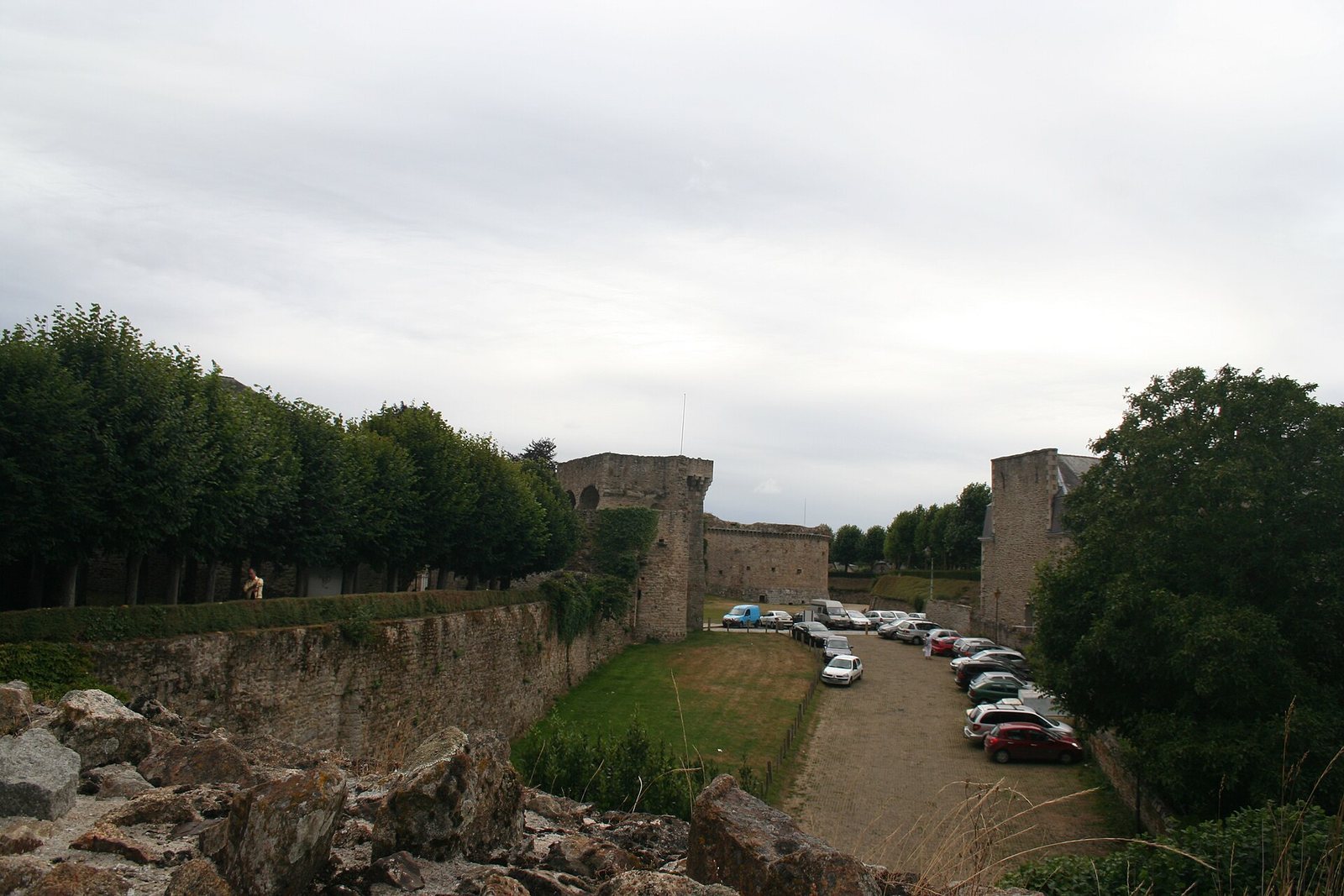
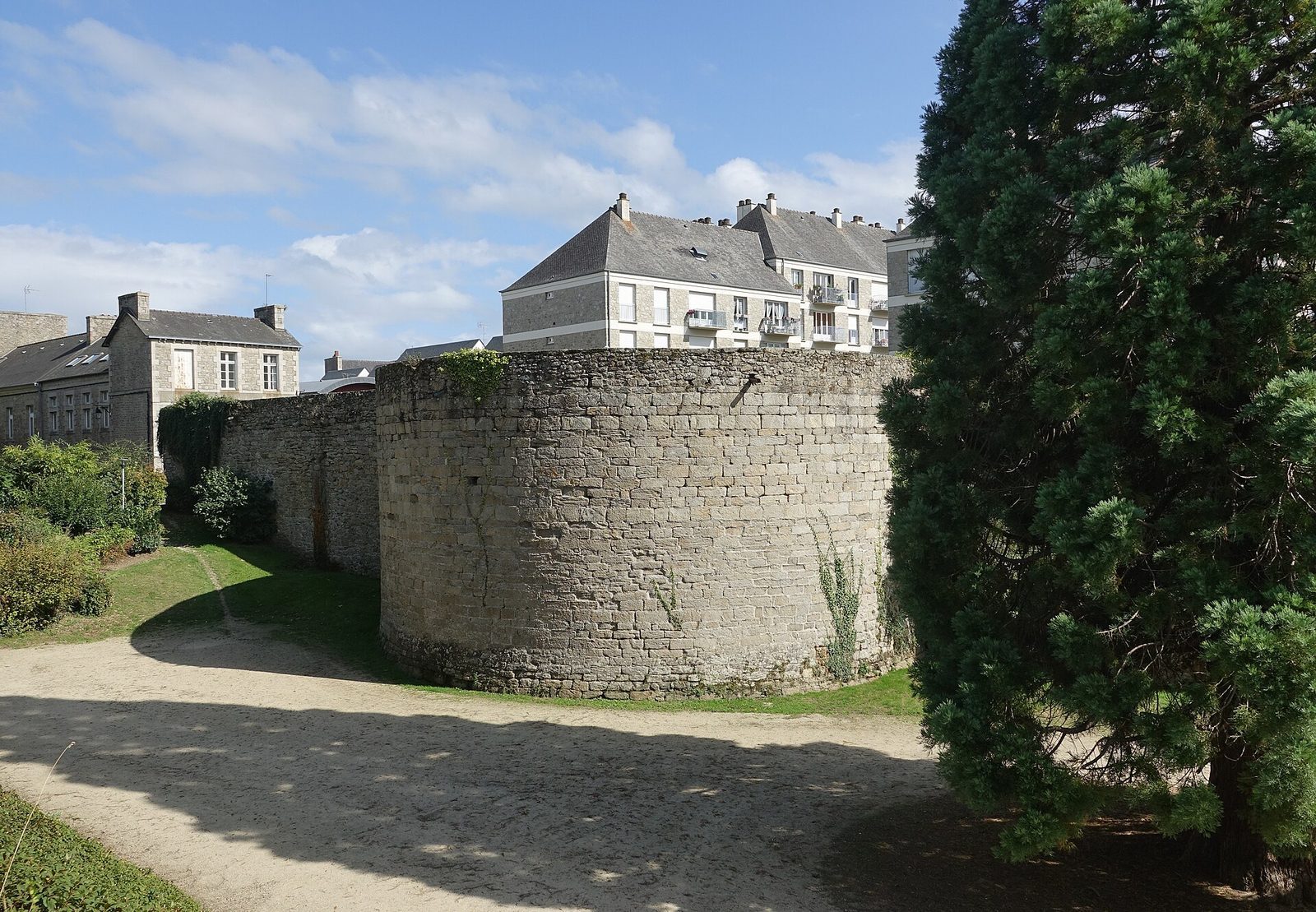
The enclosure has a perimeter of about 2,650 metres and covers roughly 30 hectares. Its irregular quadrilateral plan follows the steep slopes along the town’s eastern, southern and western sides. Dinan stands at the eastern edge of a plateau above the Rance, controlling the head of the estuary. Steep valleys protect the east and west; the southern slopes toward Léhon are gentler but still impede an approach. The flatter northern side is more exposed, though woodland and marsh slow movement there, and woodland also extends westward. Léhon Abbey, founded in the 9th century, lies about one kilometre upstream.
Medieval walls and towers
Thirteenth-century fabric
The surviving 13th-century fabric may include the lower part of Saint-Malo Gate and sections of curtain wall, the defensive wall connecting towers. The enclosure’s gates and towers are conventionally described in clockwise order from the ducal tower at its southwestern end. Gate names have remained relatively stable since the Middle Ages, while tower names changed often and were sometimes confused on maps. The forms used for the towers since the mid-19th century are generally followed.
Ducal gates and towers
The early-14th-century ducal works comprised three gates, numerous towers and a keep on the site of the present keep. Peter II’s later additions included the Hôtellerie Gate and three towers, built as part of the shift toward defenses adapted to artillery.
Artillery defenses
Works of 1476–1488
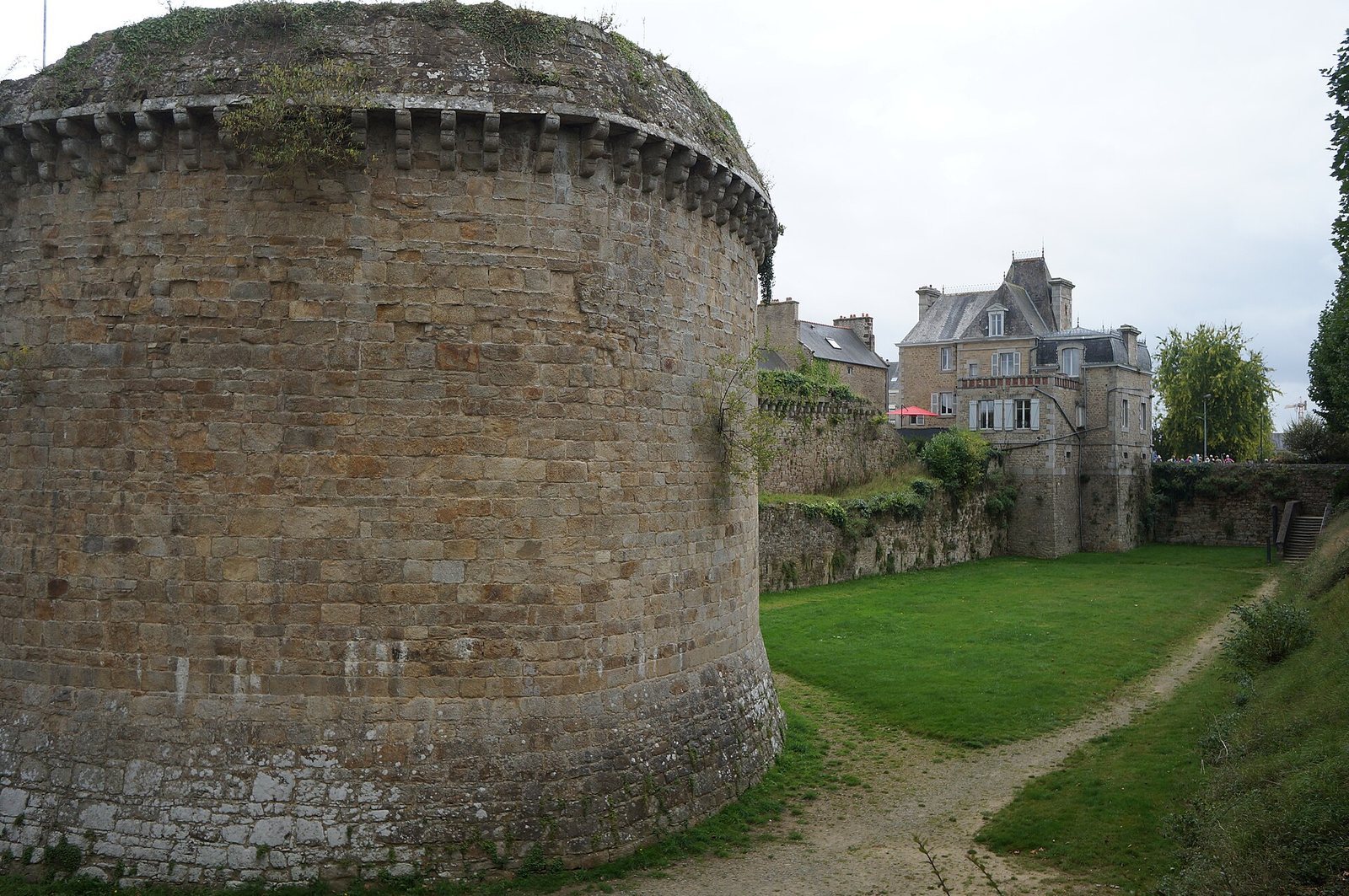
The late-15th-century program added projecting outer defenses, known as boulevards, at all four town entrances. Existing ditches were widened to form a large moat along the south, north and northwest sides. Material excavated for the works was used to build a counterscarp, the outer face of a ditch. Five large artillery towers were also constructed.
Mercœur’s reinforcements
During the works authorized under Mercœur, the Jerzual and Guichet gates were blocked. A two-level underground passage, the Mercœur gallery, linked the castle with Coëtquen Tower. Workers strengthened the earlier boulevards, built a triangular spur in front of Saint-Julien Tower and added two more spurs to protect Jerzual.
Gates and later alterations
Saint-Louis Gate
Saint-Louis Gate was cut through the wall in 1620 between Penthièvre and Coëtquen towers. A guardhouse with a slate roof stood above the opening until it was demolished in 1791. A niche in the inner wall held a Pietà, an image of Mary holding the dead Christ, which was moved to the Dinan museum in the 1970s. The new opening gave access to the Rennes road. After Guichet Gate had been closed, that road had previously been reached through Brest Gate. The Haut-Bourgneuf district developed in line with the new gate.
Jerzual and the Grand-Chemin
Jerzual Gate returned to use in 1642. In the 1780s, work on the Grand-Chemin led to the removal of the Sainte-Catherine turret, Bois-Harouard Tower and much of the adjoining wall for safety reasons.