Church of the Theotokos of Vladimir in Kurkino: A Russian Orthodox Parish Church
Site at a Glance
- Popularity
- Medium
- Country
- Russia
- Primary era
- Modern
- Eras represented
- Early Modern, Modern
- Civilizations
- Russian
- Site type
- Religious
- Remains
- Church
On this page9 sections
History
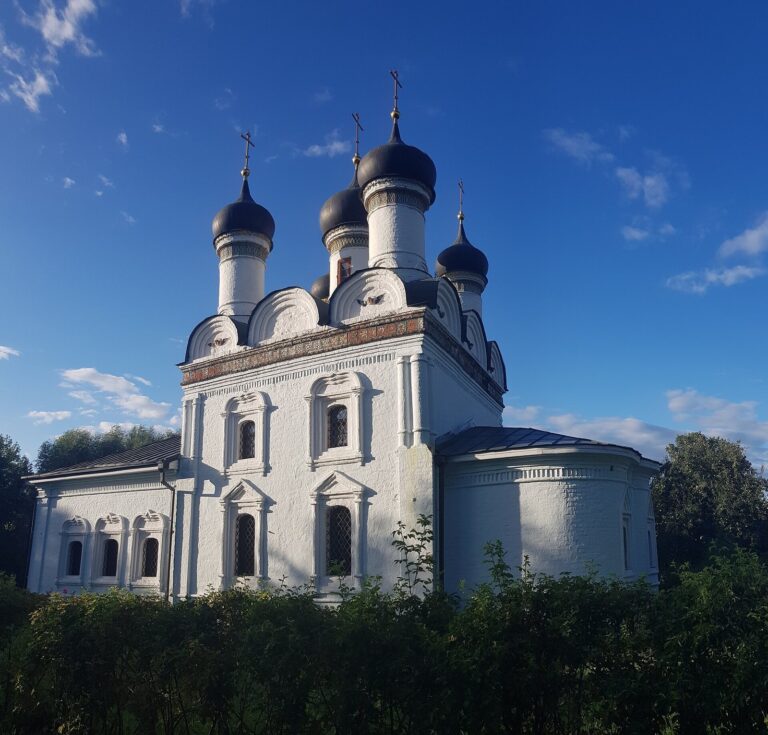
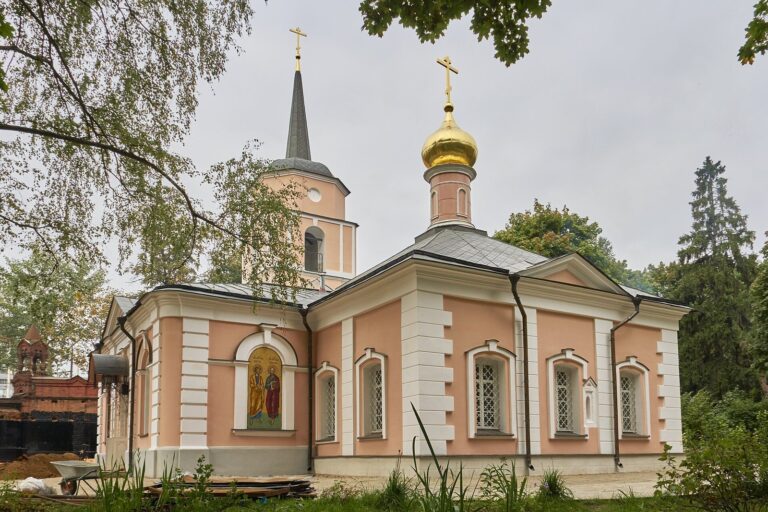
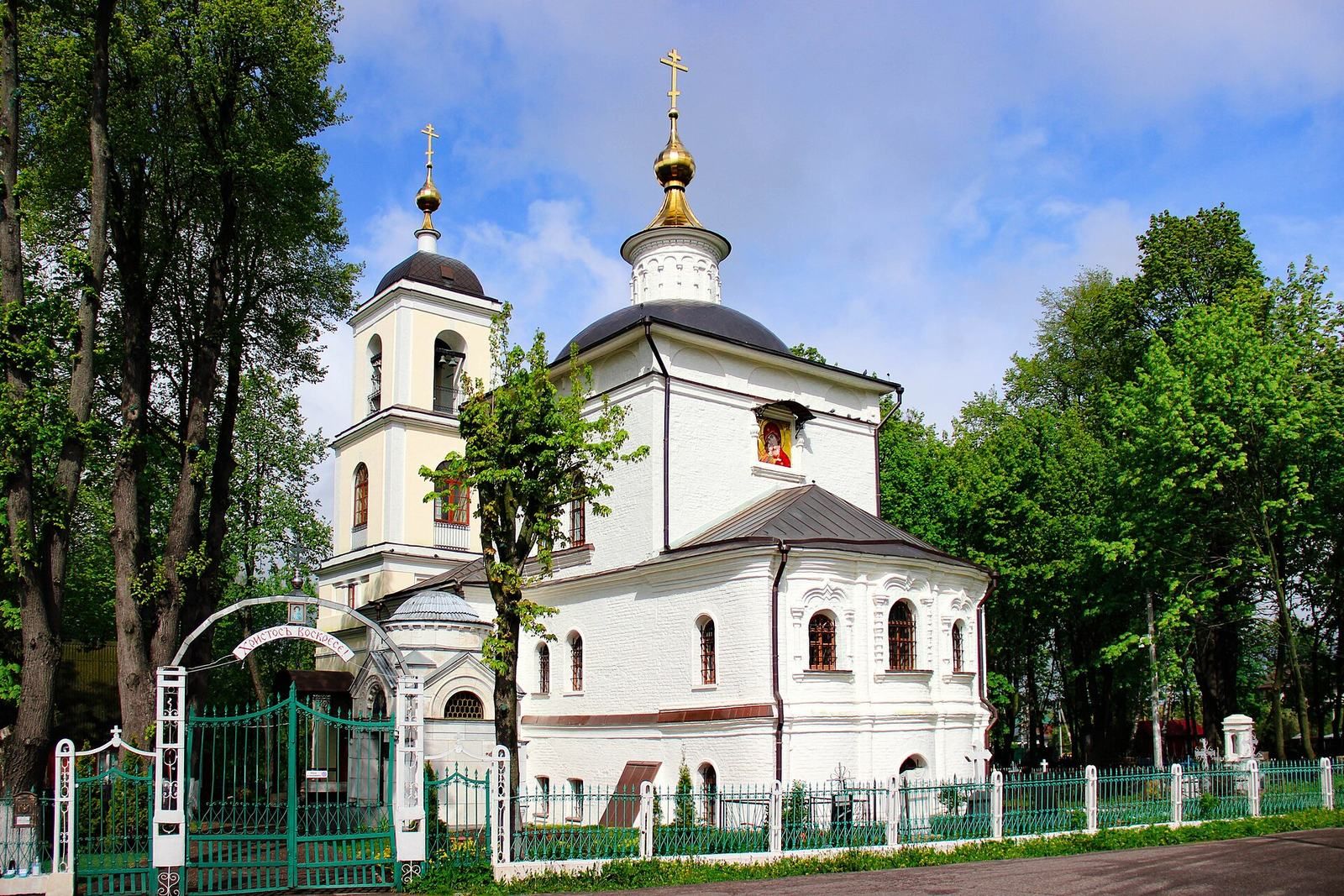
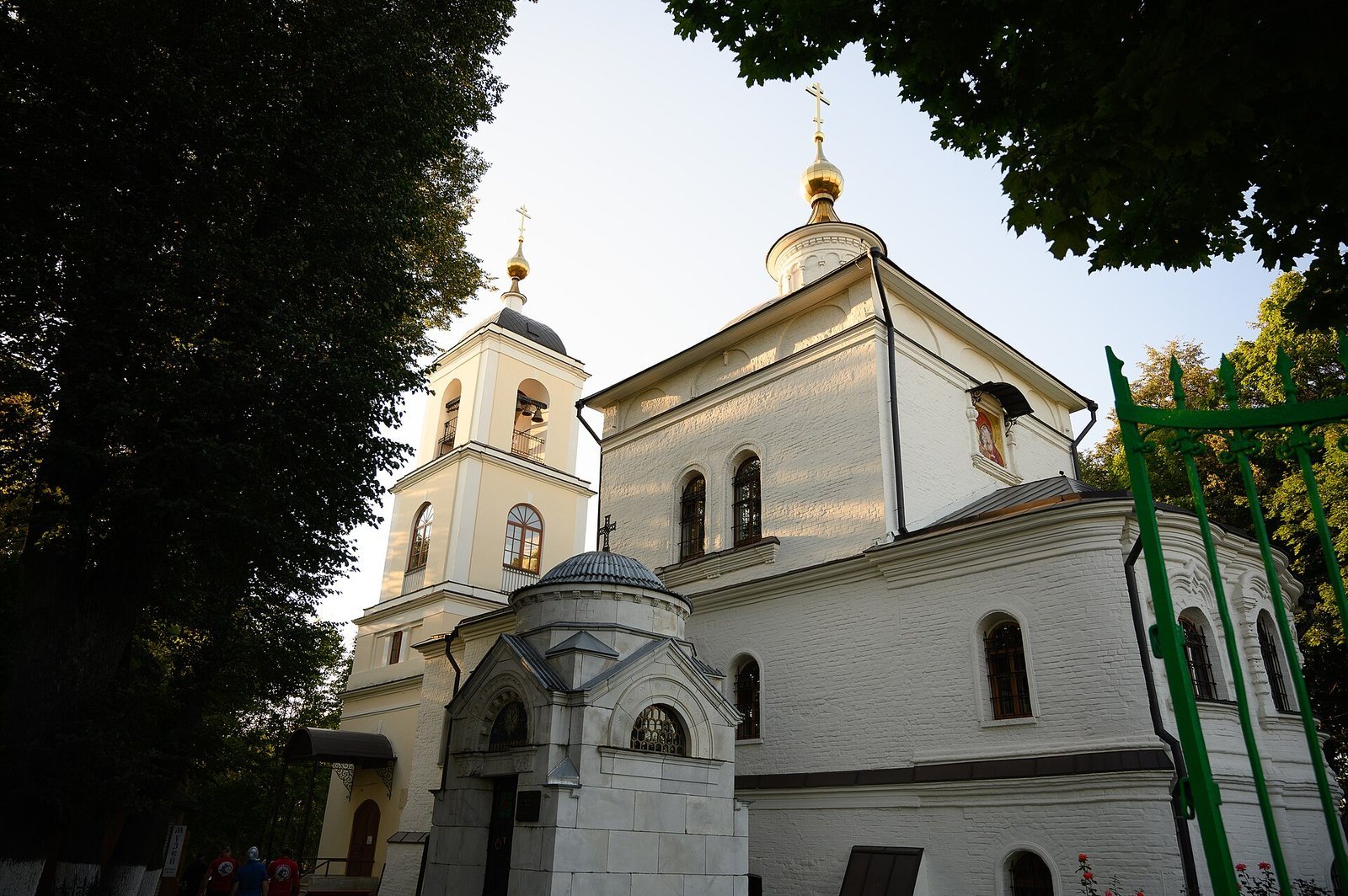
The Church of the Theotokos of Vladimir in Kurkino is a Russian Orthodox church in Kurkino, Russia, founded in 1672; its later form reflects late Classicism, a style drawing on classical forms and design principles. Construction took place from 1672 to 1678, while Prince Ivan Vorotynsky was developing his estate in the village. Kurkino had been known as a village for more than five centuries. The church was dedicated to the Vladimir Icon, a religious image of the Theotokos, or Mother of God.
Foundation and eighteenth-century repairs
By 1678, the church served the village and belonged to the Zagorodskaya tithe, an ecclesiastical administrative district in the Patriarchal region. In 1743, the building was in poor condition and urgently needed repairs, but funds did not become available until 1760. The changes made during that work are thought to have substantially altered the church.
Nineteenth-century rebuilding
A major rebuilding began in 1840 and was completed in 1846, with financial help from nearby landowners, including physician Grigory Zakharin’s family. After Zakharin died, his family built a tomb chapel beside the church. The architect Fyodor Shekhtel designed it, and painter and designer Viktor Vasnetsov prepared designs for its mosaic decoration.
Closure, renewed services, and present-day use
Services stopped in 1938 because the church had no clergy, and Soviet authorities closed it. Its interior and liturgical furnishings were preserved, although valuables were removed. Services resumed in July 1946. Alexander and Dmitry Rusinov, sons of a deacon who served at the church, are honored as new martyrs, Christians revered for suffering or dying under modern persecution.
The church is part of the Moscow City Diocese, an ecclesiastical district overseen by a bishop, and the Spassky deanery, a local grouping of parishes. Restoration took place from 2016 to 2018 through a Moscow city subsidy program. In September 2020, ownership passed to the Russian Orthodox Church, and the church continues to serve as an active parish. It is protected in Russia as a cultural heritage monument of federal significance.
Remains
Church building
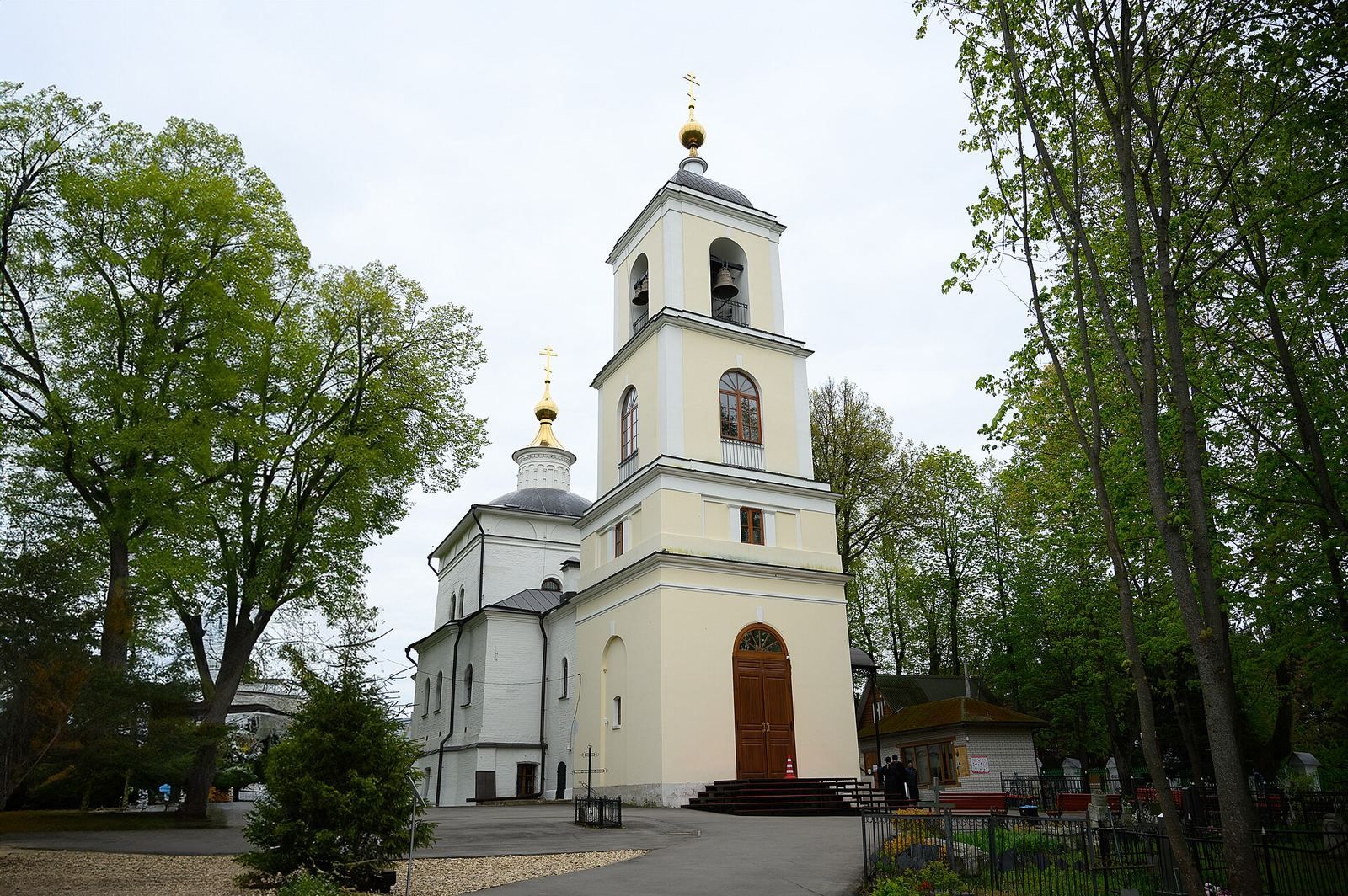
The church is described as having one dome. Its original form had three domes, a bell tower, a refectory, and chapels dedicated to St Nicholas the Wonderworker, an early Christian bishop associated with Myra, and St Sergius of Radonezh, a prominent medieval Russian monastic leader. During the repairs begun in 1760, the number of domes was reduced to one, the chapels were abolished, and some decorative treatment was removed. The rebuilding of 1840–1846 gave the church new facades. The old bell tower was dismantled and replaced on the same site by a four-tier tower. A heated chapel to St Nicholas was placed in the basement; the church is also described as having a lower chapel to St Nicholas and an upper chapel to St Sergius.
Zakharin family tomb chapel
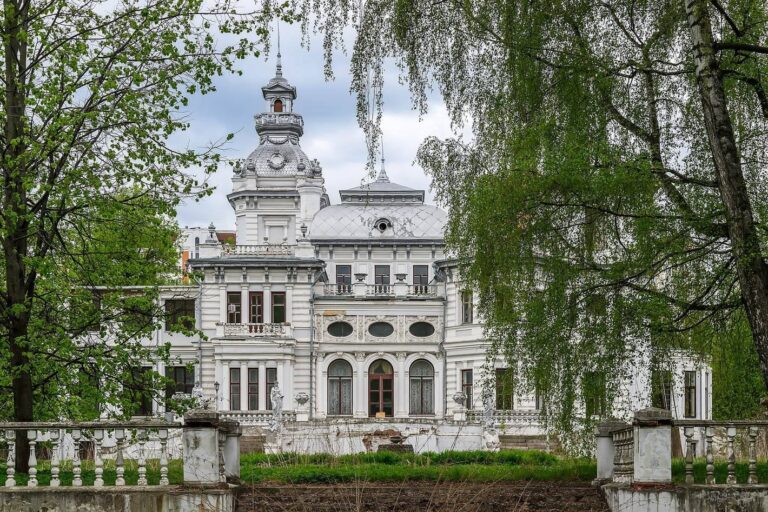
The Zakharin family’s chapel-tomb stands beside the church. Shekhtel designed the building, while Vasnetsov prepared designs for its mosaic decoration.
Cemetery
The parish cemetery includes the grave of icon painter Joseph Pankryshev and burials of former rectors. It also contains the graves of two Cossacks who served in the 1812 Patriotic War, 20 soldiers of the First World War, and 78 soldiers of the Second World War.
Sacred objects
The church’s sacred objects include relic fragments, physical remains or objects associated with saints, of Macarius the Great, an early Egyptian monk, and John of Riga, an Orthodox martyr. Two religious images, or icons, also contain relic fragments: one of Luke of Crimea, a twentieth-century Orthodox bishop and physician, and one of Spyridon of Trimythous, an early Christian bishop.