Church of the Resurrection in Plenitsy: A Moscow Baroque Orthodox Church
Site at a Glance
- Popularity
- Very Low
- Country
- Russia
- Primary era
- Early Modern
- Eras represented
- Early Modern
- Civilizations
- Russian
- Site type
- Religious
- Remains
- Church
On this page7 sections
History
Foundation and Monastic Use
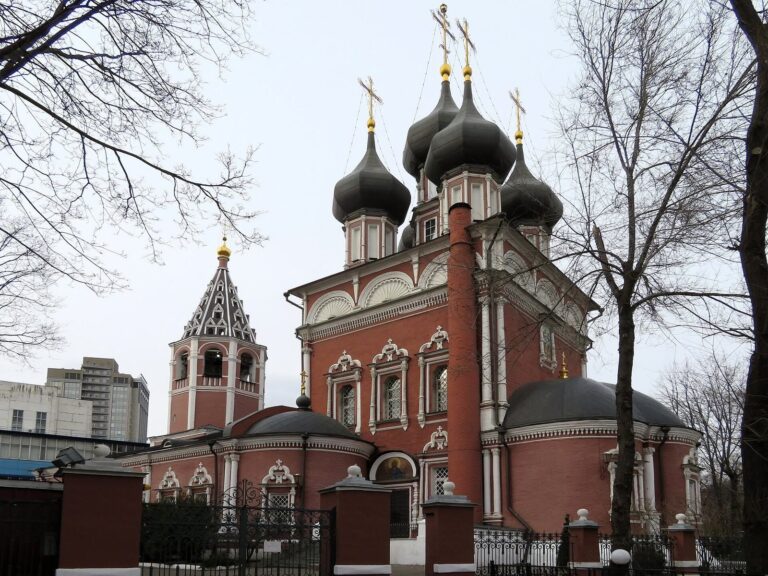
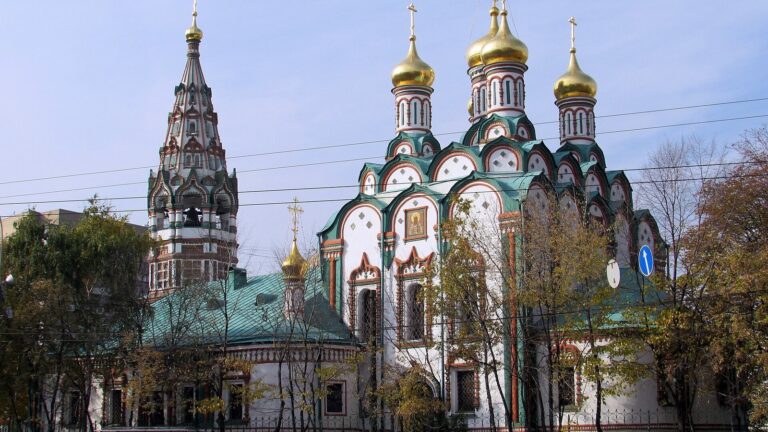
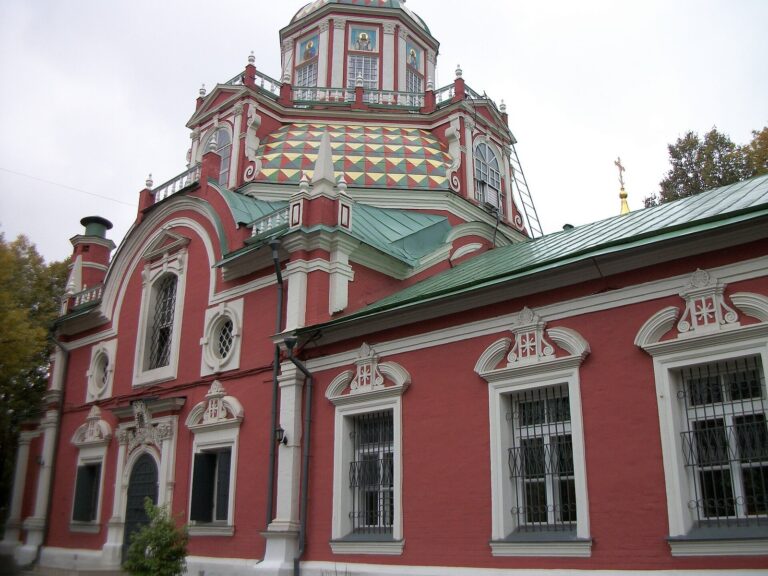
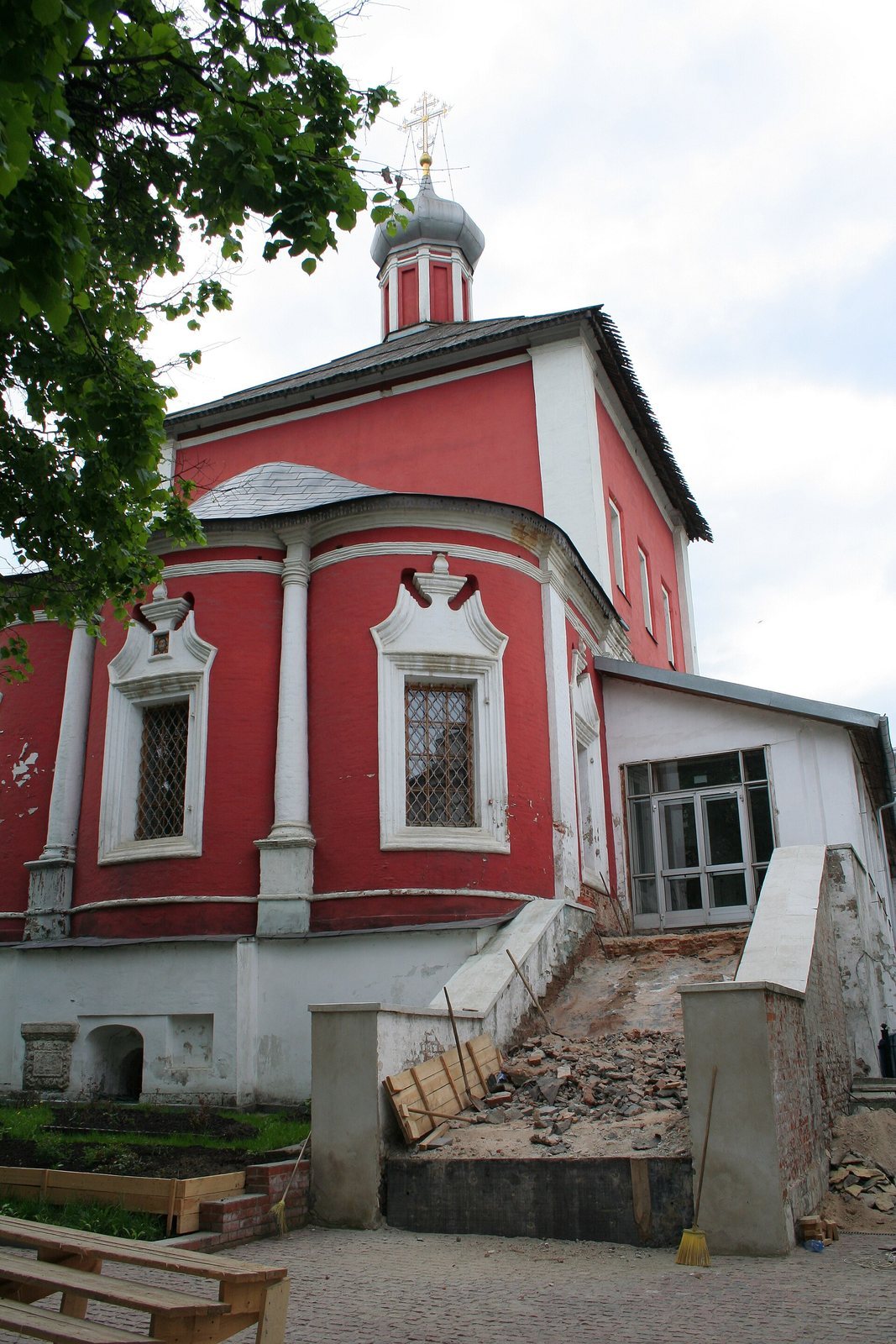
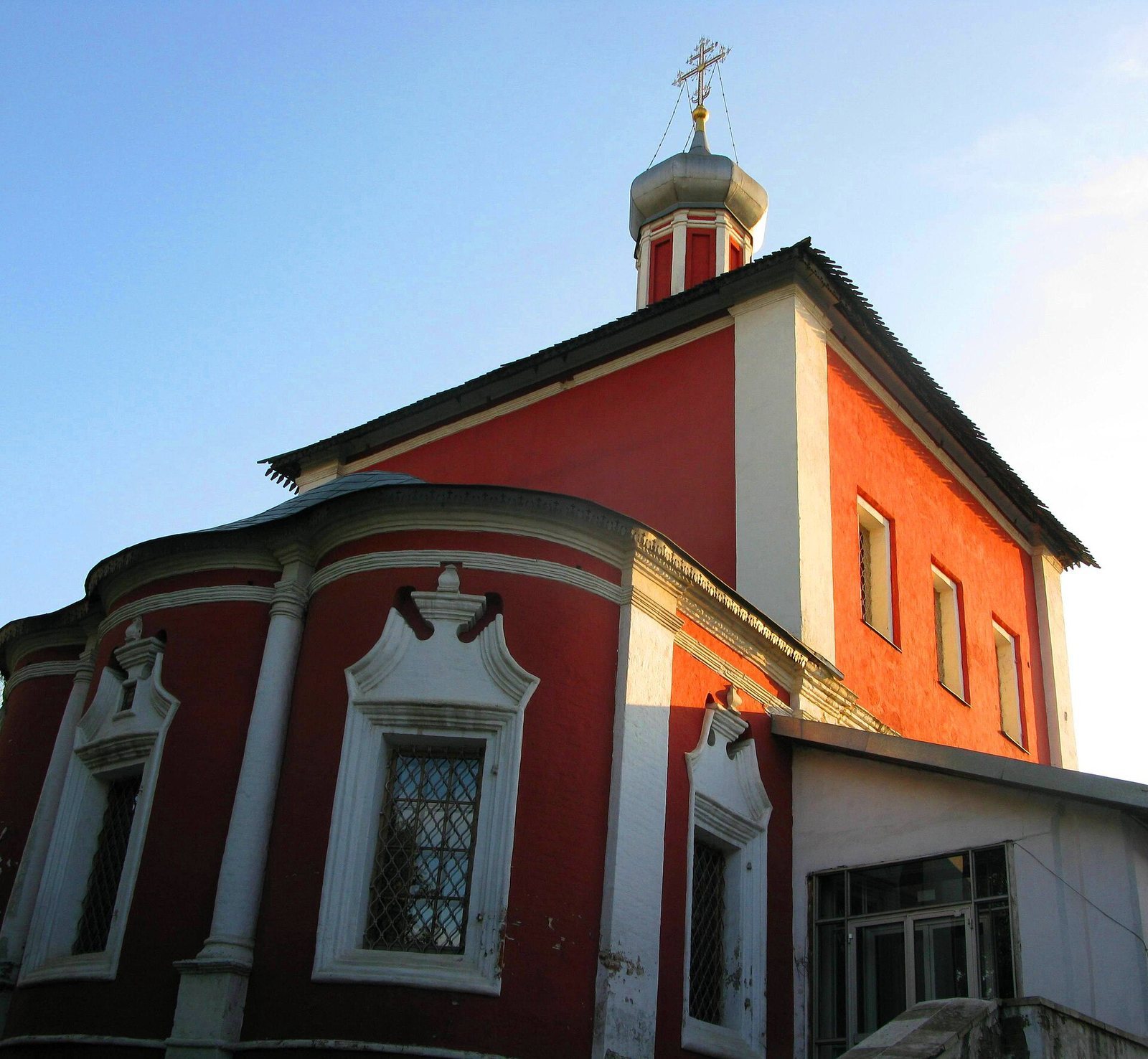
The Church of the Resurrection in Plenitsy is an Orthodox church within St Andrew’s Monastery, on the Moscow River in Russia. A Church of the Resurrection of Christ stood at Plenitsy in 1648. Fyodor Rtishchev, a seventeenth-century Russian statesman and benefactor, funded the present church, built from 1689 to 1701 in the Moscow Baroque style, a Russian Baroque tradition associated with Moscow. Stefan Yavorsky, then metropolitan, a senior bishop, of Ryazan and Murom, consecrated it in 1703.
Two explanations have been proposed for the name Plenitsy. One connects it to weaving and to rafts tied below the steep riverbank before being sent downstream. The other traces it to a nearby village. An inscription on an icon of Saint Andrew Stratelates, a Christian saint whose title means “general,” says the icon came from a nearby village, lending support to that explanation.
In 1764, a reform under Empress Catherine II abolished the monastery, and the church became a parish church. From 1803, the Moscow Merchant Society, an organization of the city’s merchants, used the monastery premises as an almshouse, a residential care institution. The church served the residents as its house church. A parish school operated from 1900 to 1917, following an initiative by the rector, priest Nikolai Molchanov.
Reuse and Return to Worship
The almshouse closed in 1924, and the monastery buildings, including its churches, were used for housing until 1964. In 1925, at workers’ request, the Moscow Soviet transferred the church for use as a club for employees of the First Moscow Factory of Goznak, a state organization that produced currency and other security documents. Restoration from 1967 to 1971 recovered the church’s exterior appearance.
Services resumed on 8 March 1992, and the church was reconsecrated on 22 April that year. It remains an active Orthodox church in the Moscow Diocese and the Paraskeva-Pyatnitsa Deanery, an administrative district within the diocese. Russia designates it a cultural heritage site of federal significance.
Remains
Church Setting and Features
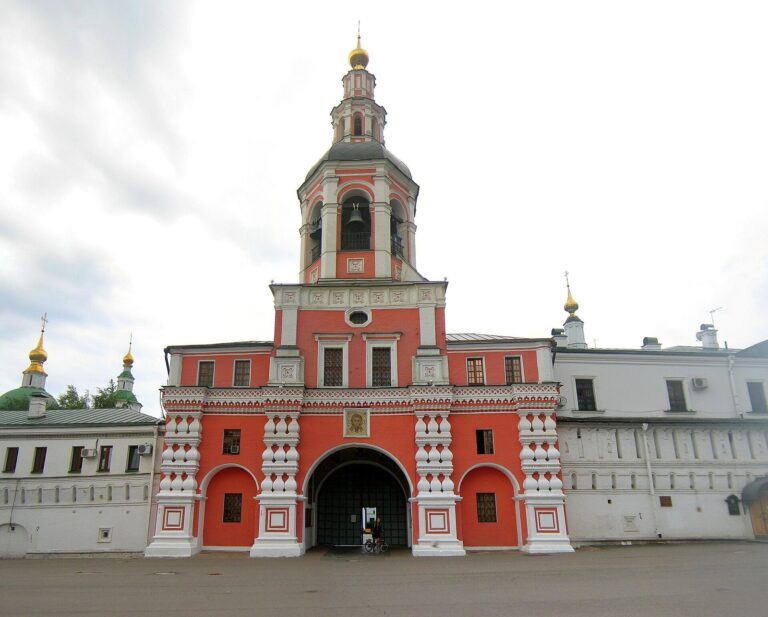
The church stands within St Andrew’s Monastery, between Neskuchny Garden and Sparrow Hills, on the bank of the Moscow River. Its Moscow Baroque architecture forms the principal built feature described within this setting.
Lower-Level Chapel and Burial Chamber
A chapel dedicated to Saint Theodore Stratelates, a Christian saint whose title means “general,” occupies the church’s lower level. Beneath the chapel is a burial chamber. A legend identifies Fyodor Rtishchev as buried there.
Kazan Icon
The church preserves a revered icon of the Mother of God associated with Kazan.