Church of the Nativity of the Virgin Mary in Sobota: A Late Gothic Parish Church
Site at a Glance
- Popularity
- Very Low
- Country
- Poland
- Primary era
- Early Modern
- Eras represented
- Early Modern, Modern
- Civilizations
- German, Kingdom of Poland, Kingdom of Prussia
- Site type
- Religious
- Remains
- Church
On this page7 sections
History
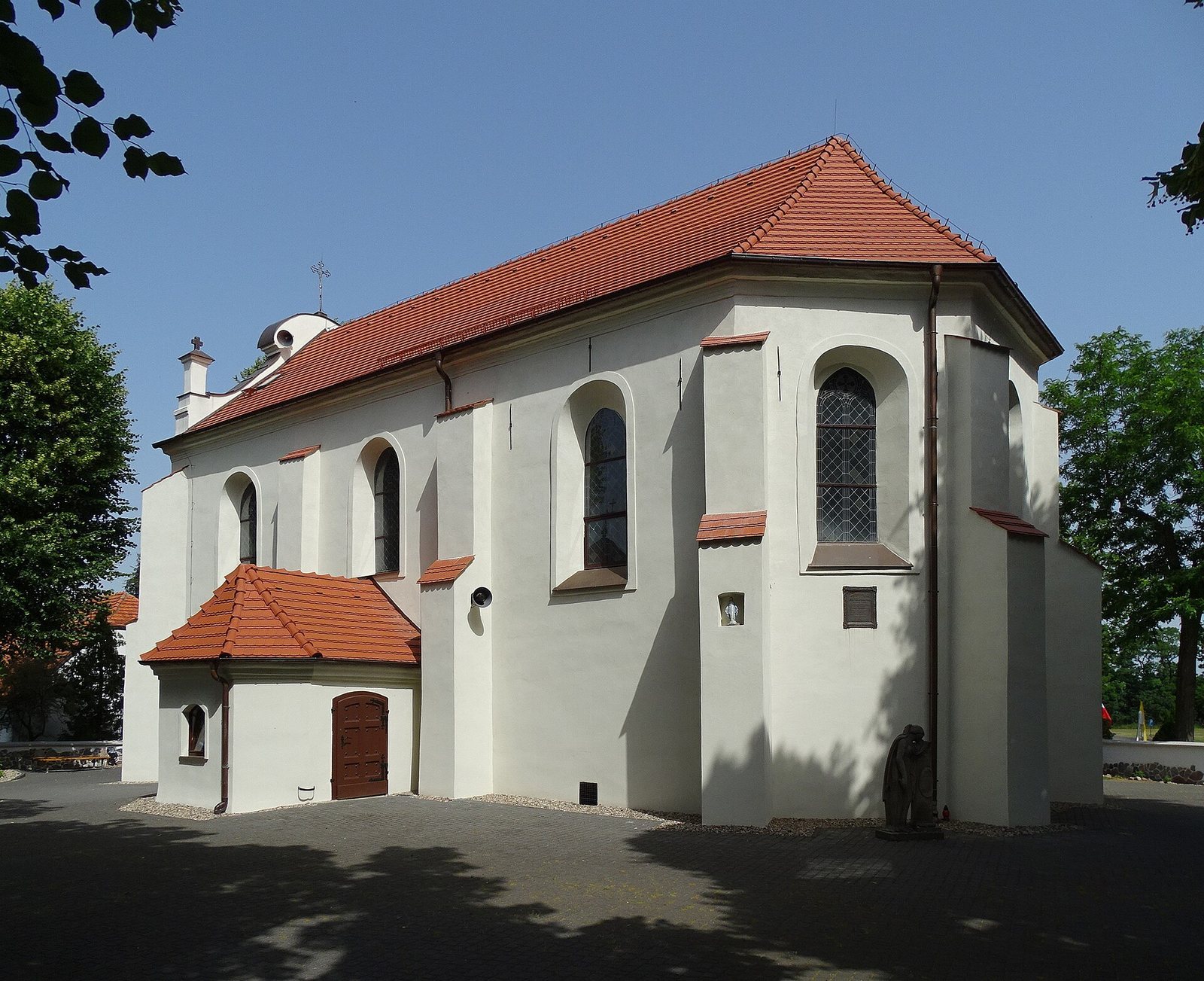
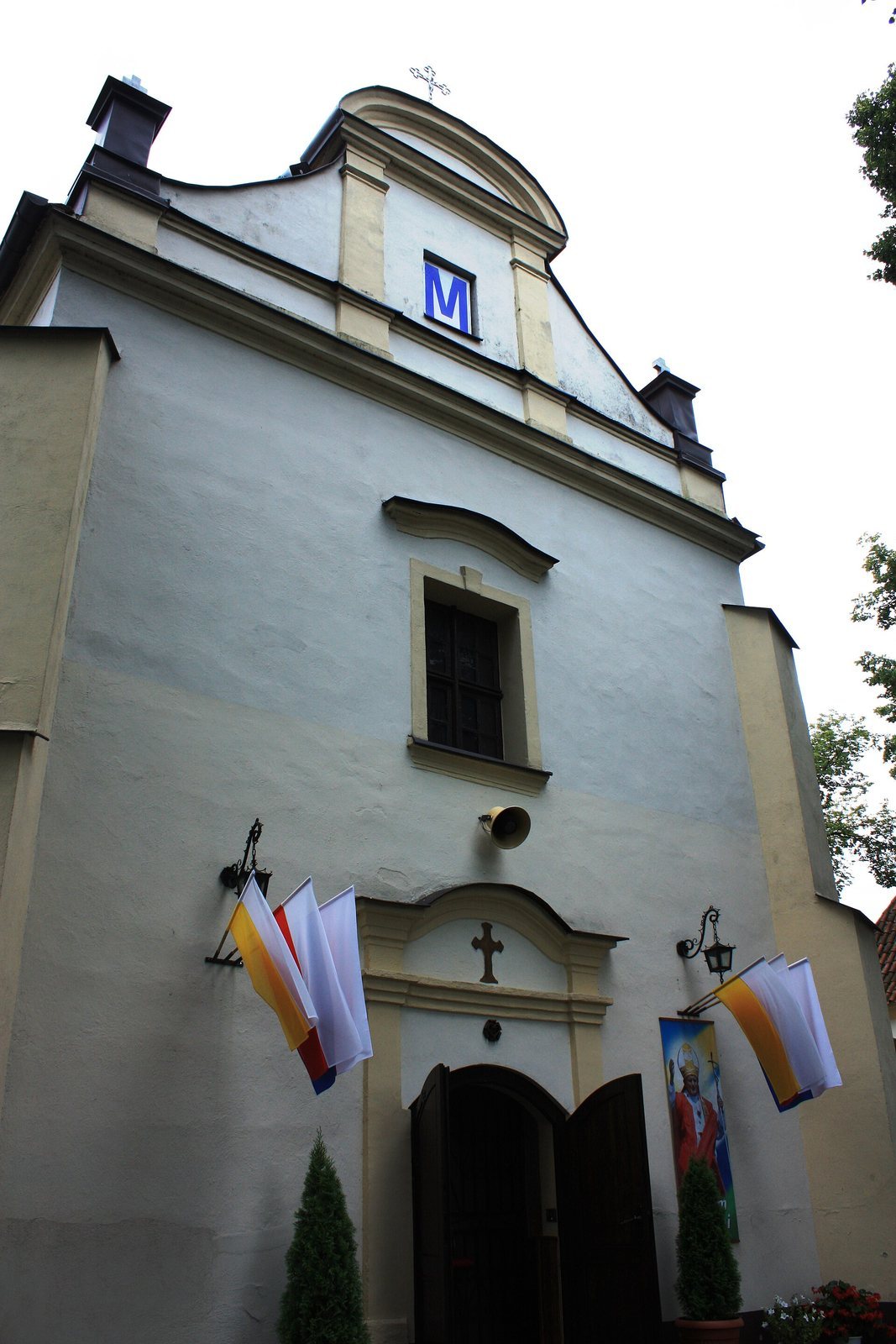
The Church of the Nativity of the Virgin Mary in Sobota is a brick Roman Catholic parish church in Poland, built from 1510 to 1517 in the late Gothic style, the final phase of Gothic architecture in the later Middle Ages. Its builder was Jan Sobocki, the local parish priest, a cathedral canon (a member of a cathedral chapter), and owner of Sobota.
The parish at Sobota probably began in the thirteenth century. Its first recorded priest appears in a document dated 1367, and the earlier church was made of wood.
Repairs and wartime disruption
In 1780, canon Ksawery Moraczewski arranged repairs when the church was at risk of collapse. Priest Maksymilian Baraniecki, its subsequent owner, oversaw renovation in 1894. The freestanding bell tower and the stone wall around the church were added to the historic-monuments register on 21 December 1932.
During the Second World War, German forces looted the church and used it as a warehouse. Repair campaigns followed in 1975–1981 and 1982–1993.
The church remains a Roman Catholic parish church dedicated to the Nativity of the Virgin Mary and has sanctuary status, a designation for a sacred place associated with particular devotion or pilgrimage. Its annual indulgence feast, a Catholic observance tied to remission of temporal punishment for sin under prescribed conditions, takes place on the first or second Saturday in September.
Remains
The church is a single-nave brick building within a stone wall. Its freestanding bell tower stands inside the enclosure. The late Gothic church and its surrounding structures form the principal elements of the site.
Interior fittings and memorials
Altar and organ
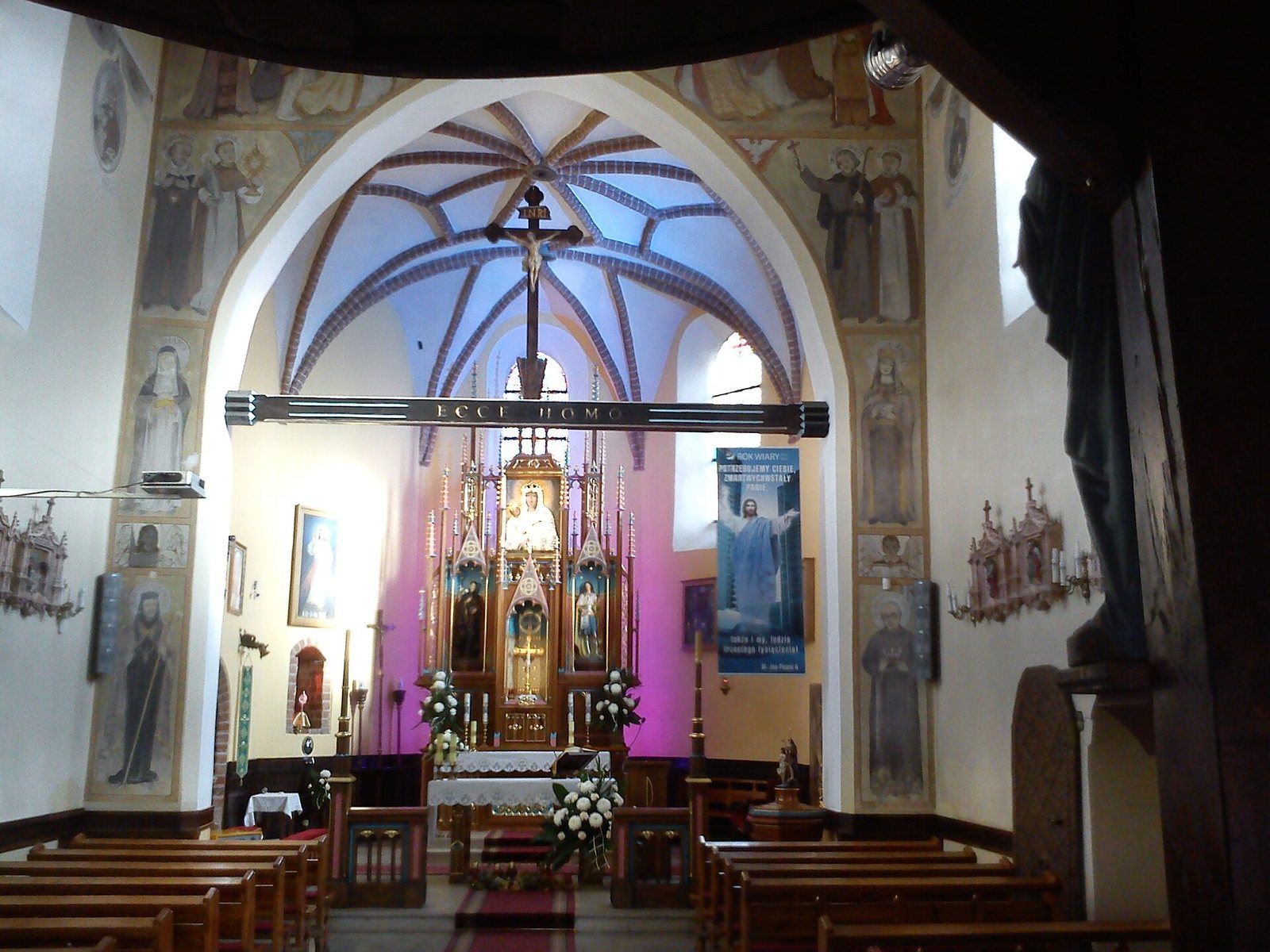
The church has one altar, with a marble table, dating from 1906. It holds an image of Our Lady of Sobota from 1794, venerated as miraculous. The organ has seven stops (sets of pipes producing different tones), one keyboard, and a pedal.
Commemorative plaques
Plaques set into the church commemorate Sobota estate owners Teofil Urbanowski (1802–1875) and Emilia Urbanowska, née Laszkowska (1809–1881). Others remember Stanisław and Jan Nowak, who fell in the First World War in 1915 and 1918, and Józef Frydrychowicz, born in 1882, a Greater Poland insurgent and victim of the Nazis. The Greater Poland Uprising was a Polish revolt against German rule in the region in 1918–1919. A plaque dated 1883 honors King Jan III Sobieski and the 1683 victory at Vienna, where Polish forces helped lift the Ottoman siege.
Tomb of Ignacy Laszkowski
Beside the church stands a Romantic-style tomb for Ignacy Laszkowski, an estate owner of Sobota and Bytkowo. The monument takes the form of a broken column, against which a weeping girl leans.