Church of St. Martin in Trstená: A Gothic Parish Church in Slovakia


Site at a Glance
- Rating
- 4.7
- Popularity
- Low
- Country
- Slovakia
- Primary era
- Medieval
- External website
- Open
- Eras represented
- Medieval, Early Modern
- Civilizations
- Habsburg, Hungarian
- Site type
- Religious
- Remains
- Fortified Church
On this page5 sections
History
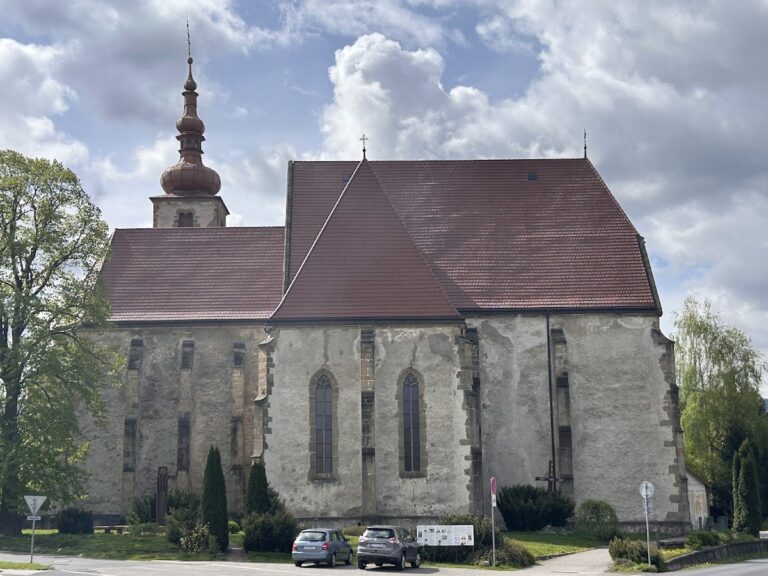
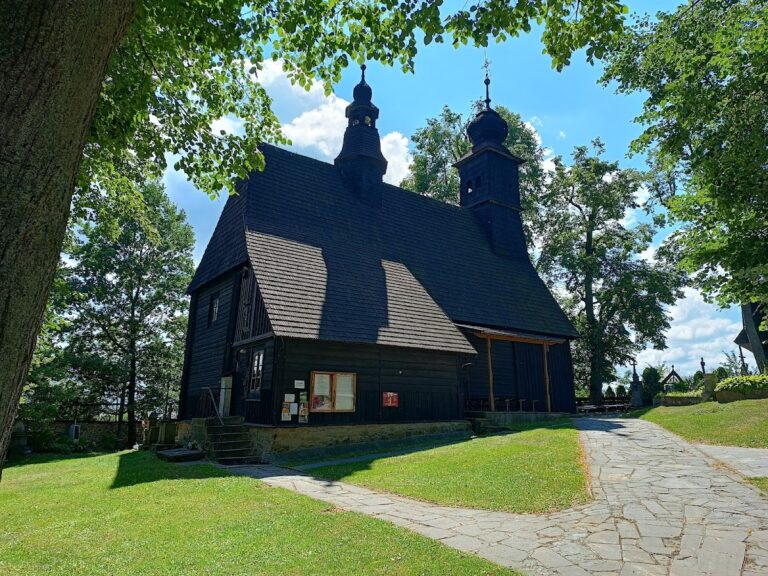
The Church of St. Martin in Trstená is a Gothic Roman Catholic parish church in Slovakia, dedicated to St. Martin of Tours, a fourth-century Christian bishop widely venerated in Western Christianity. Built on Gothic foundations probably dating from the fourteenth or fifteenth century, the church is also dated to the fourteenth century.
Parish and Ecclesiastical Setting
The church belongs to the Trstená parish and deanery within the Diocese of Spiš. The diocese is part of the Eastern Province, an ecclesiastical province that groups dioceses within the Roman Catholic Church. A deanery is a regional subdivision of a diocese, while a parish is the local pastoral unit.
Alterations and Reconstruction
The building was altered several times. Its first major rebuilding took place between 1710 and 1747, ending with the construction of a Baroque onion-shaped tower. The church suffered substantial damage during the Second World War and was reconstructed from 1946 to 1948.
Remains
The church is a stone Gothic structure set on Gothic foundations. Its medieval architectural character belongs to the Gothic style, associated with pointed arches, ribbed vaults, and an emphasis on verticality, while later work introduced Baroque forms. The Baroque tower has an onion-shaped profile. Around the church, the surrounding fortification walls contain stone confessionals formed as niche-like recesses. A polygonal Chapel of the Holy Cross also stands in the church’s surrounding area.
Interior Furnishings
The interior retains Baroque church furnishings from the mid-eighteenth century, including patronal pews, which were designated seats historically reserved for a church patron or prominent family. Free-standing sculptures from the eighteenth century form part of the furnishings. Other objects include a semi-rustic statue of the Virgin Mary from the mid-eighteenth century and a folk nativity scene with large figures dating from the beginning of the nineteenth century.