Church of Pietà dei Turchini: A Baroque Catholic Church in Naples
Site at a Glance
- Popularity
- High
- Country
- Italy
- Primary era
- Early Modern
- Eras represented
- Early Modern
- Civilizations
- Kingdom of Naples, Spanish
- Site type
- Religious
- Remains
- Church
On this page11 sections
History
The Church of Pietà dei Turchini is a Roman Catholic Baroque church in Naples, Italy, built between 1592 and 1595 as part of a charitable complex established by the Bianchi dell’Oratorio. Its history is closely connected to care for vulnerable children and to a music conservatory that became one of Naples’ four important music schools.
The confraternity and the church
The Bianchi dell’Oratorio, a religious confraternity whose members wore white robes, cared for boys living on the streets, orphans, and abandoned children. The community first lived at Santa Maria Incoronata on Rua Catalana. As it grew, it moved to Via Medina and established a church, an orphanage, and the Conservatorio della Pietà dei Turchini. The orphanage later closed.
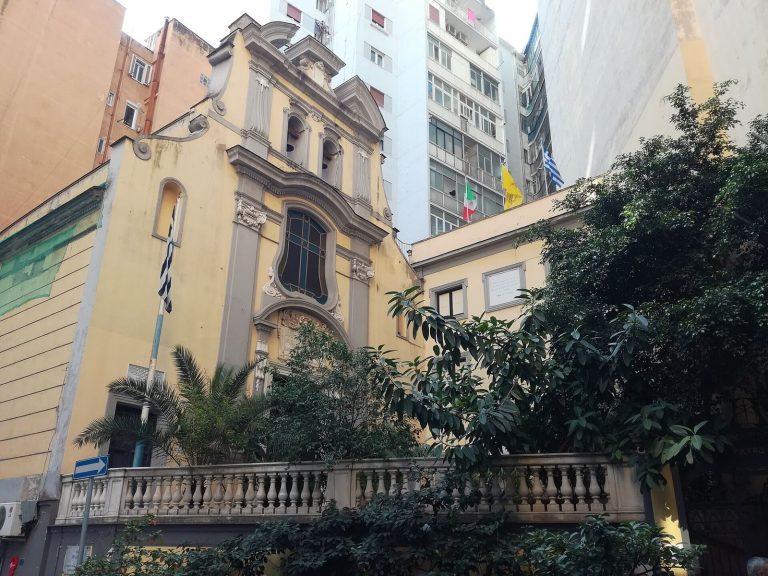
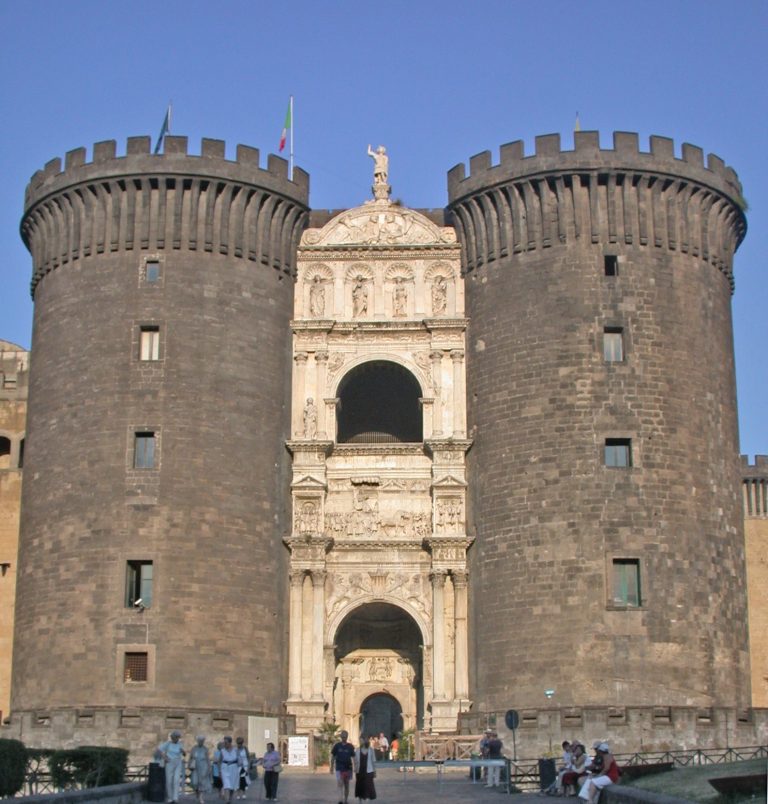
The church was enlarged between 1633 and 1639. A separate small church associated with the confraternity on Rua Catalana was almost destroyed in an explosion at Castel Nuovo in 1638 and rebuilt in 1638–1639. The name Pietà dei Turchini refers both to the image of Mary mourning Christ, known as a Pietà, and to the turquoise clothing worn by children in the orphanage.
The conservatory
The conservatory trained children in the arts, particularly music and singing. Its pupils included a composer identified by the surname Scarlatti, Giovanni Battista Pergolesi, and Giovanni Paisiello.
In 1808, during the French period, Naples’ conservatories were combined in a new institution, initially based in the former monastery of San Sebastiano. The institution moved to the Conservatorio San Pietro a Majella in 1826.
Remains
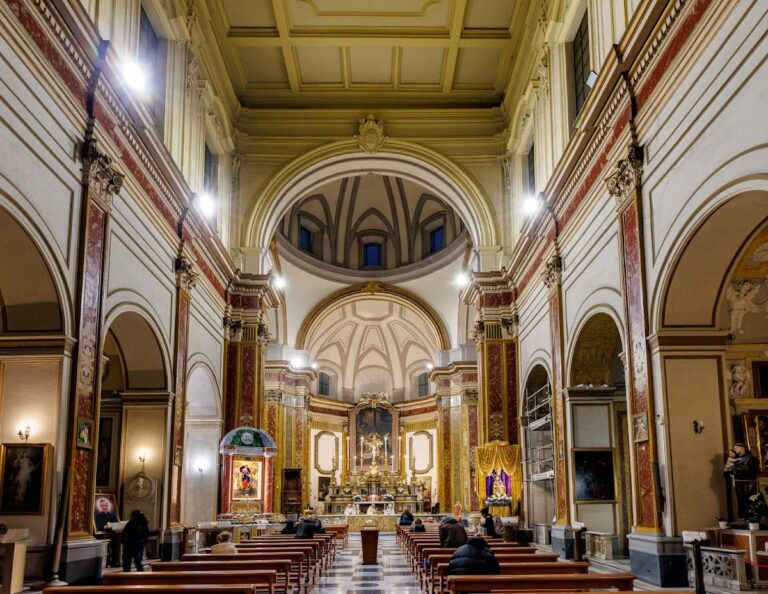
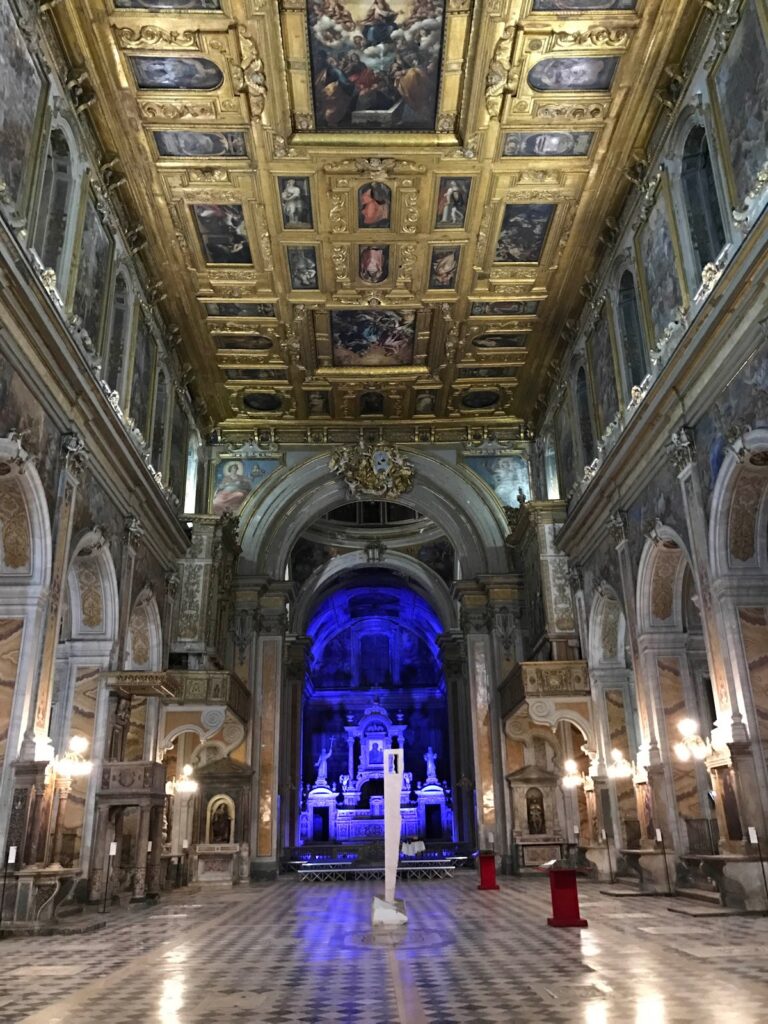
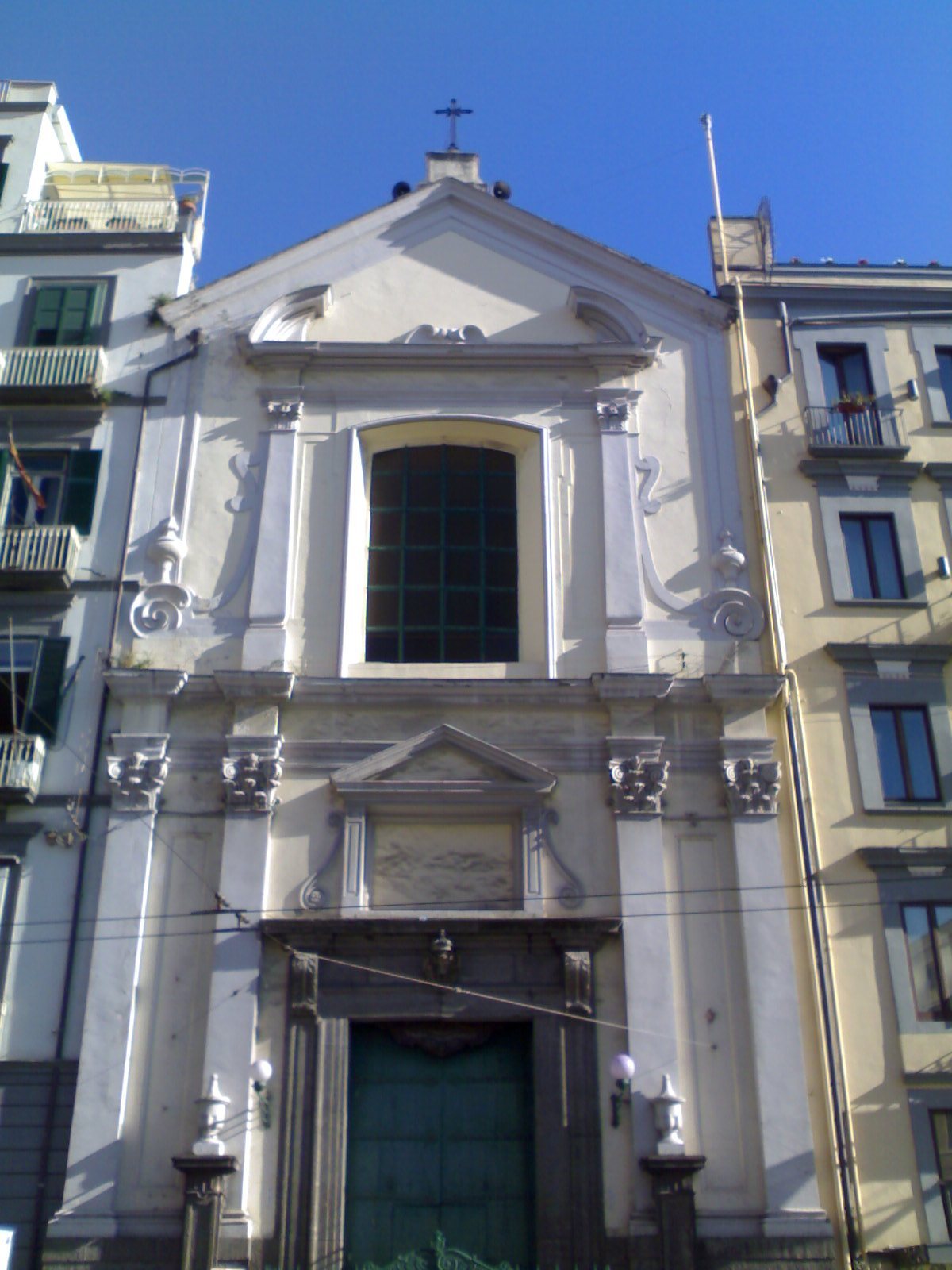
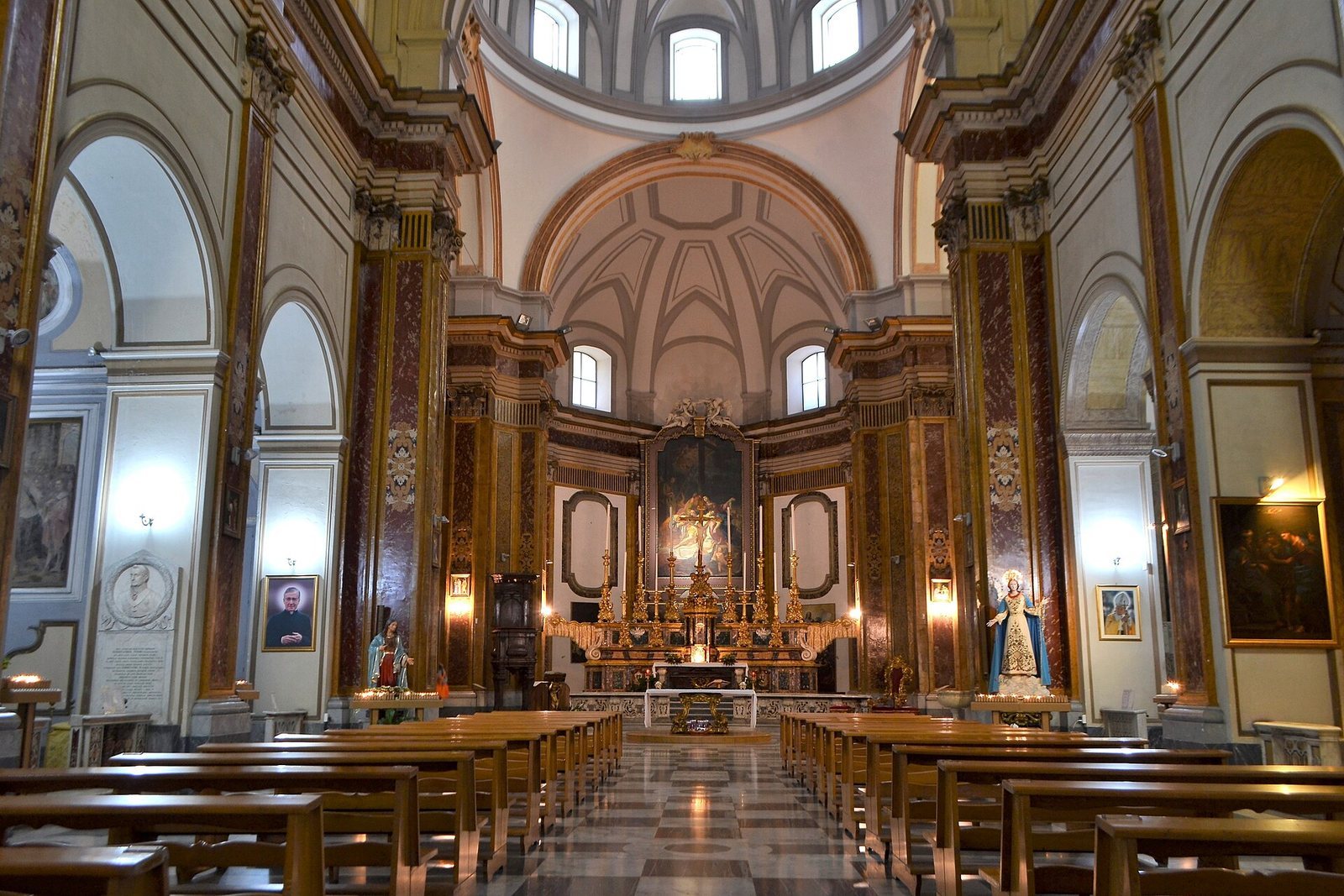
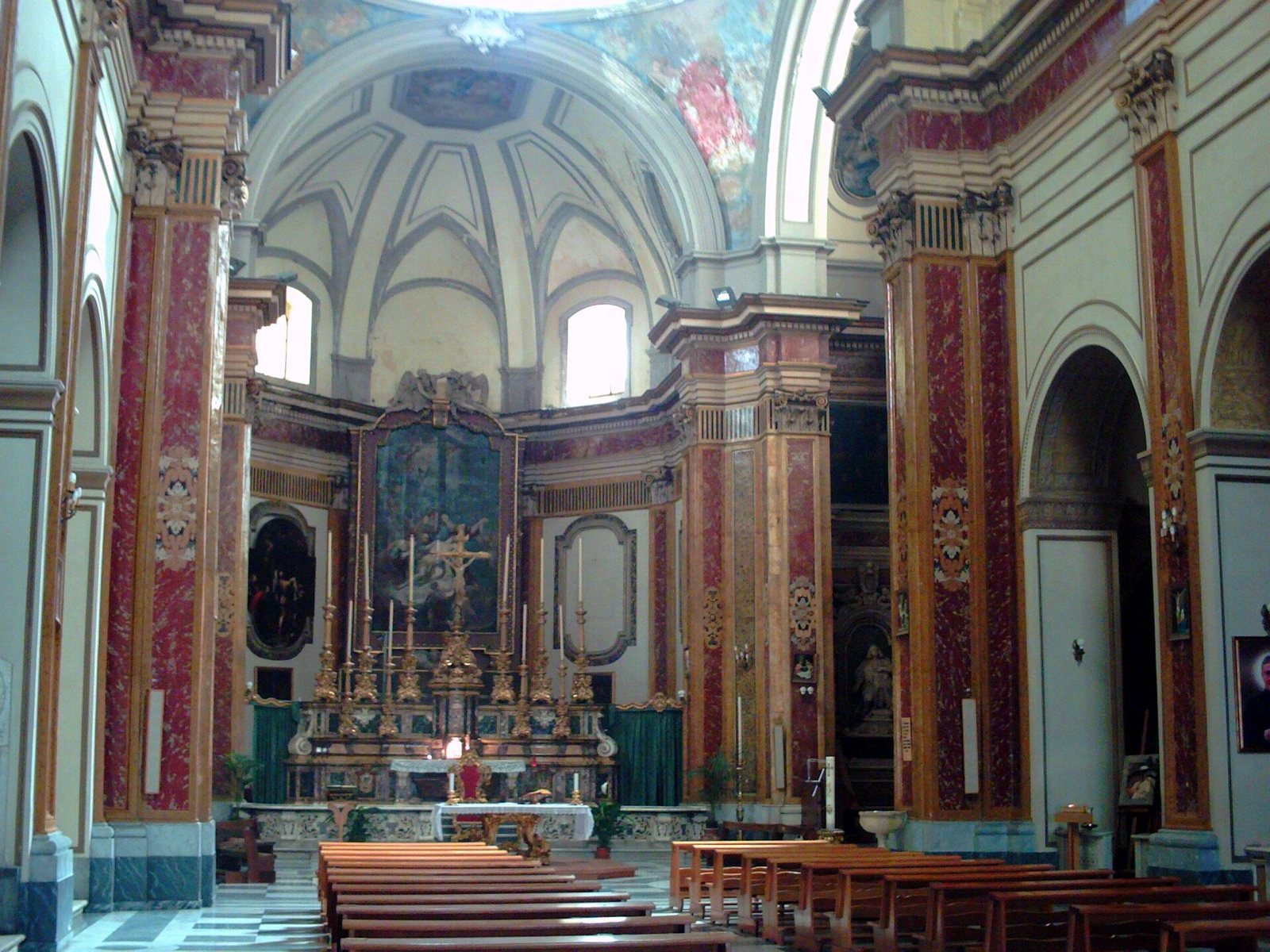
The Baroque church’s interior reflects the Counter-Reformation, the Catholic Church’s movement of renewal and response to the Protestant Reformation. Its original plan had a single nave and five side chapels; the later layout includes a transept, an apse, a dome, ten side chapels, and two large chapels in the transept. The façade, made by Bartolomeo Vecchione in 1769–1770, has ornate Rococo-style stucco decoration and stands behind a grille.
Interior chapels and artworks
Chapels on the left
The first chapel on the left contains Paolo de Matteis’s Death of Saint Joseph. Paintings by Domenico Fiasella, brought from the nearby Church of San Giorgio dei Genovesi, are on the church’s side walls. A panel of the Annunciation in the third chapel is attributed to Belisario Corenzio. In the fourth, dedicated to Saint Nicholas, Agostino Beltrano’s frescoes depict episodes from the saint’s life; they are in poor condition. The fifth chapel contains Filippo Vitale’s Guardian Angel, Luca Giordano’s Deposition, and Paolo de Matteis’s Resurrection of Christ.
Chapels on the right
The first chapel on the right contains Giovanni Battista Rossi’s painting of Saint Januarius and Saint Anthony of Padua, alongside Francesco Romanelli’s Blessed Tolomei Healing a Possessed Woman. Andrea Molinaro’s Our Lady of the Rosary, made for Leonardo Genoino, is in the second chapel. Its side walls hold two paintings by Luca Giordano, Saint Hyacinth Crossing the Borysthenes and Saint Rose of Lima Having a Vision of the Madonna. Battistello Caracciolo’s Earthly Trinity, also called the Holy Family and dated 1617, is in the third chapel; its style shows a strong influence from Caravaggio. Andrea Vaccaro painted episodes from the Passion of Christ for the fourth chapel.
Transept chapels
Giacinto Diano decorated the large chapel in the left transept around 1780 with scenes of the Nativity of Jesus. The large chapel in the right transept is dedicated to Saint Anne. Its paintings include works by Andrea and Nicola Vaccaro and by Giacomo Farelli, whose scenes show the Birth and Death of the Virgin. Crescenzo Gamba’s Exposition of the Dead Christ by Angels is also in this chapel.
High altar and apse
Giovanni Atticciati made the main altar between 1770 and 1773 using polychrome marble. The Pietà on the high altar dates from around 1780. Luca Giordano’s Finding of the True Cross, originally made for the sacristy, is now in the apse.
Sacristy
Reached from the left side of the church, the sacristy contains Juan Do’s Nativity. Do was a Spanish painter associated with Jusepe de Ribera, who worked in Naples.
Ceiling and dome
The ceiling’s painted decoration included canvases by Giuseppe Marullo, made around 1646, and by Annella di Massimo. Luca Giordano’s Ascension, painted for the dome, was destroyed during the American bombing of 1943.