Church of Agios Athanasios, Fourka: A Late-Medieval Orthodox Cemetery Church


Site at a Glance
- Rating
- 4.6
- Popularity
- Very Low
- Country
- Greece
- Primary era
- Early Modern
- Eras represented
- Early Modern
- Civilizations
- Ottoman
- Site type
- Religious
- Remains
- Church
On this page6 sections
History
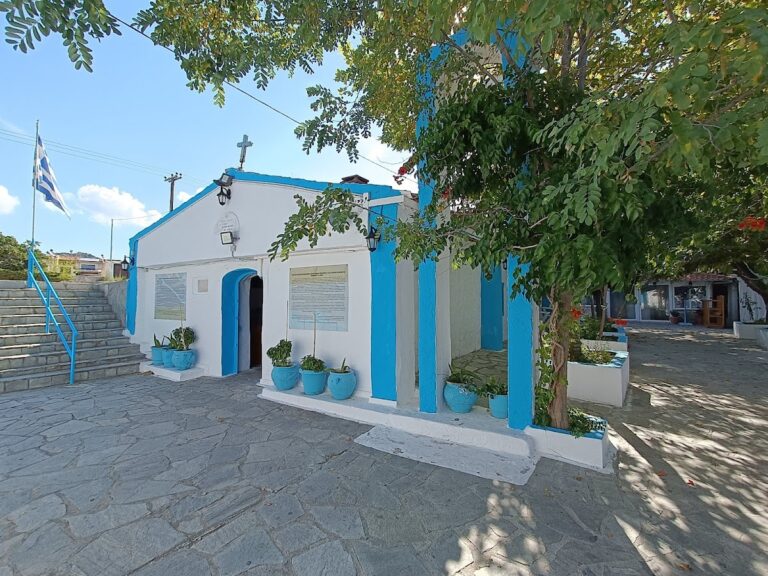
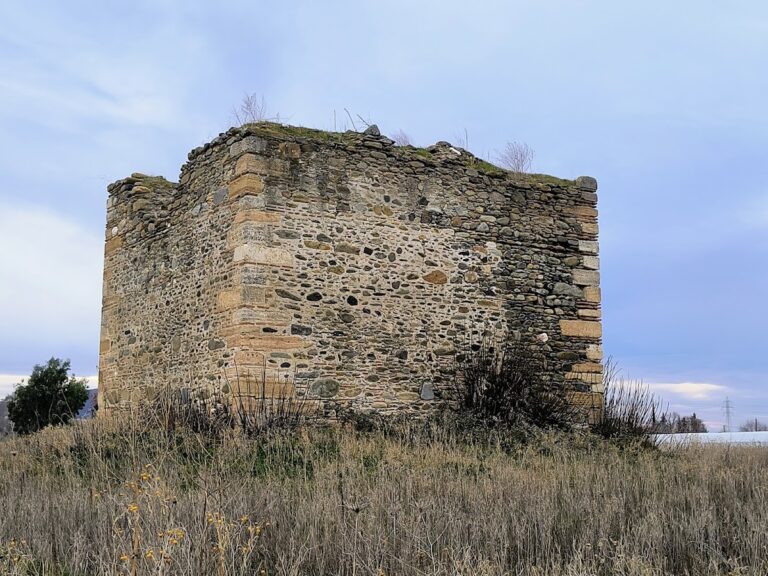
The Church of Agios Athanasios, Fourka, is a late-medieval Orthodox church in Greece, dated to the sixteenth century or approximately 1600. It is affiliated with the Ecumenical Patriarchate, the senior-ranking patriarchate of the Eastern Orthodox communion, and the Diocese of Kassandria, the Orthodox ecclesiastical district serving the Kassandra area. Its original purpose is uncertain, while its present role is that of the village cemetery church.
An Early Christian predecessor
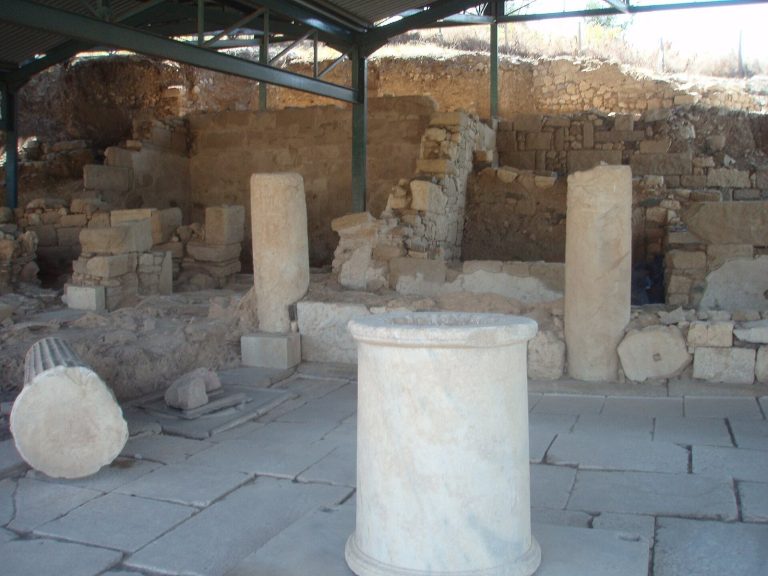
The building incorporates material from an earlier Early Christian church, meaning a church from late antiquity and the first centuries of Christianity. That predecessor dates to the fifth or sixth century and was probably located on the site of the present church. A reused marble element carries an inscription meaning “for the prayer of Vincentius,” and Vincentius was probably the founder of the earlier church. Pagan funerary stelae, upright stones marking graves or commemorating the dead, were also reused in the masonry. One of them is a third-century stele commemorating Licinia, daughter of Licinius.
Fire, restoration, and later recognition
The church was burned in 1821 during the Chalkidiki uprising, a local Greek revolt against Ottoman rule during the broader Greek War of Independence. It was probably restored around 1830. In 1981, the church was designated a cultural monument. It is one of seven churches in Chalkidiki retaining wall paintings created before 1821, alongside churches in Fourka, Nea Skioni, Kassandrino, Nikiti, and at a dependency of the Monastery of Saint Anastasia.
Remains
Setting and reused masonry
The church stands on the left bank of the stream arriving from Kassandrino. Its masonry contains spolia, architectural elements taken from an earlier building and reused in a later structure. Marble pieces from the Early Christian predecessor are built into the walls, with two positioned in front of the entrance. Reused pagan funerary stelae also remain within the masonry, including the third-century stele dedicated to Licinia, daughter of Licinius.
Surviving wall paintings
The nave was probably originally covered with wall paintings. Fire damage in 1821 and the subsequent lack of maintenance left the paintings in poor condition. Several fresco fragments survive on the north wall, while the west wall retains a complete scene of the Dormition of the Virgin, the Christian depiction of the death and burial of the Virgin Mary. The Apostles are shown moving on clouds so they can arrive in time for the burial. On stylistic grounds, the surviving frescoes date to the beginning of the seventeenth century and are attributed to a painter influenced by the Cretan School, a major Byzantine and post-Byzantine tradition of religious painting associated with Crete.