Notre Dame de Tyre: Armenian Church and Former Benedictine Abbey in Nicosia
Site at a Glance
- Rating
- 4.3
- Popularity
- Very Low
- Country
- Cyprus
- Primary era
- Medieval
- Eras represented
- Medieval, Early Modern, Modern
- Civilizations
- Crusader, Kingdom of Cyprus, Ottoman
- Site type
- Religious
- Remains
- Church
On this page11 sections
History
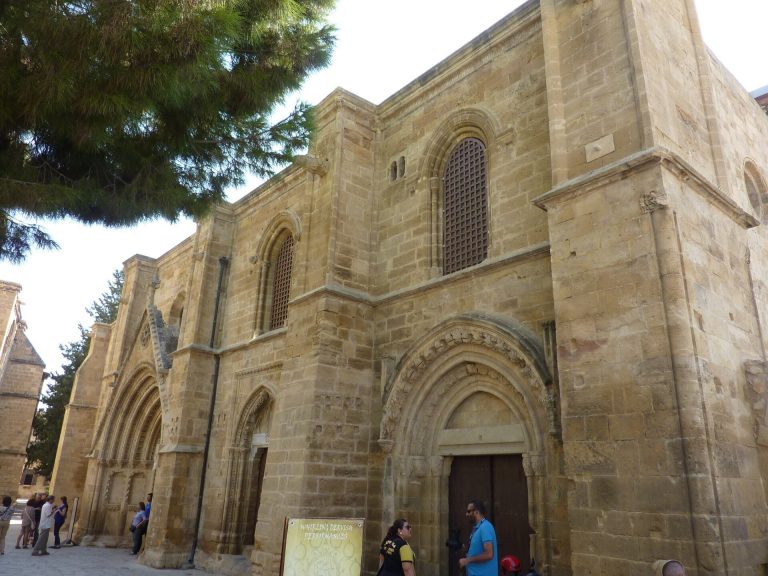
Notre Dame de Tyre is a Gothic church in Nicosia, Cyprus, in the city’s Arab Ahmet quarter. Also known as Our Lady of Tyre, it is affiliated with the Armenian Apostolic Church, an ancient Oriental Orthodox church with its own liturgical and ecclesiastical tradition, and with the Armenian Metropolitanate of Cyprus. The origins of the site are uncertain. The church and monastery are associated with the thirteenth century, while an earlier tradition places construction in 1116 under Baldwin of Bouillon, King of Jerusalem.
Early Monastic Foundations
An eighth-century church connected with a Benedictine abbey may have stood on the site before the present foundation. Benedictines were members of a Western Christian monastic order. After the fall of Jerusalem in 1187, the institution housed the administration of several religious orders and came to be regarded as the principal monastery after Jerusalem.
Following the beginning of the Frankish period in Cyprus in 1192, when the island came under Latin Christian rule under the Lusignan dynasty, the monastery became an abbey for Carthusian nuns. Carthusians were another Western Christian monastic order. After Antioch fell in 1268 and Acre in 1291, Benedictine nuns settled there and initially shared the monastery with the Carthusians. An Armenian princess served as abbess from 1263, and her sister became abbess in 1308. An abbess was the woman who led a female monastic community.
Rebuilding and Armenian Jurisdiction
A major earthquake destroyed the monastery in 1303. King Henry II of Lusignan rebuilt it between 1308 and 1310, although the rebuilding may have begun in 1308. The monastery’s later history was increasingly connected with the Armenian community. Because many of its nuns were Armenian, the institution came under the jurisdiction of the Armenian Church between 1491 and 1504.
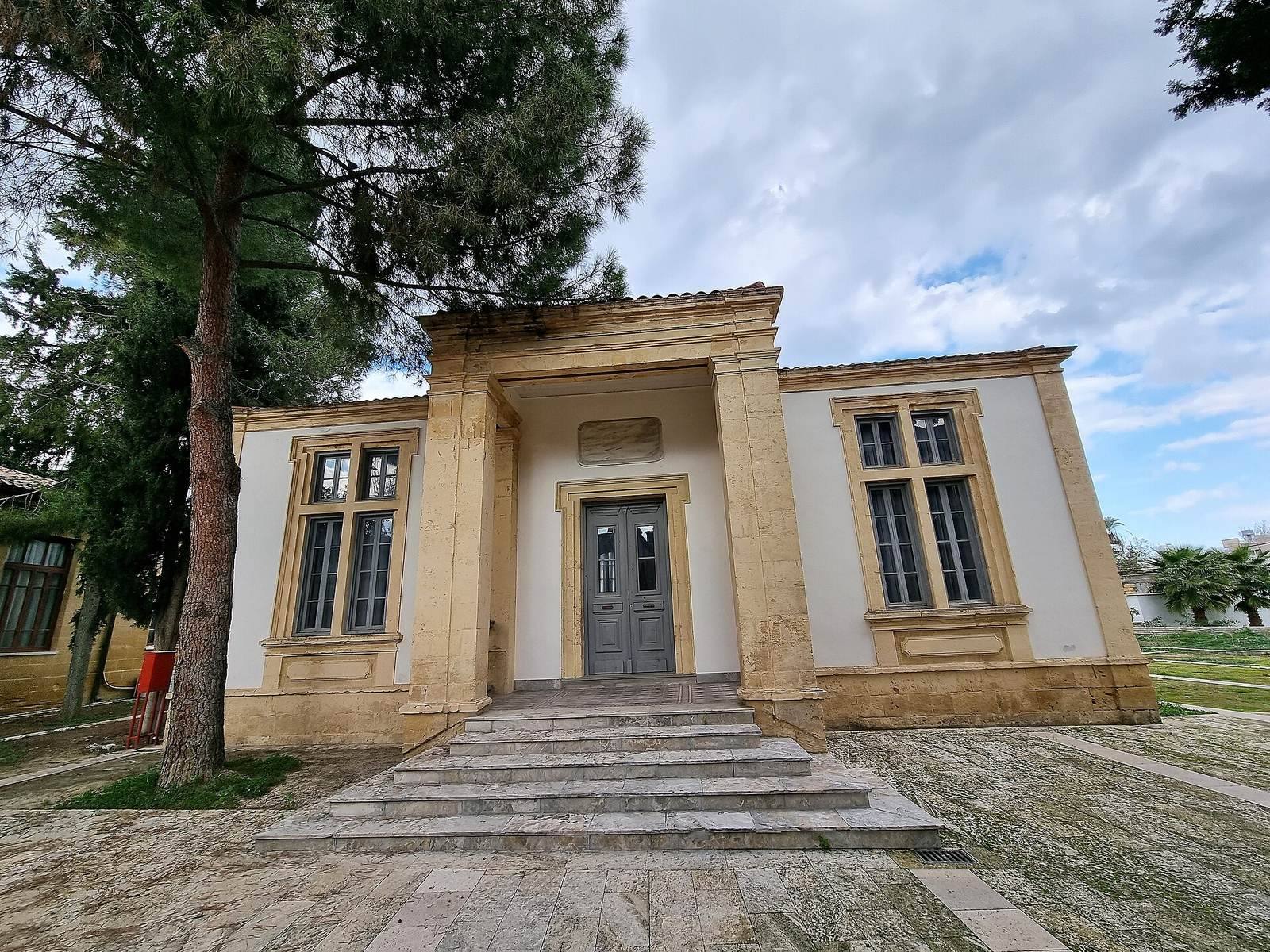
After the Ottoman conquest of Nicosia in 1570, Sultan Selim II granted the church to the Armenians and assigned them responsibility for guarding the Paphos Gate. Notre Dame de Tyre and the monastery thereafter stood at the centre of Nicosia’s Armenian Quarter. The surrounding Armenian institutional landscape included the Armenian Metropolitanate building, constructed in 1789, and several schools. A preschool built in 1950 occupied the former site of the Susanian girls’ school, founded in 1902. The Melikian Primary School was built opposite the church in 1921, while the Uzunian Primary School was built opposite the metropolitanate in 1938. From 1939, the two schools operated as a single Melikian–Uzunian school.
Restoration and Twentieth-Century Disruption
The church was restored in 1688, 1884, 1904, and 1930. It was declared an ancient monument on 18 December 1936. The surrounding quarter also contained a 1932 Armenian Genocide Monument beside the Uzunian School, described as the second-oldest monument of its type in the world. Other associated buildings included the Melikian family mansion, the Armenian Club south of the complex, the Armenian General Benevolent Union building west of it, and another association building about 200 metres farther west. The Melikian mansion was believed to have been the monastery’s original building and later housed the metropolitanate.
Intercommunal violence in 1963 and 1964 brought major disruption to the Armenian Quarter, which was taken over by the Turkish Resistance Organisation. From 1964 to 1974, the compound was used by the Turkish-Cypriot militia. After the 1974 Turkish invasion, Turkish soldiers used it as barracks. The church was damaged, neglected, and misused after the division of Nicosia and the invasion. Following the 1998 earthquake, the army left, and Anatolian settlers occupied the area until 2007.
These changes caused parts of the church and monastery to collapse and made extensive repair necessary. A preservation and restoration programme began in 2007 under the United Nations Development Programme and was completed in 2013. The work received the European Union Prize for Cultural Heritage in 2015. The Armenian community had lost access to the church and its metropolitanate after the division of Nicosia, so a new church was built beside the Nareg Armenian School in 1981. It received the same dedication in memory of the older church.
Remains
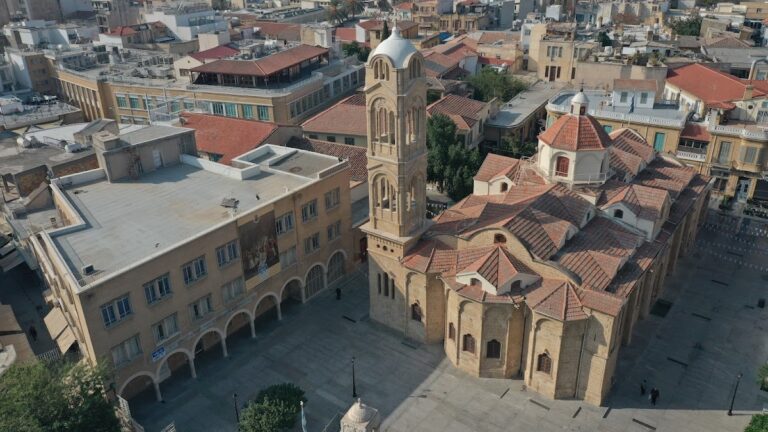
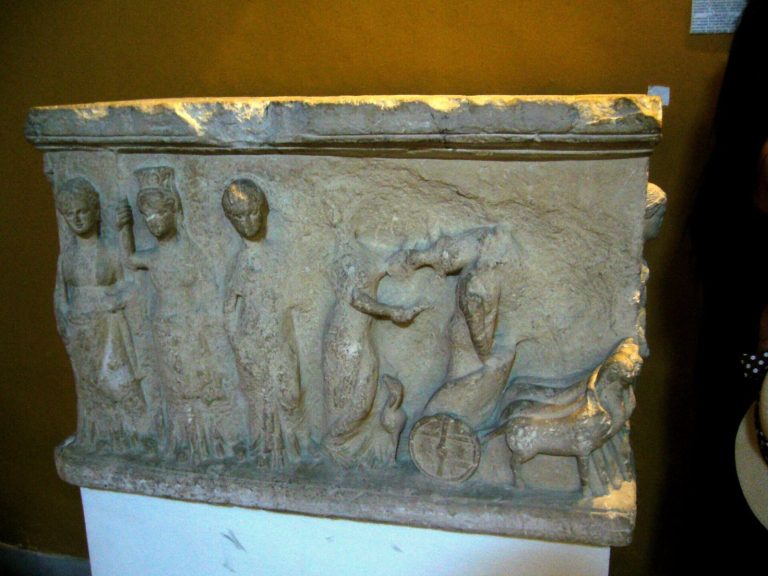
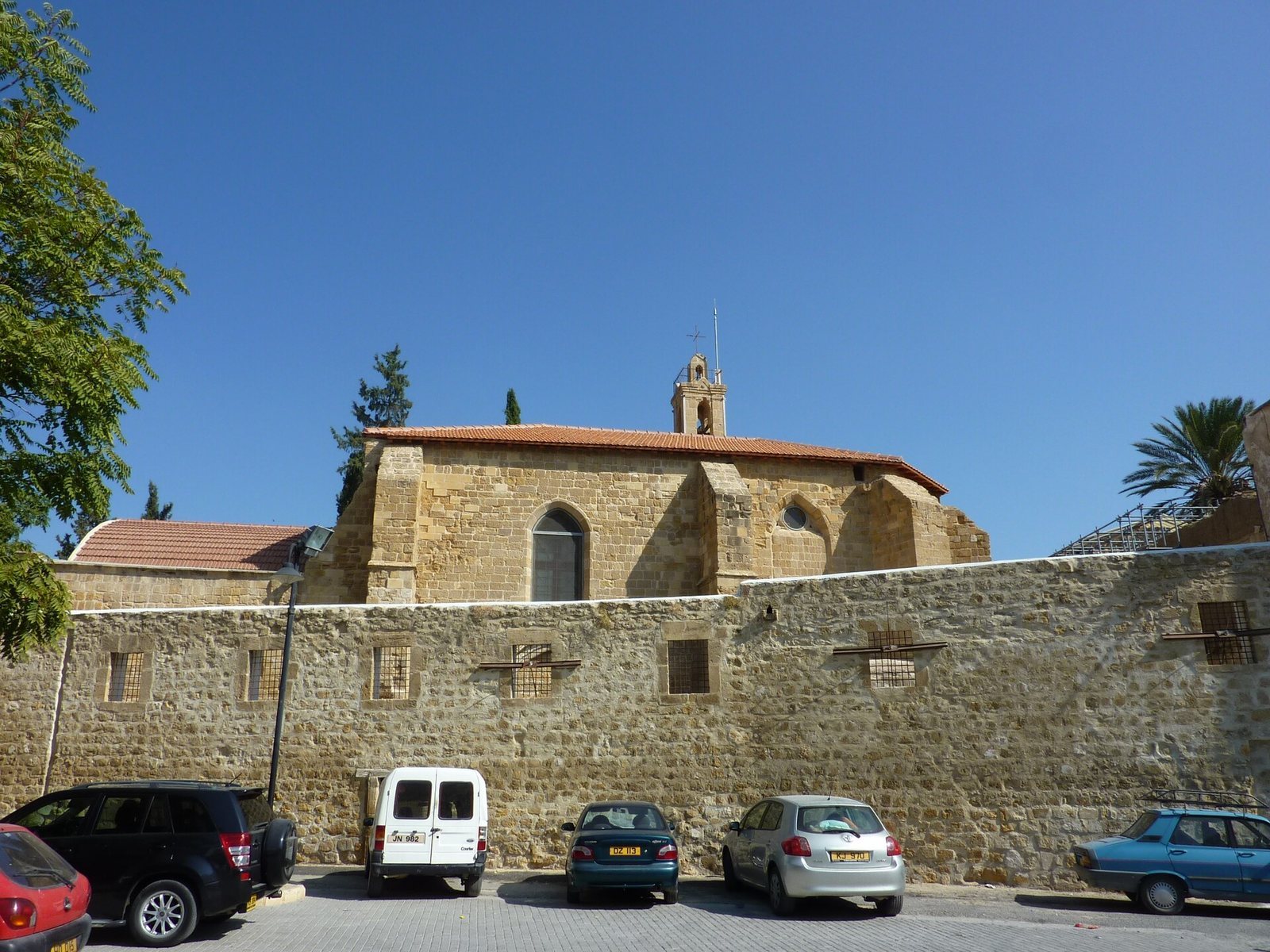
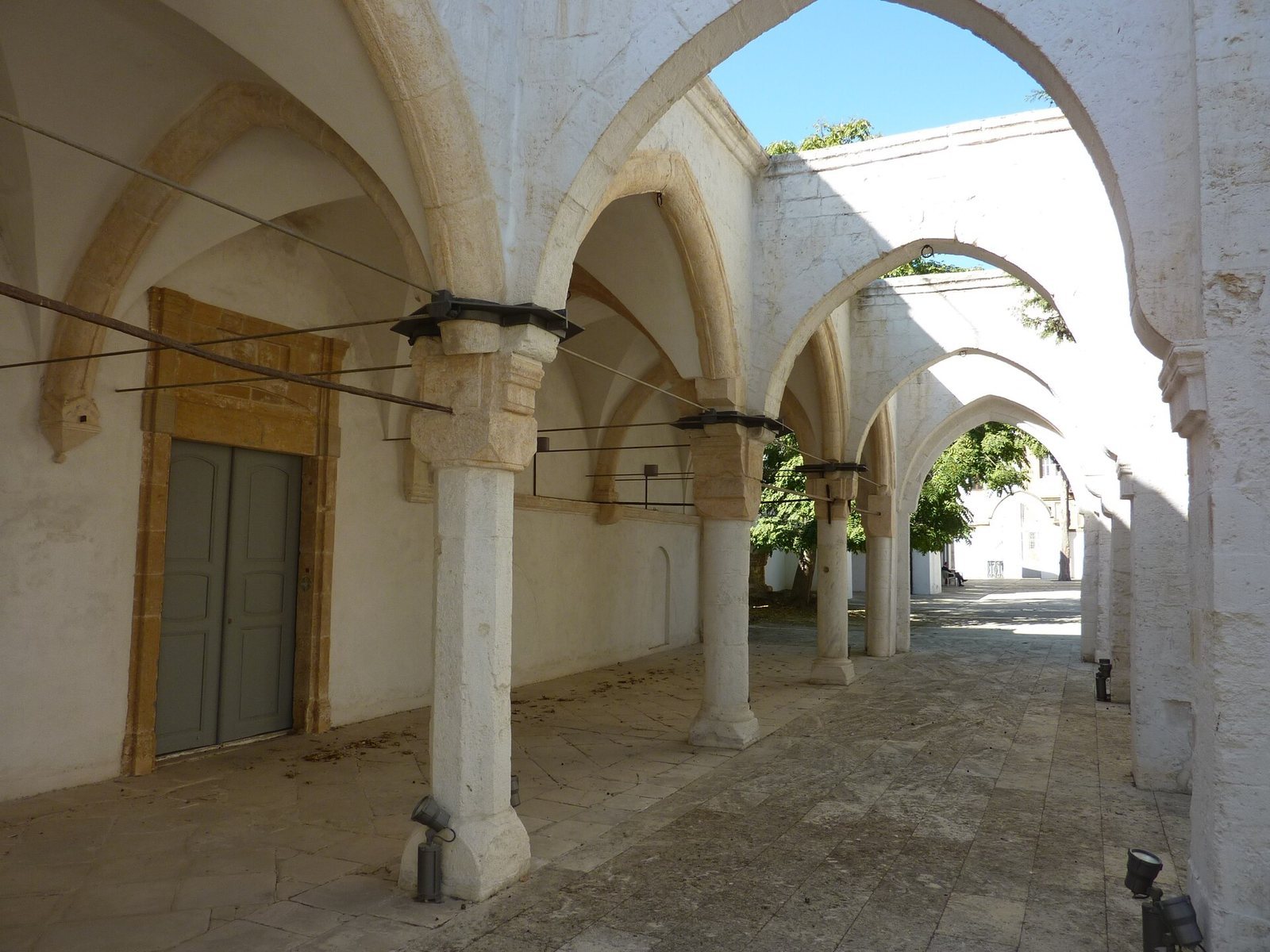
The surviving complex consists of the Gothic church and associated convent and institutional buildings. The church has a square nave, a semi-octagonal apse, cross vaults, and an arch covering its western part. Convent buildings stand to the north, while a sarcophagus, a stone burial container, identified as belonging to Lady Dampierre, an abbess of the nunnery, lies east of the convent buildings.
Church and Liturgical Features
Main Church
The existing church is Gothic in form, with its square nave and semi-octagonal apse organized beneath cross vaults. An arch covers the western part of the building. Its later physical alterations include the baptistery, built in 1788, and the buttresses added to support the northern porch in 1858. The belfry, a structure housing church bells, was erected in 1860 and was among the first belfries built in Ottoman Cyprus.
Porch, Tomb Slabs, and Belfry
The church floor was renewed in 1961. During 1960 and 1961, the Antiquities Department removed medieval tomb slabs dating from the fourteenth and fifteenth centuries after they were found beneath carpets. The slabs were kept in the northern porch as a conservation measure. The choir gallery was constructed in 1945, and the belfry was repaired in 1950.
Convent and Armenian Institutional Complex
Convent Buildings and Sarcophagus
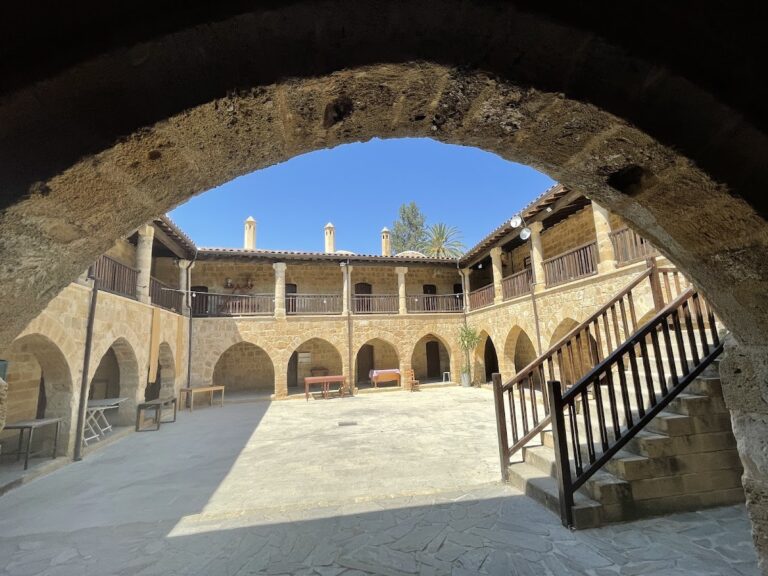
The convent buildings occupy the area north of the church. East of them is the sarcophagus associated with Lady Dampierre, linking a surviving burial feature with the former female monastic community. The monastery’s original building was believed to be the Melikian mansion, which later served as the metropolitanate.
Schools and Community Buildings
The wider Armenian complex included the metropolitanate, the Melikian and Uzunian schools, the preschool, the Armenian Club, and the Armenian General Benevolent Union building. The metropolitanate was the ecclesiastical centre of the Armenian Church in Cyprus. The schools and community buildings formed part of the institutional setting around Notre Dame de Tyre, together with the Armenian Genocide Monument and the associated mansion.
Notre Dame de Tyre is no longer active as a place of worship and stands in the Turkish-controlled part of Nicosia. Its condition is satisfactory after the preservation and restoration work completed in 2013.