Christchurch Mansion: A Tudor House and Museum in Ipswich
Site at a Glance
- Popularity
- High
- Country
- United Kingdom
- Primary era
- Early Modern
- Eras represented
- Early Modern, Modern
- Civilizations
- British, English
- Site type
- Domestic
- Remains
- Elite Residence
On this page10 sections
History
Priory land and the Withypolls
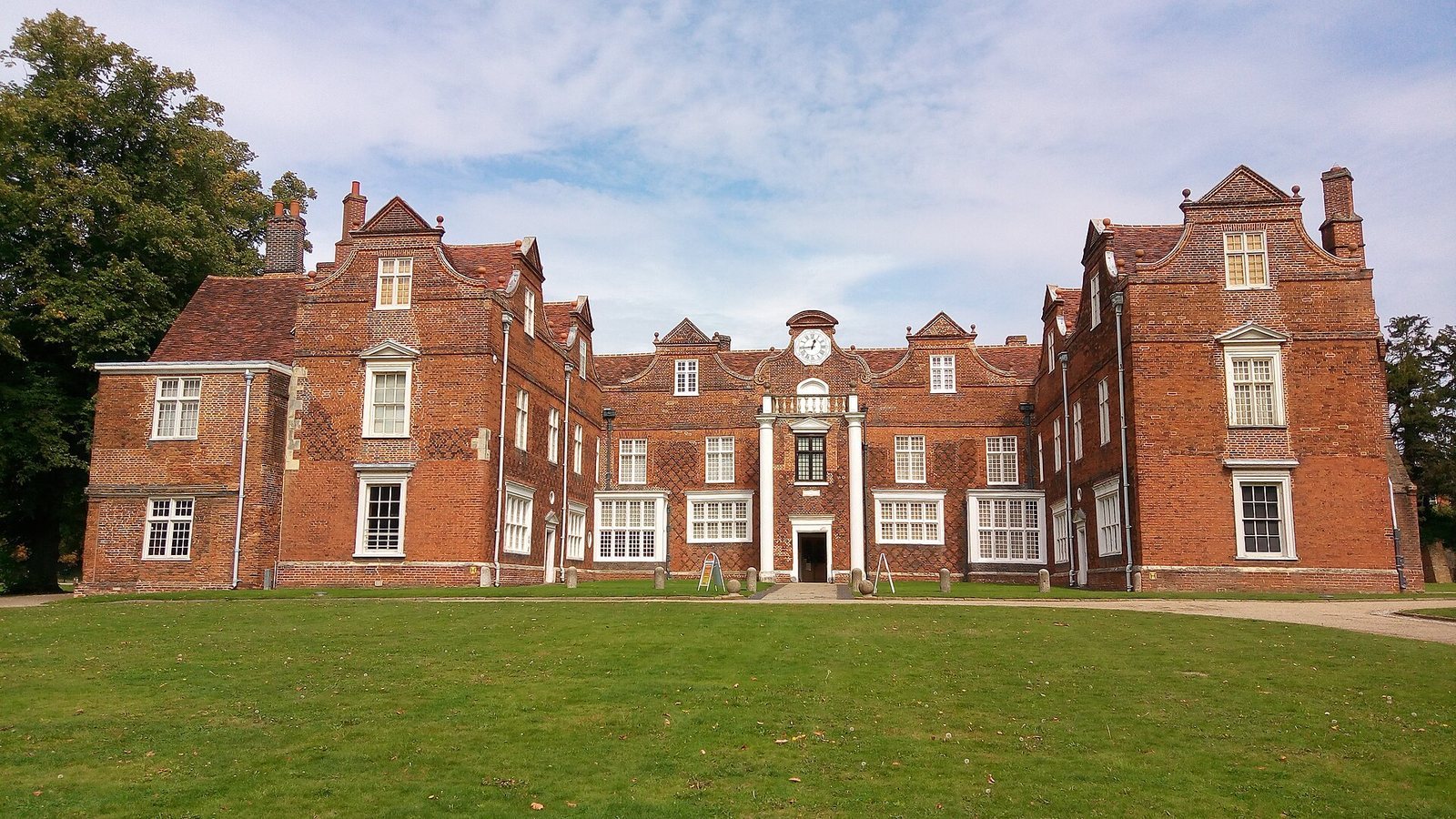
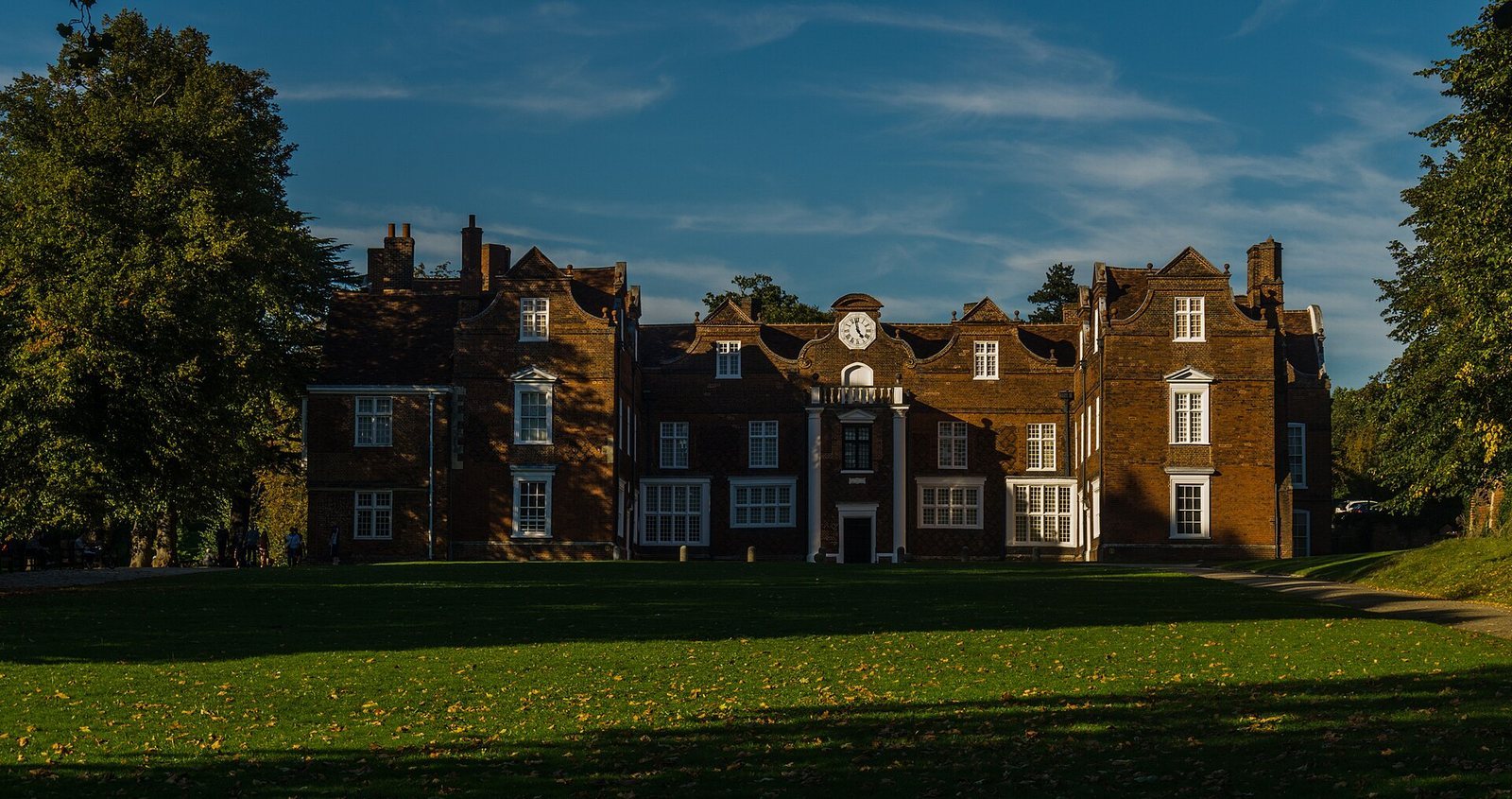
Christchurch Mansion is a Tudor-period house in Christchurch Park, Ipswich, United Kingdom, built by Edmund Withypoll around 1548–1550. Its grounds had belonged to the Priory of the Holy Trinity, a religious house governed by a prior, and reached as far as Ipswich’s medieval walls. After Henry VIII’s Dissolution of the Monasteries, the Crown’s suppression of religious houses and seizure of their property, Paul Withypoll acquired the land. He was a Master Merchant Taylor and a Merchant Adventurer, an English merchant involved in overseas trade.
When Paul died in 1547, the manor, then called Christ Church Withipoll, passed to his son and heir Edmund, who built the mansion. Edmund’s granddaughter Elizabeth married Leicester Devereux, 6th Viscount Hereford, and the house subsequently passed to the Devereux family. A fire around 1670 led them to rebuild the upper floors and add the main porch.
Devereux and Fonnereau ownership
In 1734, Claude Fonnereau purchased the mansion from Price Devereux, 10th Viscount Hereford. The nearby Devereux Street preserves the family’s name. By 1848, W.C. Fonnereau had developed Fonnereau Road as an upscale residential area, while the park’s Upper Arboretum had been laid out for public use.
A public museum
Felix Cobbold bought the house from a property-development syndicate in 1894 to prevent its demolition. He offered it to Ipswich Corporation for a museum and art gallery, along with £20,000 in Ipswich Stock for acquiring artworks, on the condition that the Corporation purchase the surrounding parkland for town residents. After three attempts to reach agreement, the mansion passed to the town in February 1895. The Corporation bought the park’s central area that April and acquired the Upper Arboretum in 1928.
Before the mansion opened as a museum in 1895, Ipswich architect John Shewell Corder restored it. Museum curator Frank Woolnough, in post from 1893 to 1920, directed its conversion and encouraged educational activities and annual meetings of societies. Archaeological galleries were also established under the honorary curatorship of archaeologist and antiquarian Nina Layard.
During Guy Maynard’s curatorship from 1920 to 1952, the fine and decorative art and furniture collections expanded. A 1927 exhibition marking 200 years since Thomas Gainsborough’s birth also showed works by George Frost and John Constable, helping establish the mansion as a collection of national importance. The city owns the Grade I listed building, the highest listed-building category in England, and it forms one of the two buildings of Ipswich Museum, now operated by the Colchester and Ipswich Museums Service.
Remains
The mansion and its additions
Original house
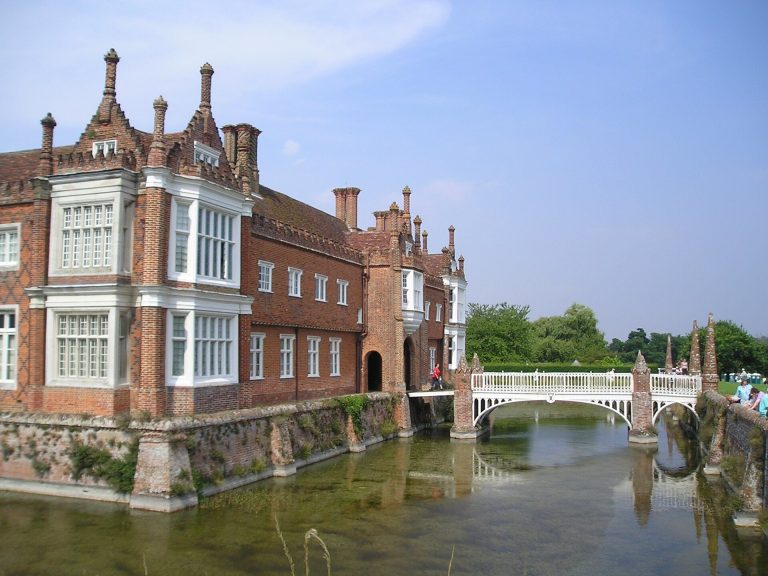
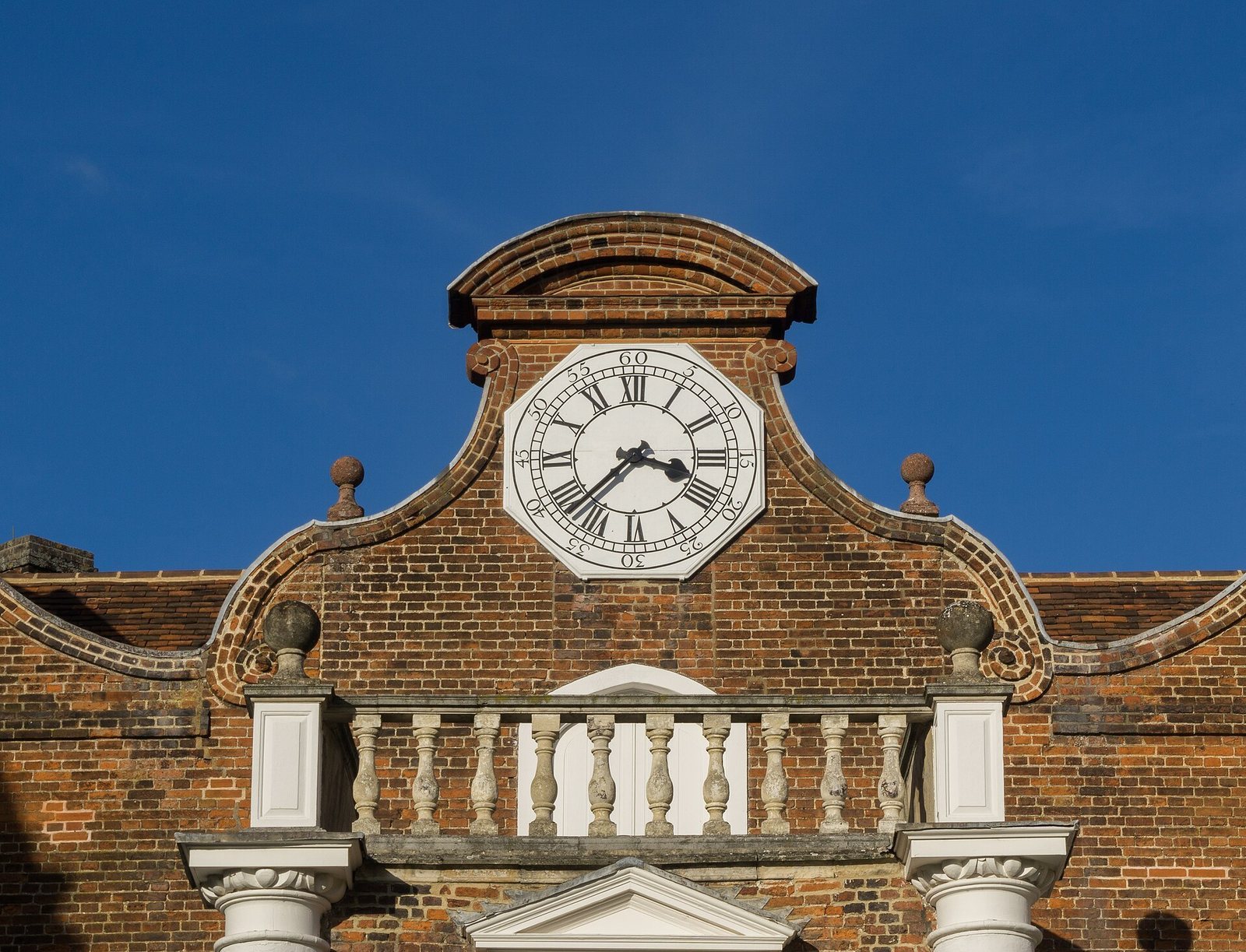
The substantial brick mansion stands within the 28-hectare Christchurch Park, near its southern gates. Masonry from the original building survives at ground level and can be seen from outside. The upper floors and main porch reflect later alterations. A stone dated 1549 carries a Latin motto urging the preservation of thrift and avoidance of waste.
Wolsey Art Gallery
The mansion was enlarged with the Wolsey Art Gallery at its rear, extending the building beyond its original form.
Tudor merchant’s house wing
A separate, two-storey wing was added after being rescued in 1924 from the demolition of a Tudor merchant’s house.
Rooms and collections
Some rooms are arranged to represent how earlier residents might have known them, with original furnishings, fine clothing and children’s toys. The museum also holds ceramics and glass, alongside paintings by local artists including Harry Becker, John Constable and Thomas Gainsborough. Works associated with the mansion include Lady Drury’s Closet, Golding Constable’s Flower Garden and Golding Constable’s Kitchen Garden. Its holdings also include 77 pastels by Blanche Georgiana Vulliamy showing First World War searchlights.