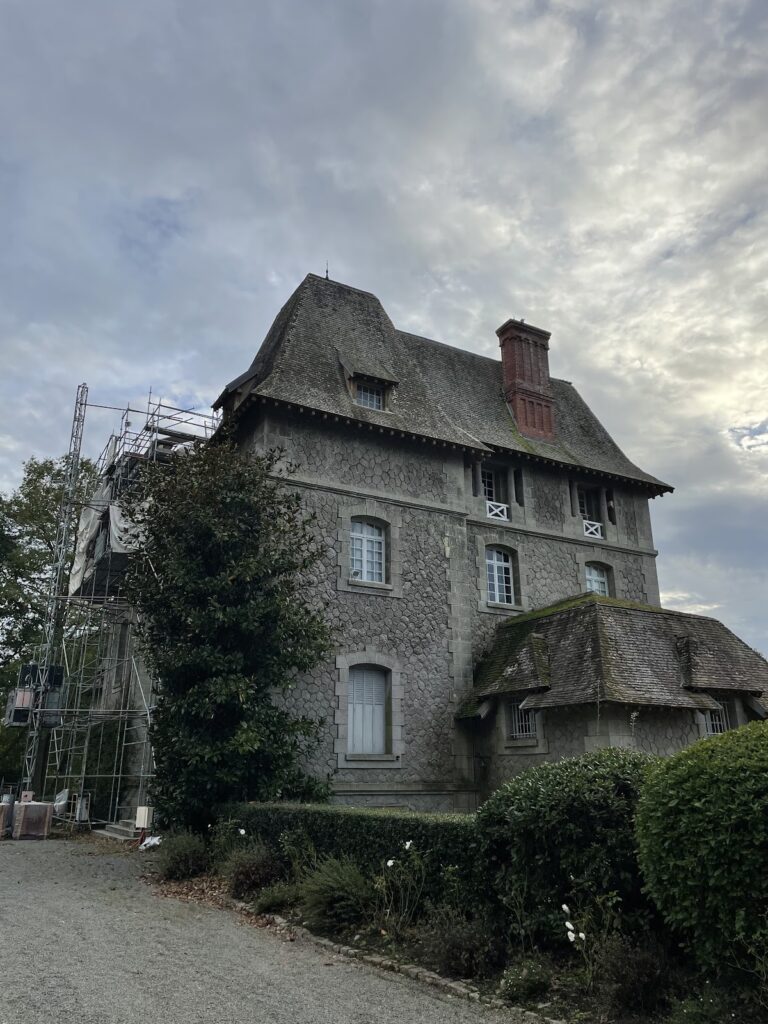
Château du Goust: A Fortified Castle in Malville, France


Site at a Glance
- Rating
- 4.1
- Popularity
- Very Low
- Country
- France
- Primary era
- Medieval
- Eras represented
- Medieval, Early Modern
- Civilizations
- Duchy of Brittany, French
- Site type
- Military
- Remains
- Castle
On this page4 sections
History
Seigneurial Ownership
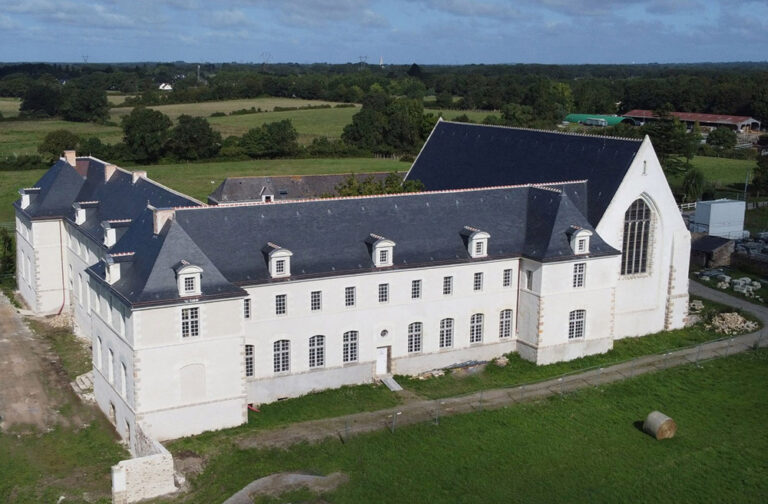
Château du Goust is a fortified castle in Malville, France, with construction dating to the fifteenth and sixteenth centuries. The surrounding seigneurial estate, a territorial lordship held by a noble, was first known to belong to Jeanne d’Ussé, Lady of Montjean, in 1370.
The estate was later sold to Jean de Comenan, who held it until 1400, before passing to the Montfort family during the fifteenth century. Moricette de Montfort married Robert de Brochereul. After Robert’s death in 1418, he left the estate to their daughter, Jeanne Brochereul, Lady of Bois de la Roche. She later married Guillaume de Montauban. By 1500, the estate belonged to Guillaume Bardon.
Wars of Religion and Dismantling
In 1589, the estate was held by Jean de Montauban, Knight of Goust. He fortified the castle and resisted the League and Spanish forces between 1576 and 1596 during the Wars of Religion, the sixteenth-century conflicts in France between Catholic and Protestant factions that also drew in foreign powers.
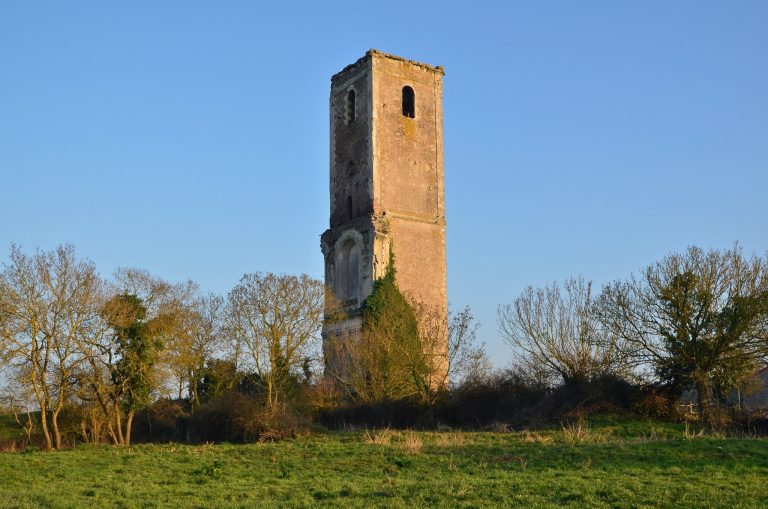
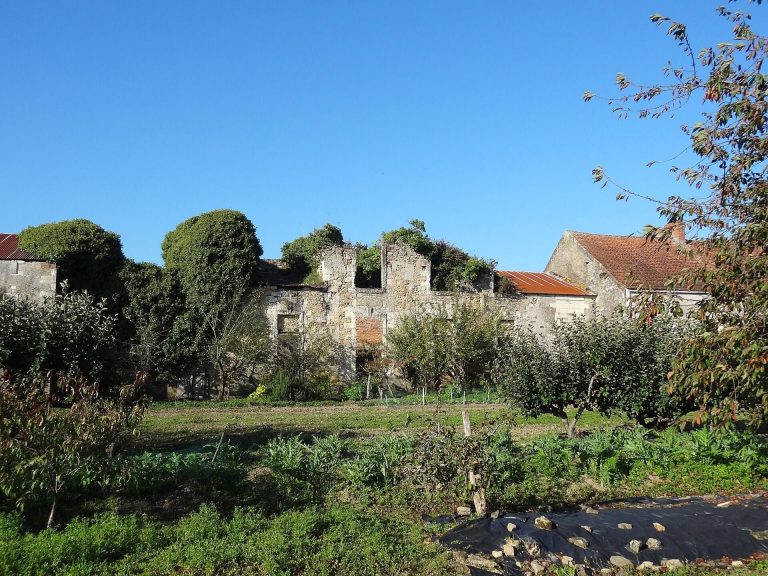
A royal garrison occupied the castle in 1601. Around 1627–1628, it was dismantled on the orders of Richelieu, the French cardinal and chief minister of King Louis XIII. The seigneurial estate later belonged to Mercoeur Bardon, Lord of Malville, in 1680.
Château du Goust was listed as a French historic monument in 2008. The municipality is identified as its owner, and the château is included in the Mérimée architectural-heritage database under reference PA44000044.
Remains
Château du Goust is a fortified castle in the commune of Malville, in Loire-Atlantique. Its surviving architectural identity belongs to a building constructed across the fifteenth and sixteenth centuries. The castle’s later dismantling, ordered around 1627–1628, forms part of the physical history of the site.