Fief-Milon Castle: A Medieval Stronghold in Vendée
Site at a Glance
- Rating
- 4.7
- Popularity
- Low
- Country
- France
- Primary era
- Medieval
- Eras represented
- Medieval, Early Modern, Modern
- Civilizations
- French
- Site type
- Military
- Remains
- Castle
On this page6 sections
History
Medieval defensive role
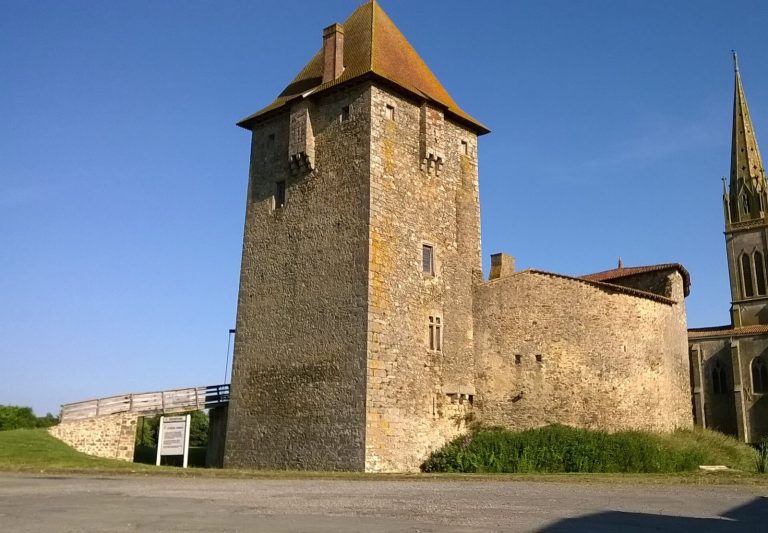
Fief-Milon Castle, a medieval fortified residence at Le Boupère in Vendée, western France, includes a section built in the fourteenth century. It formed part of the defenses of Pouzauges and was intended to protect the area from the English during the Hundred Years’ War, the prolonged conflict between England and France conventionally dated from 1337 to 1453. Its elevated position also served as a lookout.
Nineteenth-century changes and ownership
The château was altered in the early nineteenth century in a style associated with Eugène Viollet-le-Duc, a French architect and restorer known for his work on medieval buildings and influential interpretations of medieval architecture. In 1841, the property passed by marriage into the Monti de Rezé family, which continues to own it.
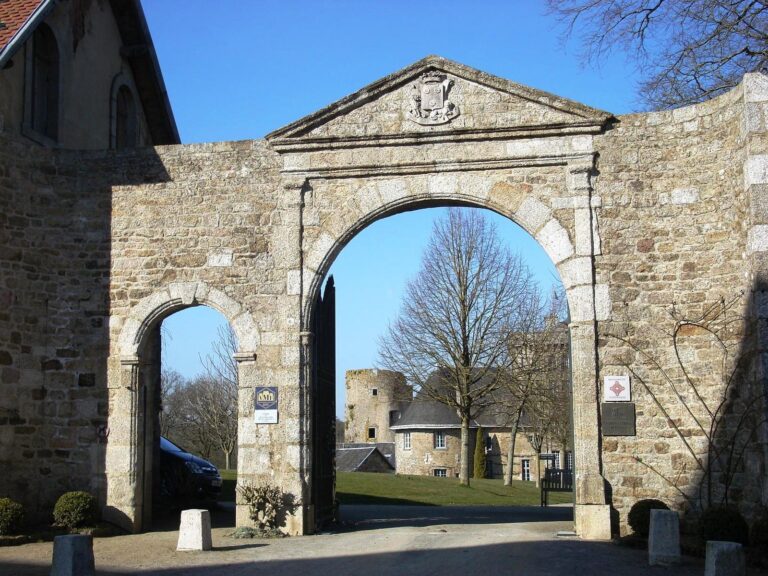
The outbuildings and enclosure were listed as historic monuments in 1989, and the château as a whole received that status in 2005.
Remains
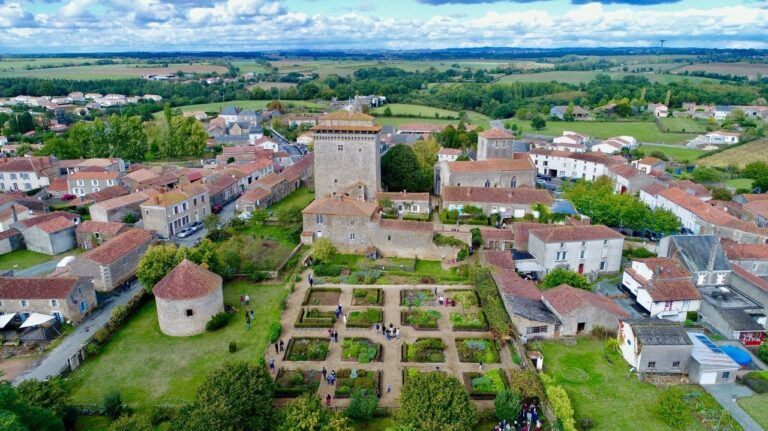
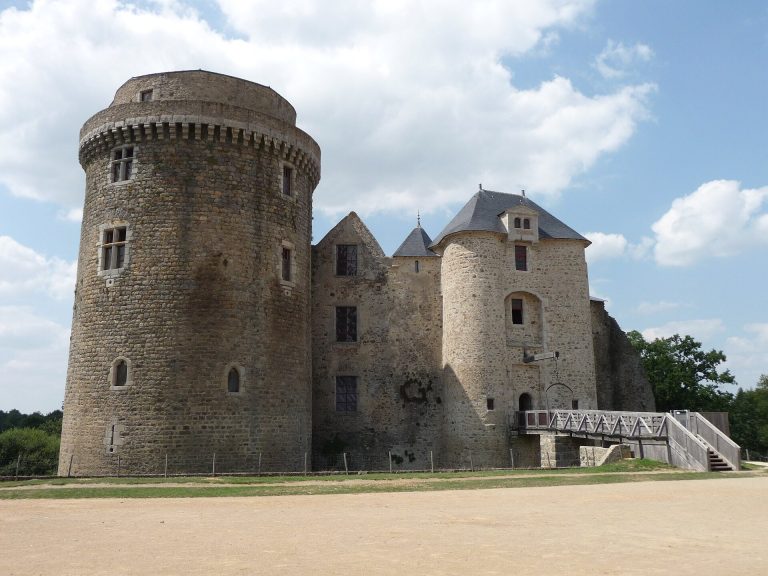
The castle occupies an elevated position overlooking the Gâtine hills, Saint-Michel-Mont-Mercure, and Le Boupère. The surrounding hills overlook the Haut Bocage of Vendée. The medieval core is organized around a central block flanked by two large circular towers, while buildings erected in 1861 link the château with its outbuildings.
Castle and towers
The towers were given a fortified appearance during the early nineteenth-century alterations. Their features include simulated machicolations, projecting forms with openings directed downward, and brick crenellations, the alternating raised sections and gaps along a parapet.
Outbuildings
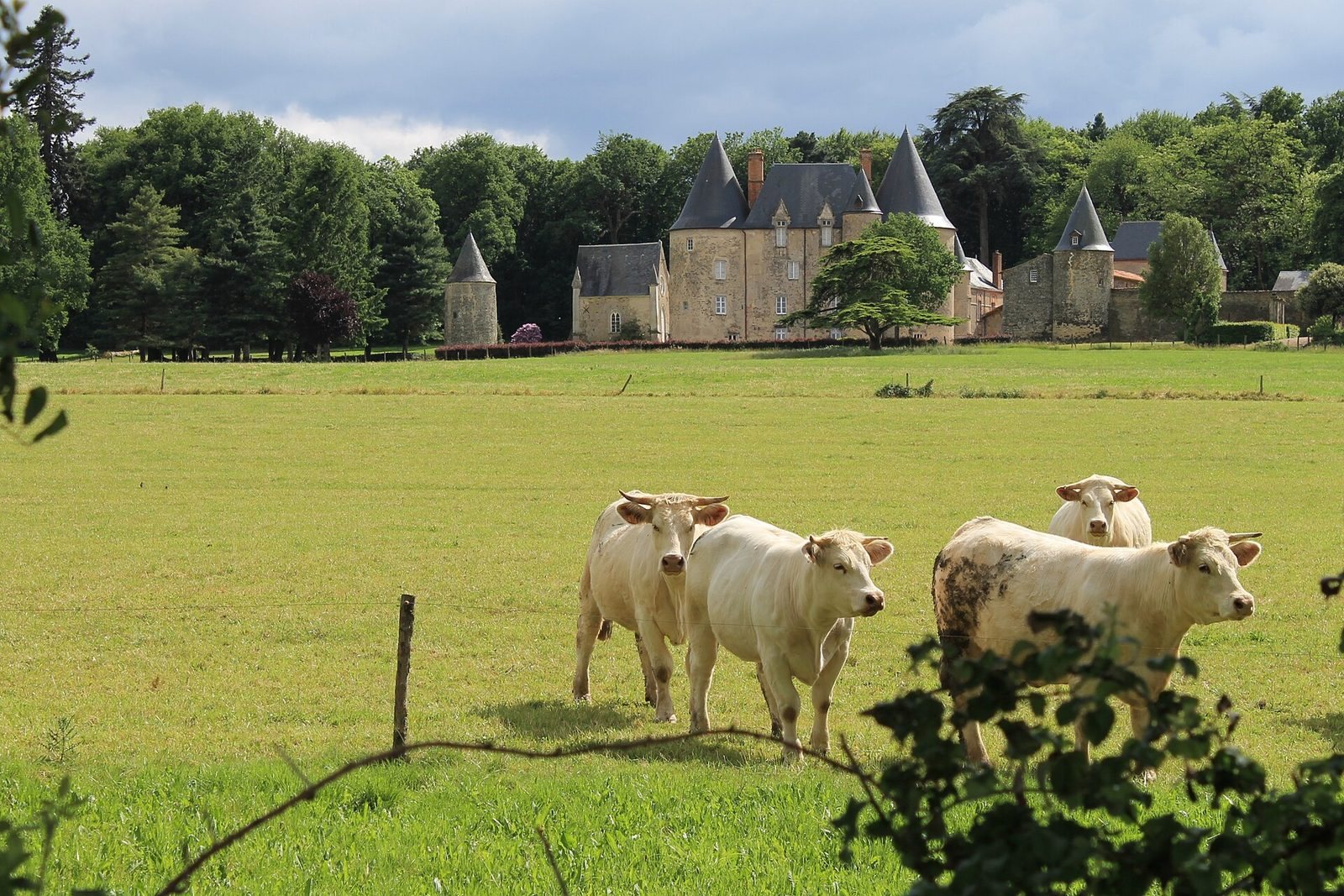
The outbuildings preserve a timber roof frame dated to between 1585 and 1610. Its sculpted king posts, upright supports within the roof structure, are paired with curved braces. Buildings added in 1861 connect this group to the château.