Duke of Dino’s Castle: An Italian Renaissance Estate in France
Site at a Glance
- Popularity
- Medium
- Country
- France
- Primary era
- Modern
- Eras represented
- Modern
- Civilizations
- French
- Site type
- Domestic
- Remains
- Castle
On this page7 sections
History
From Montmorency Park to a new residence
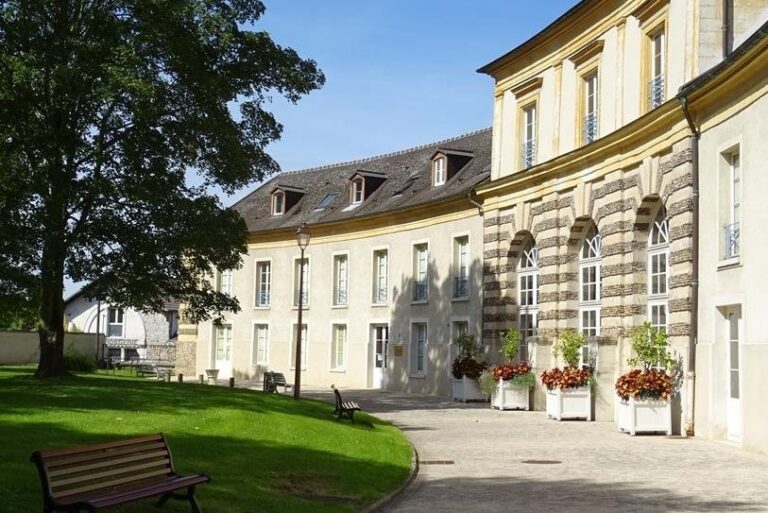
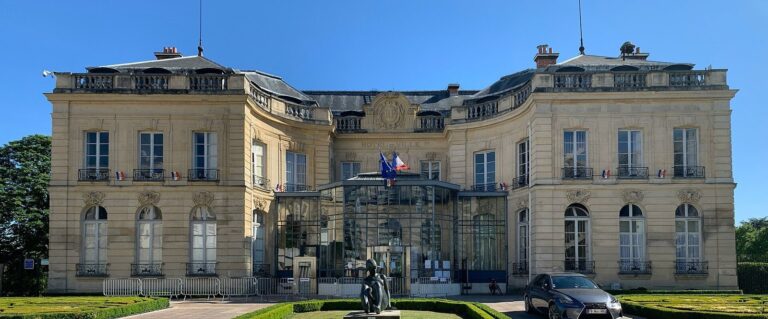
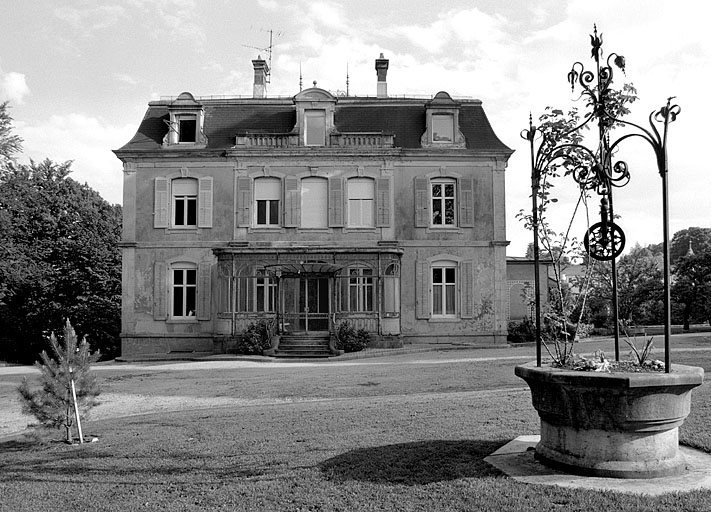
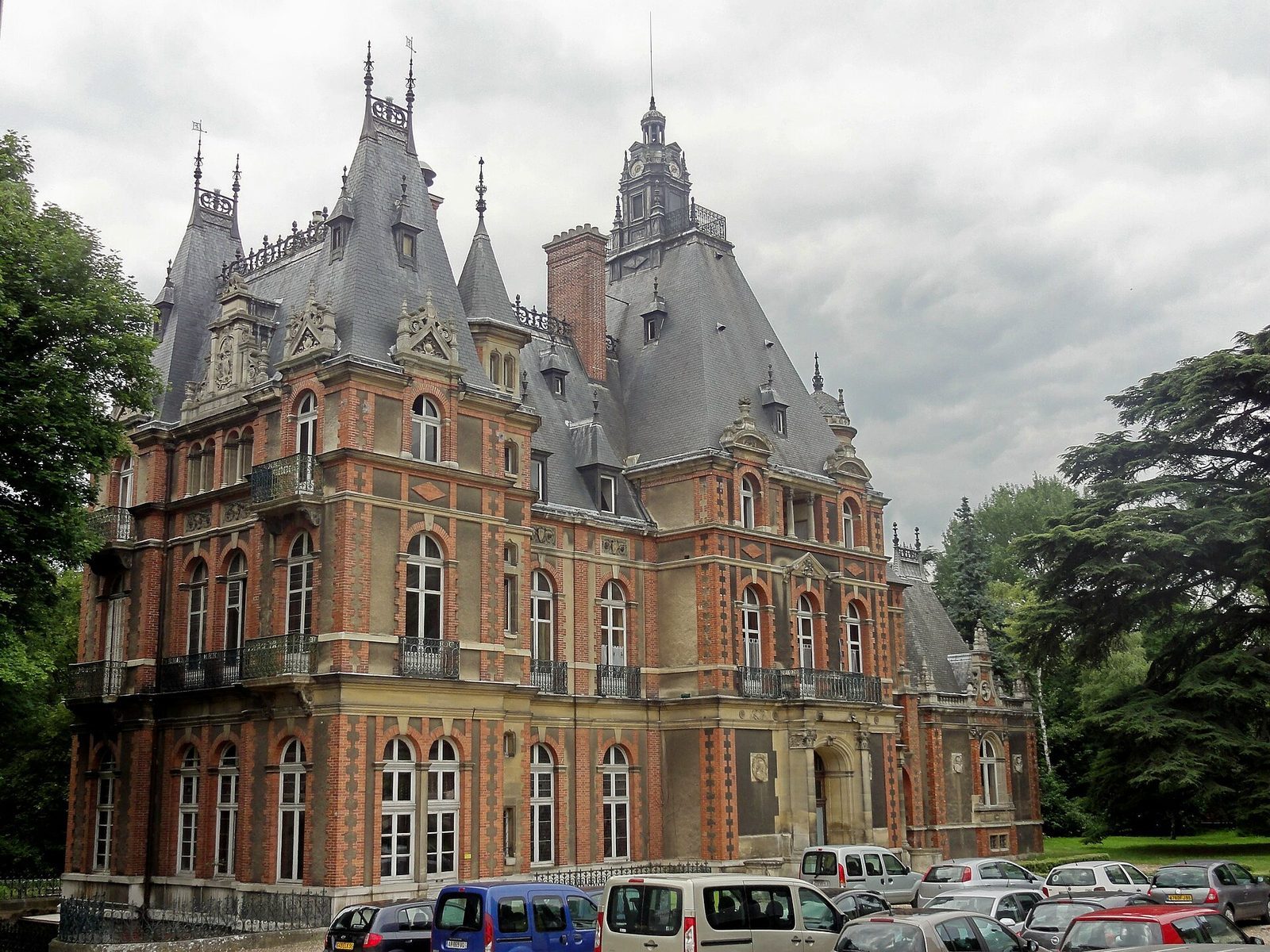
Duke of Dino’s Castle is an Italian Renaissance-style residence in France, built between 1879 and 1885. It continues the history of the extensive Montmorency Park estate, established in the early seventeenth century and divided into separate properties in 1820. Parisian banker Isaac Léopold Sée, who was of Alsatian origin, bought one of its plots in 1878 and commissioned the castle to mark his social success. Construction began the following year under local architect Pierre Victor Cuvilier.
After losing his fortune through stock-market speculation, Sée sold the property in 1885. Adèle Livingston-Stevens bought it in 1886 and soon afterward married Marquis Charles Maurice Camille de Talleyrand-Périgord, later Duke of Dino. The couple enlarged and modernized the residence in a second phase of work.
Later ownership and protection
Livingston-Stevens and her husband separated toward the end of the nineteenth century, and the property was sold. It passed through several owners, including bankers and merchants, during the twentieth century, with further alterations before the municipality of Montmorency acquired it in 1991. Since then, it has housed MARS 95, an association devoted to child protection.
The castle received the “Regional Heritage of Interest” label in 2018. In 2022, the castle, the façades and roofs of its outbuildings, and the park were listed as historic monuments. The Moorish and Japonizing bathrooms were classified in 2024, a stricter protection than listing under French heritage law. A 500-metre protected perimeter also means that France’s heritage architects review building work within it.
Remains
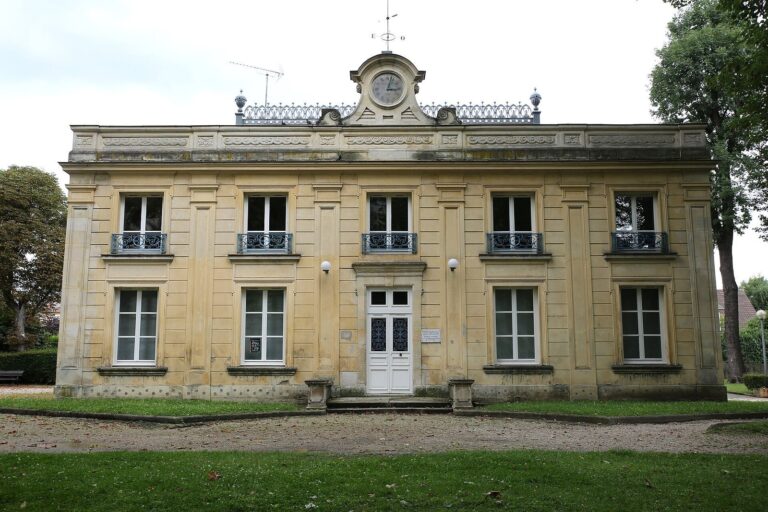
The estate combines two main residential buildings with notable outbuildings and a park. Its design draws on the Italian Renaissance and reflects the influence of successive owners. Later nineteenth-century work enlarged and reshaped the park.
Buildings and grounds
Residential buildings and park
The enlargement and modernization added running water, forced-air heating, electricity, and an elevator. The estate gate retains intertwined “D” initials associated with the Duke of Dino. The façades and roofs of the outbuildings and the park form part of the protected estate.
Bathrooms
The Moorish bathroom draws on Islamic artistic and architectural traditions, while the Japonizing bathroom reflects Japanese art and aesthetics.