Old Castle, Banská Štiavnica: A Fortified Church Complex and Museum
Site at a Glance
- Popularity
- Medium
- Country
- Slovakia
- Primary era
- Medieval
- Eras represented
- Medieval, Early Modern
- Civilizations
- Habsburg, Hungarian
- Site type
- Military
- Remains
- Castle
On this page12 sections
History
Old Castle, Banská Štiavnica, is a fortified church complex in Slovakia, centered on a three-aisled Romanesque church built by the local mining community in the early 13th century. Romanesque architecture is associated with rounded arches and substantial masonry. The church was dedicated to the Virgin Mary.
The church and early fortification
During the 15th century, a wall was built around the church and its cemetery. In 1442, soldiers of the Hungarian nobleman Šimon Rozgoni damaged the partly fortified church and set it on fire. A severe earthquake in 1443 caused further damage and prompted major rebuilding.
Transformation into a stronghold
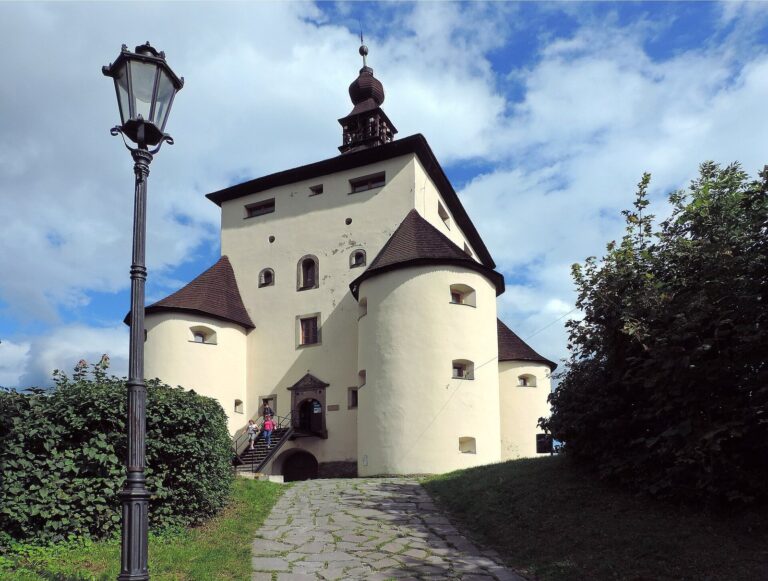
The castle is mentioned in writing in 1486. Between 1495 and 1515, the church was rebuilt as a basilica, a church with a long central aisle and side aisles, and the complex was fortified as a Renaissance stronghold. Renaissance design drew on classical forms. The defenses were intended to protect the mining town as the Ottoman Empire, a state centered in Anatolia, expanded into southeastern Europe. A moat and raised defensive bank were completed as the threat increased.
Later defenses and changing uses
The complex was strengthened as a fortress in the 1540s, with further alterations in the 1560s. The last major defensive works took place in 1777.
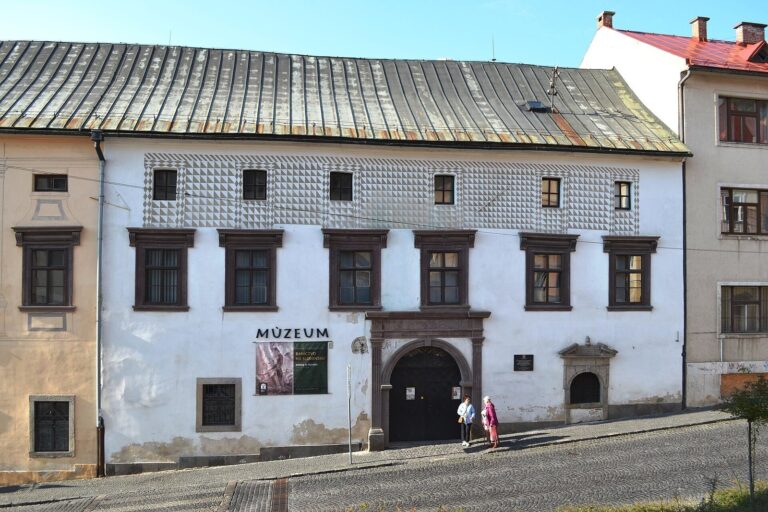
After the fortress lost its original purpose, parts of it served various civic and practical uses in the 19th century, including as the municipal archive, library, and police station, as well as a butchers’ icehouse and a gymnasium. From 1 July 1900, the Old Castle served as the municipal museum. It now houses a local-history museum and the Slovak Mining Museum.
The complex has been a Slovak National Cultural Monument, a protected heritage site, since 1950. In 1993, it became part of the United Nations Educational, Scientific and Cultural Organization (UNESCO) World Heritage listing for the Historic Town of Banská Štiavnica and the Technical Monuments in its Vicinity.
Remains
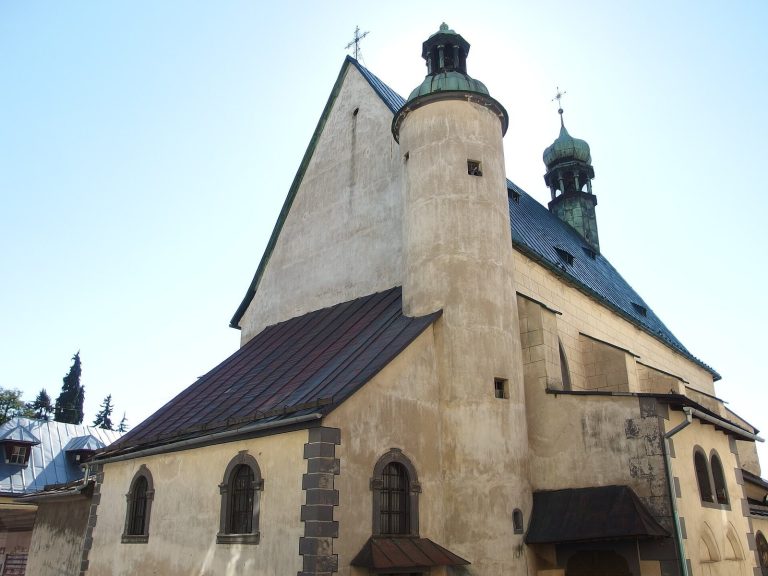
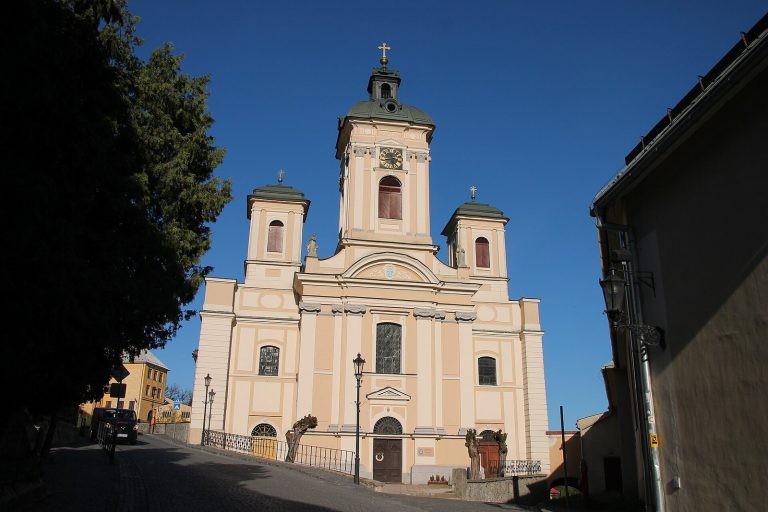
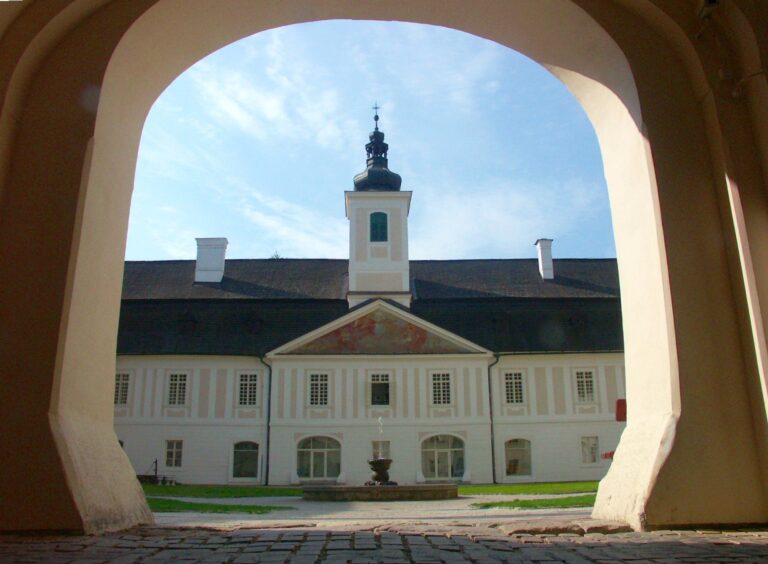
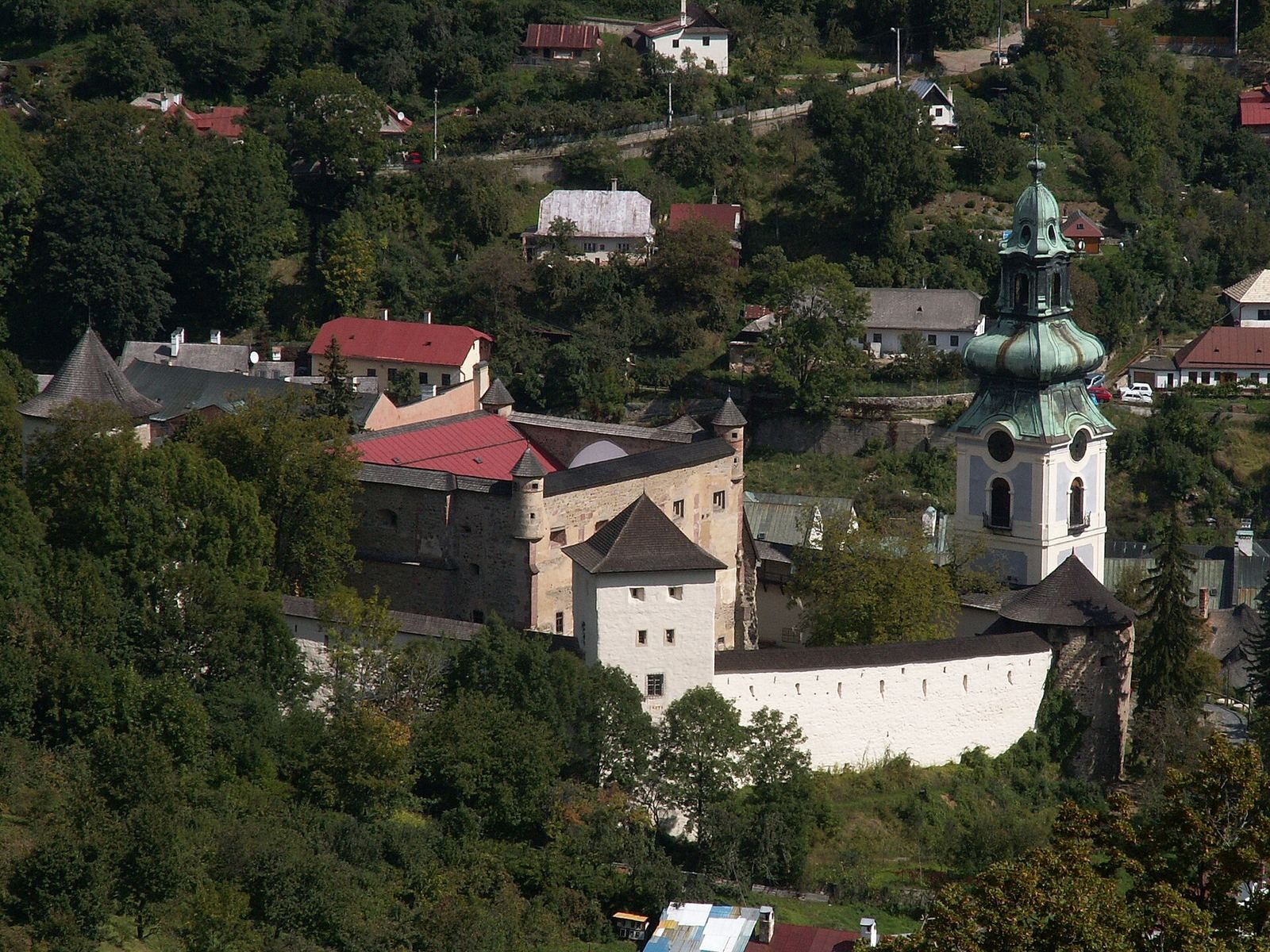
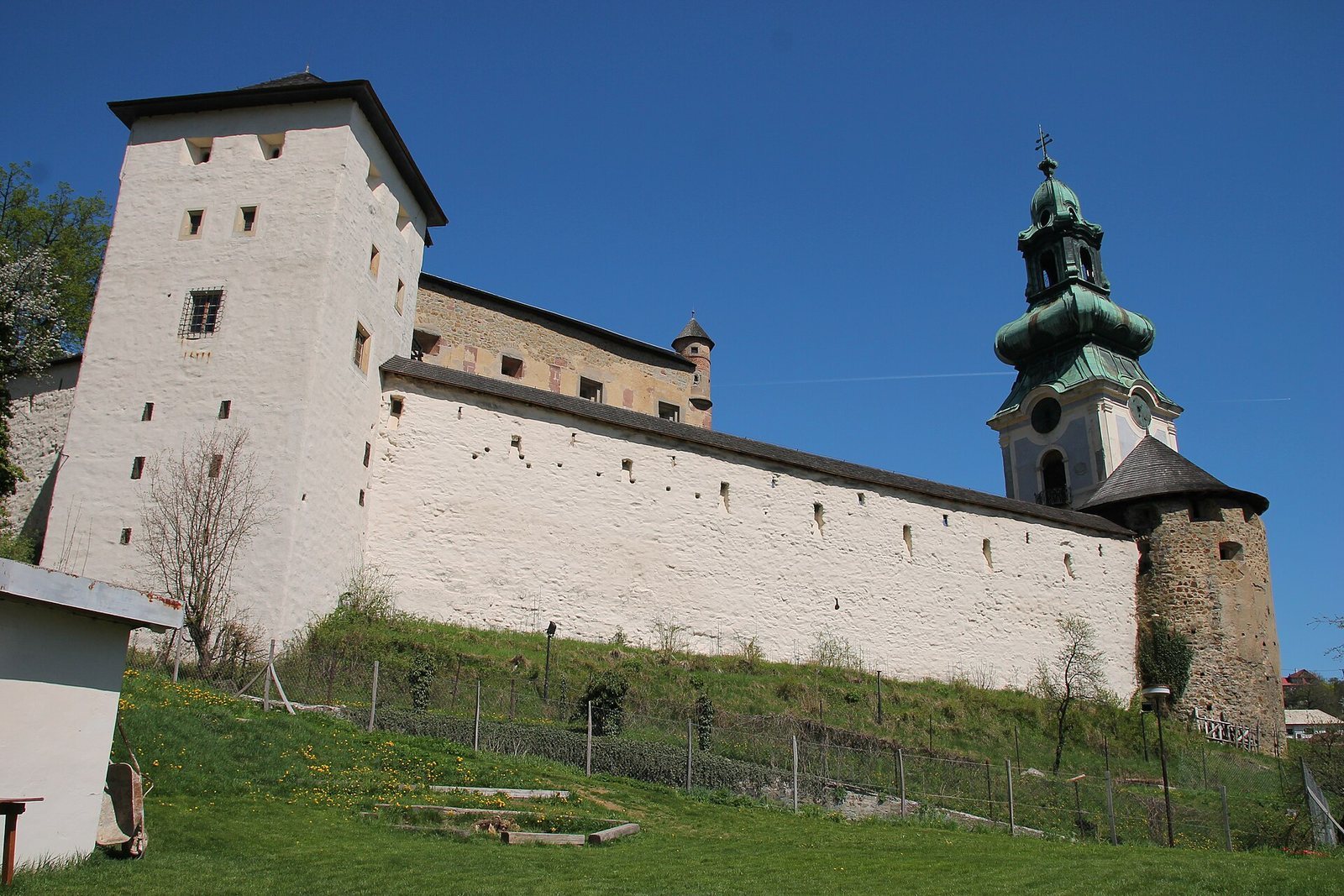
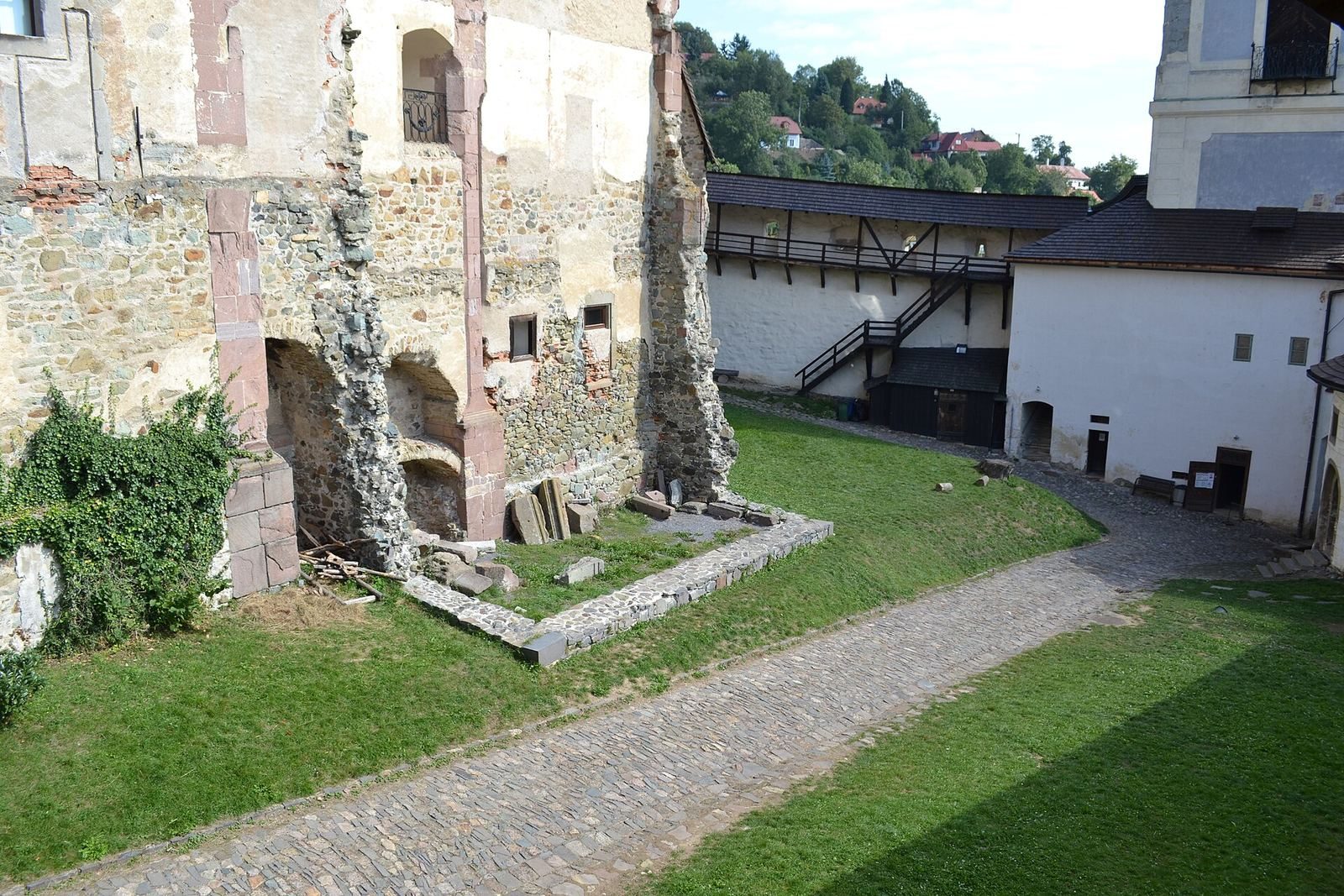
The well-preserved complex stands in central Banská Štiavnica, at the foot of Paradajs hill, 630 metres above sea level. It is classified as Baroque, a style known for more elaborate, dynamic decoration, while its surviving fabric also reflects earlier Romanesque, Gothic, and Renaissance phases.
Church and defenses
The basilica
The church at the complex’s core began as a Romanesque basilica and is now Gothic, a style associated with pointed arches and ribbed ceilings. Its early form was austere, with finely worked stone details. The ceiling over the central aisle was later removed and a porch created. Exterior supports, spiral staircases, and projecting stone brackets show the Gothic rebuilding. Remains of wall paintings date to the 14th century.
Defensive works and bell tower
A wall first enclosed the church and cemetery. Later defenses included round defensive projections, openings for firing cannon, a moat, and a raised bank; the basilica’s walls were also substantially reinforced. The original Gothic tower had an underground passage. In 1777 it was remodelled as a Baroque bell tower.
Chapel of St Michael
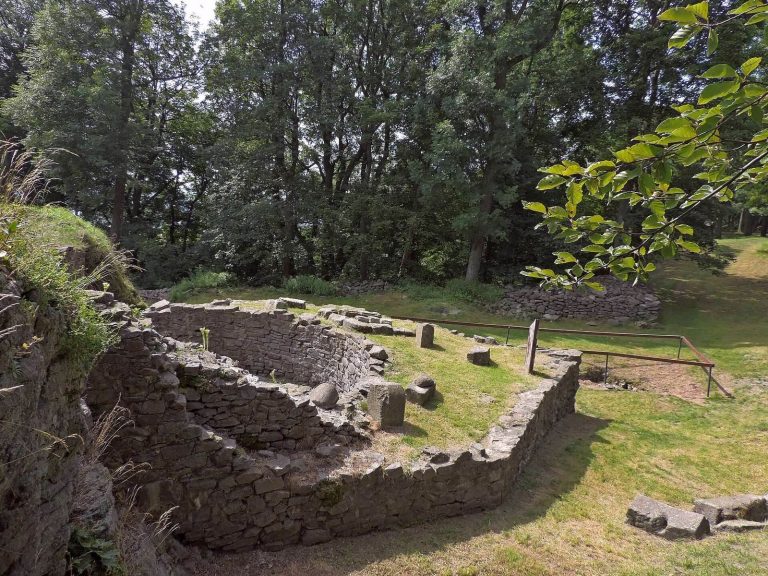
The Chapel of St Michael, named for the archangel, served as a charnel chapel. Its above-ground room stored human remains, while the underground bone chamber held bones recovered when new graves were dug.
Museum collections
Archaeological and stone displays
The displays include an archaeological treasure from the hills of Sitno and Holik, dated to around 900 BCE. It comprises bronze ornaments, fragments of clothing, and tools. Other exhibits include Baroque sculpture and a collection of stone objects and fragments.
Weapons, crafts, and timekeeping
The collection also presents target shooting and historical weapons, including targets, spears, powder flasks, ammunition magazines, cannonballs, bullets, and arrows. Displays on local crafts include pipe-making and blacksmithing, alongside historical clocks and bells. The dungeon and torture chamber known as Himmelreich are also part of the museum displays.