Château de Vieillecour: A Fortified Château in France


Site at a Glance
- Rating
- 5
- Popularity
- Very Low
- Country
- France
- Primary era
- Medieval
- External website
- Open
- Eras represented
- Medieval, Early Modern
- Civilizations
- French
- Site type
- Domestic
- Remains
- Castle
On this page6 sections
History
Medieval Origins and Warfare
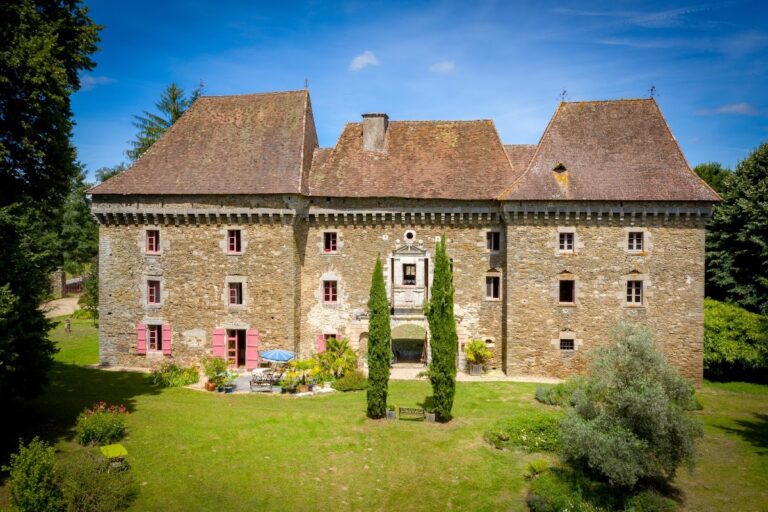
Château de Vieillecour is a fortified château in Saint-Pierre-de-Frugie, France, built in the twelfth century in the historic Périgord region. Its later alterations, carried out from the fifteenth through the seventeenth century, changed both its appearance and its purpose.
The château is traditionally linked with Saint Vaast, also known as Vedast, a Christian bishop associated with Arras and Cambrai in late antique Gaul. It is regarded as one of the possible places of his birth. The site is also connected with Richard I of England, known as Richard the Lionheart, who reigned from 1189 to 1199 and commanded forces during the Third Crusade. After being seriously wounded at the siege of Châlus in 1199, he is said to have taken refuge at Vieillecour six days before his death.
During the Hundred Years’ War, the conflict between the English and French crowns for control of territories in France, Bertrand du Guesclin established his garrison at the château for several weeks in 1372. This followed his retaking of Saint-Pierre-de-Frugie from the English.
Transformation into a Residence
Alterations between the fifteenth and seventeenth centuries transformed the fortress into a residence intended primarily for leisure. As a result, Château de Vieillecour lost its defensive function while retaining elements of its earlier fortified character.
Jehan de Maulmont sold the château to François de Laige in 1576. The estate then passed to Louis de Stuard de Caussade in 1598, Jean du Glenest in 1650, and Jean Mosnier de Planeau in 1665.
Modern Ownership and Protection
In the later period, the château was acquired by Marie Sohier (1885–1963), who already owned Château de La Meynardie at La Coquille. She was the granddaughter of the prefect Adrien Sohier (1815–1911) and the wife of Marcel Rolland de Ravel (1882–1968), an infantry officer and mayor of Saint-Pierre-de-Frugie.
During the second half of the twentieth century, Château de Vieillecour belonged to the architect Armand Lejeune (1918–2006). The château has been protected as a historic monument since 4 October 1946. It remains privately owned and serves as a private residence.
Remains
Fortified Enclosure
Château de Vieillecour stands approximately two kilometres northeast of the centre of Saint-Pierre-de-Frugie, near the Valouse stream and beside the departmental road. The complex follows an incomplete quadrilateral plan, with dry moats along two sides. Stone is its principal construction material.
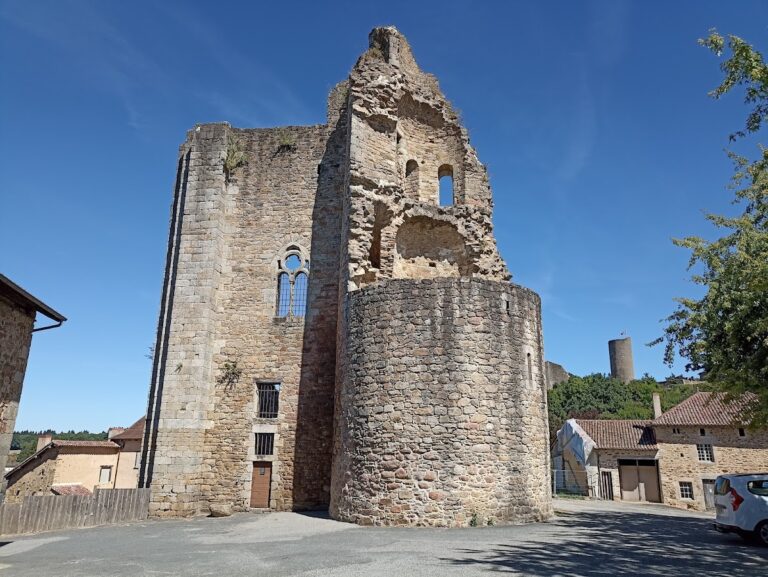
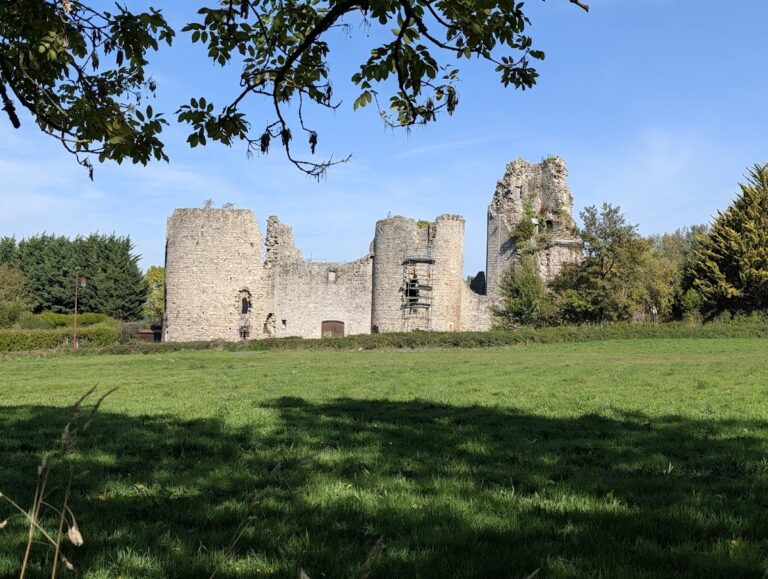
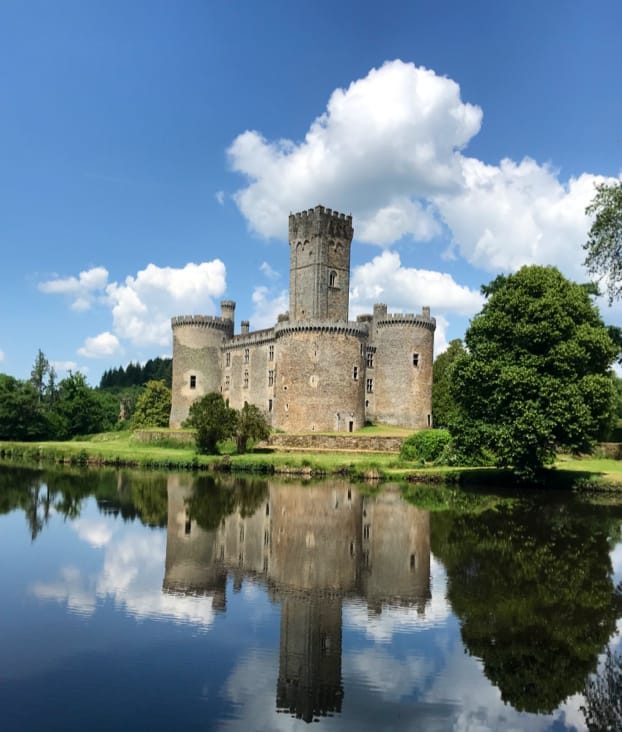
The enclosure includes a principal rectangular building with four round towers, together with a separate round tower and a square tower. It is also described as having five round towers and one square tower overall. Surviving machicolations, projecting parapets with openings through which defenders could attack enemies below, preserve a visible reminder of the château’s earlier military purpose.