Château de Vic-sur-Aisne: A Medieval Fortress and Castle in France


Site at a Glance
- Rating
- 4.3
- Popularity
- Very Low
- Country
- France
- Primary era
- Medieval
- External website
- Open
- Eras represented
- Medieval, Early Modern
- Civilizations
- French
- Site type
- Military
- Remains
- Castle
On this page10 sections
History
Early Medieval Fortress
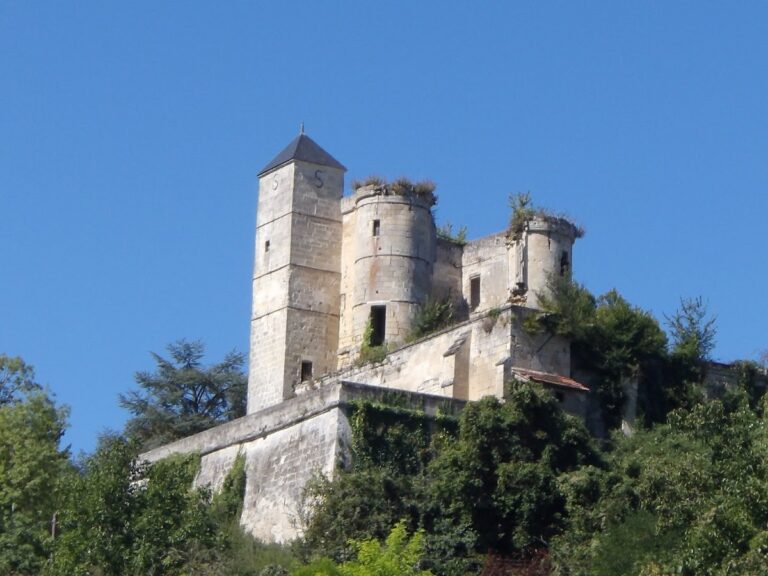
Château de Vic-sur-Aisne is a medieval castle in France, built on an elevated position beside the right bank of the Aisne. Its origins lie in a castrum, a fortified settlement established for defence and control, which guarded the road between Amiens and Soissons.
Princess Berthe, the sister of Emperor Louis the Pious, reportedly gave the fortified site to Saint-Médard Abbey of Soissons, a major medieval monastery. In 893, Eudes, Count of Paris and king of the Franks from 888, confirmed the abbey’s possessions. The chronicle of Saint-Médard states that he fortified the abbey and repaired Château de Vic-sur-Aisne on that occasion.
Disputed Lordship and Medieval Administration
At the Council of Senlis on 22 May 1048, Archbishop Gui de Châtillon of Reims and Bishop Gebuin of Laon subscribed to the restitution of the château to Saint-Médard Abbey. During the tenth and eleventh centuries, control of the site was contested by the lords of Coucy, the monks of Saint-Médard, and the kings of France, and the château passed several times between them.
The monks eventually placed the domain of Vic under the protection of the lords of Pierrefonds. A permanent garrison, meaning a continuously stationed military force, remained there until the end of the thirteenth century. During this period, the town became the seat of a châtellenie, a territorial jurisdiction administered from a lord’s castle, dependent on Pierrefonds. It later became a viscounty, a territory governed by a viscount under a higher lord, owing allegiance to the counts of Soissons.
Later Protection
The keep was classified as a historic monument in France in 1919. The park-facing façades were listed in 1927. A broader listing in 1992 included the medieval enclosure and moat, the boundary wall, the entrance pavilions, the façades and roofs of the service buildings, the façades and roofs of the seventeenth- to eighteenth-century residential building, and the park with its statuary and architectural follies.
Remains
Medieval Defences
Keep and Enclosure
The château occupies an elevated site beside the Aisne and retains a medieval enclosure with a moat and boundary wall. Its thirteenth-century keep rises 25 metres and was remodelled in the fifteenth and eighteenth centuries. The defensive layout also includes entrance pavilions, which form part of the surviving approach to the fortified complex.
Later Buildings and Park
Service and Residential Buildings
The complex includes service buildings and a residential building dating from the seventeenth to eighteenth centuries. Their protected features are the façades and roofs, which belong to the later architectural phases of the château.
Park and Ornamental Features
The grounds contain a park with statuary and architectural follies, ornamental structures built primarily as decorative features within a landscape. These elements form part of the surviving château grounds alongside the medieval defensive remains and later buildings.
Nearby sites