Trangis Castle: A Residence in Évreux Built Before 1750
Site at a Glance
- Rating
- 4.2
- Popularity
- High
- Country
- France
- Primary era
- Early Modern
- Eras represented
- Early Modern
- Civilizations
- French
- Site type
- Domestic
- Remains
- Elite Residence
On this page8 sections
History
Construction and eighteenth-century ownership
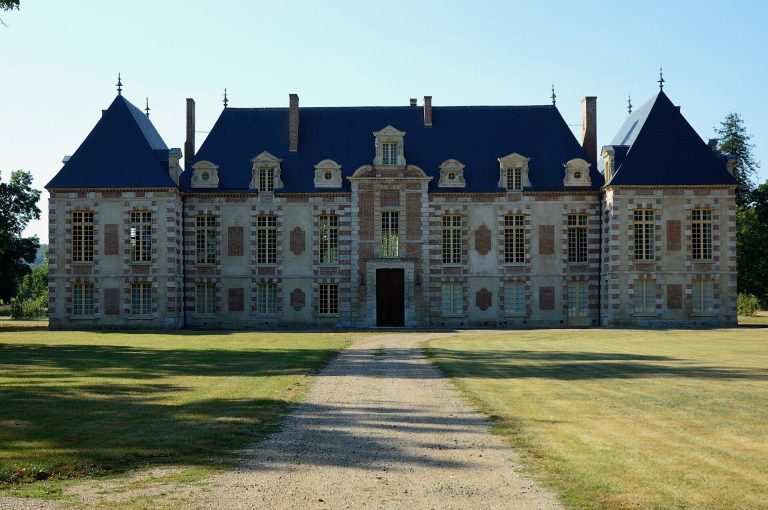
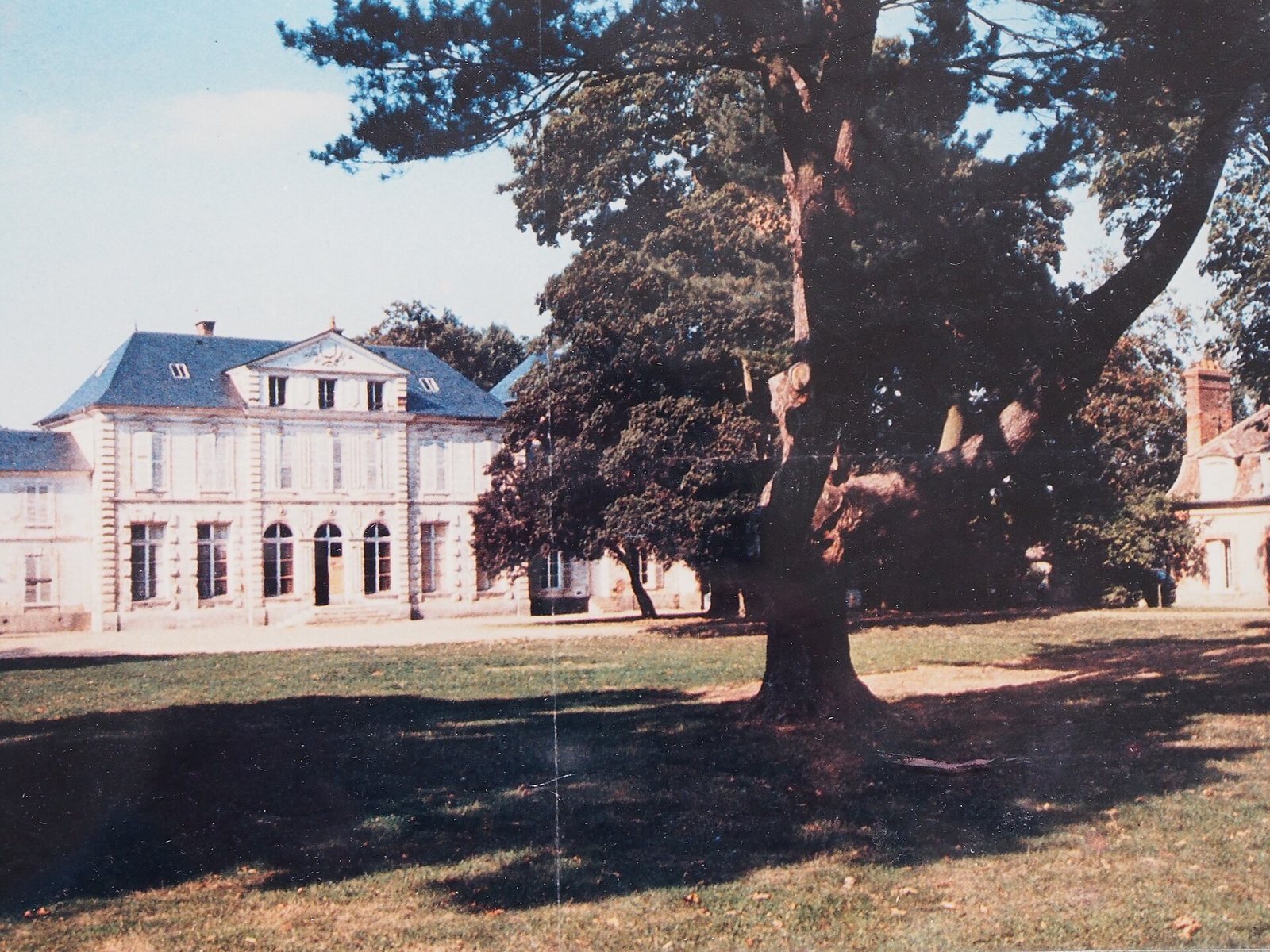
Trangis Castle is a residence in Évreux, France, built before 1750 by Le Cousturier de Pithienville, a royal court official responsible for criminal cases. It stands on the remains of a seventeenth-century building, and its design reflects classical influences of the eighteenth century.
On 13 June 1750, the property passed to Godefroy de La Tour d’Auvergne, Duke of Bouillon and Count of Évreux, who also owned Château de Navarre. Before the French Revolution, the upheaval that ended the monarchy in France, it passed to Michel Le Cousturier de Courcy. In the late nineteenth century, the residence was also called Château du Plus-que-Tout, after the road leading to it.
From private estate to city property
Banker Ferdinand Goldschmidt acquired the château in 1861, and it remained in his family for more than a century. In 1981, his great-grandson Guillaume Guindey, a senior civil servant and member of the Institut de France, sold it to the city of Évreux. The Institut de France brings together France’s learned academies.
Remains
Built of stone and brick, the château stands within grounds that include a park, now a green space. Its restrained, balanced design combines understated ornament with large multi-pane windows.
Architectural features
Exterior
The façade has a measured arrangement of large multi-pane windows and restrained decoration. Its classical design balances refinement with practical function.
Interior
The interior has been substantially altered, but retains some original details, including moldings, marble fireplaces, and carved woodwork.
Park
The château’s grounds include a park that now serves as a green space.