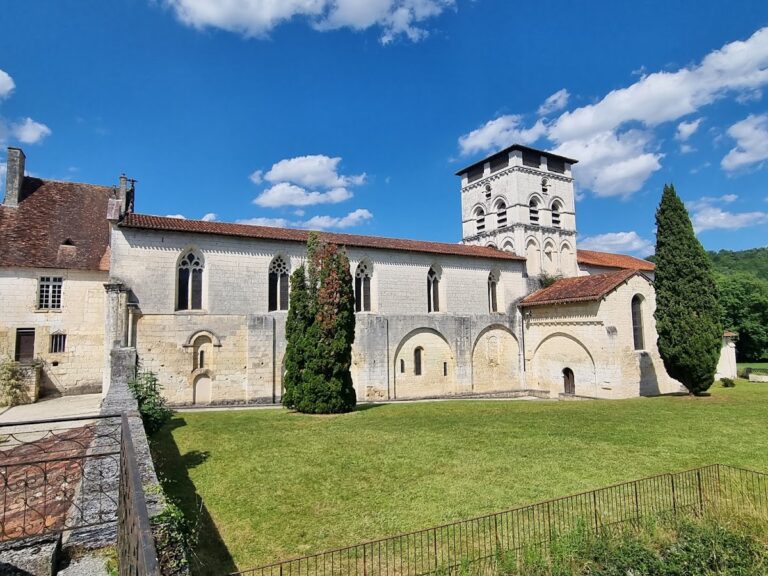
Château de Neuvic: A Historic Château and Botanical Park in France


Site at a Glance
- Rating
- 4.3
- Popularity
- Low
- Country
- France
- Primary era
- Early Modern
- Eras represented
- Early Modern
- Civilizations
- French
- Site type
- Domestic
- Remains
- Castle
On this page6 sections
History
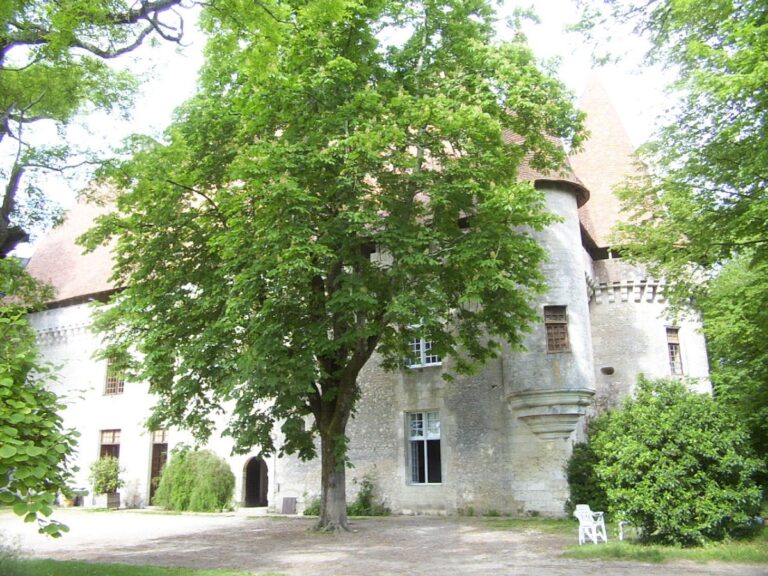
Château de Neuvic is a historic château in Neuvic, France, in the Dordogne department of the Périgord region. Construction began in 1530, and the estate later became associated with the Mellet de Fayolle family and their lordship over Neuvic.
The Mellet de Fayolle lordship
Jean I de Mellet de Fayolle, lord of Neuvic, inherited the lordship from his maternal uncle Annet de Fayolle. He combined his uncle’s surname with his own, establishing the family name used by later holders of the estate. The lordship passed through Jean II de Mellet de Fayolle from 1562 to 1572, Magdelon from 1572 to 1587, Bertrand from 1587 to 1589, and François from 1589 to 1593.
Charlotte de Mellet de Fayolle held Neuvic from 1593 until her death in 1657. Philippe II then held it until 1679, followed by Antoine-Joseph de Mellet de Fayolle from 1679 to 1736 and Henri from 1736 to 1763. A lordship, or seigneurie, was a territorial estate over which a lord exercised rights and authority.
Later inheritance and protection
Louis-Raphaël-Lucrèce de Mellet de Fayolle, count of Mellet, was the last lord and marquis of Neuvic. His son Charles-Magdelon later held the château as its resident estate holder. After Charles-Magdelon’s death, his sister Charlotte became the château’s holder in 1885.
When Charlotte died that year, her great-niece Marie-Augustine-Adrienne de Gourcy inherited the château and brought it by marriage into the family of the counts of Hay de Nétumières. One of the counts sold Château de Neuvic in 1924, and Renée Saffroy owned it for a period beginning in 1933.
The château and its park have been protected since 1927 as a picturesque site, a designation for a landscape or place valued for its scenic, artistic, historical, or scientific character. The remainder of the building was registered as a historic monument on 5 November 1927, while its façades and roofs received classification on 28 April 1952. In France, registration and classification are distinct levels of protection, with classification generally the higher level.
Remains
Setting and grounds
Château de Neuvic stands on the left bank of the Isle, north-east of the town of Neuvic. The estate includes a ceremonial courtyard and grounds that now contain a botanical park.
Château fabric
The surviving protected fabric comprises the château’s façades and roofs, together with the remainder of the building covered by its separate historic-monument registration. These elements form the principal architectural remains of the estate.
Nearby sites