Château de Saint-Just: A Renaissance Residence and Historic Estate in France
Site at a Glance
- Popularity
- Medium
- Country
- France
- Primary era
- Early Modern
- Eras represented
- Medieval, Early Modern, Modern
- Civilizations
- Unclassified
- Site type
- Domestic
- Remains
- Castle
On this page10 sections
History
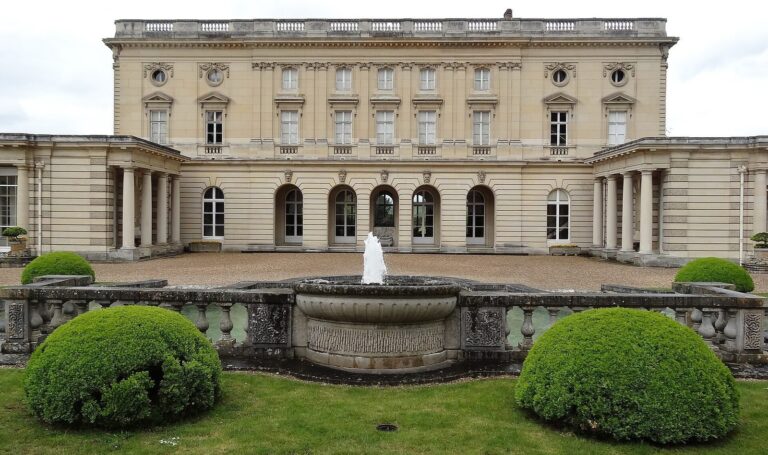
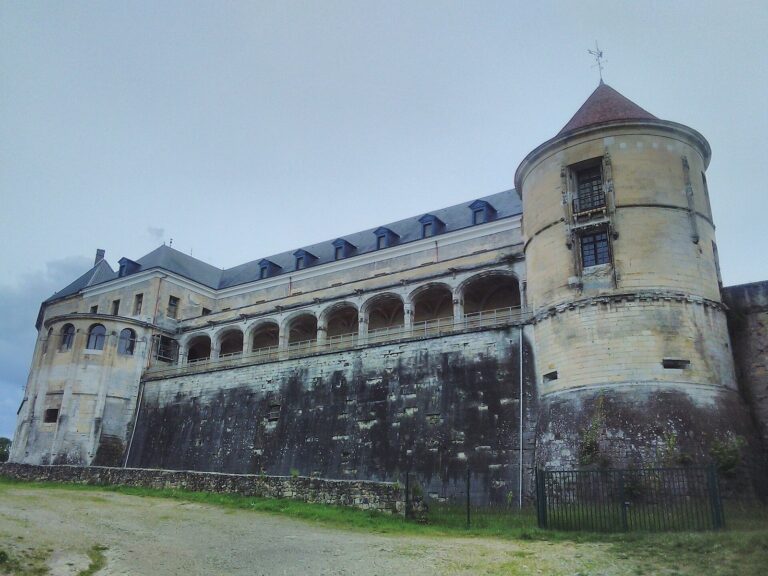
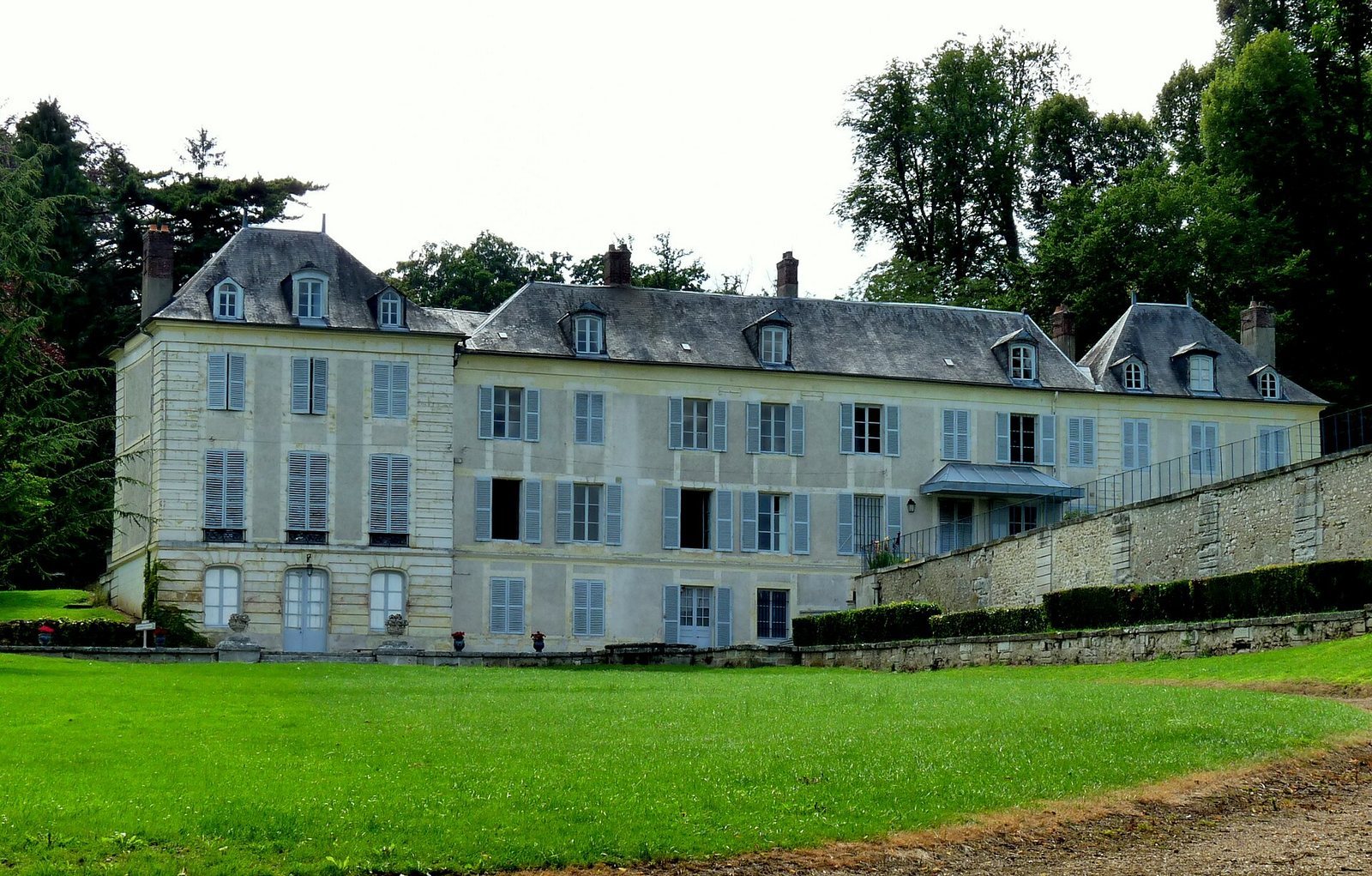
Château de Saint-Just is a Renaissance château in France, on the site of a castle built in the thirteenth century. Jacques de Croismare established a new residence here near the end of the sixteenth century. Over time, the estate served as a noble residence and a hospice, while its grounds were reshaped by successive owners.
From medieval castle to estate
Only some substructures of the original castle remain. A 1608 inventory of the estate and a plan dated 1744 provide snapshots of the property in the early seventeenth and mid-eighteenth centuries.
In 1654, the last Croismare descendants sold the estate to Jean de Savary, a royal secretary and senior official responsible for forests and water resources in Normandy. Savary and his descendants developed a formal French garden, a water system and a kitchen garden. In 1775, the estate passed to the Duke of Penthièvre, Louis Jean Marie de Bourbon, who also owned Château de Bizy at Vernon. He probably acquired the neighboring Château du Rocher estate as well. He converted the residence into a hospital and rest home for elderly servants in his service, making substantial changes to the building. The hospice continued to operate until his death in 1793.
Revolution and nineteenth-century ownership
After the hospice closed, the estate was sold as national property, property taken into state ownership during the French Revolution. Sébastien-Gilles Huet de Guerville owned it from 1795 to 1798. Victor Fanneau de la Horie acquired the château in 1798 and sold it in 1805 to Chevalier Suchet, who then transferred it to his brother Louis Gabriel Suchet, a French general and Marshal of France under Napoleon, and Duke of Albufera. Fanneau de la Horie was implicated in a plot against Napoleon, France’s military ruler and emperor, and was shot in 1812. During Fanneau de la Horie’s ownership, Sophie Trébuchet, Victor Hugo’s mother, was his mistress; Hugo may have been conceived at the château.
In 1810, Suchet replaced the avenue’s elm trees with poplars. From 1816, he oversaw major work on the residence and park. Architect Jacques Lacornée rearranged and decorated the ground floor, the house was refurnished, and the park was redesigned. In 1825, gardener Belguise reshaped part of the grounds as an English garden, a more naturalistic style of landscape design.
After Suchet died in 1826, his widow divided the property and sold the neighboring Château du Rocher estate, separating it again from Saint-Just. The château has belonged to the same family since 1885. The avenue was replanted in 1893, the pond dredged in 1905, and water channels cleared and returned to use in 1935.
The château and associated buildings were registered as Historic Monuments in 1995, a statutory heritage-protection status. In 1997, the park’s enclosure, terraces (excluding other built features), hydraulic network and avenue received classified status, a distinct form of protection. The gardens also carry the Remarkable Garden label.
Remains
The estate combines a Renaissance-style residence with landscaped grounds, garden structures, water features and an avenue linking the park to the Seine. Its physical record includes substructures from the medieval castle, remains of earlier estate arrangements and features shaped by later owners.
Residence and early estate
The château is described as Renaissance in style, while only some substructures survive from the thirteenth-century castle. Its left wing was demolished in 1904. The 1608 inventory lists a manor, outbuildings, an orangery for sheltering tender plants in winter, a garden and a kitchen garden. It also records an elm-lined avenue, vineyards, two mills, a chapel and cultivated land.
Park and water garden
Channels, pond and kitchen garden
The seventeenth-century water garden has three channels that carry spring water downhill into a large pond, whose surface reflects the château façade. Spring water also irrigates the kitchen garden. Terraces in the park overlook both the garden and the Seine.
Avenue and wooded areas
An avenue more than a kilometre long connects the park with the Seine. Two rows of plane trees line it, replacing earlier plantings of elm and poplar. The nineteenth-century part of the park contains old oak and bald cypress trees.
Former park buildings
Buildings erected in the park under the Duke of Penthièvre included a dairy, an ornamental garden structure and probably an icehouse, as well as a large service building and an infirmary. The infirmary is now incorporated into the neighboring Château du Rocher property. The chapel, Osmont pavilion and part of the English garden also became part of that separate estate.
Park tomb
Huet de Guerville’s wife was buried in a tomb in the park. Its construction reused architectural elements from the mausoleum of Lancelot de la Garenne, made in 1595 for the church at Mercey.