Pocé-sur-Cisse Castle: A Late-Fifteenth-Century Castle in France
Site at a Glance
- Popularity
- Medium
- Country
- France
- Primary era
- Medieval
- Eras represented
- Medieval
- Civilizations
- French
- Site type
- Domestic
- Remains
- Castle
On this page5 sections
History
Medieval lordship and the late fifteenth century
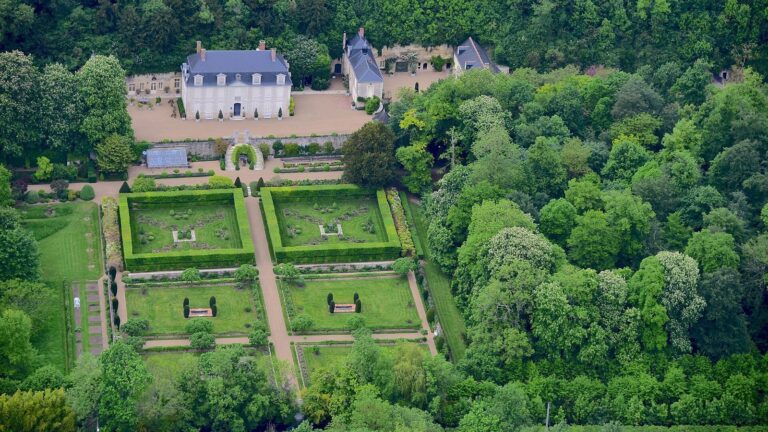
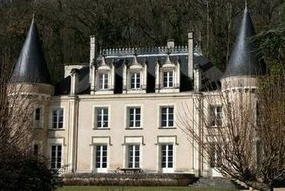
Pocé-sur-Cisse Castle is a late-fifteenth-century castle in France. In the thirteenth century, the lordship of Pocé was dependent on Rochecorbon. The Chauvigny-Châteauroux family inherited it and sold it to Jean III de Bueil in the fourteenth century. The castle’s late-fifteenth-century history is associated with Jean V de Bueil, Count of Sancerre and admiral of France, and his son Antoine de Bueil, who married Jeanne de France.
The right of quintaine, a medieval contest in which a participant struck a target, may at times have been associated at Pocé with a separate, alleged seigneurial claim to sexual access. The allegation describes a Trinity Day custom in which the lord or his officers used a staff bearing the family arms at one end and an iron point at the other to prod attractive women to dance. Those who refused were said to face immediate flogging.
Seventeenth- and eighteenth-century owners
Pocé was seized and awarded to André Dubecq, lord of Verdes, in 1609. In 1661, François-René Dubecq, also known as Du Bec de Vardes, transferred the estate to Thomas Bonneau. It passed to Dominique Chaufourneau in 1691, Louis Pelluys in 1703, and Jeanne Soulas in 1714. Soulas was the wife of René de Cop, Treasurer of France at Tours. Their son Jean de Cop became mayor of Tours. Later owners included the Count of Milon de Mesme in 1783 and the Marquise de Bridieu in 1790.
Ironworking, restoration, and later history
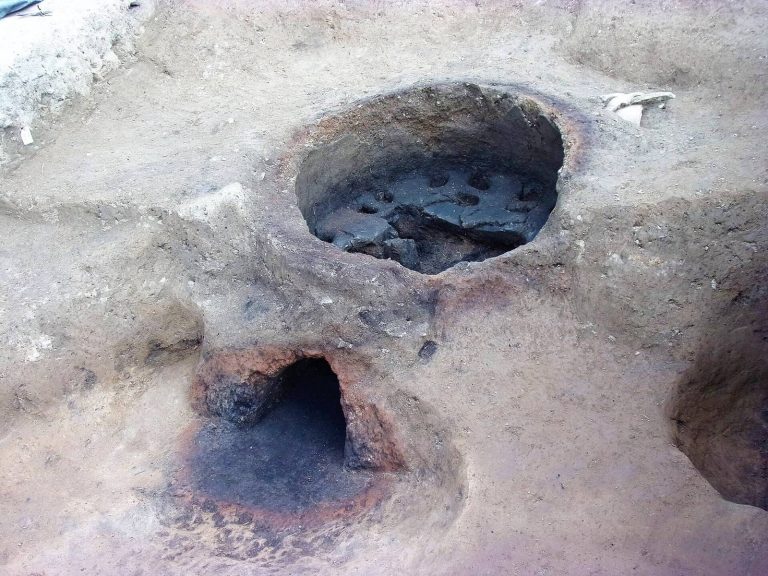
After the estate was sold as national property, meaning land confiscated by the state and offered for sale, it was acquired by ironmaster Armand Moisant. In 1823, King Louis XVIII, the Bourbon ruler of France from 1814 to 1824 apart from Napoleon’s brief return in 1815, authorized Moisant to build an ironworks on the stream at the Pocé mill. An ironmaster was an owner or manager of an ironworks. In 1829, Moisant’s son-in-law, who had acquired the estate, sold it to Jean-Jacques Ducel and Paulin Viry, and a foundry was established there.
During the foundry’s reorganization in the late nineteenth century, its buildings were removed, and the château was restored and arranged for leisure use. Julian Bertrand acquired the estate in 1889. Having no children, she left all her property in 1924 to the Julian-Bertrand Foundation for abandoned children. The château was listed as a historic monument in 1937, and its park received protected-site classification in 1942.
Remains
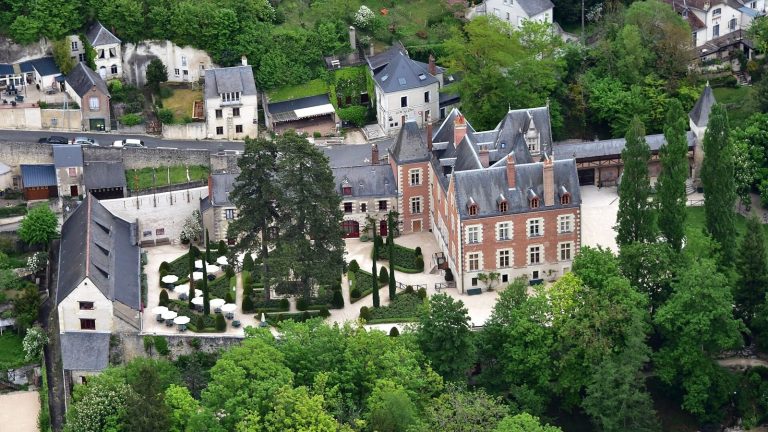
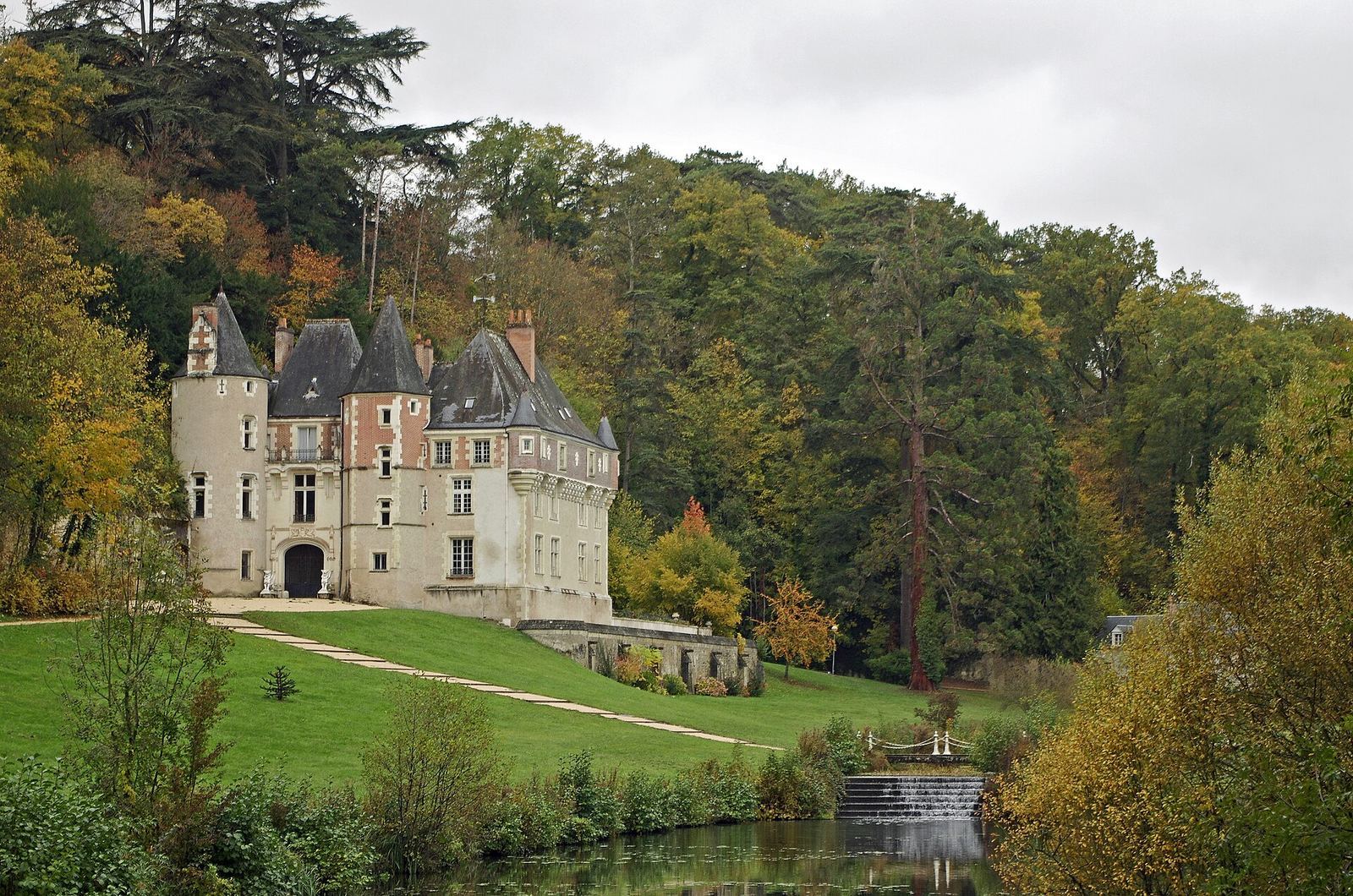
The château dates to the late fifteenth century, and its park was embellished with cast-iron statues from the former Ducel foundry.