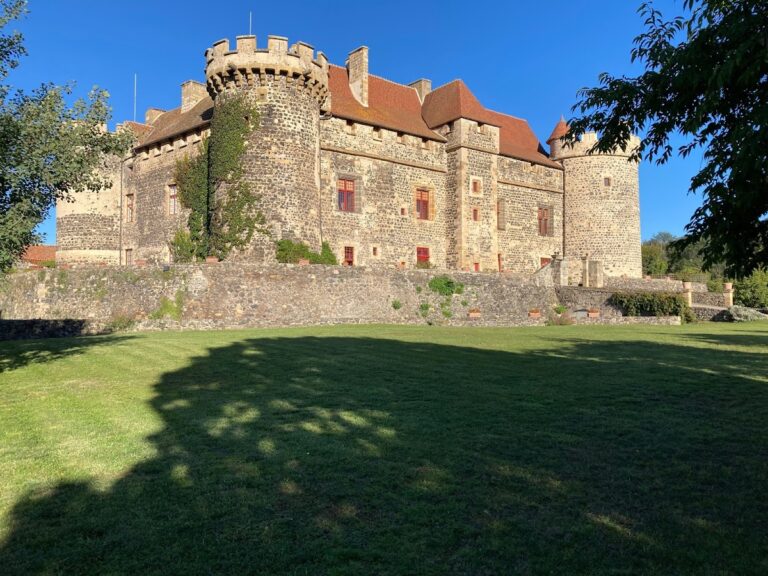
Château de Montrognon: A Medieval Castle in France
Site at a Glance
- Rating
- 4.4
- Popularity
- Low
- Country
- France
- Primary era
- Medieval
- Eras represented
- Medieval
- Civilizations
- French
- Site type
- Military
- Remains
- Castle
On this page8 sections
History
Château de Montrognon is a ruined medieval castle above Ceyrat in France, built around 1190 by Robert I in the final years of the twelfth century. Also known as Mont-Ronhous in Auvergnat and Mons Rugosus in medieval Latin, it became the center of the lordship held by the Montrognon de Salvert family.
The medieval lordship
The Montrognon de Salvert family depended on the Opme family. Both families were related to, and served as vassals of, the Dauphins of Auvergne, a ruling lineage with territorial authority in the region. The Dauphins were based in the neighboring castellany of Chamalières, a territorial jurisdiction administered from a castle.
During the thirteenth century and the first half of the fourteenth century, a village of several houses developed below the castle tower. It apparently did not survive the crises of the later fourteenth century, when plague outbreaks and devastation caused by the Free Companies affected the region.
Dismantling and collapse
In 1633, Château de Montrognon was dismantled and partly demolished under the policy of Cardinal Richelieu, chief minister of King Louis XIII. His policies aimed to weaken the political and military independence of the nobility and included the dismantling of some fortified castles.
The ruin suffered further damage in the nineteenth century. One tower collapsed in 1828. In February 1840, strong winds brought down part of the walls and part of the keep, after which local inhabitants used the remains as a quarry.
On 23 April 1884, Auguste Vignon and Joseph Gouny, known as Naca, were buried beneath the rubble while searching for a supposed treasure attributed to the medieval Templars, the military-religious Order of the Temple. Vignon was killed immediately, while Naca remained trapped for seven days and seventeen hours.
Present historical setting
Château de Montrognon remains in ruins. Part of the site is preserved and managed by the Conservatoire d’espaces naturels d’Auvergne, and the site is included in the Natura 2000 network.
Remains
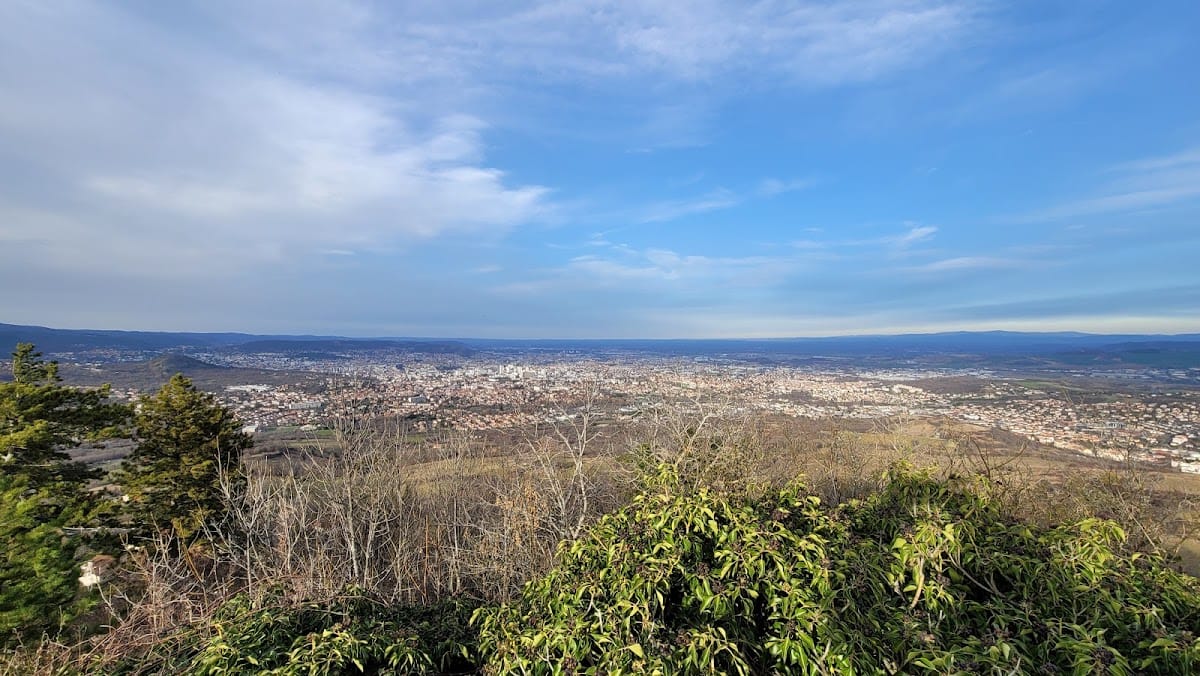
Château de Montrognon occupies the summit of a volcanic mountain, or puy, rising to 699 metres above sea level. The castle was organized around a courtyard enclosed by high walls, with buildings set against their inner sides. A cistern occupied the courtyard.
Fortified enclosure
The castle’s outer enclosure had a trapezoidal plan and was surrounded by a moat. Partly built into the walls, turrets strengthened the enclosure and were crowned with battlements. Entry was provided by a western gate reached across a drawbridge.
Keep
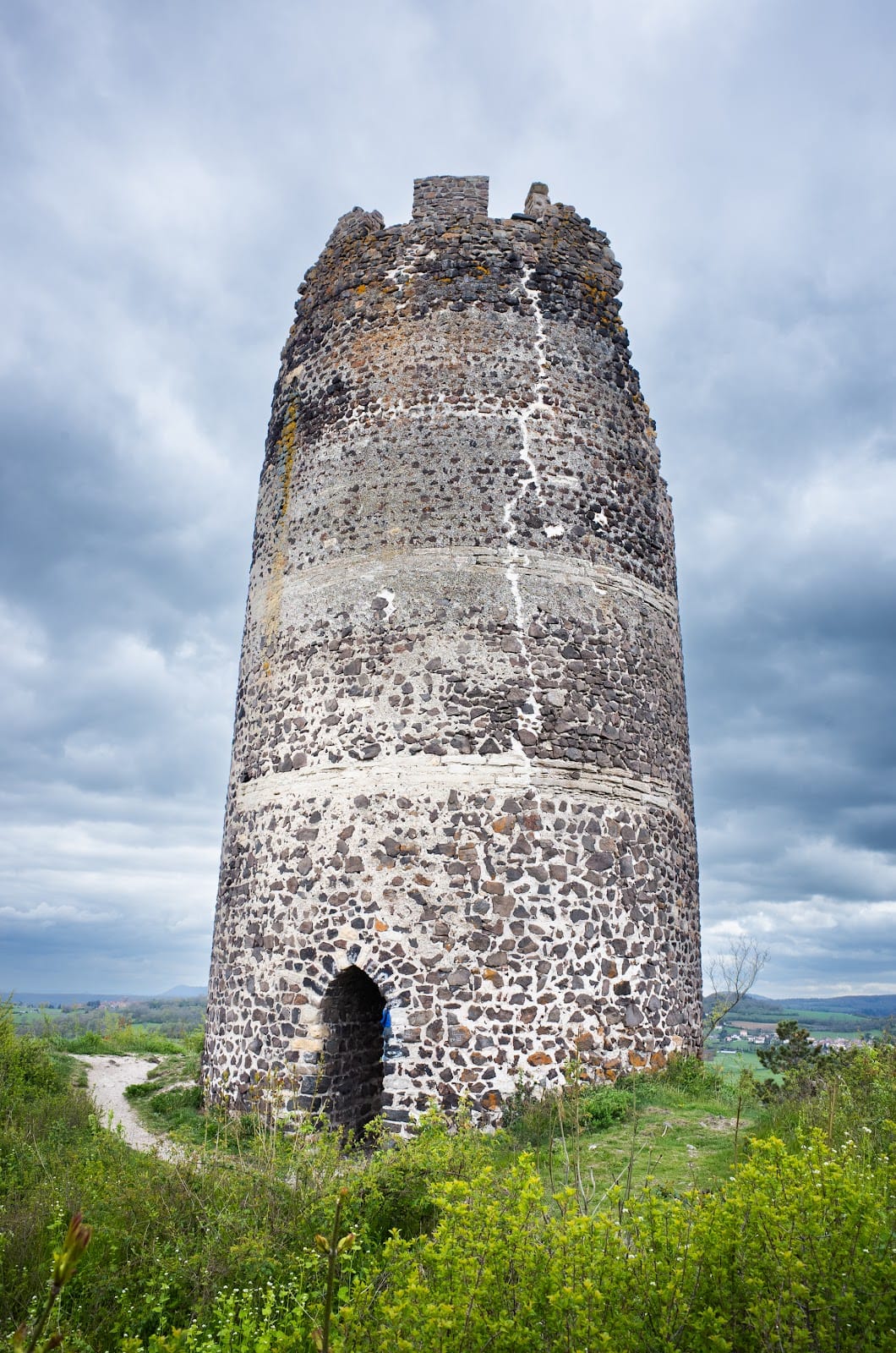
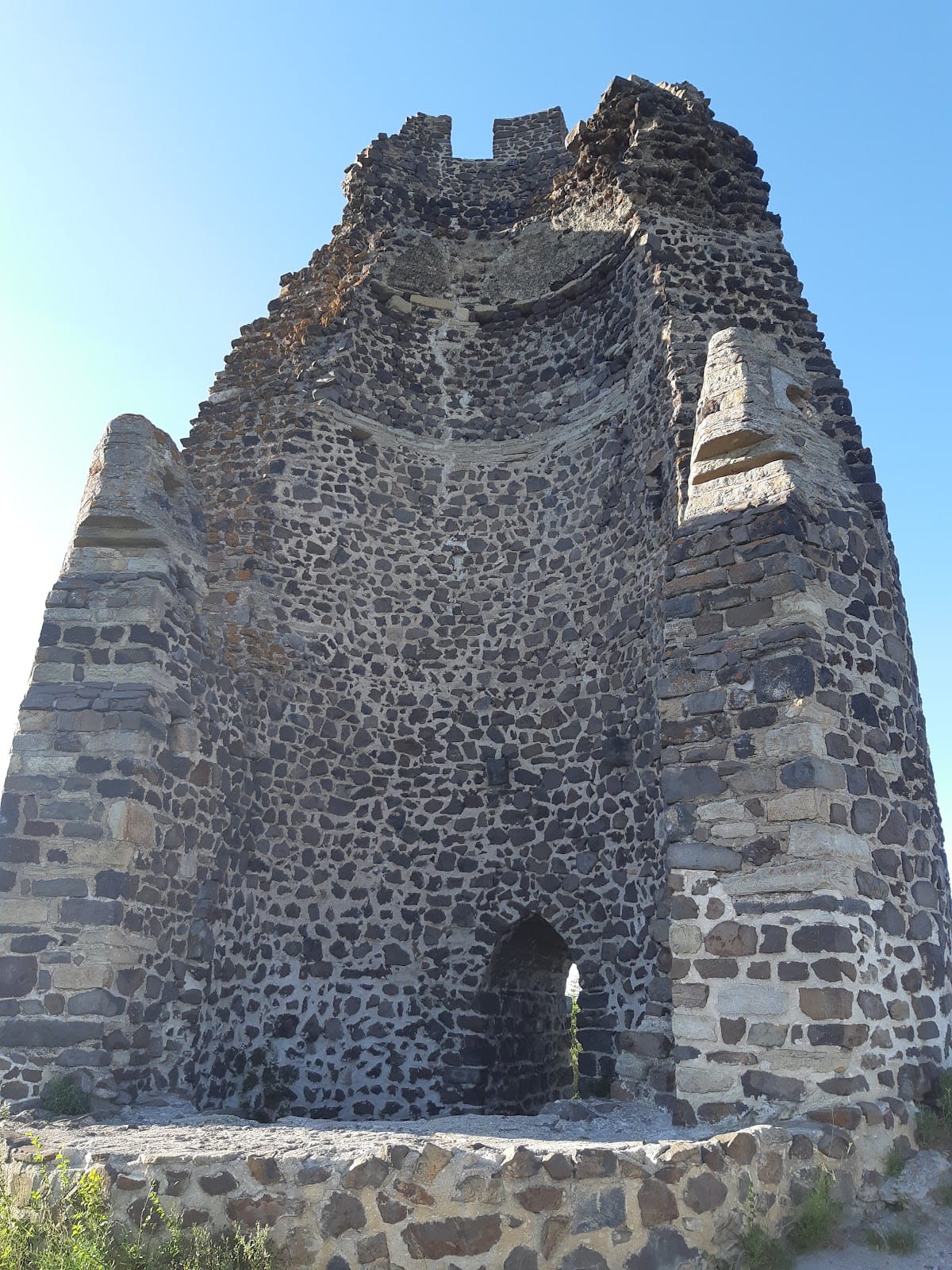
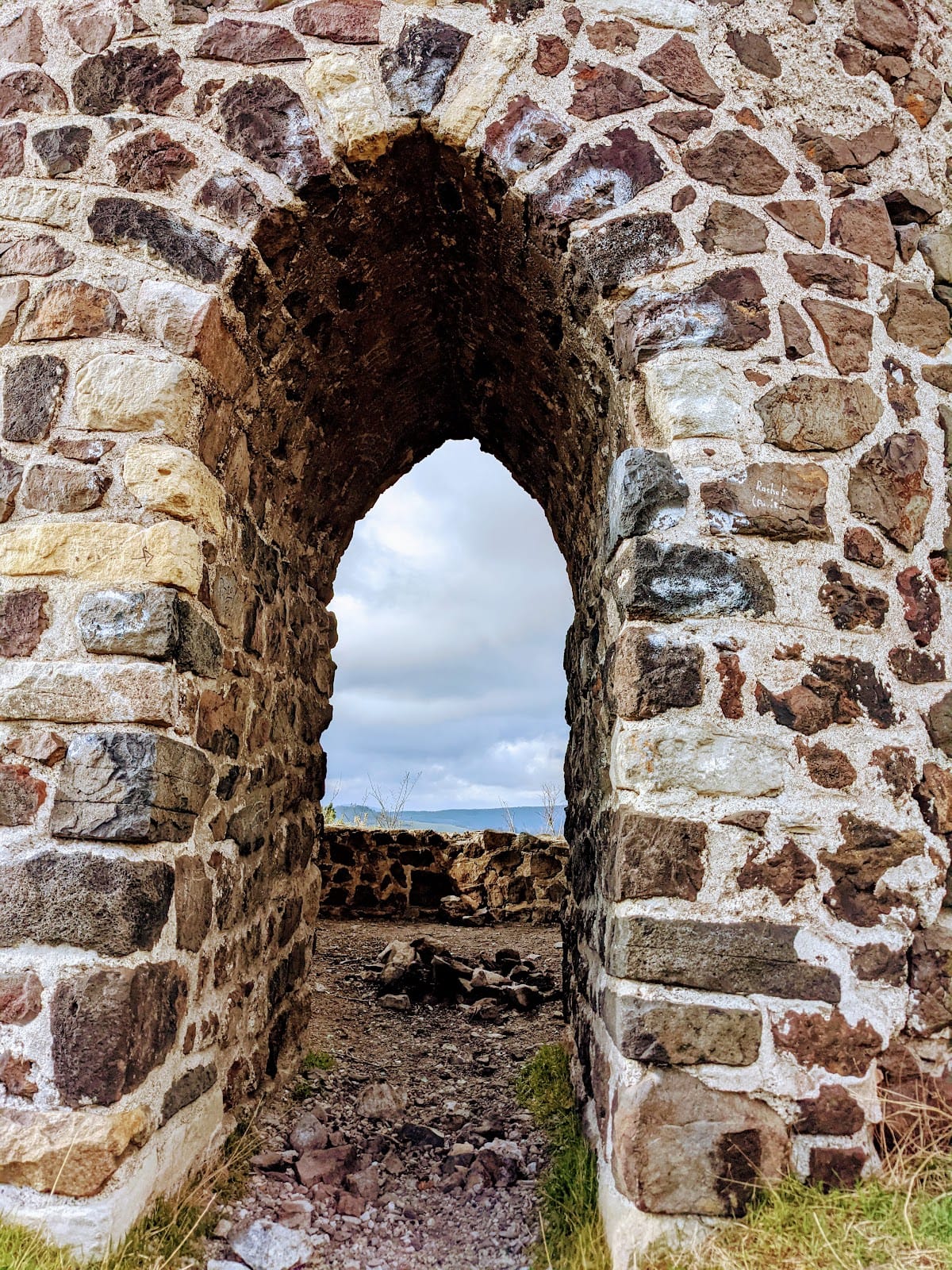
The surviving circular ruined tower is the remnant of the keep, which was built at the end of the twelfth century. It originally contained three vaulted storeys and a lookout post on its upper platform. The tower forms the principal surviving element of the medieval castle.
Volcanic slopes and grasslands
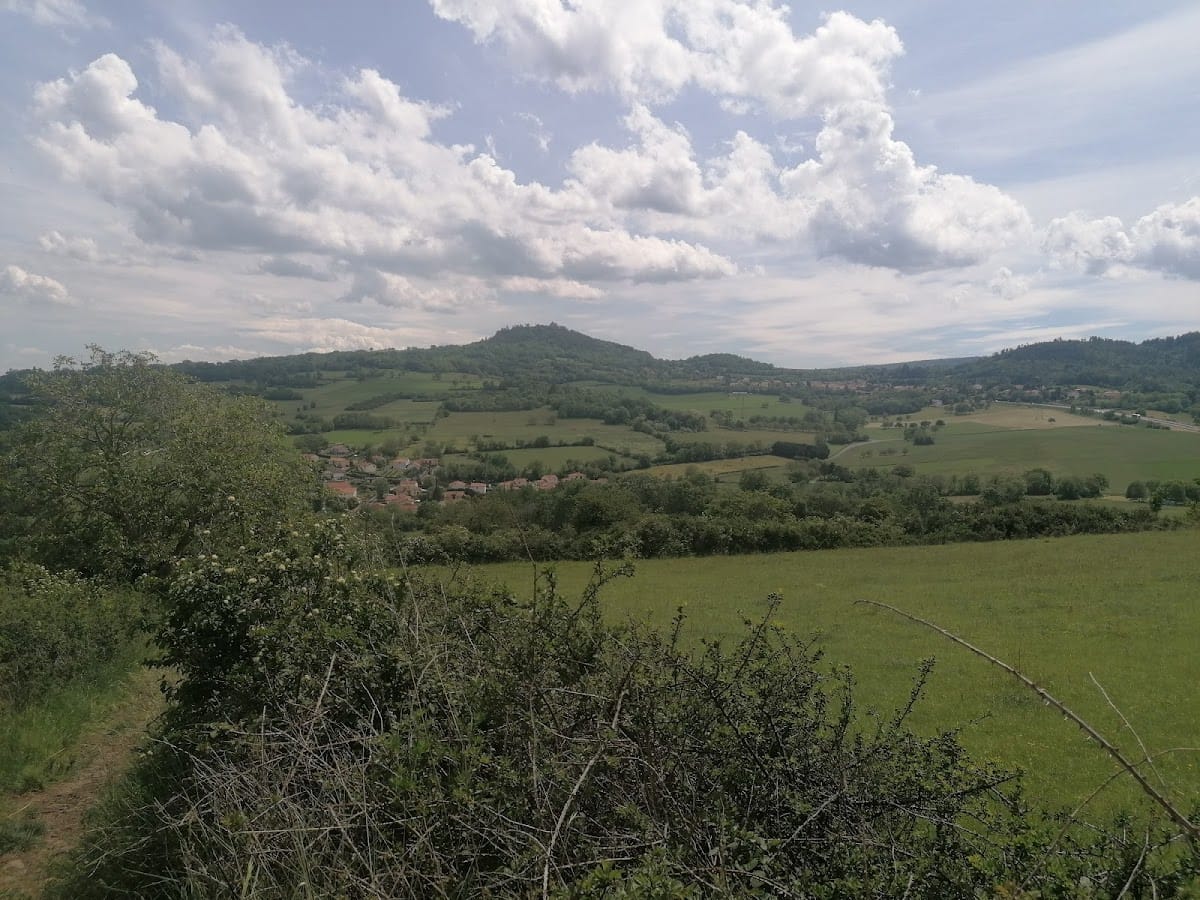
The summit is now wooded with conifers, although it was still open land at the beginning of the twentieth century. The slopes of Montrognon contain dry Mediterranean grasslands with several orchid species, adding a natural dimension to the setting of the castle ruins.