Château de Tennessus: A Historic Estate and Former Prison in France


Site at a Glance
- Rating
- 4.9
- Popularity
- Low
- Country
- France
- Primary era
- Early Modern
- External website
- Open
- Eras represented
- Medieval, Early Modern
- Civilizations
- French
- Site type
- Domestic
- Remains
- Castle
On this page6 sections
History
Medieval Estate and Prison
Château de Tennessus is a historic estate in Amailloux, France, constructed during the fourteenth and fifteenth centuries. Also known as Château de Thenessue, it was serving as a prison by 1401, showing that the complex had an institutional function alongside its role as an estate.
Revolution and Later Preservation
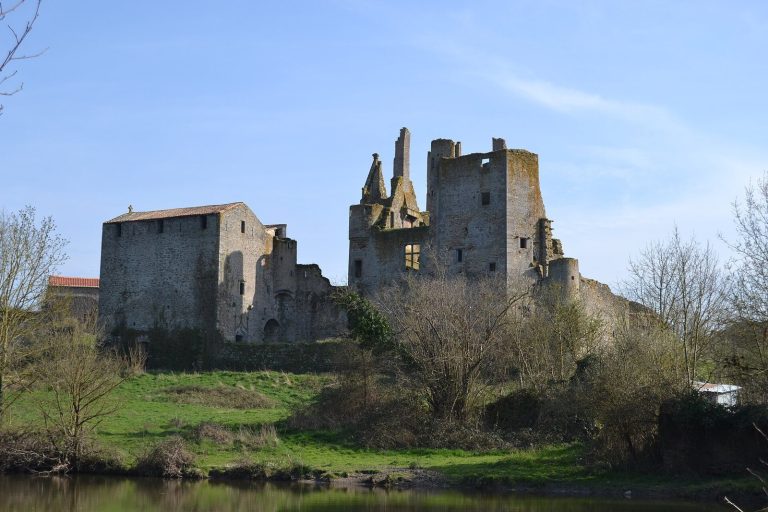
During the French Revolution, the owners emigrated in 1792 and 1793. The Directory of Deux-Sèvres, the departmental revolutionary administration, ordered the château’s demolition, but the order was never carried out.
The property entered France’s historic-monument protection system in 1943. The garden grounds and enclosing walls were added to the protection in 1993, followed by the ancillary buildings in 2007. Restoration began in 1985 after the château was purchased by Dominique Piéchaud, an artist and sculptor based in Bordeaux. The site is now used for guest accommodation.
Remains
Moat, Enclosure, and Farmstead
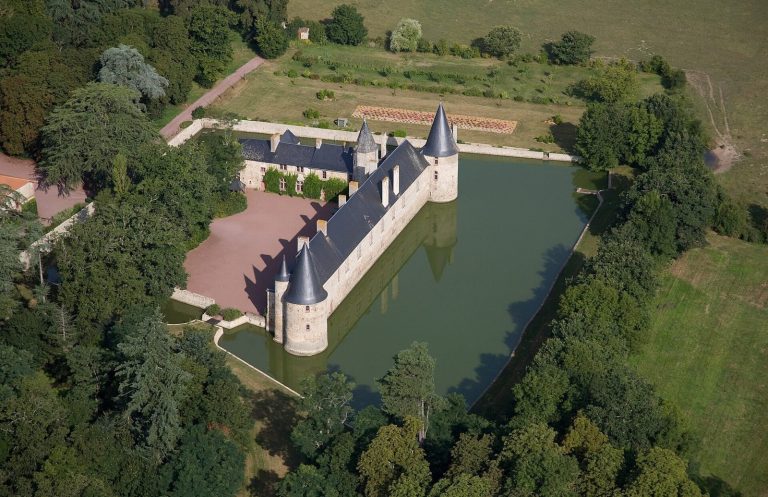
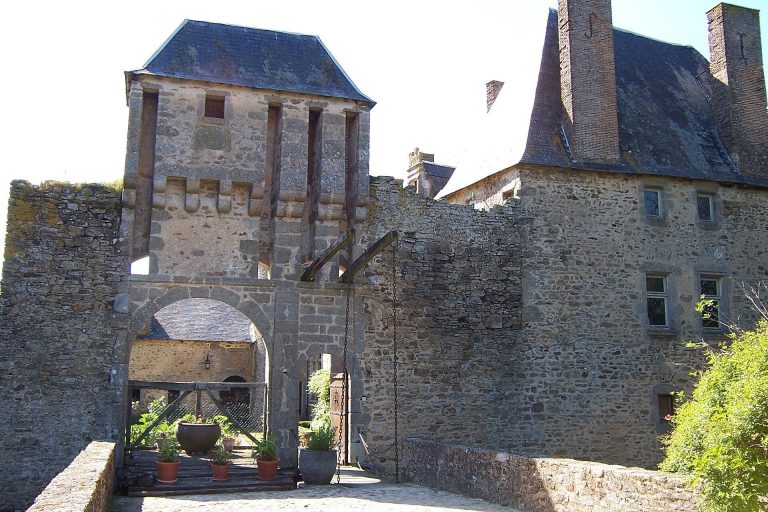
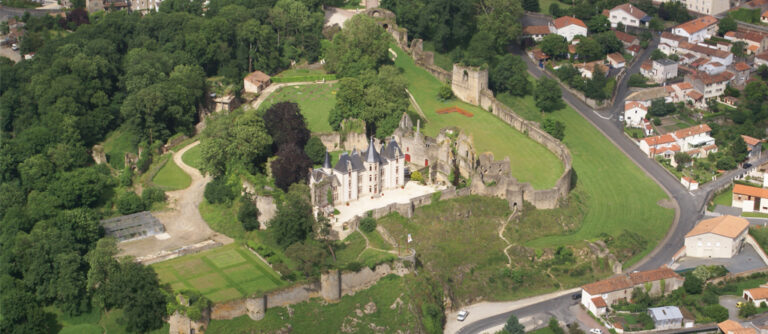
The château stands at the southeastern edge of the commune of Amailloux. A moat surrounds the complex, while the western section of the enclosure survives around the farmstead buildings. These agricultural structures form a rectangular courtyard protected by two truncated towers. Together, the moat, enclosing walls, courtyard, and towers define the physical organization of the estate.
Residential Building
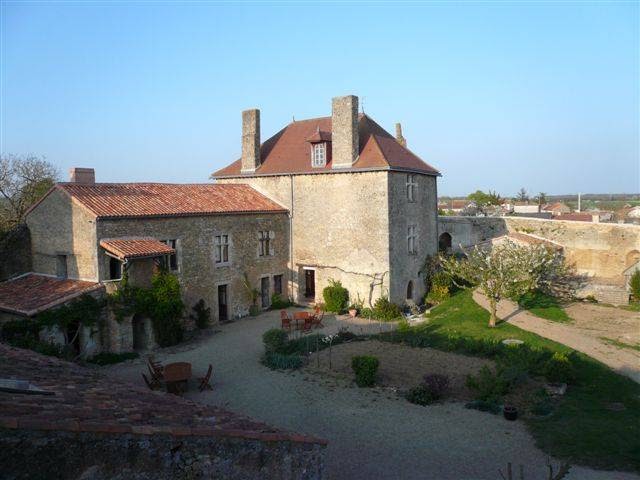
The main residential building dates from the seventeenth century and was altered in the eighteenth century. The date 1771 was inscribed during that modification, providing a precise marker for one phase in the building’s later development.