Château de Millemont: A Historic Château Complex in France


Site at a Glance
- Rating
- 4.8
- Popularity
- Very Low
- Country
- France
- Primary era
- Early Modern
- Eras represented
- Early Modern
- Civilizations
- French
- Site type
- Domestic
- Remains
- Castle
On this page6 sections
History
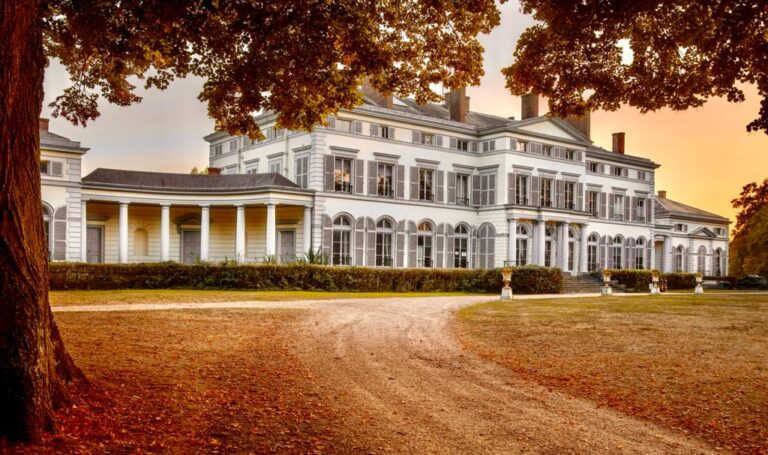
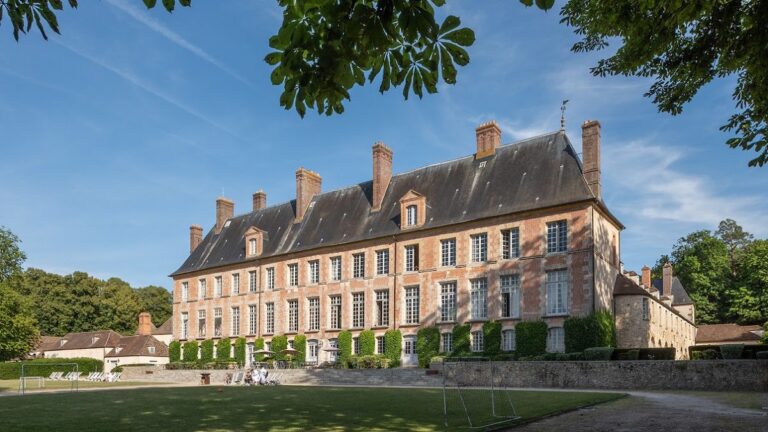
Château de Millemont is a historic château complex in France, comprising a smaller residence built in 1515 and a larger château constructed in 1710. Its history connects the estate with royal administration, Parisian legal circles, aristocratic ownership, and political life during the Second Empire.
The sixteenth-century château
The small château was built in 1515 for Sieur d’Haville, governor of Monfort and bailiff serving King Francis I. Francis I ruled France from 1515 to 1547 and supported Renaissance culture and architecture, placing the building within the early period of his reign.
The eighteenth-century expansion
In 1710, Guillaume IV de Briçonnet built the large château. He was attorney general of the Grand Council and a councillor of the Parlement of Paris, a high judicial and administrative institution of the French monarchy. These offices placed him within the royal legal system.
Nineteenth-century owners and political associations
The Prince of Polignac acquired Millemont in 1827. The Princess of Polignac sold it in 1843 to Richard, a wealthy Parisian business lawyer. After Richard’s death, his son Maurice Richard inherited the château.
Maurice Richard served as a minister during the Second Empire, the imperial regime of Napoleon III that lasted from 1852 to 1870. After the Empire fell, he withdrew from public affairs and aligned himself with Prince Napoleon, a Bonaparte family member associated with the imperial cause. He remained Prince Napoleon’s close associate and friend. In 1872, the government of Adolphe Thiers ordered Prince Napoleon to leave France while he was at Millemont.
After Maurice Richard died in 1888, Georges Béjot acquired the château. A retired stockbroker, Béjot belonged to the Béjot family and presided over the Société centrale des chasseurs.
Later ownership and protection
In 1987, Colette de Baudus, Georges Béjot’s great-granddaughter, sold Château de Millemont to Kiiko Nakahara and her husband, Jean-Claude Perez-Vanneste, also known as Jean-Paul Renoir. The property was later resold and has since undergone restoration.
The commons received registration as historic monuments on 28 April 1947. The château as a whole was classified as a historic monument on 25 January 1965. In France, registration and classification place buildings or sites under heritage protection, with classification providing the higher level of protection.
Remains
Château de Millemont consists of two principal residential elements, the small château of 1515 and the large château of 1710. The principal façade of the larger building faces the park, whose layout includes a terrace bordered by a balustrade made of dressed stone. The complex has undergone restoration, while the protected commons form part of its surviving historic fabric.