Lumagne Castle: A Seventeenth-Century Residence in France
Site at a Glance
- Popularity
- Very Low
- Country
- France
- Primary era
- Early Modern
- Eras represented
- Early Modern
- Civilizations
- French
- Site type
- Domestic
- Remains
- Elite Residence
On this page6 sections
History
Construction and Early Owners
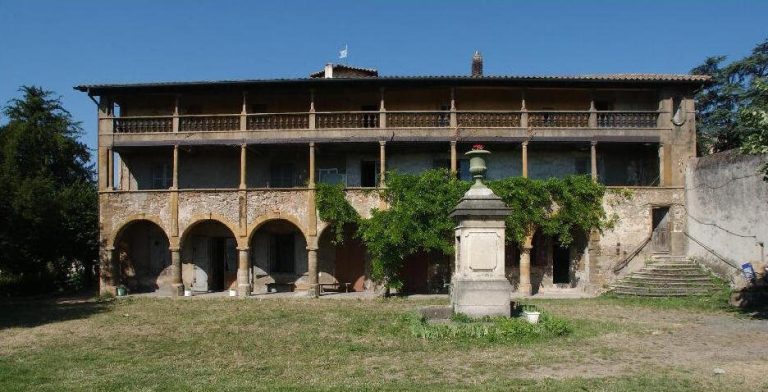
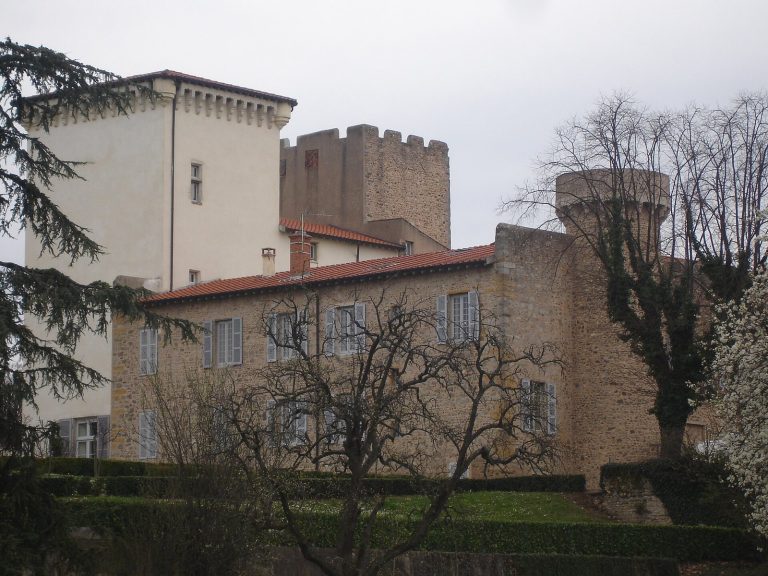
Lumagne Castle, also known as Château de la Citadelle, is a seventeenth-century residence in Saint-Genis-Laval, France. Construction began in 1630, when Barthlémy Lumagne, lord of La Haye, had the house built.
After 1680, Claude Trollier acquired the property. He served as an alderman of Lyon in 1681. During the second half of the eighteenth century, the owner was Nérée Chappet, followed by Antoine Christophe Malbay and Jean-Louis Genillion, who was born in 1767.
Nineteenth-Century Owners and Protection
Owners from the nineteenth century included Isaac François Gourd (1789–1832) and the Rival de Rouville family. Monsieur Mercier owned the property from 1933. It is now privately owned.
The château has been protected under France’s historic-monument designation since 11 October 1943. This is a legal heritage status for historic buildings and other cultural property.
Remains
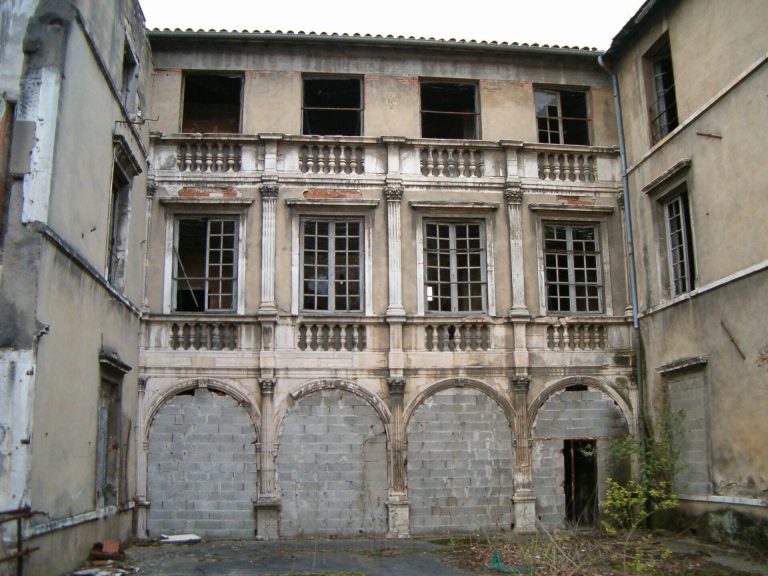
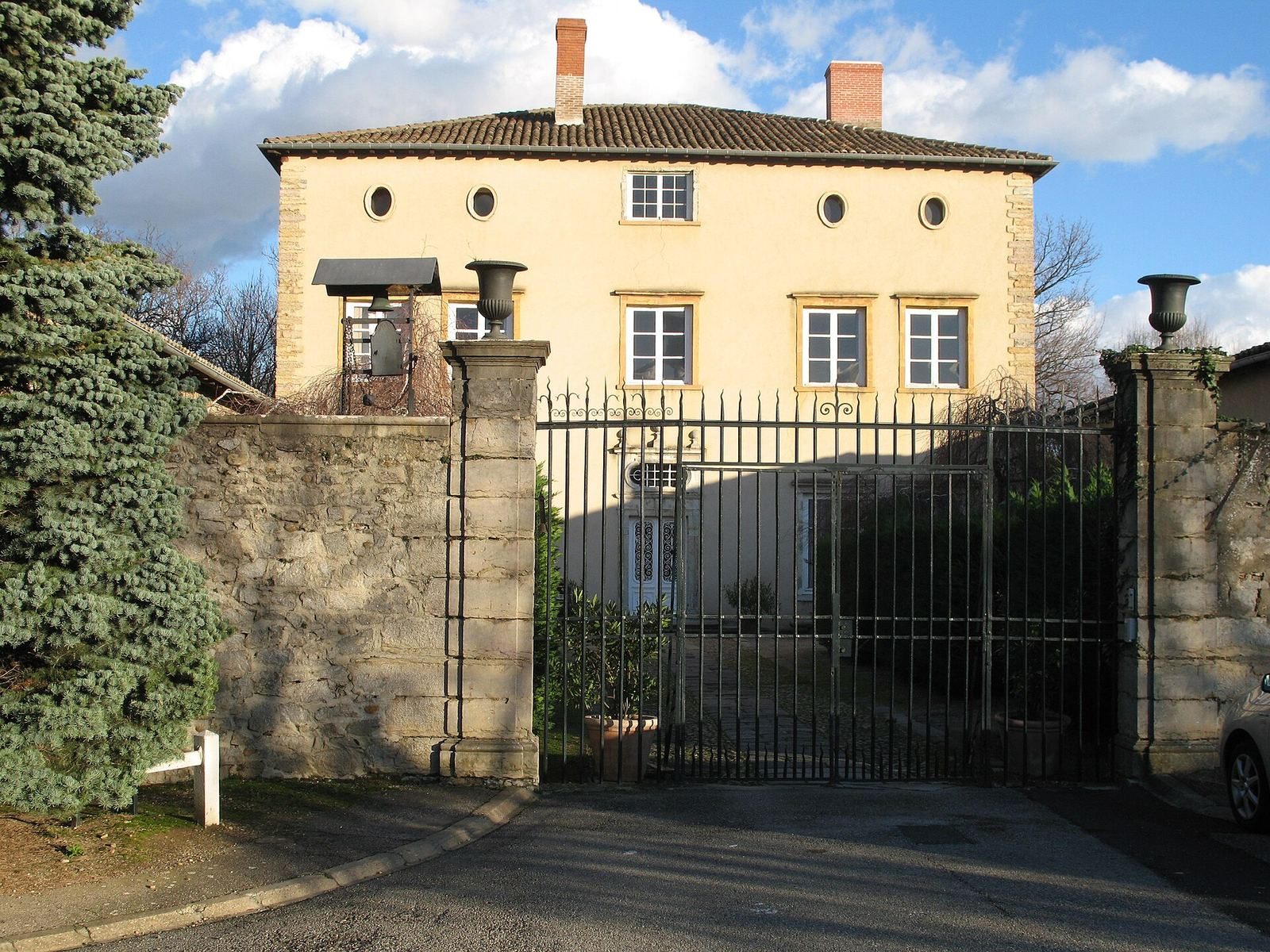
The seventeenth-century complex is arranged around a courtyard and combines a square main residence with two pavilions. The main house and the northwest pavilion have tiled roofs that slope on all sides.
Pavilions and Grounds
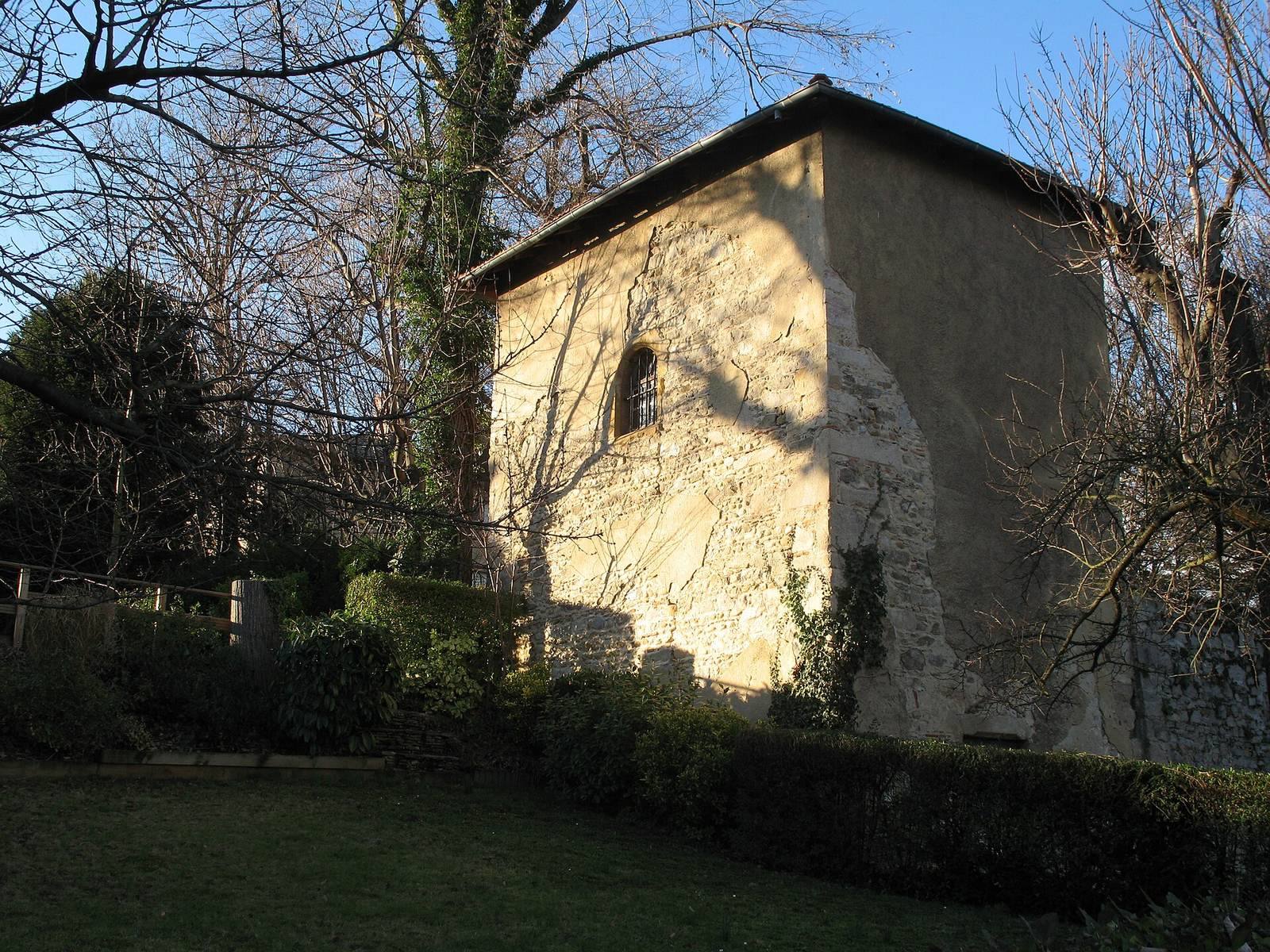
A rectangular pavilion stands northwest of the main residence, while an L-shaped pavilion lies to the southwest. East of the house, a park contains the former chapel and exotic trees, including a female ginkgo. A tree-lined avenue that once led to the property is now part of a residential development. The last Mass in the chapel was probably held during the 1970s.
Main Residence and Interior
The main house has a ground floor and an attic level with round openings and windows of varying sizes. Inside, a salon contains frescoes attributed to the school of Nicolas Poussin, the French painter associated with classicism; this attribution connects the paintings with his artistic tradition, but does not necessarily mean he painted them himself. The interior also includes a staircase and mullioned windows, which are divided into sections by bars. A monumental fireplace erected in 1631 bears the Latin inscription NUNQUAM PATRIAE SERVIRE PIGEBIT, meaning “It will never be burdensome to serve one’s country.”
Descriptions of the Lumagne arms give two forms: three gold snails on red beneath a gold upper band bearing a gold fleur-de-lis, or three silver snails on blue beneath a blue upper band edged in silver and bearing a gold fleur-de-lis. The Trollier arms show a red lion standing upright on silver, crossed by a broad gold band.