La Trave Castle: A Fourteenth-Century French Stronghold
Site at a Glance
- Popularity
- Low
- Country
- France
- Primary era
- Medieval
- Eras represented
- Medieval
- Civilizations
- Unclassified
- Site type
- Military
- Remains
- Castle
On this page4 sections
History
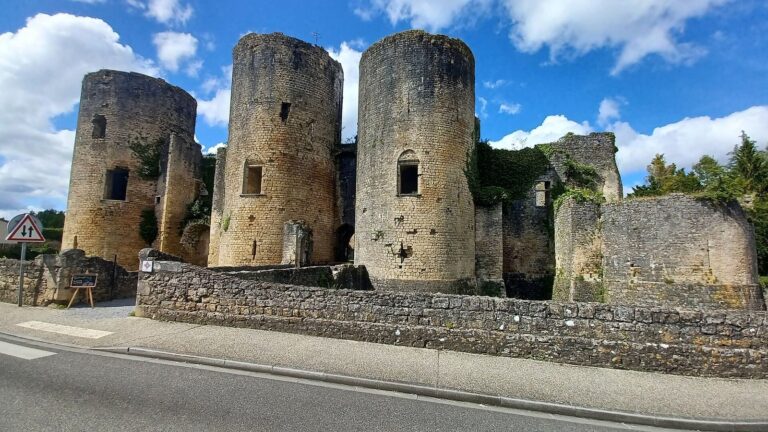
La Trave Castle, built by Arnaud-Bernard de Preyssac in the early fourteenth century, occupies elevated ground above the left bank of the Ciron gorge in France.
The circumstances that led to its ruin are uncertain. Charles VII, king of France from 1422 to 1461, may have ordered its destruction in 1456 after the arrest of its owner, Pierre de Montferrand, who had sided with the English during the Hundred Years’ War, a prolonged conflict between the English and French crowns. Alternatively, the castle may have been devastated during the Wars of Religion, conflicts between Catholics and Protestants in France, in the seventeenth century.
The castle’s remains were listed as historic monuments under a French heritage-protection order dated 22 December 1987.
Remains
Setting and enclosure
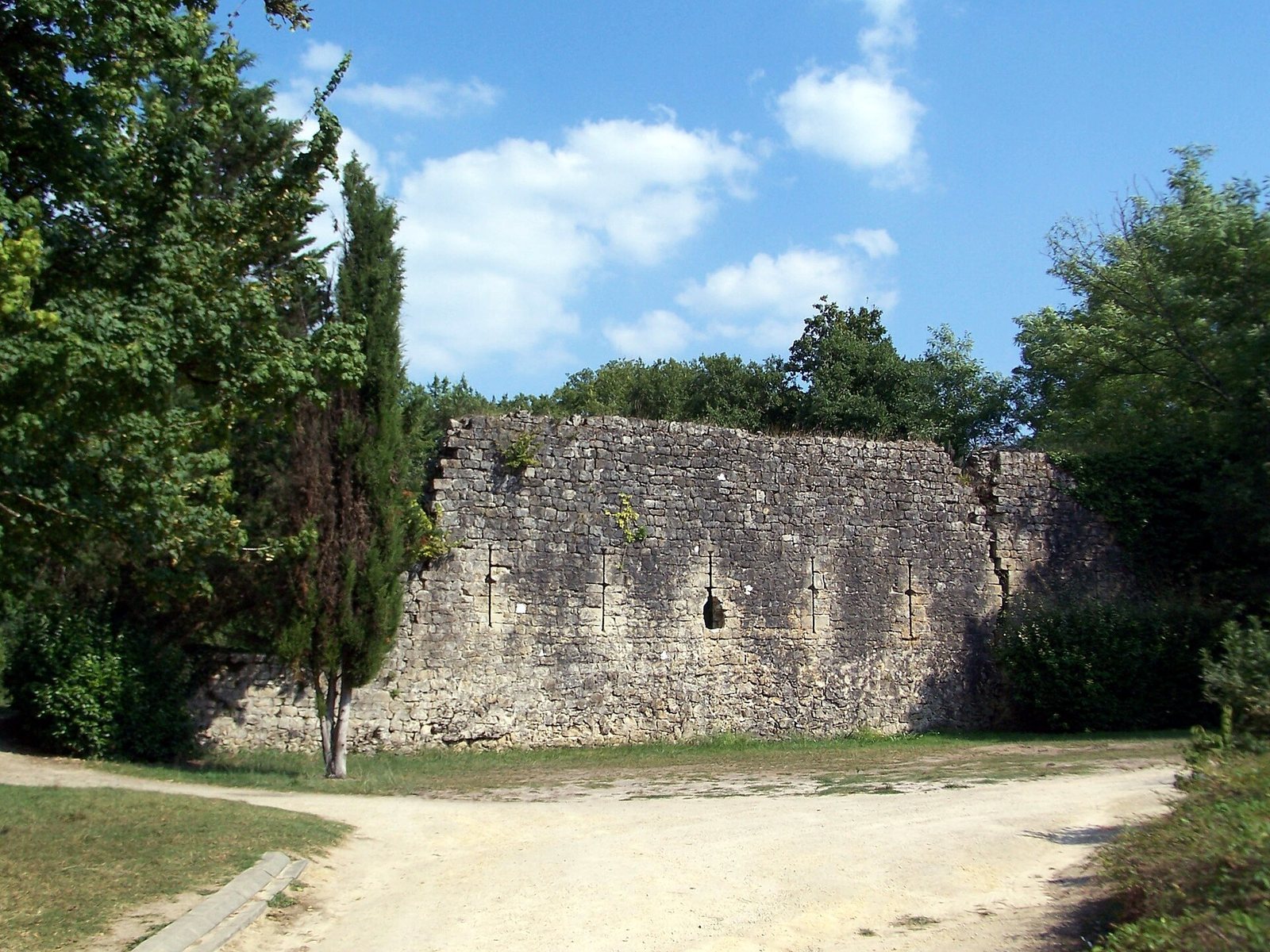
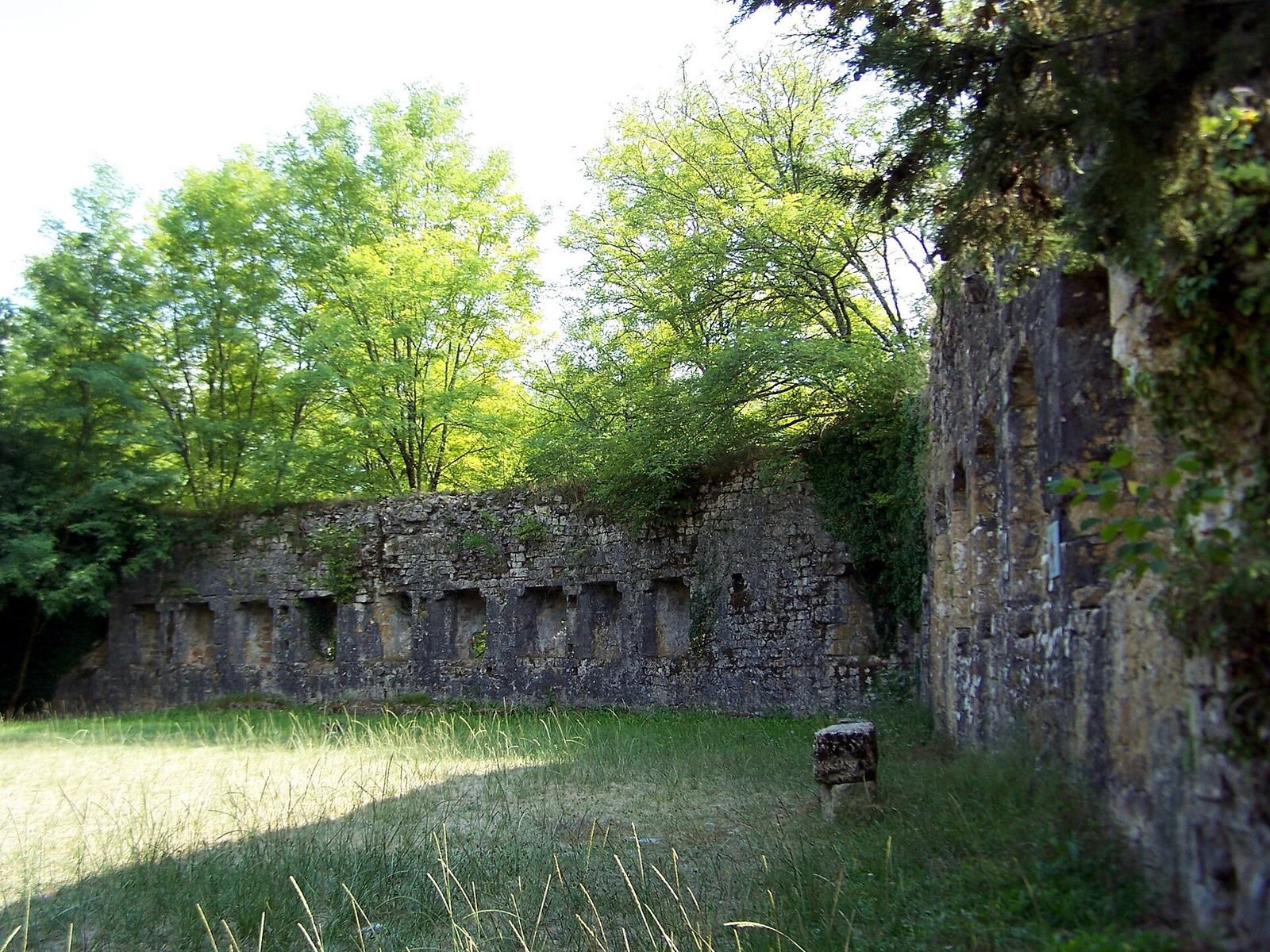
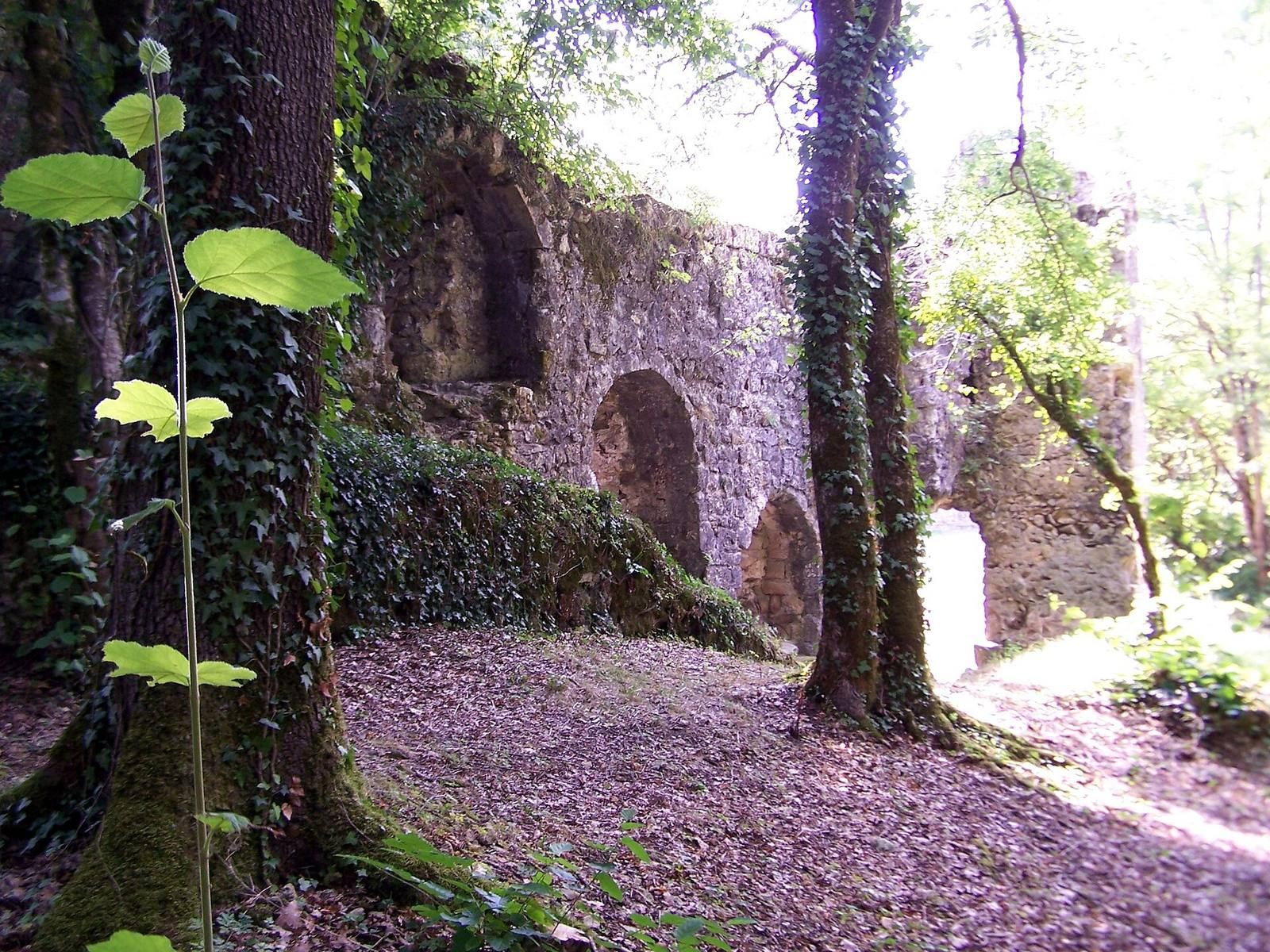
The ruined castle stands near a bridge over the Ciron. Its elongated rectangular enclosure extended for 40 metres parallel to the watercourse, with a square tower at each corner. An outer courtyard to the northwest doubled the enclosed area. On the plateau side, a ditch extended for 25 metres along each of the shorter sides, meeting a natural precipice and isolating the complex.
Central keep
A single wall of the central keep survives within the castle ruins.