Château de la Roche-Jagu: A Medieval Fortified Residence in France
Visitor Information
Google Rating: 4.6
Popularity: Medium
Official Website: larochejagu.fr
Country: France
Civilization: Medieval European
Site type: Military
Remains: Castle
History
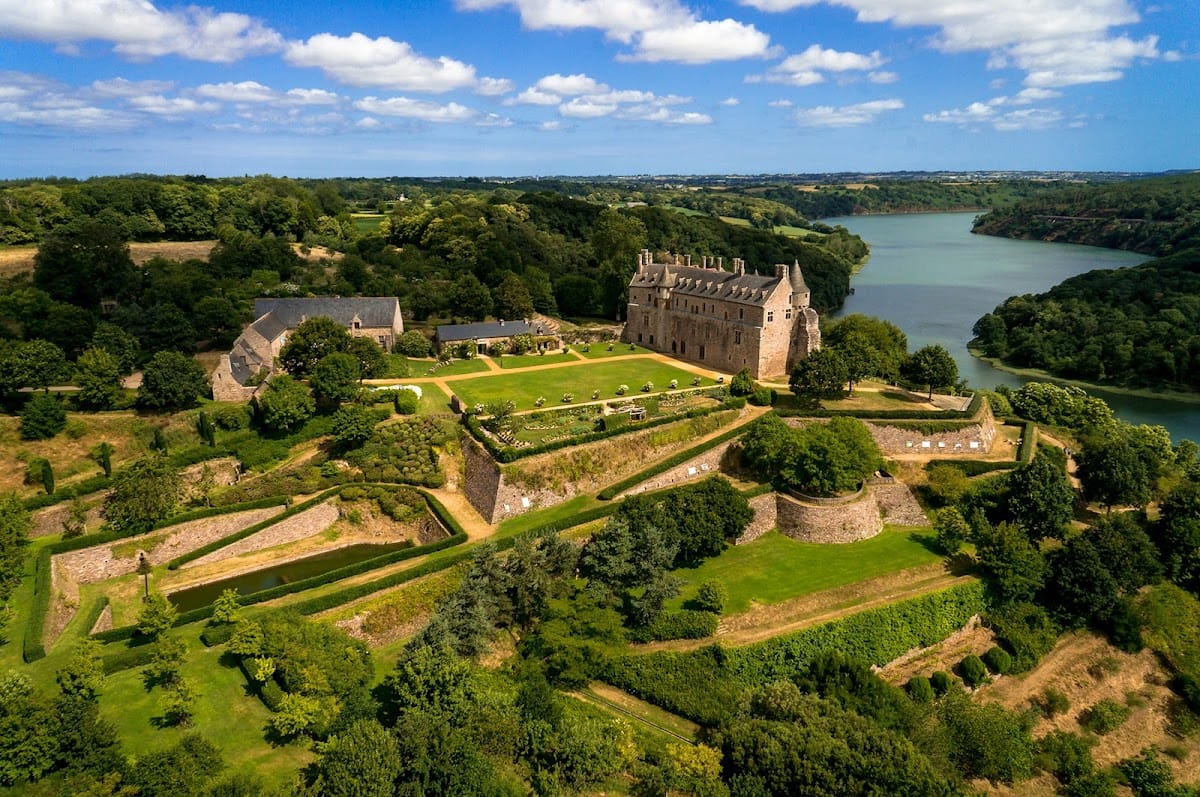
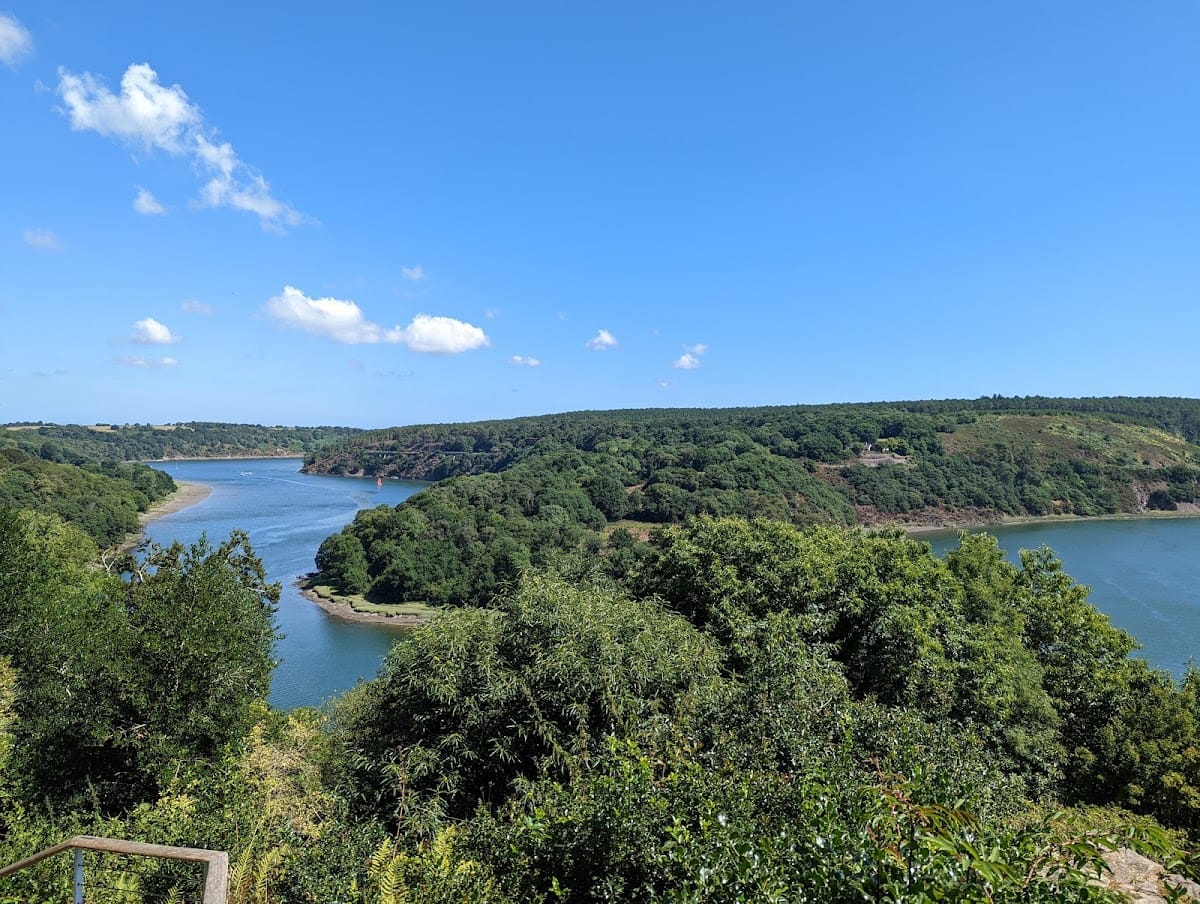
The Château de la Roche-Jagu is situated in the commune of Ploëzal in modern-day France. It was constructed by medieval society in the late Middle Ages as a fortified residence intended to oversee and control the movement and commerce along the river Trieux.
The château’s origins date back to the 15th century, when the Péan family took residence and established their dominion at the site. Roland Péan, known to have lived beyond 1451, was an early figure associated with the estate. His son, Pierre Péan, inherited the property and was recorded as dying in 1488 during the Battle of Saint-Aubin-du-Cormier, a conflict significant for Brittany’s resistance to French royal authority. Following the Péan lineage, ownership passed by marriage to the d’Acigné family, who succeeded as lords of the château.
In the late 18th century, the château changed hands when Marshal de Richelieu sold it in 1773 to Madame Le Gonidec de Tressan. By the mid-20th century, the estate had entered public stewardship when Viscount Gaetan d’Ales bequeathed it to the French State in 1958. During the 20th century, it gained recognition for its heritage value—being classified as a historic monument in 1930, with further protection extended to its enclosing walls, gates, and pavilions in 1969. Since restoration efforts that began in 1968, the château has served as a venue for cultural exhibitions and events that reflect its historical and regional legacy.
Remains
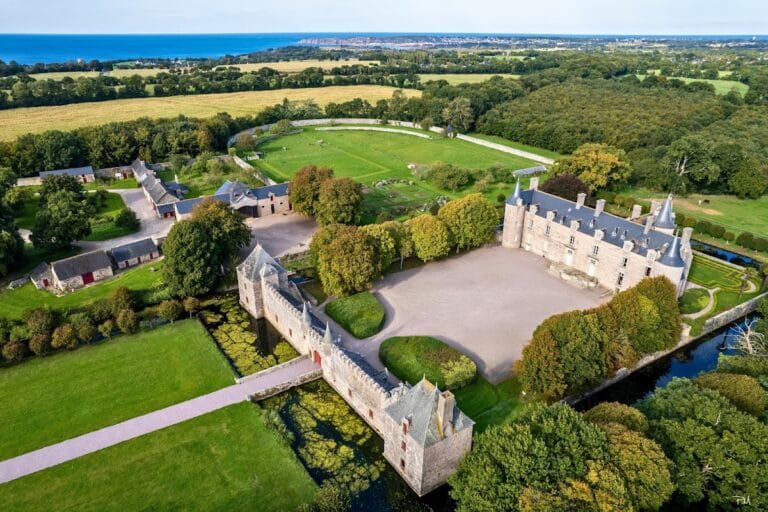
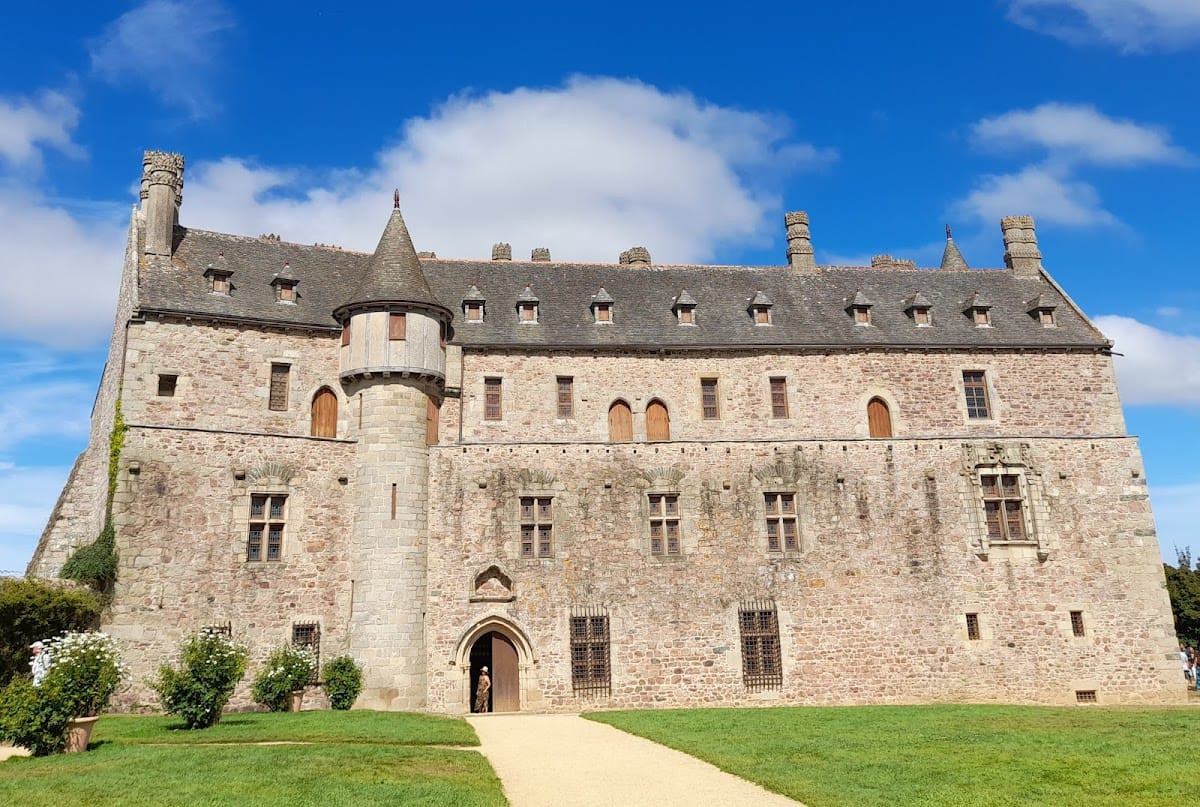
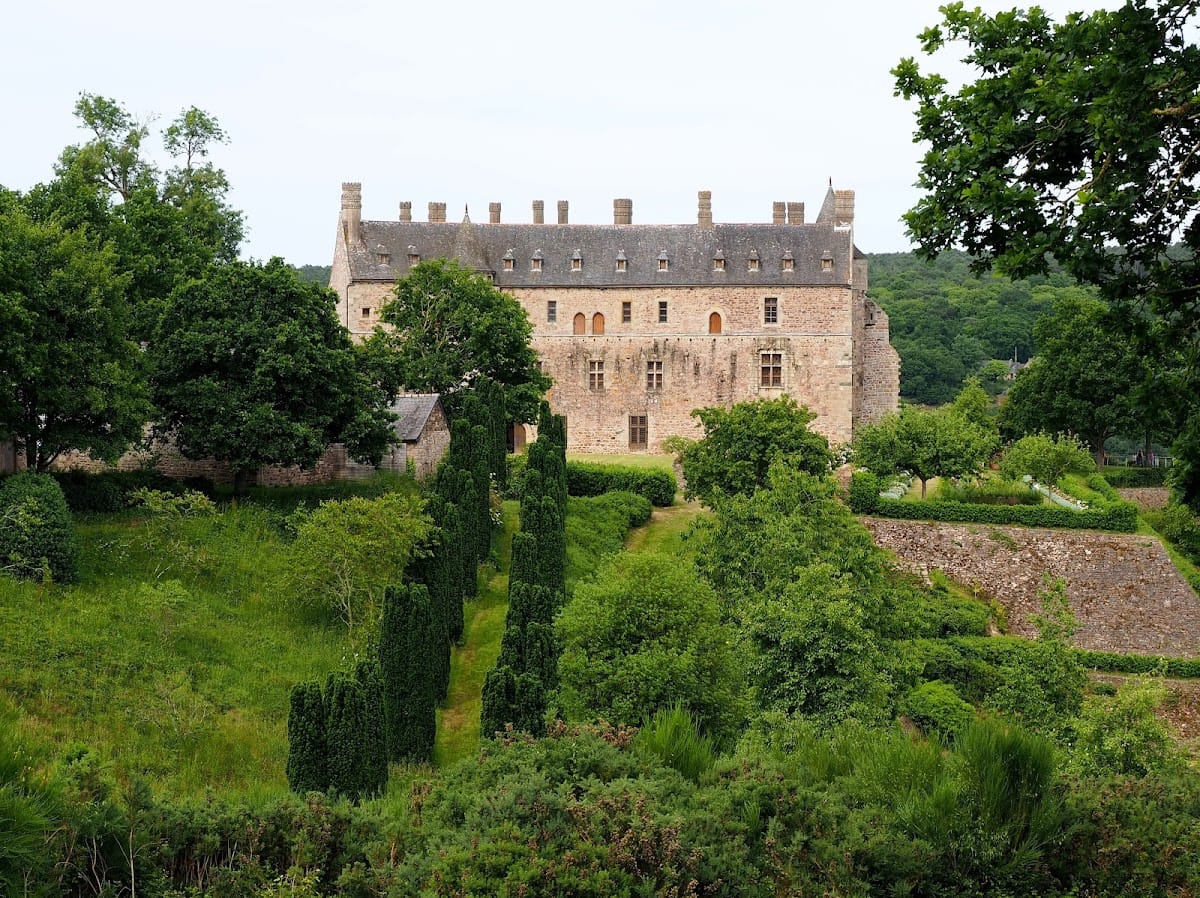
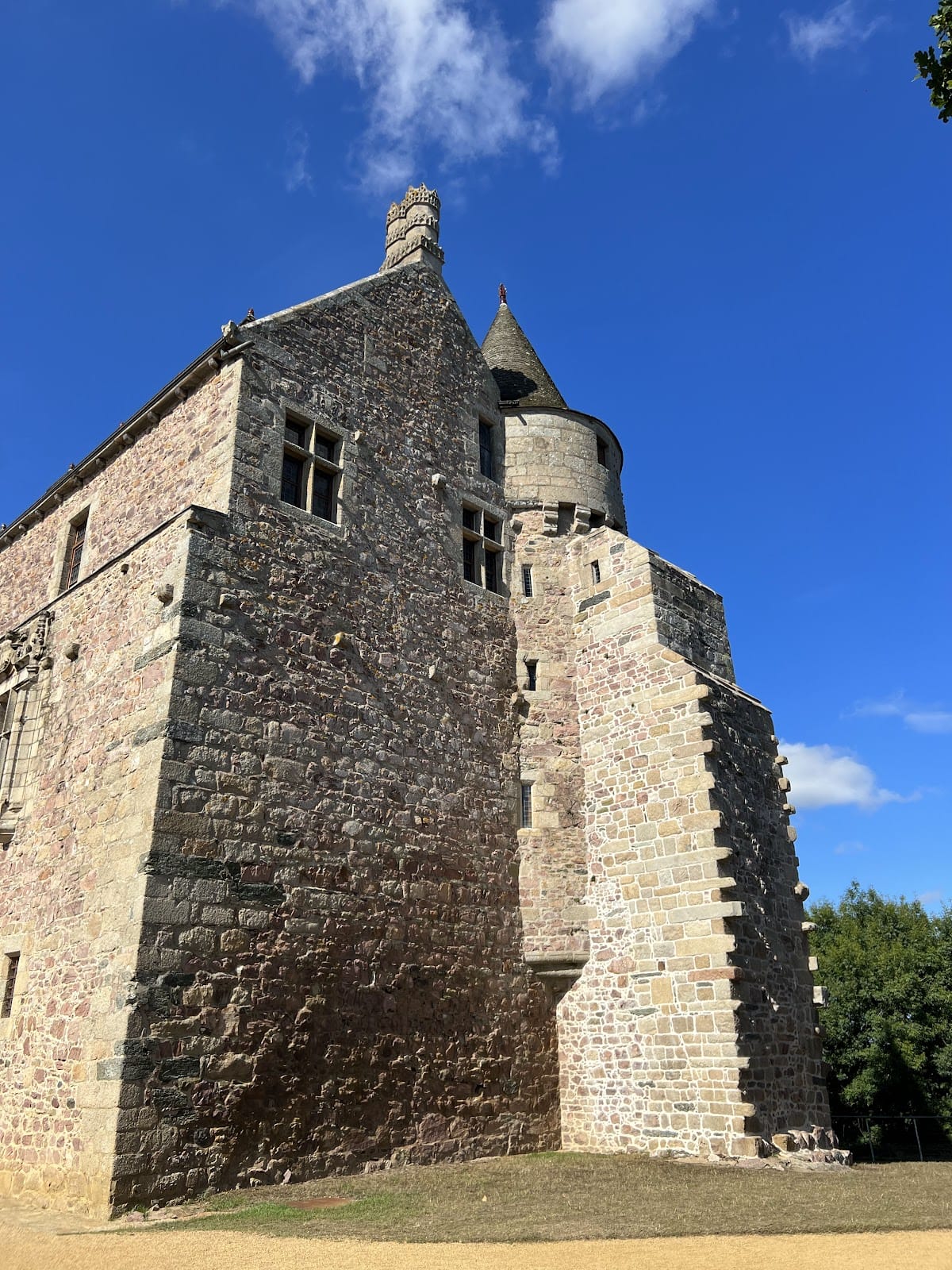
The Château de la Roche-Jagu presents as a singular elongated structure constructed mainly in the 15th century, perched on a steep promontory overlooking the river Trieux. Its strategic placement served both defensive and monitoring purposes. Built using traditional medieval masonry, the château’s river-facing side features a defensive walkway known as a chemin de ronde. This elevated path allowed occupants to observe and protect river traffic below.
The entrance is marked by a door surmounted by a small niche, indicative of the period’s architectural styling. The ground floor houses a kitchen preserved in its medieval form, reflecting the château’s residential and domestic function during its earliest phase. Above, the first floor contains a large hall with a substantial fireplace dating from the early 1400s, showcasing supporting colonnettes carved into the fireplace jambs, which attest to the craftsmanship of the era.
Stone mullioned windows from the original construction remain visible on this first floor, while the second floor is set back slightly from the main façade. Although the roof has experienced modifications over time, traces remain of a wooden gallery or corbelled walkway that once connected rooms arranged in enfilade—a linear sequence opening one into the other. These architectural elements highlight the château’s evolving residential needs while retaining defensive features.
Surrounding the main building is an enclosing wall with a gate and flanking pavilions, all included in the monument’s protected ensemble. Their construction mirrors the stonework of the château itself and reinforces its fortification.
The grounds, spanning an estimated 30 to 64 hectares, include gardens that reflect medieval horticultural traditions. Restored after severe storm damage in 1987, the gardens incorporate areas such as vegetable plots, medicinal herb gardens, and a bouquetier—a section dedicated to flower cultivation—all arranged around a historic oak, which stood for centuries before being felled in 2009. The park also features a rich assembly of 350 camellia varieties alongside an oak grove, rose garden, and ornamental plants including honeysuckle, jasmine, wisteria, and vines. Artistic elements include wrought iron sculptures by Marc Didou along the path leading to the promontory viewpoint, and a piece titled “Voyage Intérieur” by Béatrice Coron located within the historic garden. Together, these features combine historical landscaping principles with contemporary artistic interpretation.
The gardens have received official recognition as Remarkable Gardens since 2005, and their ecological approach to management was acknowledged through the Écojardin label awarded in 2017, reflecting a commitment to biodiversity and sustainable care.
Nearby sites