La Moutte Castle: Émile Ollivier’s Country Estate
Site at a Glance
- Popularity
- Medium
- Country
- France
- Primary era
- Unclassified
- Eras represented
- Unclassified
- Civilizations
- Unclassified
- Site type
- Domestic
- Remains
- Elite Residence
On this page4 sections
History
Émile Ollivier at La Moutte
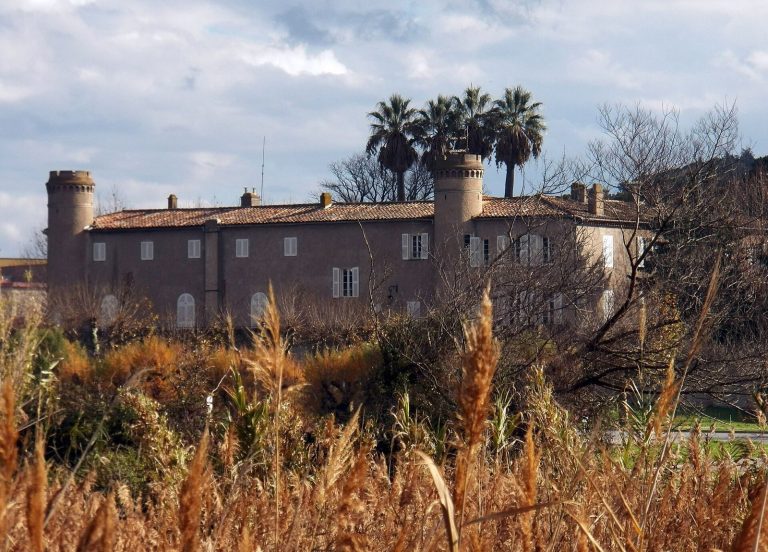
La Moutte Castle is a country estate on the Saint-Tropez peninsula in France, associated with the statesman Émile Ollivier from 1860. He bought the family house from the Martin de Roquebrune family. A minister and deputy during the Second Empire, the period when Napoleon III ruled France as emperor from 1852 to 1870, Ollivier became the last head of government under the emperor. He lived at La Moutte with his first wife, Blandine Liszt, daughter of composer Franz Liszt and writer Marie d’Agoult.
Ollivier found respite at the estate and withdrew there after the War of 1870, the Franco-Prussian conflict fought from 1870 to 1871 between France, Prussia, and their allies.
Preservation and public legacy
After the estate passed to Ollivier’s descendants, his granddaughter Anne Troisier de Diaz took care to preserve it in its original state. In 1975, she began a summer music festival at the château. Concerts continued for nearly 30 years, before the Nuits musicales festival succeeded them. The château was registered as a historic monument in 1990.
To shield the estate from uncertainties over inheritance and real-estate speculation, Anne decided in 1998 to leave it to the Conservatoire du littoral, a French public body that protects coastal areas. The municipality of Saint-Tropez became involved in its management, and the Conservatoire du littoral is now the owner. Anne also gave Ollivier’s archives to the National Archives, France’s national archival institution.
Anne founded the Association of Friends of Émile Ollivier to promote his memory. With academic support, it organized research, publications, and conferences. In the late 1990s, younger researchers helped reshape the association, based at La Moutte, as the Émile Ollivier Institute, intended to continue its work after Anne’s death. The château then opened to the public during the Heritage Days, an annual event when historic sites welcome visitors.
Remains
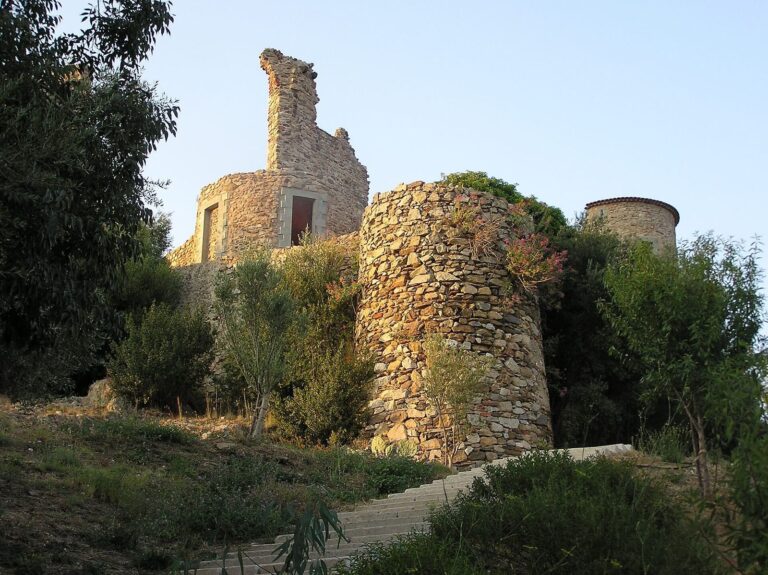
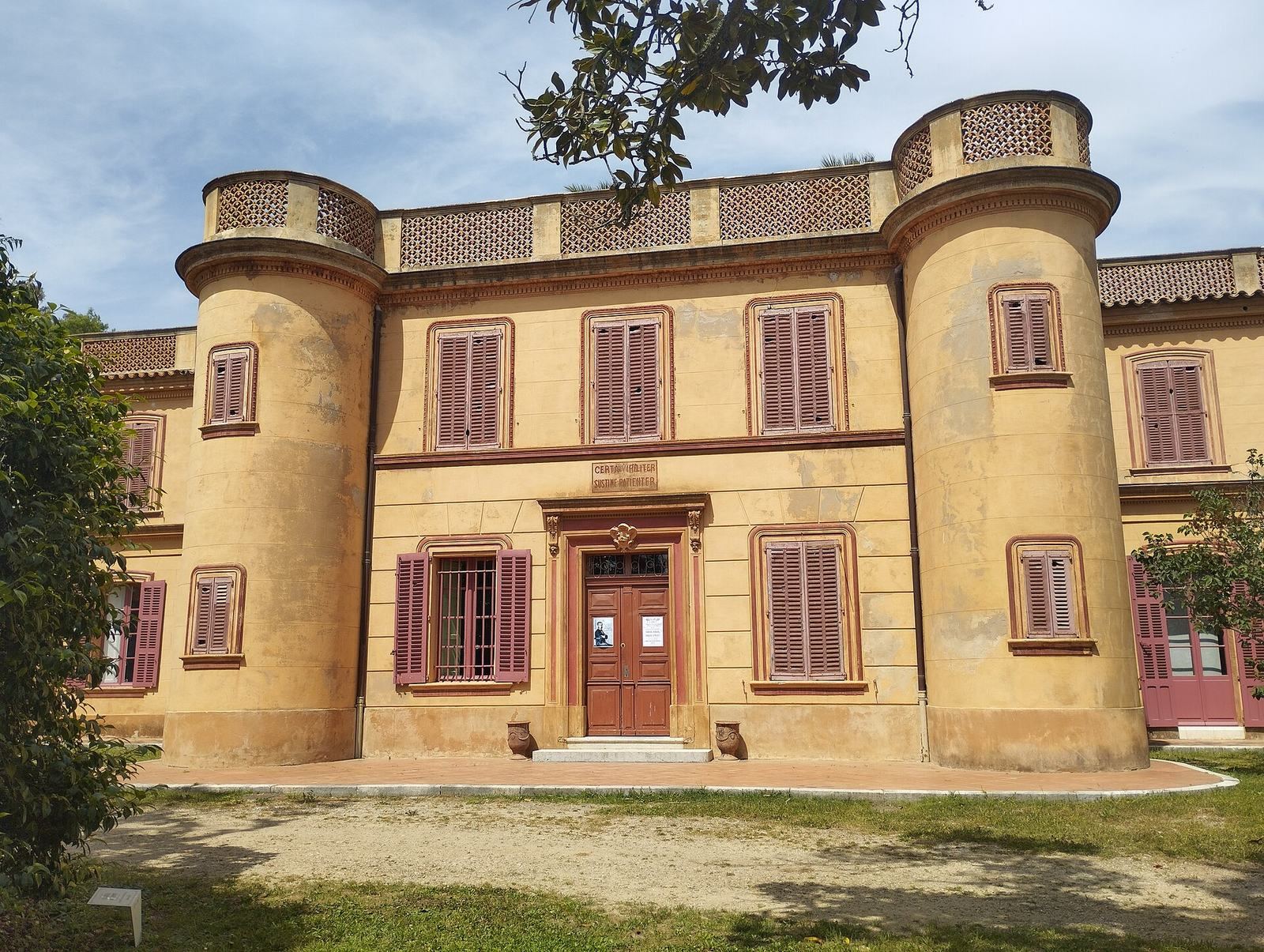
The estate lies on the Saint-Tropez peninsula and includes the château, a park, and a palm grove. A courtyard forms part of the château.
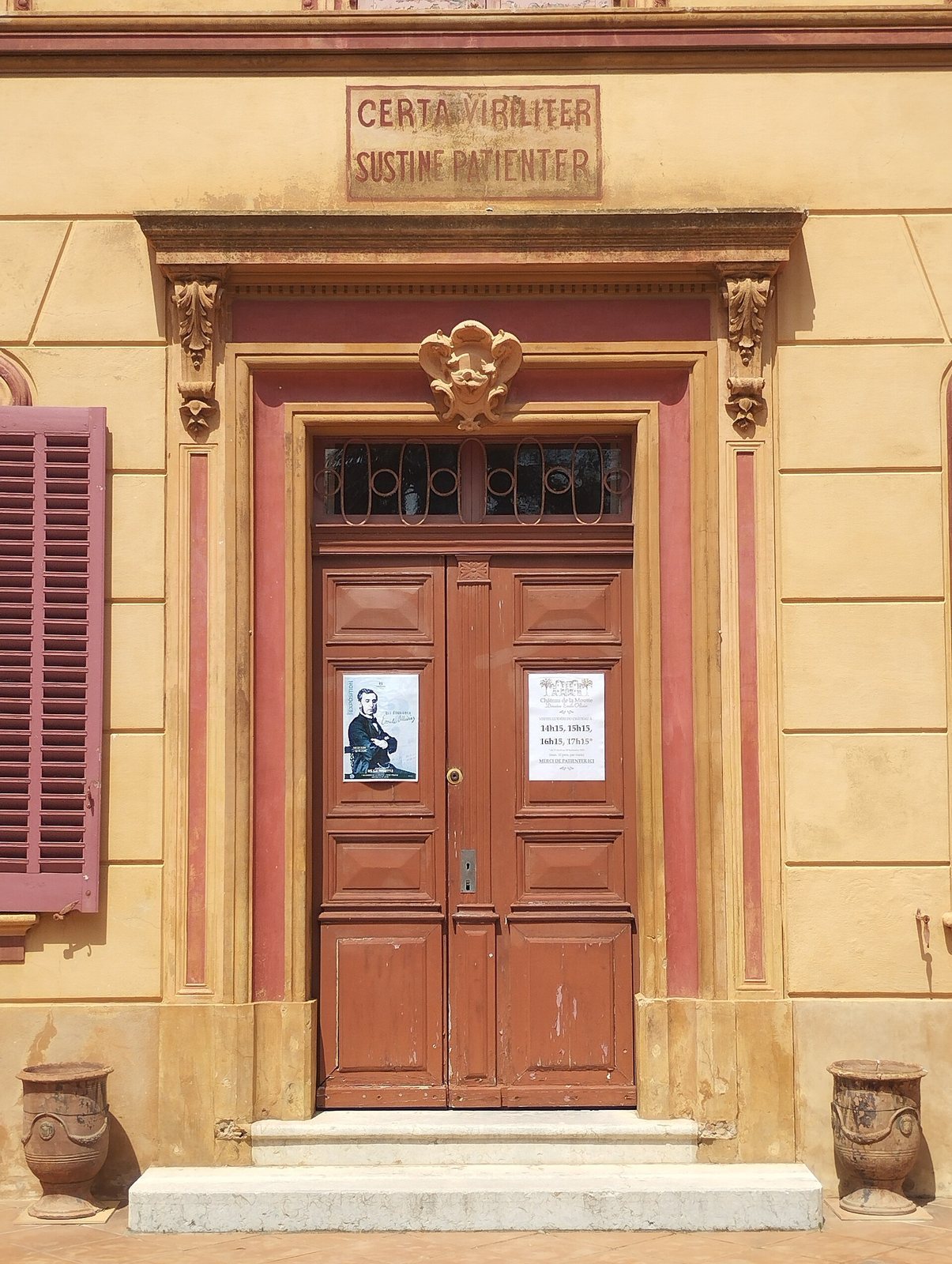
At the entrance, a doorway has a pediment bearing Ollivier’s motto, “Certa viriliter sustine patienter,” translated as “Fight bravely, endure patiently.”