Herces Castle: A Neoclassical Estate in Berchères-sur-Vesgre
Site at a Glance
- Popularity
- Medium
- Country
- France
- Primary era
- Early Modern
- Eras represented
- Medieval, Early Modern
- Civilizations
- French
- Site type
- Domestic
- Remains
- Elite Residence
On this page5 sections
History
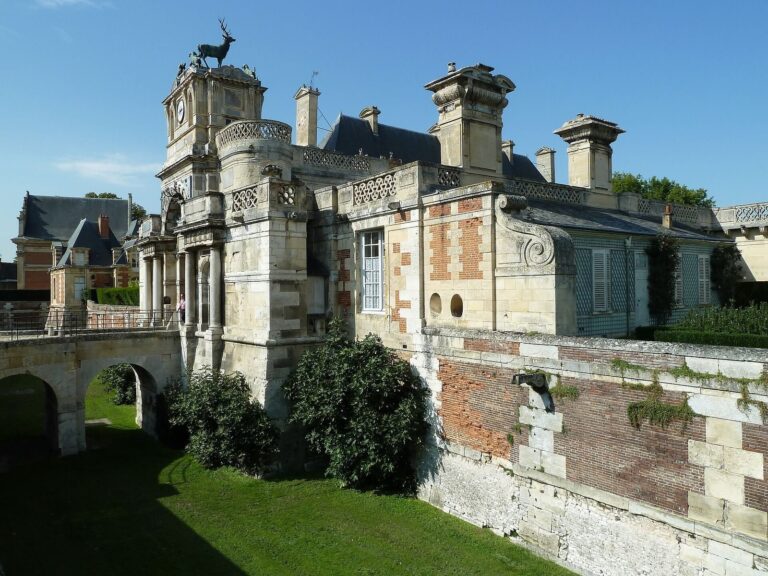
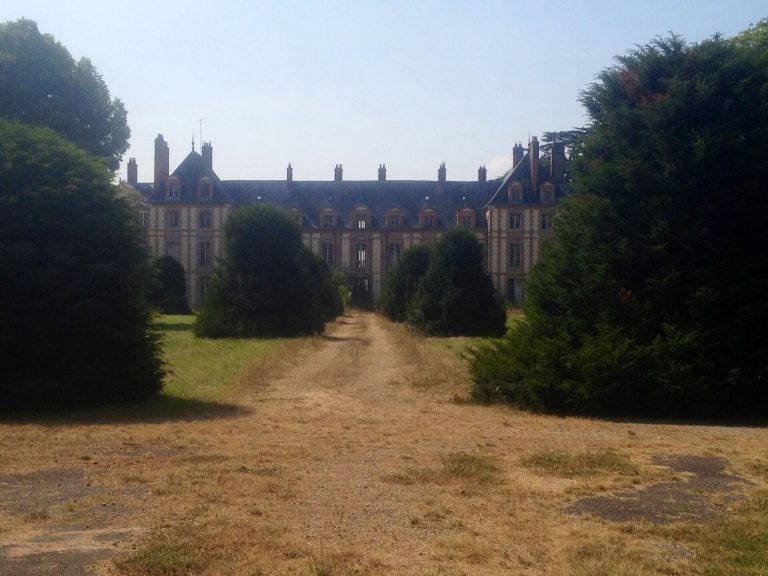
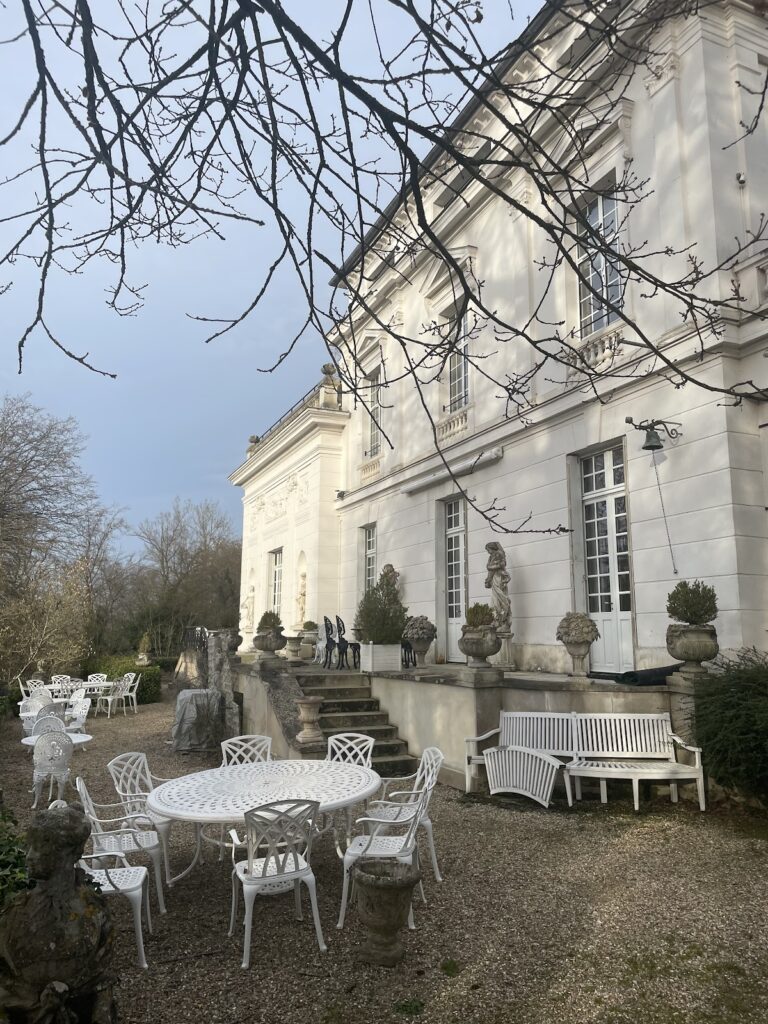
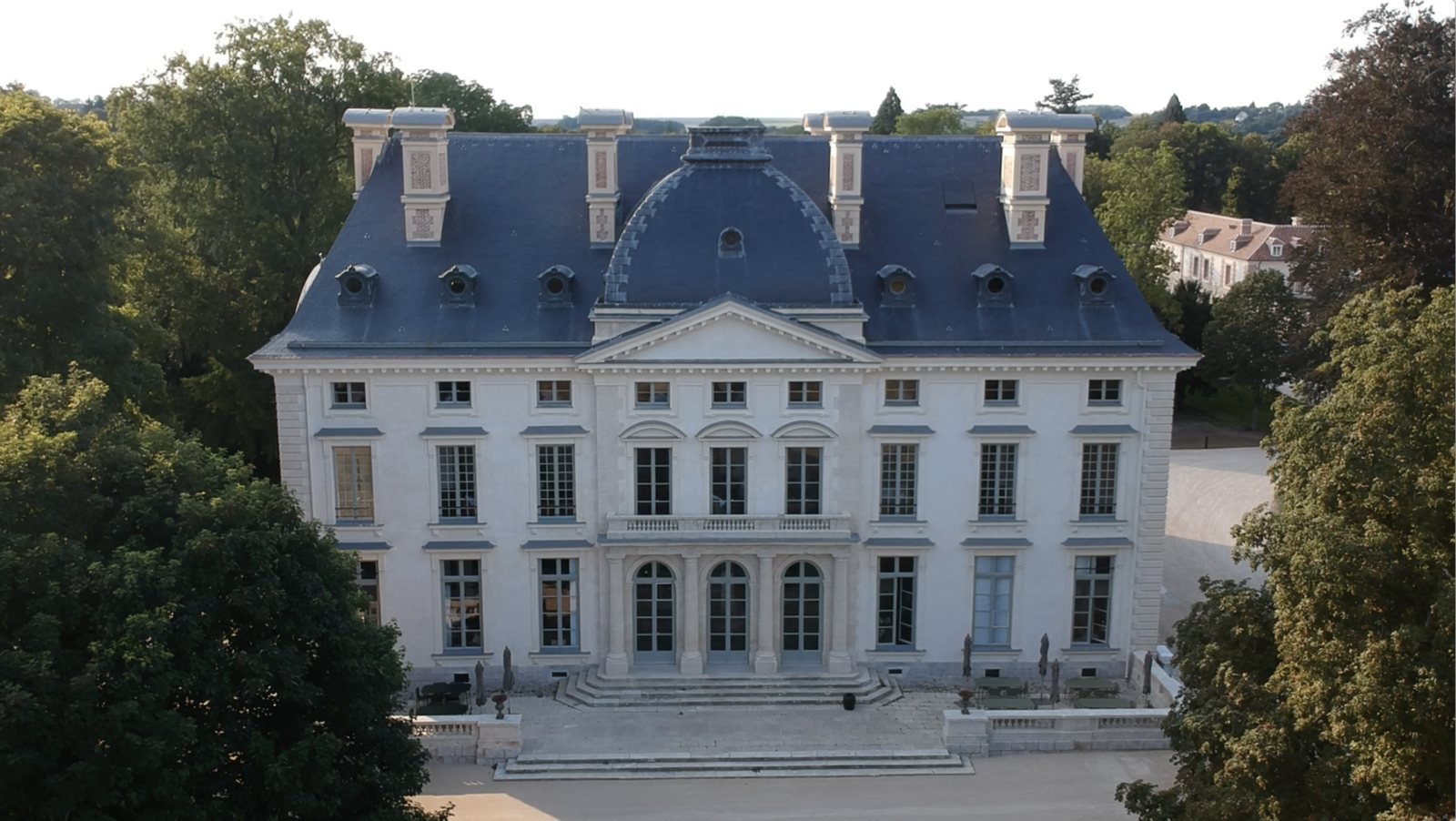
Herces Castle is a Neoclassical château in Berchères-sur-Vesgre, France, built in 1772 by French architect Jacques-Denis Antoine. Neoclassicism draws on forms and principles associated with classical antiquity.
Medieval estate and castle
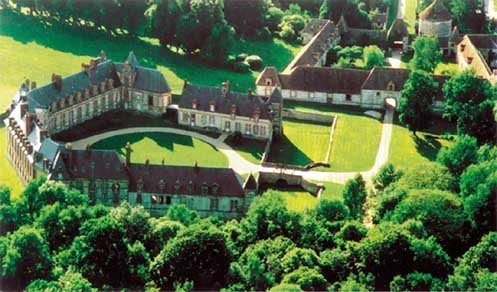
In 1137, Herces belonged to Amaury III de Montfort, Count of Évreux. The family of Simon de Richebourg built a château there between the fourteenth and fifteenth centuries.
Seventeenth-century owners
During the seventeenth century, the du Buc family, also called du Buc-Richard, held the land and lordship of Berchères and the fief of Herces. A fief was land held under feudal arrangements, while a lordship was an estate under a lord’s authority. Gédéon and Jean du Buc held the lordship in succession.
Louis Colbert, Count of Lignières and youngest son of Jean-Baptiste Colbert, acquired the domain in 1710. It was sold to Mr. de Beaumanoir in 1760.
Antoine and Boutin
Antoine’s commission was for Charles Robert Boutin, an intendant of finances, or senior official responsible for financial administration. Boutin bought the domain in July 1773 and then commissioned Antoine and his assistant Cyr-Jean Vivenel to alter the site. A parish register in 1779 named Vivenel as the château’s architect. Boutin retained the domain until 1791.
The château was entered on the supplementary inventory of historic monuments by order of 12 May 1950. On 24 September 1955, a second building on the estate was classified as a historic monument, the higher level of protection in France’s historic-monument system.
Remains
The château has a compact plan and three storeys, with four distinct façades beneath a continuous entablature, a horizontal architectural band crowning the walls. This arrangement is compared with that of the Petit Trianon, an eighteenth-century palace at Versailles. Another building on the estate served as both a dairy and a dovecote.