Château de Graves: A Renaissance Pleasure Château in France
Site at a Glance
- Rating
- 4.2
- Popularity
- Low
- Country
- France
- Primary era
- Early Modern
- Eras represented
- Early Modern
- Civilizations
- French
- Site type
- Domestic
- Remains
- Castle
On this page7 sections
History
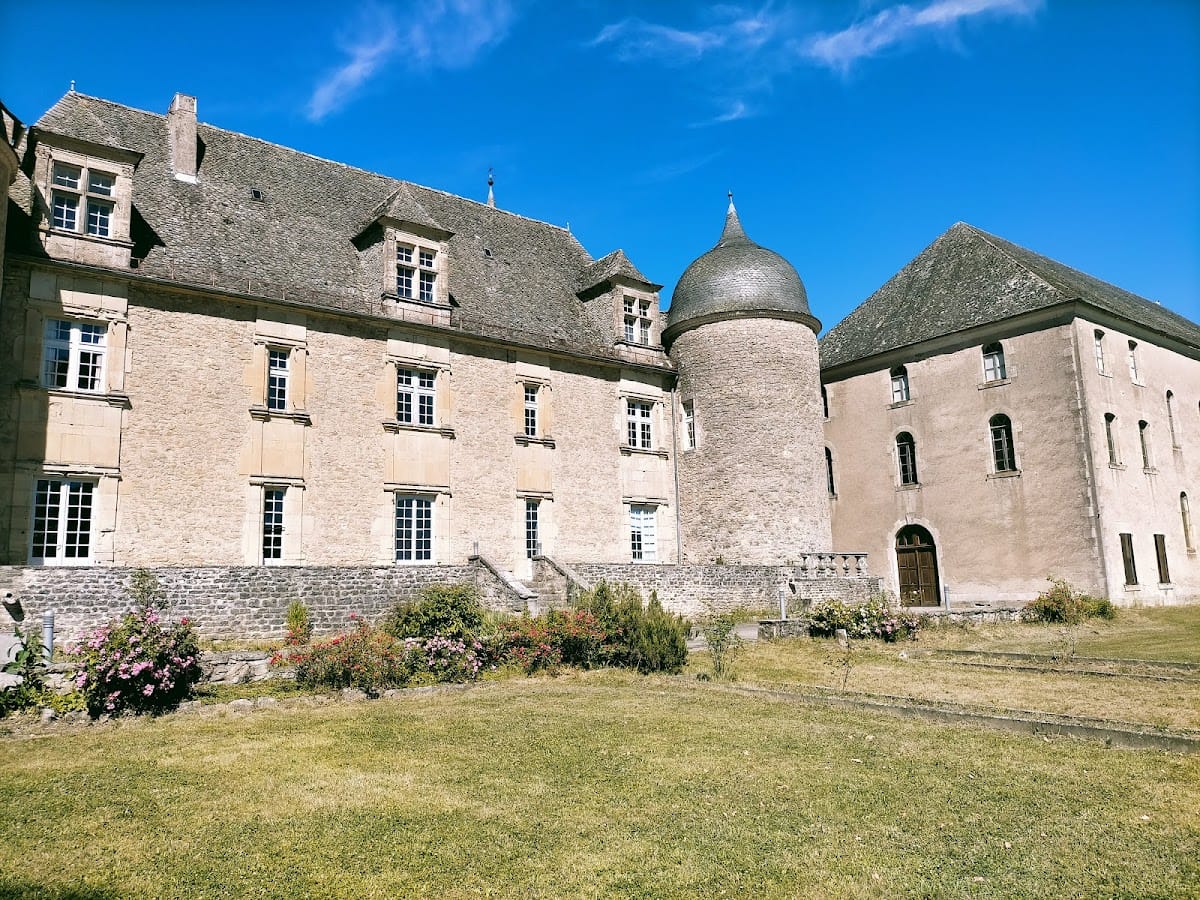
Château de Graves is a Renaissance château in France, located at Graves within the territory of Villefranche-de-Rouergue in the Aveyron department of Occitanie. Built for Jean Imbert Dardenne, a wealthy copper merchant and consul of Villefranche-de-Rouergue, it belongs to the sixteenth-century renewal of classical architectural forms in elite French residences.
Construction in Renaissance Rouergue
Construction began in 1543, and the building was already substantially advanced in 1544. Work continued for at least another decade. On 4 February 1554, Dardenne contracted Guillaume Lissorgues, a master mason from Rouergue, to undertake repairs and new construction, including a monumental portal in an antique style for the entrance to the residence.
The château formed part of a wider architectural development in Rouergue. Renaissance principles were introduced into the region through Georges d’Armagnac, bishop of Rodez, and Guillaume Philandrier, a scholar and architect associated with the study and transmission of classical design. Château de Graves, Château de Bournazel, and the now-destroyed Château de Gages were shaped by this influence. Similarities between Graves and Bournazel led some nineteenth-century historians to suggest that they shared an architect, but no document confirms that attribution.
Religious conflict and later institutional use
Huguenots, French Protestants associated mainly with the Reformed tradition, occupied the château before 1562. Their occupation ended in a massacre of the occupants, in which Jean Imbert Dardenne may have been complicit. Historian Raymond Laurière proposed that the Passion paintings added later in the chapel may have helped reaffirm Dardenne’s Catholicism. Their connection with the religious tensions of the period remains part of the château’s historical interpretation.
For approximately two centuries, the property has belonged to the Congregation of the Sacred Hearts of Jesus and Mary of Picpus, a French Catholic religious congregation devoted to the Sacred Hearts of Jesus and Mary. During its institutional history, the château accommodated a minor seminary, a boarding school, and a home for young people.
Recent ownership and protection
Declining numbers of religious in French Christian communities left only a little more than two people at the site in the early 2020s, and the property was put up for sale. Opening the château to visitors and renting it for weddings was undertaken to raise funds, but these measures proved insufficient. Château de Graves was classified as a French historic monument on 28 November 1991.
Remains
Renaissance residence and courtyard
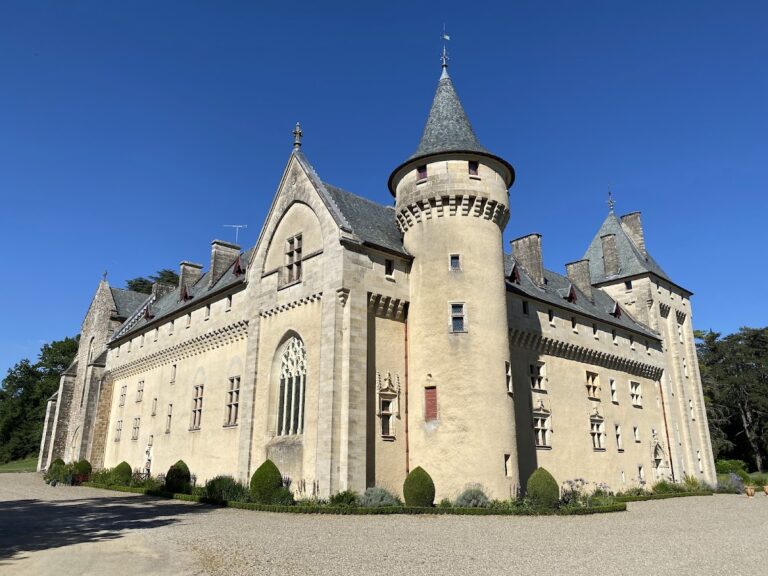
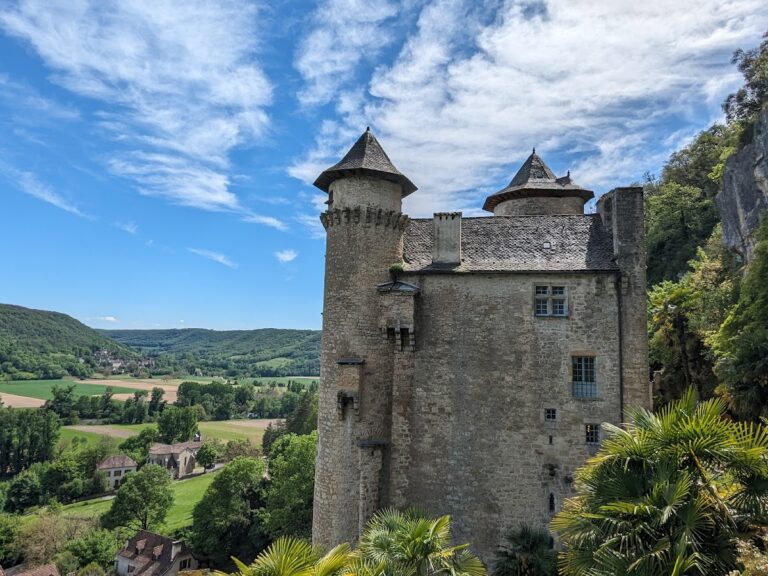
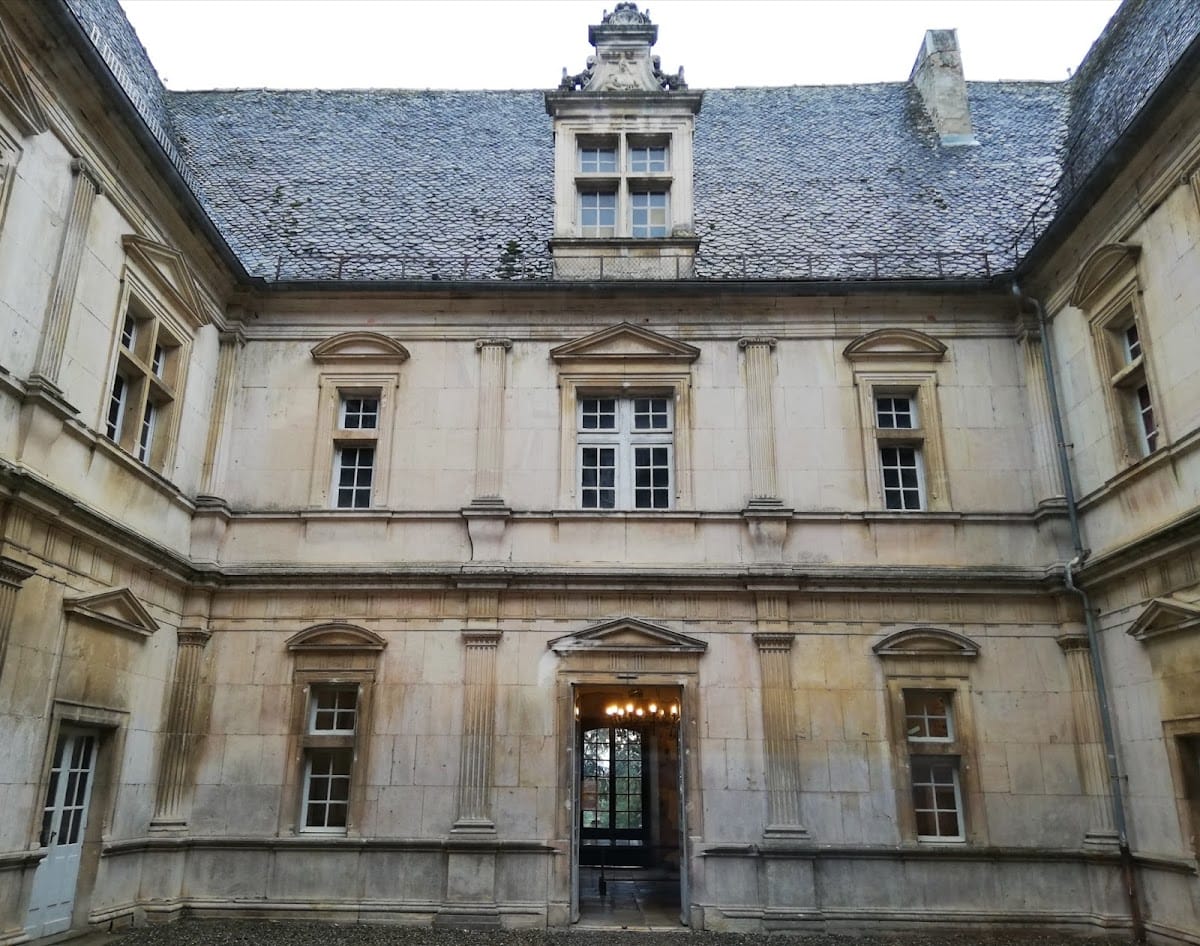
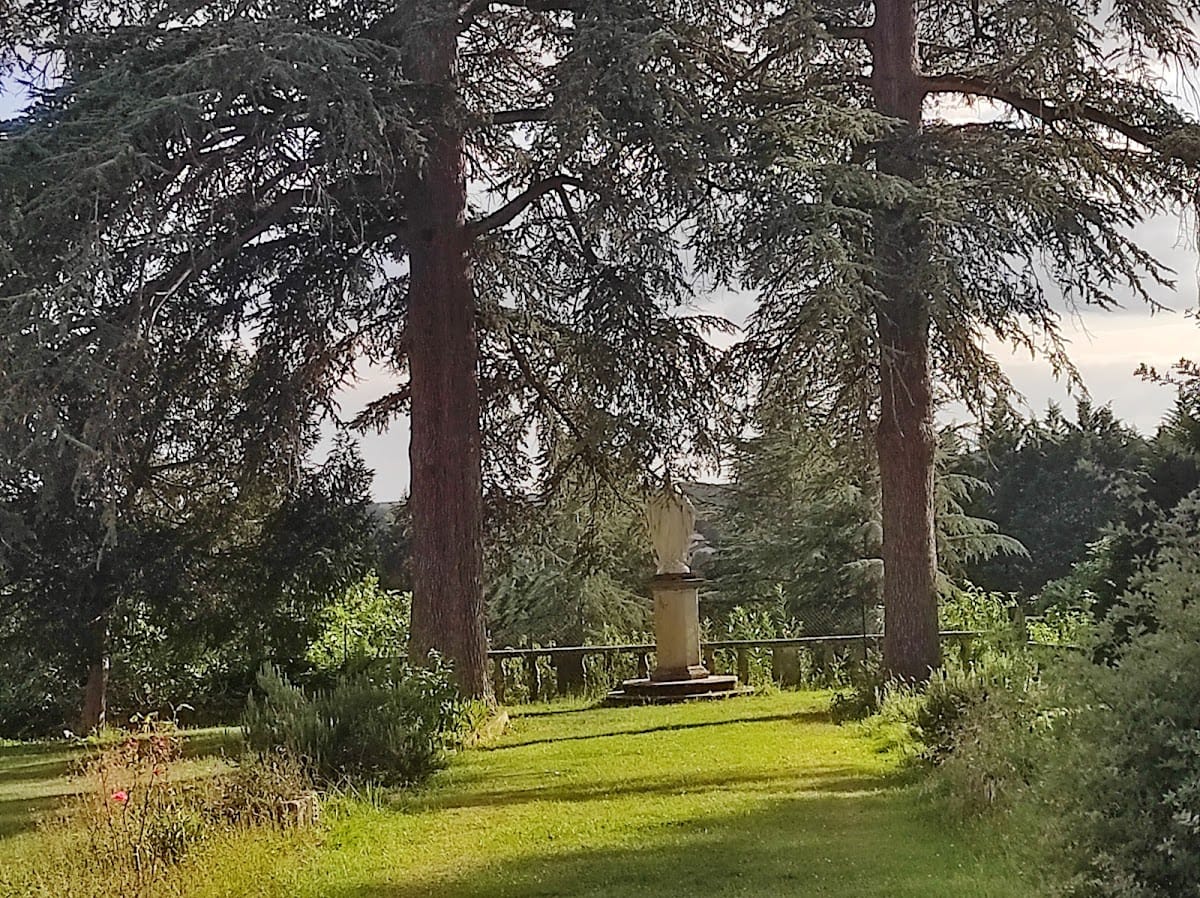
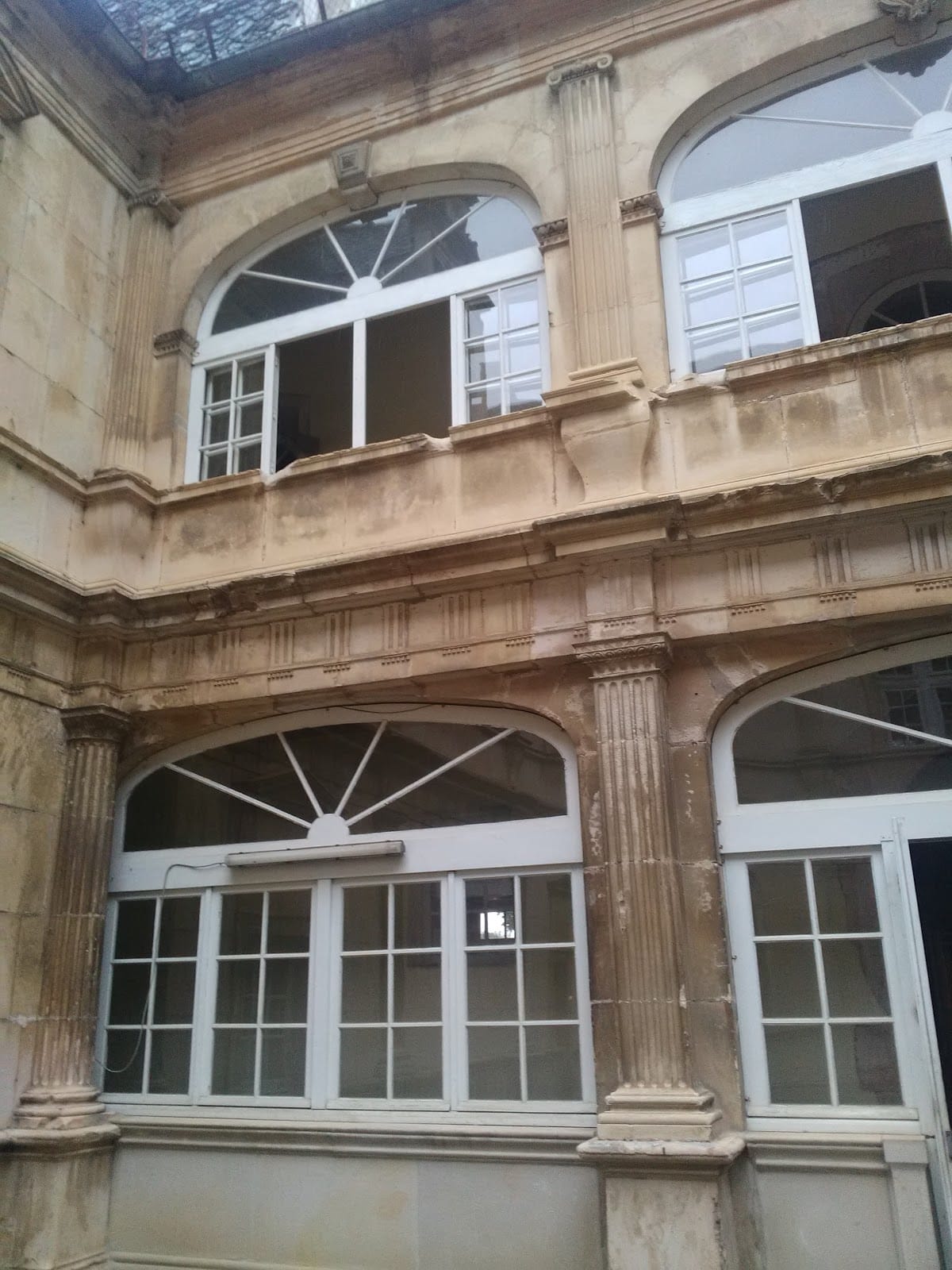
Château de Graves is a quadrangular Renaissance building arranged around a perfectly square courtyard measuring 12 metres on each side. Its decoration follows the Tuscan order, the simplest of the classical architectural orders, with relatively plain columns and capitals. Towers approximately 7 metres in diameter flank the building. The château has no defensive works, reflecting its purpose as a pleasure residence for a wealthy merchant rather than as a fortified dwelling. The château and its dependencies occupy a seven-hectare domain.
Tower chapel and Passion paintings
A square chapel or oratory occupies the ground floor of the northeastern tower. Its walls carry tempera paintings depicting the Passion of Christ. These paintings are considered to postdate the Huguenot occupation of the château in 1562 and provide a religious focus within the Renaissance residence.