Château de Cadrieu: A Medieval and Renaissance Château in France


Site at a Glance
- Rating
- 3.8
- Popularity
- Very Low
- Country
- France
- Primary era
- Early Modern
- External website
- Open
- Eras represented
- Medieval, Early Modern
- Civilizations
- French
- Site type
- Domestic
- Remains
- Castle
On this page6 sections
History
The Cadrieu Lords
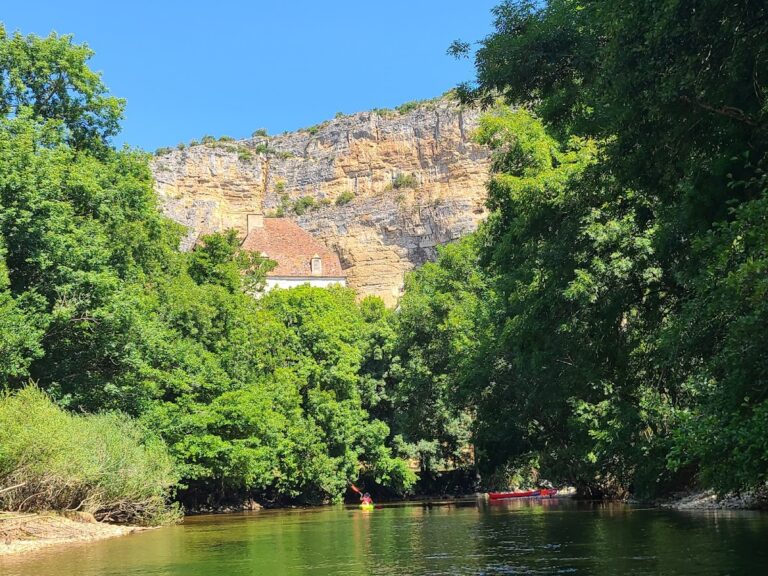
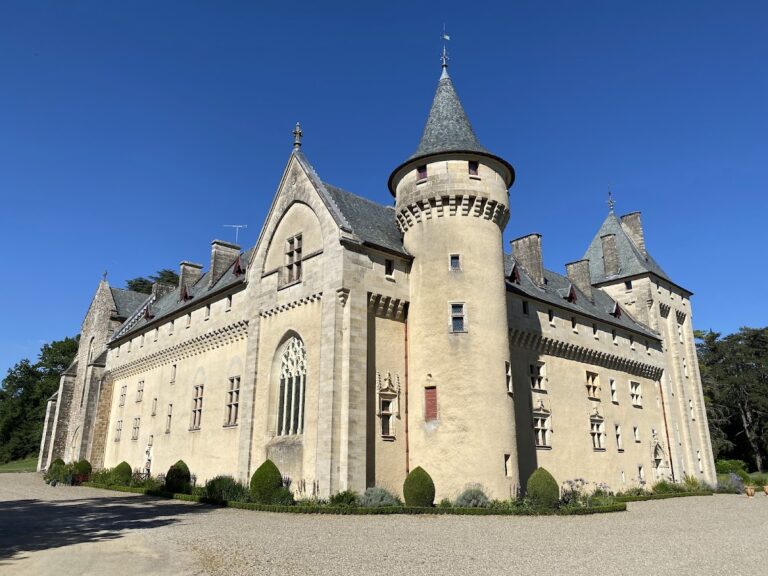
Château de Cadrieu is a medieval and Renaissance château in France, east of the village of Cadrieu above the Lot valley. It was initially owned by the lords of Cadrieu, whose presence in the area appears to extend back to the thirteenth century. Hugues de Cadrieu was made a knight, a mounted warrior with a recognized military rank in the feudal order, in 1292.
During the Hundred Years’ War, the prolonged conflict between the English and French crowns that affected France from the fourteenth into the fifteenth century, the château resisted an English attack in 1390. In 1504, Antoine de Cadrieu was recorded as lord of Cadrieu and owner of the château site. The family originally held the lordship jointly with the lords of Corn and retained ownership until the eighteenth century.
Later Development and Decline
In the eighteenth century, the lordship passed by marriage to the lords of Lostanges. The tower may date from the fourteenth century, while the ground floor of the principal residence appears to belong to the sixteenth century. The château’s present form seems to have been established after a building campaign in the seventeenth century.
Part of the estate was demolished to make way for a road and a railway. The property later became privately owned and was abandoned, a change that contributed to its deterioration and partial ruin.
Remains
Tower and Courtyard Entrance
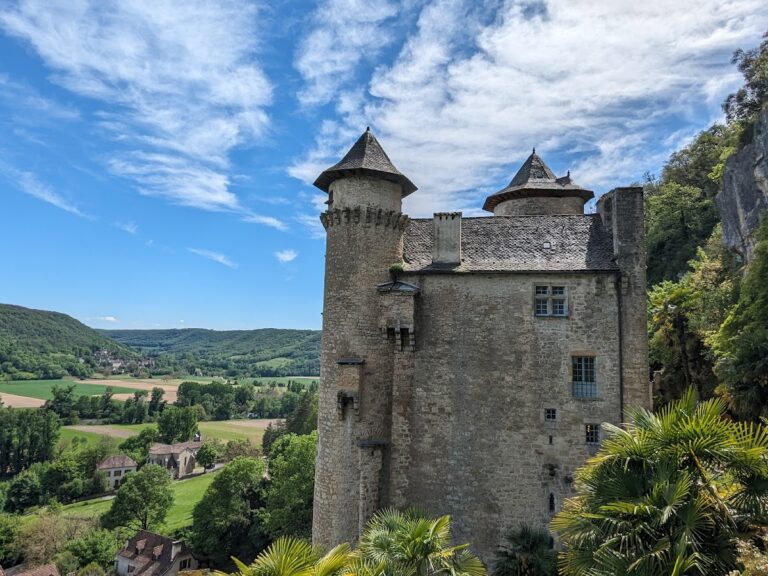
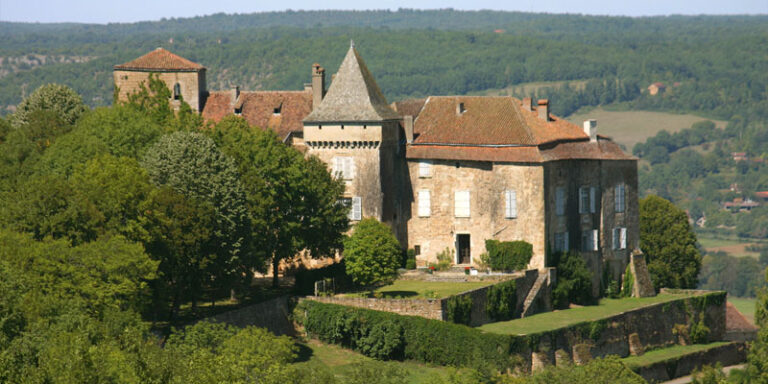
The château stands on an escarpment overlooking the Lot valley, separated from Cadrieu to the east. Its plan is organized around a courtyard, with an elongated rectangular tower widened on its northern side and two L-shaped wings bordering the courtyard on the north and east. A large gateway reached from the road opens into the courtyard of honour, the formal principal courtyard of a château.
The tower retains only limited medieval architectural elements. These include small openings at the highest level on its south and west faces, together with a small rectangular window between the third and fourth levels on the east face.
Principal Residence
The principal residence faces the courtyard through two large arcades on the ground floor and has three bays of windows. Its ground floor appears to date from the sixteenth century, while the northern wing of the residence survives in ruins. These remains reflect the successive medieval, Renaissance, and seventeenth-century phases that shaped the château’s present arrangement.
Nearby sites