Contenson Castle: A Historic Residence Rebuilt in the 19th Century
Site at a Glance
- Rating
- 4
- Popularity
- Very Low
- Country
- France
- Primary era
- Modern
- Eras represented
- Early Modern, Modern
- Civilizations
- French
- Site type
- Domestic
- Remains
- Elite Residence
On this page5 sections
History
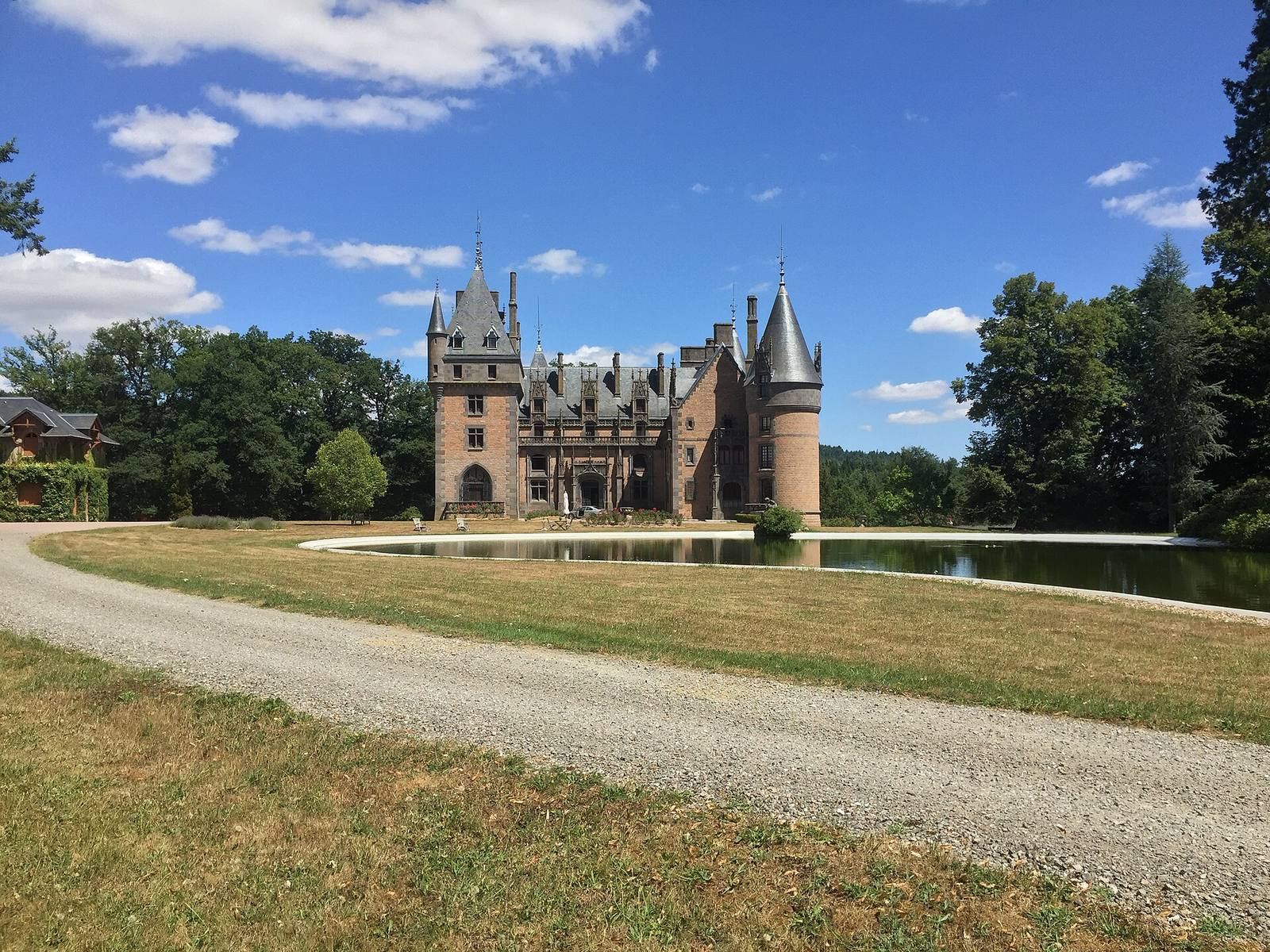
Contenson Castle is a Renaissance-inspired residence with Gothic elements in France. Its present building was constructed between 1885 and 1889, replacing an earlier château on the site.
Medieval and sixteenth-century origins
In 1316, Guillaume d’Augerolles rendered homage to the Count of Forez, formally acknowledging the feudal relationship between lord and vassal, for the land of Contenson. The d’Augerolles family were the château’s original owners; the Foudras de Courcenay family later inherited it. Jean de Foudras (1500–1582) built the château during the first half of the sixteenth century.
Seventeenth-century ownership
On 3 March 1668, Jean de Charpin de Genetines bought Contenson and Ogerolles. He kept Ogerolles and resold Contenson to Jacques du Bessey, a lawyer before a parlement, one of France’s high courts rather than a legislature. Du Bessey was also a judge in the Saint-Just jurisdiction, a royal counselor, and an officer of the king’s household. He took up residence at Contenson in April 1671.
Rebuilding and wartime use
Baron Camille Bernou de Rochetaillée acquired the château in 1863. Almost all of the earlier building was demolished, and the present château was built from 1885 to 1889.
During the First World War, the château served as an improvised hospital with many beds. In the Second World War, it sheltered Resistance fighters, members of movements opposing German occupation and collaborationist authorities. Camille’s descendants Henri Bernou de Rochetaillée (1883–1973) and his son Jean (1913–2009) also took part in wartime fighting. The Rochetaillée family retains private ownership, and the château remains a private residence. Its façades and roofs have been listed as historic monuments since 29 October 1975.
Remains
The château combines a Renaissance-inspired design with Gothic elements. Carved details and ornament in gray lava stone are set against pinkish granite masonry, and the roof is covered in Angers slate. The rebuilding retained foundations of the earlier château’s sixteenth-century keep, the principal fortified tower of a castle, as well as its underground cellars and reception rooms in the Louis XV style, a French decorative style associated with the king’s reign from 1715 to 1774.