Chauffaille Castle: A Nineteenth-Century Residence in France
Site at a Glance
- Popularity
- Medium
- Country
- France
- Primary era
- Modern
- Eras represented
- Early Modern, Modern
- Civilizations
- French
- Site type
- Domestic
- Remains
- Elite Residence
On this page4 sections
History
Family ownership and construction
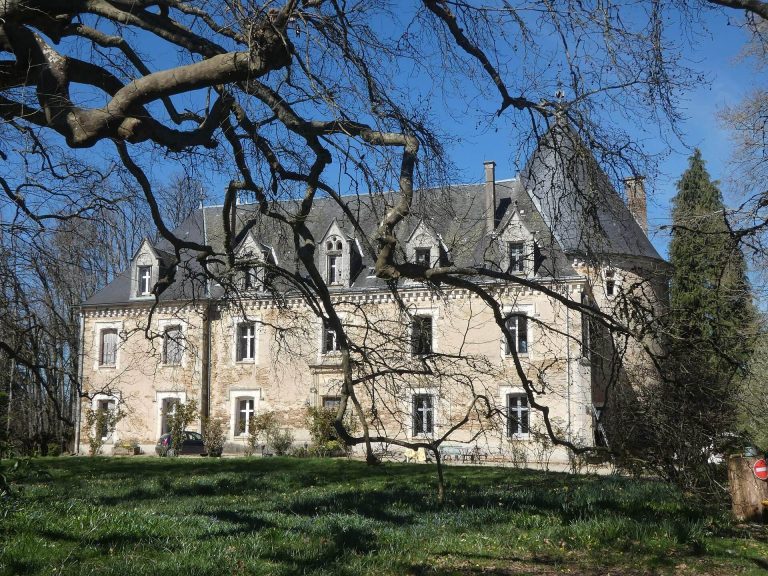
Chauffaille Castle is a residence in Coussac-Bonneval, Haute-Vienne, France, built in 1870 by the Count and Countess of Montbron. The Burguet de Chauffaille family held the estate from the seventeenth century, when its earliest buildings also date. On 22 September 1830, Auguste de Chérade, Count of Montbron, married Lucie du Burguet de Chauffaille, and the estate passed into his family through the marriage.
In 1870, the Count and Countess built the present residence. In 1889, following his father’s death, the Count of Montbron donated a large oak from the estate to serve as the yoke of the great bell at Sacré-Cœur in Paris. Known as the Savoyarde, the bell weighs nearly 19 tonnes and is described as the world’s largest bell capable of swinging.
State ownership and later stewardship
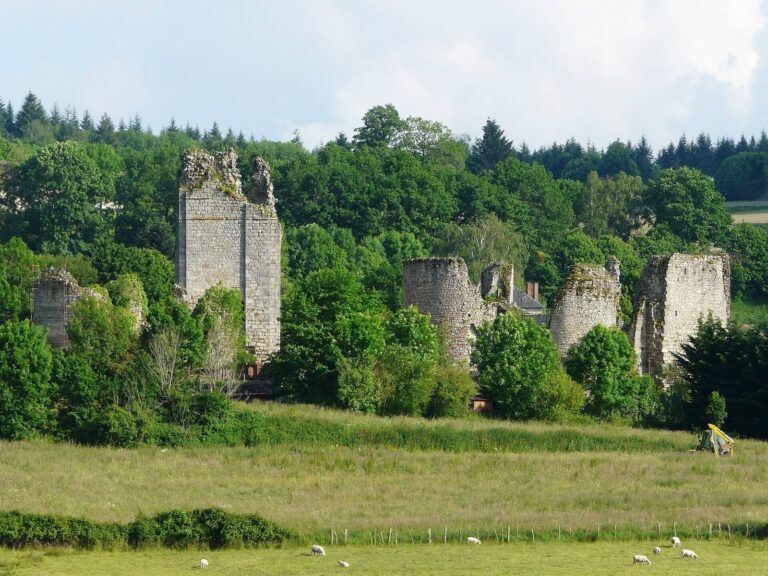
The de Chérade de Montbron family retained the estate until 1974, when the French state acquired it. The Ministry of Defense used the grounds for military manoeuvres and demolished numerous buildings, including the remains of the former manor.
After the estate was put up for sale, the Community of Communes of Pays de Saint-Yrieix, an intermunicipal authority through which municipalities share local responsibilities, acquired it in 2010. Chauffaille is classified as a ZNIEFF, a French inventory designation for areas of ecological, faunal, and floral interest. The association Chauffaille Autrement was formed in May 2019 to preserve the site.
Remains
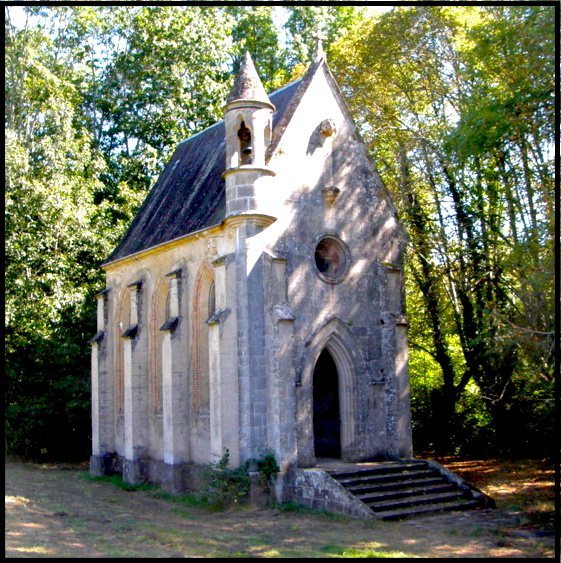
The estate covers 105 hectares, including 89 hectares of woodland, and comprises 16 buildings. Its buildings include the residence and a chapel dating to the nineteenth century.