Château de Pompadour: A Historic Château and National Stud in France


Site at a Glance
- Rating
- 4.5
- Popularity
- Medium
- Country
- France
- Primary era
- Medieval
- External website
- Open
- Eras represented
- Medieval, Early Modern, Modern
- Civilizations
- French
- Site type
- Military
- Remains
- Castle
On this page8 sections
History
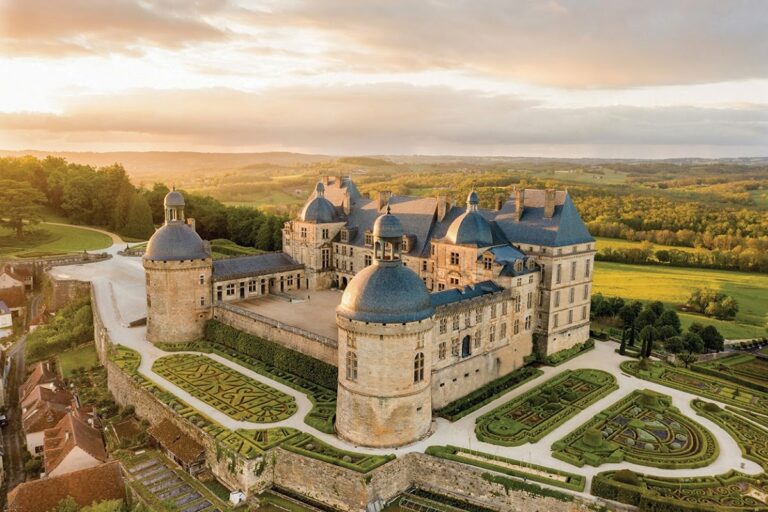
Château de Pompadour is a historic château in Arnac-Pompadour, France, whose origins lie in an eleventh-century fortified stronghold on the strategic route between Brive and Limoges. The present site reflects a fifteenth-century rebuilding and later remodelling, as well as its long association with horse breeding and the French national studs.
The Lastours fortress
The area occupied an older Gallo-Roman settlement before Guy de Lastours, lord of Pompadour, established a castrum around 1000. A castrum was a fortified settlement or stronghold intended to defend and control an important location. Pompadour’s position between Brive and Limoges gave the fortress a strategic purpose, and local noblemen repeatedly coveted it.
The fortress resisted attacks from 1026 onward, but it was completely destroyed during the unrest that followed the death of Richard the Lionheart, the English king Richard I, at Châlus-Chabrol in 1199. The original castrum did not survive. Until the thirteenth century, the lordship was held as a co-seigneurie, or shared lordship, by the barons of Pierre-Buffière and the Hélie family. Both were vassals of the Viscounts of Limoges, and the Hélie family lived at nearby Ségur Castle.
From shared lordship to château
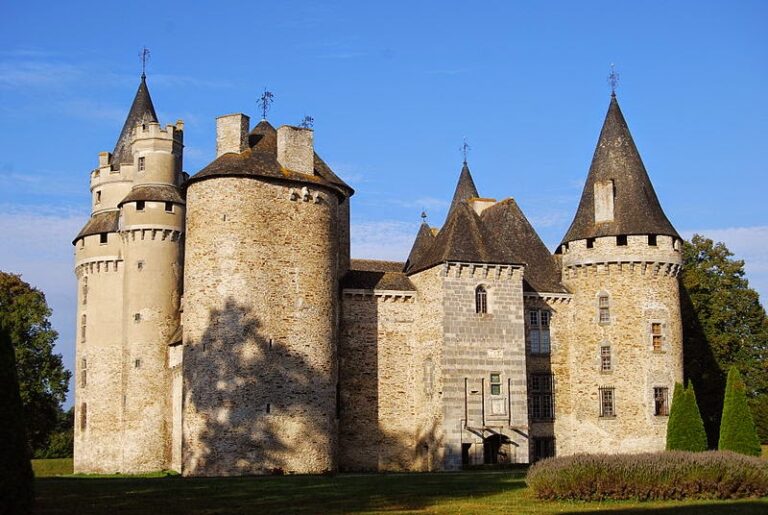
Marriage alliances eventually enabled the Hélie family to become sole owners of Pompadour. Around 1500, the family adopted the name de Pompadour and copied the coat of arms of the Lastours family. In the fifteenth century, Geoffroy Hélie de Pompadour rebuilt the surviving remains of the former fortress as a château, creating the principal historical form from which the later complex developed.
The Pierre-Buffière and Pompadour families remained rivals for centuries. Their disputes involved lawsuits, duels, and armed confrontations during the Wars of Religion, the sixteenth-century conflicts between Catholics and Protestants in France, and the Fronde, a series of mid-seventeenth-century rebellions against royal authority. Around 1567, François de Pierrebuffière-Châteauneuf, Marquis of Chamberet, was killed in a duel by Jean de Pompadour.
The rivalry also shaped the château’s political history. In 1590, Louis de Pompadour, leader of the Catholic League in Limousin, celebrated a victory over a royalist regiment commanded by Count Ventadour. The regiment belonged to Abel de Pierre-Buffière, governor of Limousin. A triumphal procession took place at the château, where the trophies included La Marsale, a heavy field cannon.
Royal ownership and the development of the stud
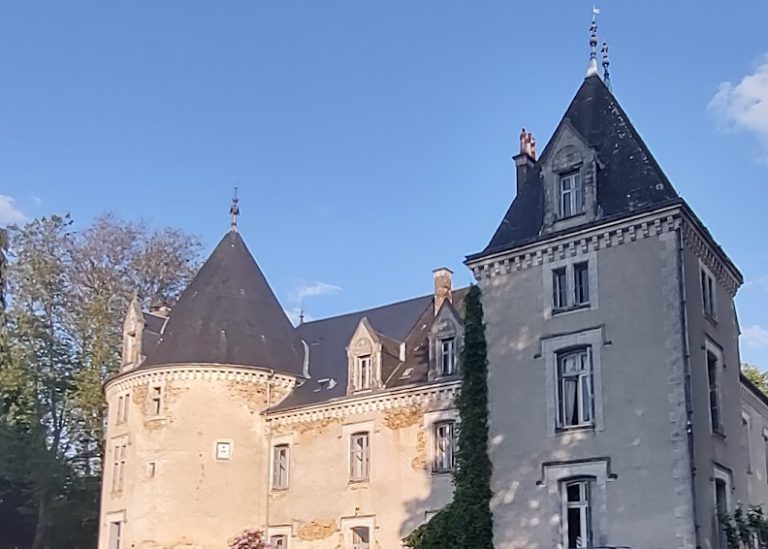
The lordship of Pompadour became a marquisate in 1614. A marquisate was a territorial lordship governed by a marquis, a rank historically associated with strategically important lands. After the Pompadour family became extinct, the château was remodelled under the direction of the architect François Savart.
In July 1745, Louis XV gave the château to his official mistress, Madame de Pompadour. Although she did not live there, she promoted horse breeding on the estate and founded the Pompadour stud in 1760. From that year, the château accommodated stud personnel, including inspectors. Étienne-François de Choiseul purchased the marquisate in 1761, and in 1763 the financial controller Bertin expanded the stud with a mare-breeding establishment.
The estate became a royal domain in 1768 and then contained 73 horses. In 1785, its orangery was dismantled to make room for a large stable accommodating 24 horses. These changes connected the château more closely to organised horse breeding, a function that continued through later changes in ownership and government.
Destruction, national administration, and protection
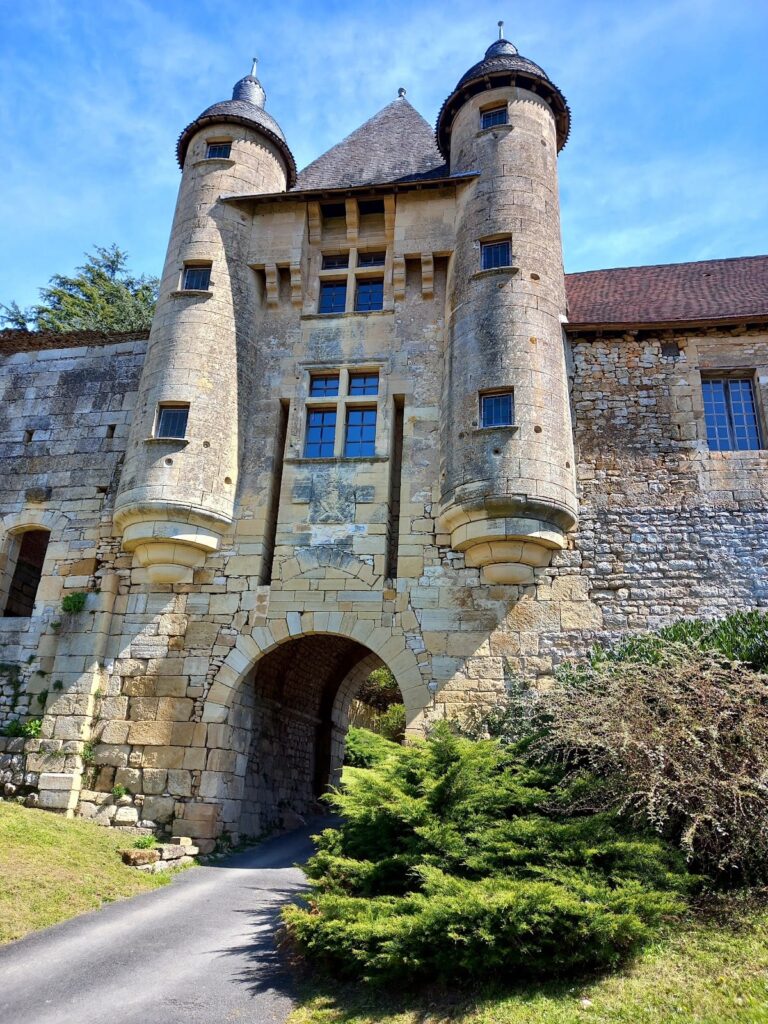
The château was poorly maintained by 1790, when only its southern section remained habitable. Extensive destruction followed in 1793, leaving parts of the southern buildings and the châtelet. A châtelet is a fortified entrance structure or small gatehouse forming part of a larger castle complex.
During the Consulate, the stud passed to the state and became a national stud devoted to horse breeding, training, and administration. A further stable, known as the training stable, was built in 1837 for 26 horses. From 1843, a new warmblood breed, the Anglo-Arab, was bred there from Arabian and European bloodlines. The château narrowly survived a major nineteenth-century fire and housed the administration of the French national studs from 1870 to 2004.
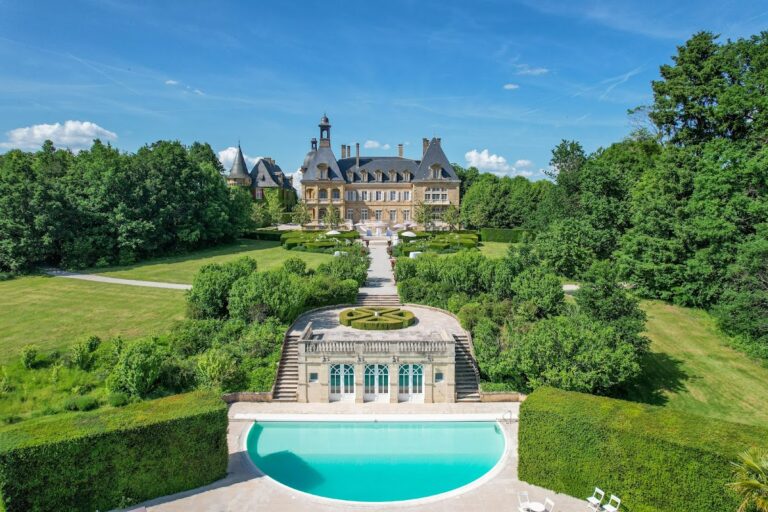
Château de Pompadour has been protected as a French Monument historique since 1926. This legal designation safeguards buildings and sites recognised for historical or architectural importance. The grounds remain primarily associated with equestrian activities, including the Hippodrome d’Arnac-Pompadour and an equestrian centre with a cross-country course for eventing competitions.
Remains
Surviving castle fabric
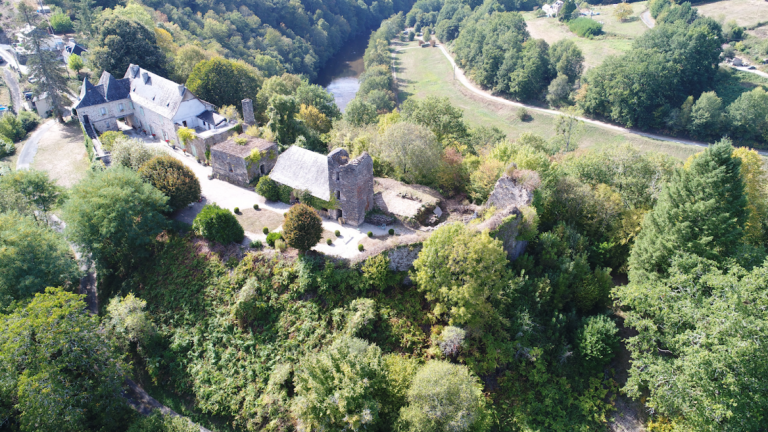
The oldest parts of Château de Pompadour date to the eleventh century, although the original castrum built around 1000 has disappeared. The surviving château derives substantially from the fifteenth-century reconstruction of the fortress remains and from later remodelling. Its historic fabric is concentrated in parts of the southern buildings and the châtelet, the elements that remained after the destruction of 1793.
The southern buildings preserve the physical evidence of the château’s reduced condition at the end of the eighteenth century, when the southern section was the only part still habitable. The châtelet retains the character of a fortified entrance structure within the former castle complex. Together, these surviving elements represent the transition from the medieval fortress to the rebuilt château and its later institutional uses.
Stud and equestrian facilities
The estate’s physical remains also include facilities created for horse breeding. The former orangery was dismantled in 1785 and replaced by a large stable designed to accommodate 24 horses. This building formed part of the expansion of the stud under royal ownership and reflects the estate’s shift toward specialised equestrian use.
A separate stable for 26 horses was built in 1837 and called the training stable. The former stud facilities are now associated with the horse-racing track, the equestrian centre, and a cross-country course for eventing. These elements extend the historic relationship between the château estate and horse breeding into the present physical organisation of the grounds.