Château de Bierville: A French Estate and Trade-Union Training Center
Site at a Glance
- Popularity
- Medium
- Country
- France
- Primary era
- Early Modern
- Eras represented
- Medieval, Early Modern
- Civilizations
- French
- Site type
- Domestic
- Remains
- Elite Residence
On this page9 sections
History
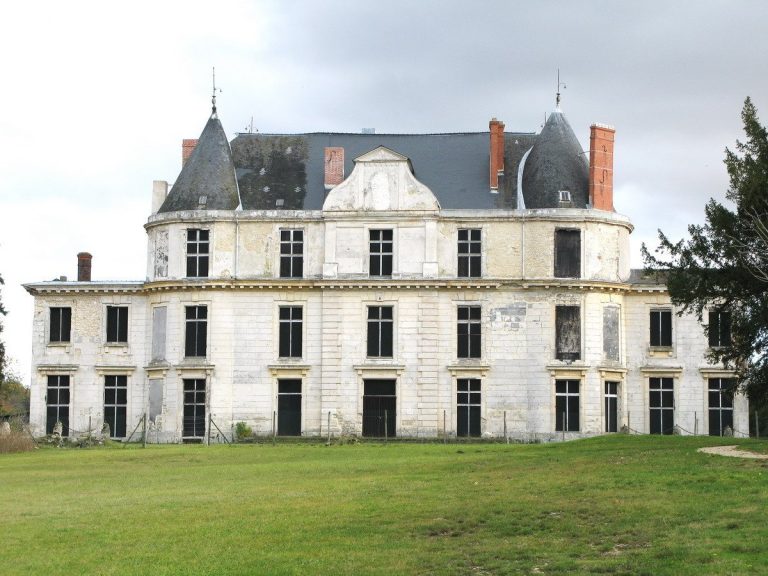
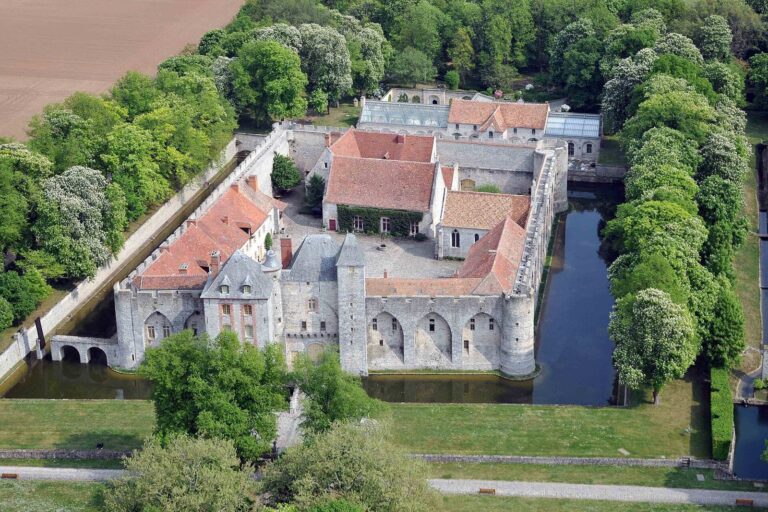
Château de Bierville is an estate near the hamlet of Bierville in Boissy-la-Rivière, Essonne, France. Recorded in the eleventh century as the property of the knight Lancelot de Bierville, it later became a meeting place for peace congresses and a refuge for displaced people.
Ownership from the Middle Ages to the Revolution
The Fuzée family, related to the Richelieu family, owned the estate from 1604 to 1737. The Poilloüe de Saint-Mars family held it afterward, until the French Revolution. In 1794, the estate became national property, meaning it passed into state ownership. One of the owner’s sons was accused of emigrating; his father denied the charge, saying that his son had died.
The Van Loo family acquired the château and estate during the nineteenth century. In 1921, Marc Sangnier bought the property. A Christian-democratic deputy, belonging to a political tradition shaped by Christian social thought, Sangnier also helped pioneer the youth-hostel movement in France. He became mayor of Boissy-la-Rivière in 1925 and later left the estate to the CFTC, the French Confederation of Christian Workers, which received it by bequest in 1950.
Sangnier and the peace congresses
In 1926, Sangnier organized the sixth International Democratic Congress for Peace at Bierville, using the motto “Peace through Youth.” Preparations for, and events associated with, the congresses continued at the estate through 1932. The ninth congress’s “Youth Crusade” began there from 2 to 5 September 1929, then concluded in England from 7 to 17 September.
The tenth congress took place from 24 to 31 August 1930 and included the inauguration of the Peace Center at Bierville. The twelfth congress, called the “Days of Hope,” was held at the estate in August and September 1932.
Refuge, war, and later uses
From 1933 to 1940, the estate received Jewish, Austrian, German, and Spanish refugees. In 1939, the Catalan-language poet Carles Riba began composing his Elegies of Bierville there. After the 1940 exodus, the estate was occupied and devastated. German forces requisitioned it until 1944.
During the 1960s, at Simone Troisgros’s initiative, the estate hosted more than 500 holidaymakers each year as part of an approach to popular tourism. In 1962, the OAS, or Secret Army Organization, a clandestine armed group that opposed Algerian independence, bombed the estate. In 1964, some CFTC members chose to make union activity secular and formed the CFDT, the French Democratic Confederation of Labour.
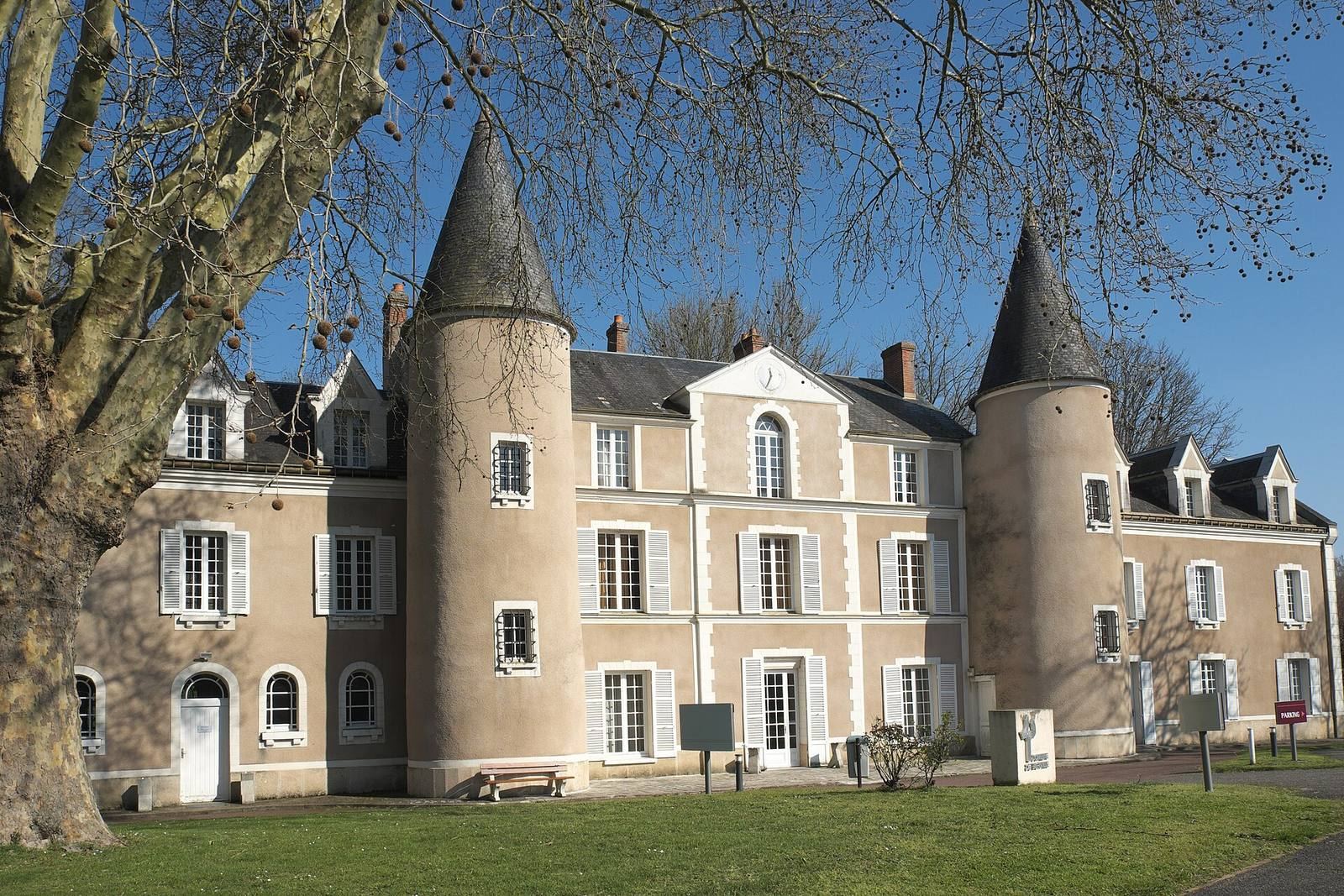
The château and estate were renovated and modernized in 1980. The estate now serves as a trade-union training center.
Remains
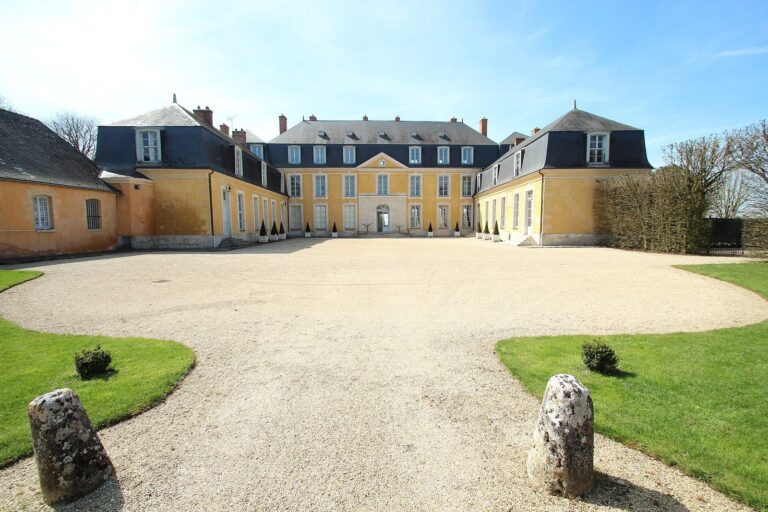
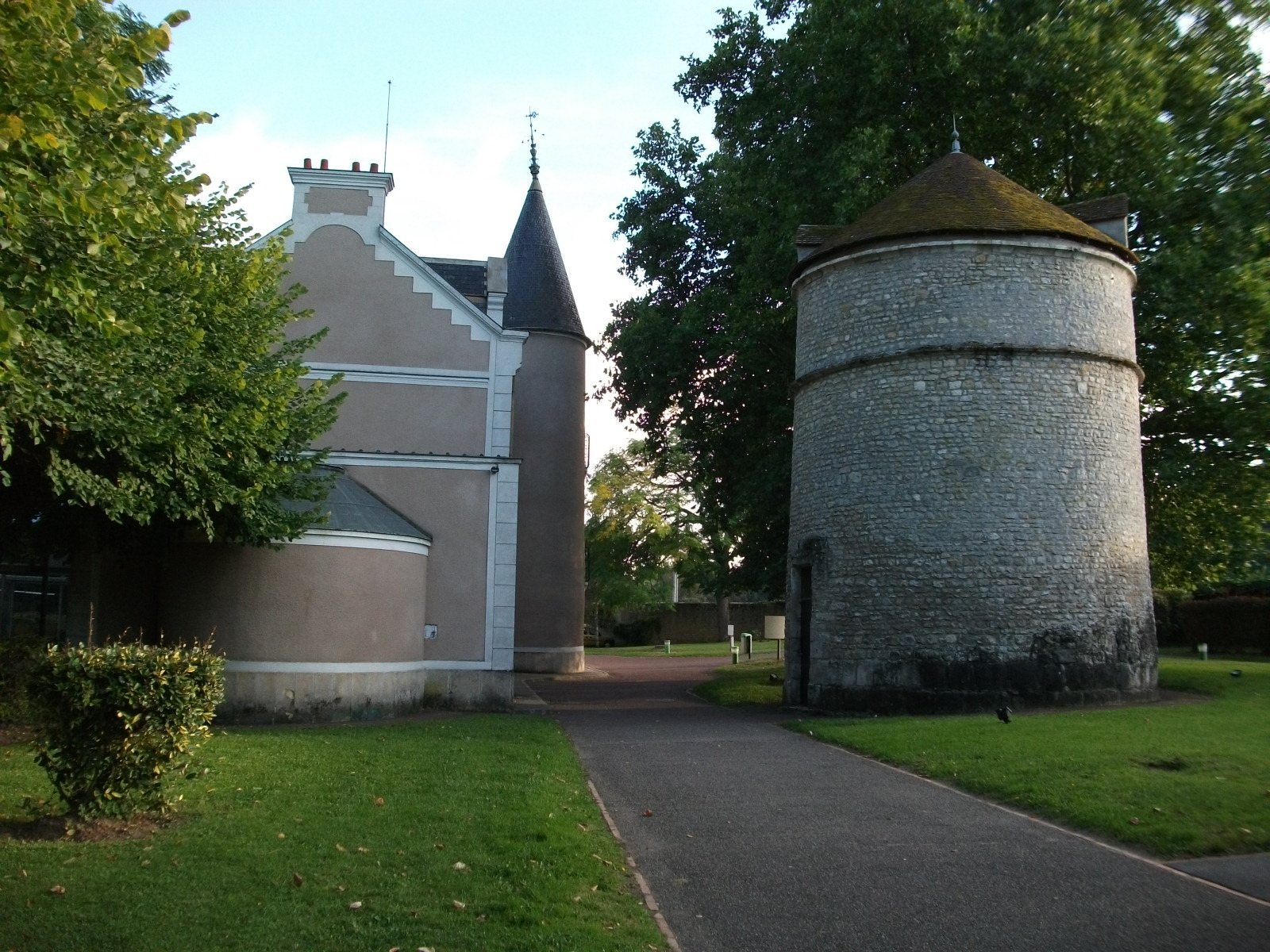
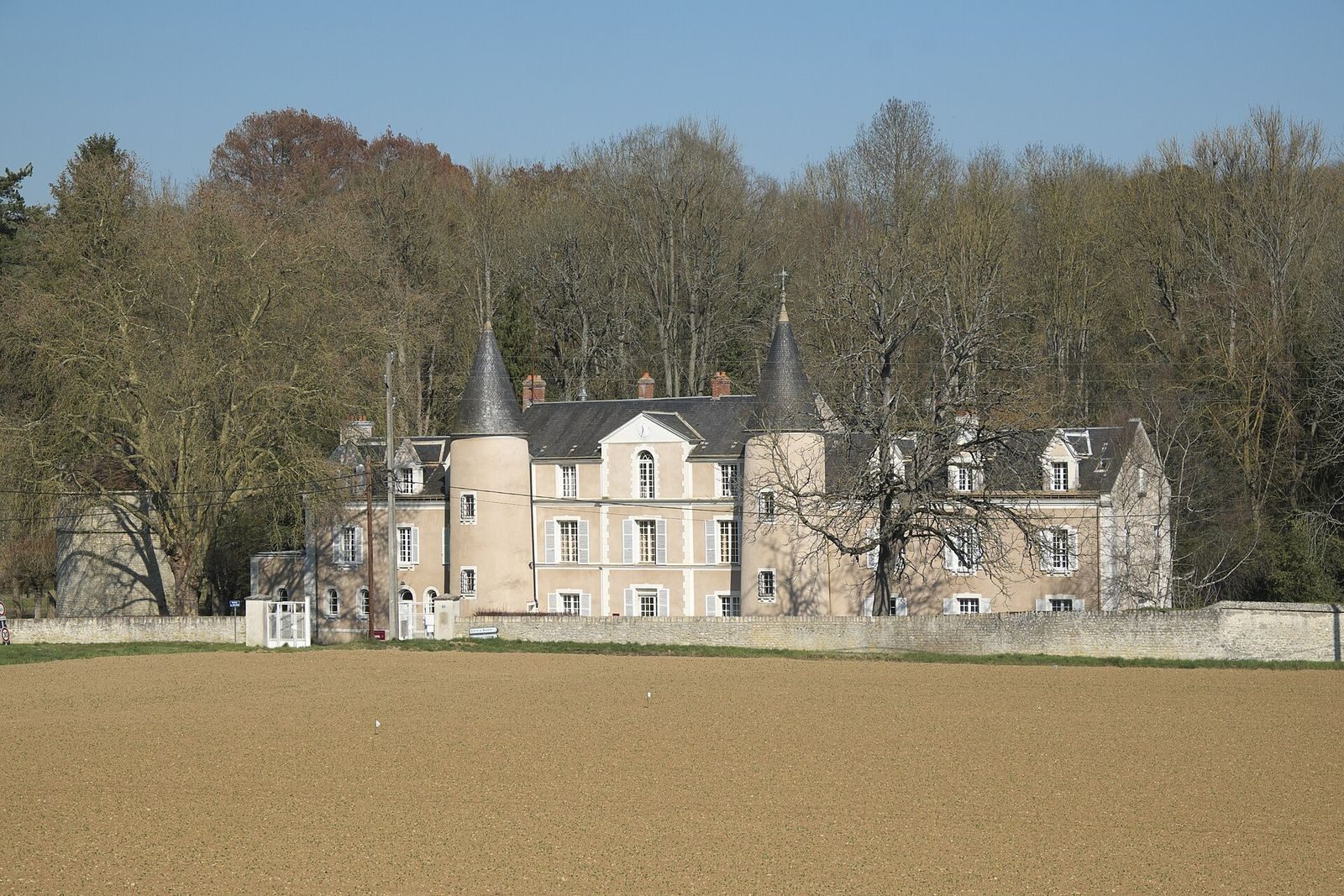
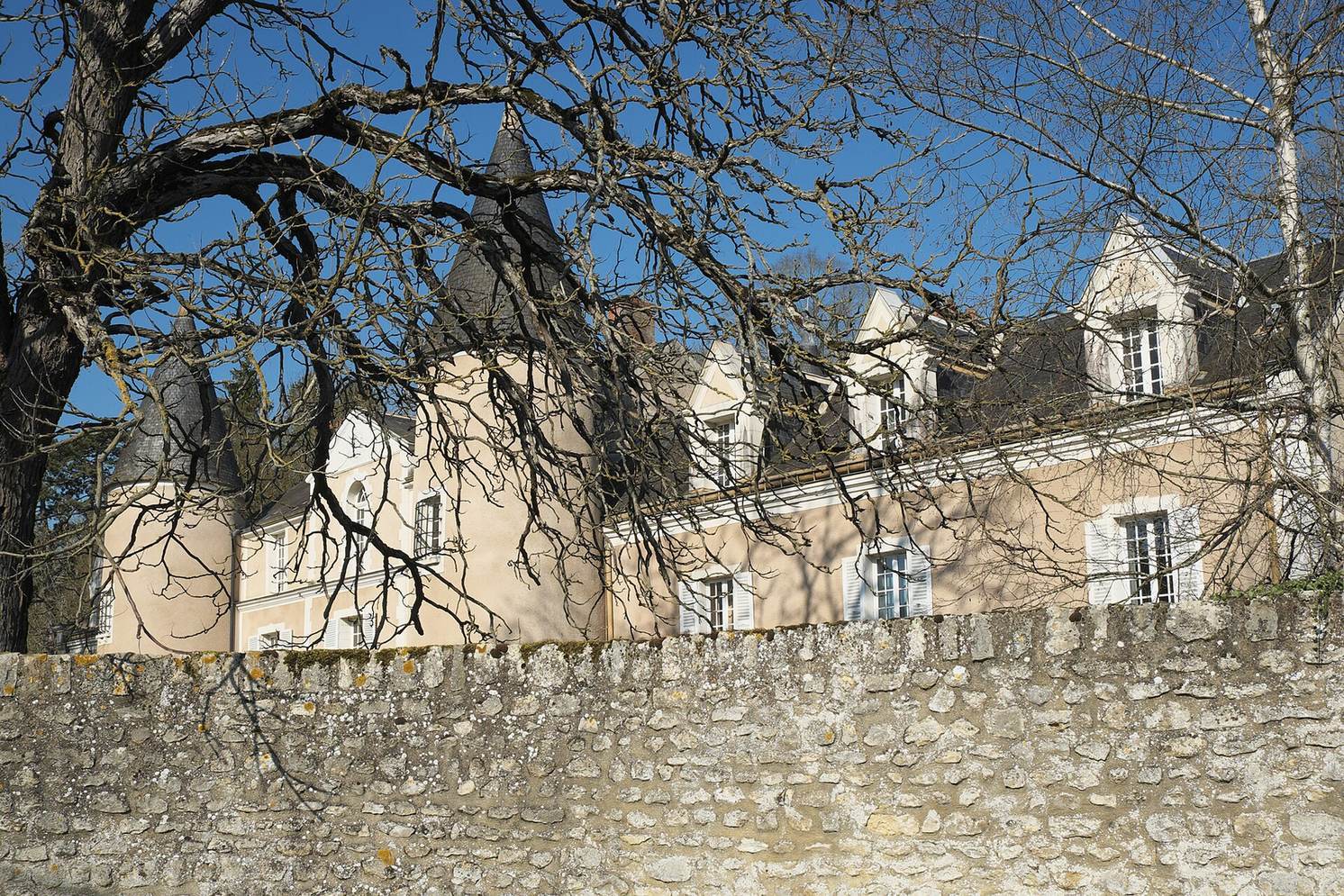
The estate lies near the hamlet of Bierville. Its surviving built features include a fourteenth-century dovecote and a main building whose general appearance has remained in place since the mid-eighteenth century. An iron-rich spring is another feature of the grounds.
Estate features
Dovecote
The fourteenth-century dovecote, a building designed to house pigeons, is the only surviving element of the feudal castle.
Main building
The main building has had its present general appearance since the mid-eighteenth century.
Iron-rich spring
The spring may have been discovered before 1778. In 1784, the Royal Academy of Medicine, a French learned body that evaluated medical and public-health questions, examined it.