Chassy Castle: A Fifteenth-Century Fortified Residence in France

Site at a Glance
- Rating
- 4.8
- Popularity
- Very Low
- Country
- France
- Primary era
- Medieval
- Eras represented
- Medieval, Early Modern
- Civilizations
- Duchy of Burgundy
- Site type
- Military
- Remains
- Castle
On this page8 sections
History
Chassy Castle is a fortified residence in France whose present form is predominantly fifteenth-century, built over an earlier fortified house dated 1056. It stands within the historic fief of Chassy, an estate held under feudal obligations and divided among several noble families during the medieval period.
Medieval lordship
From the medieval period until the fifteenth century, the fief was shared by the Du Bois, Chassy, Jantes, and Choul, or Choux, families. Courtépée relates that Pierre de Chassy was married to Alix de Busseul. After Pierre was murdered in the twelfth century, Alix entered religious life as a nun.
In 1315, Hugues de Jantes paid homage for “his house of Chaci” to the Count of Charolais. Homage was the formal declaration of allegiance made by a lord to a superior. A document of 1404 specifically refers to a castle, providing an early clear reference to the fortified residence itself.
From the Choux family to later owners
Around 1500, Claude Choux, the husband of Jeanne Brichard, had a private chapel built for the lordly residence and estate. In 1540, Françoise Choux brought Chassy to Jean de Bernault as her dowry, transferring the estate into another family’s possession.
The castle later passed to the La Guiche family and then to the Beaudoin de Digoin family. Sylvain-Raphaël de Baudoin, a brigadier, or senior military officer, in the armies and a captain in the French Guards, an elite regiment of the French royal army, sold it to Hugues de Mayneaud de Bisefranc, also of Digoin.
The eighteenth century and modern protection
In the mid-eighteenth century, Hugues de Mayneaud de Bisefranc resold the estate to Count Antoine Augustin Jean-Louis Duprat-Barbançon. Duprat-Barbançon was the grandson of Jean Hector de Fay, Marquis de La Tour-Maubourg, Baron des Essanlés, lord of Clessy, Vendenesse, Rochefort, and Villefay, Marshal of France, and founder of the Gueugnon forges in 1724. A Marshal of France held one of the highest military dignities in the French monarchy.
Chassy Castle remains privately owned, with Lieutenant-Colonel Bernard de Benoist de Gentissart as its current owner. It entered France’s supplementary inventory of historic monuments in March 1927. Protection was extended on 4 October 2012 to the main residential building, dependencies, enclosure, and land of the complex, and an order published on 17 November 2022 classified the entire castle complex as a historic monument.
Remains
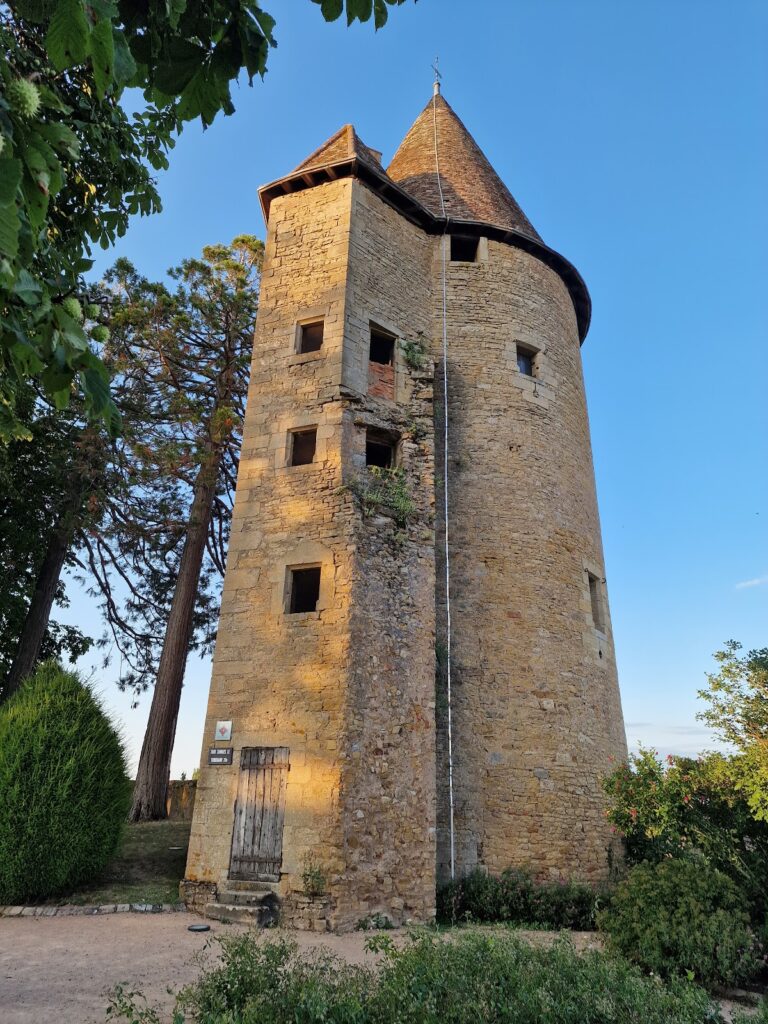
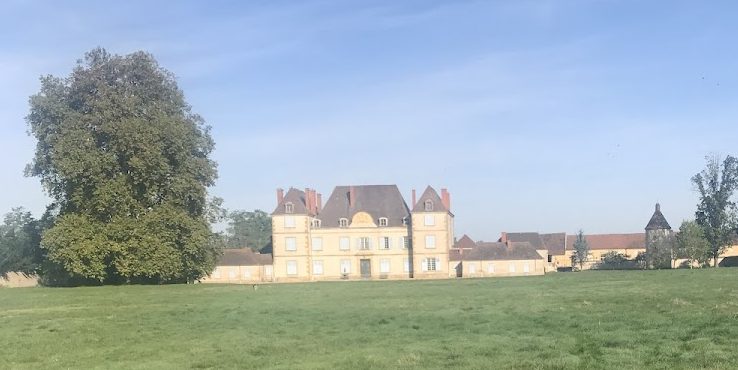
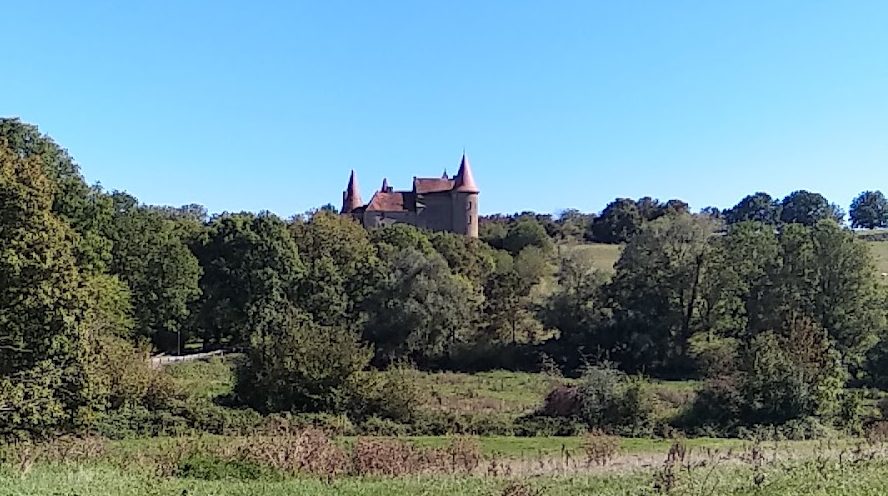
Chassy Castle occupies the eastern exit of the village of Chassy, on the slope of a small valley where the Clessy stream rises, near the former village washhouse. The complex is organized around a robust main residential building with projecting towers, together with ancillary structures that include a former outbuilding, a circular dovecote, and the seigneurial chapel.
Main castle buildings
Residential building and towers
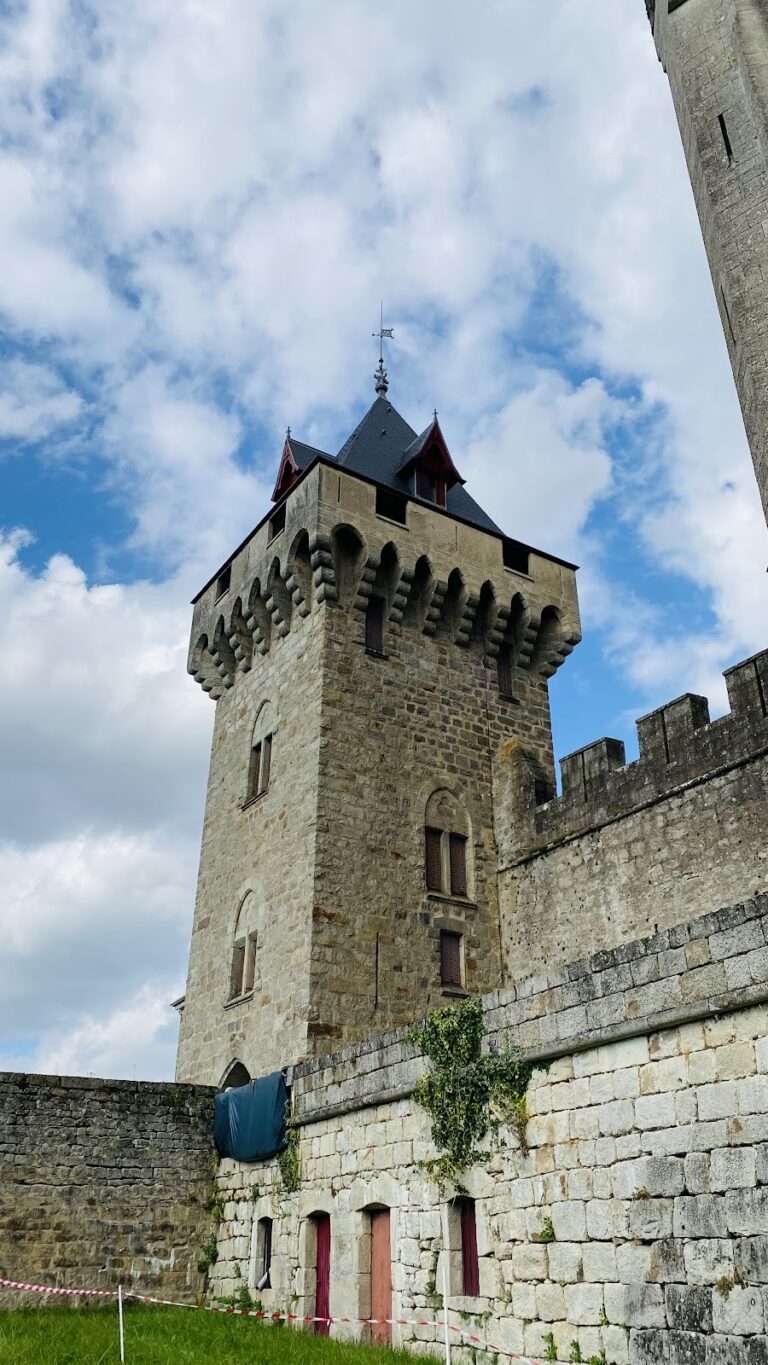
The main residential building was constructed over the earlier fortified house of 1056, and the surviving appearance is chiefly fifteenth-century. Two round towers, a square tower, and a hexagonal tower project above the building, giving the residence its fortified character. These towers and the main block form the principal built mass of the castle complex.
Chapel, outbuilding, and dovecote
The former outbuilding stands near the castle, alongside a massive circular dovecote. A dovecote was a purpose-built structure for keeping pigeons and could express the status of a lordly estate. The seigneurial chapel commissioned by Claude Choux around 1500 is also part of the surviving architectural history of the complex.