Cerca Velha: The Historic Defensive Walls of Évora
Site at a Glance
- Popularity
- Medium
- Country
- Portugal
- Primary era
- Classical
- Eras represented
- Classical, Medieval
- Civilizations
- Roman, Visigothic
- Site type
- Military
- Remains
- Wall
On this page14 sections
History
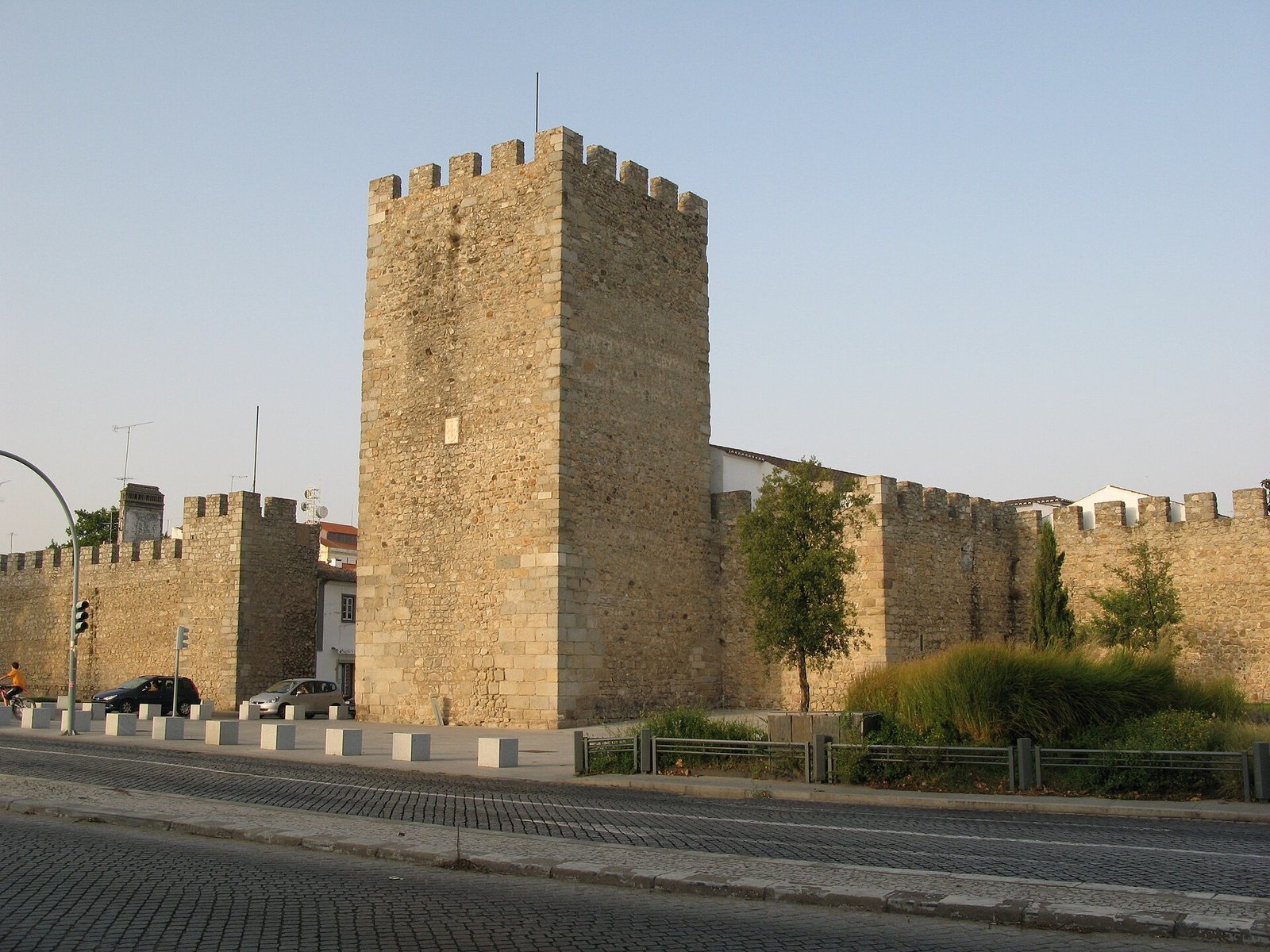
The Cerca Velha, the old defensive enclosure of Évora, Portugal, began as a Roman fortification in the 3rd century. Its Roman enclosure covered about 10 hectares, and the walls developed through several later phases.
Roman foundation and Visigothic period
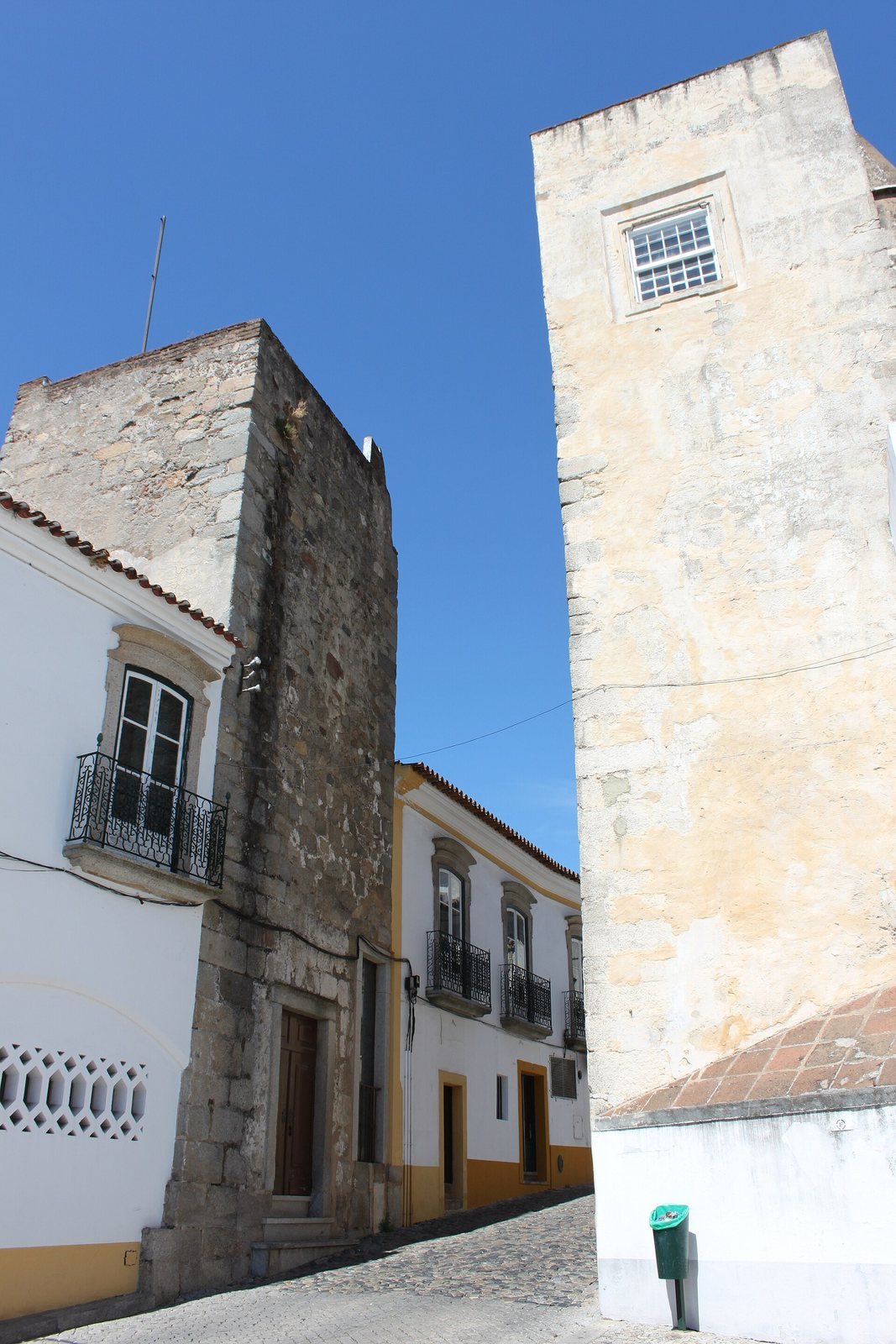
A square tower is associated with the Visigothic phase and traditionally linked to King Sisebut, with construction assigned to the 7th century. Another interpretation places it in the late Roman period, possibly the 3rd century.
Islamic and later medieval rule
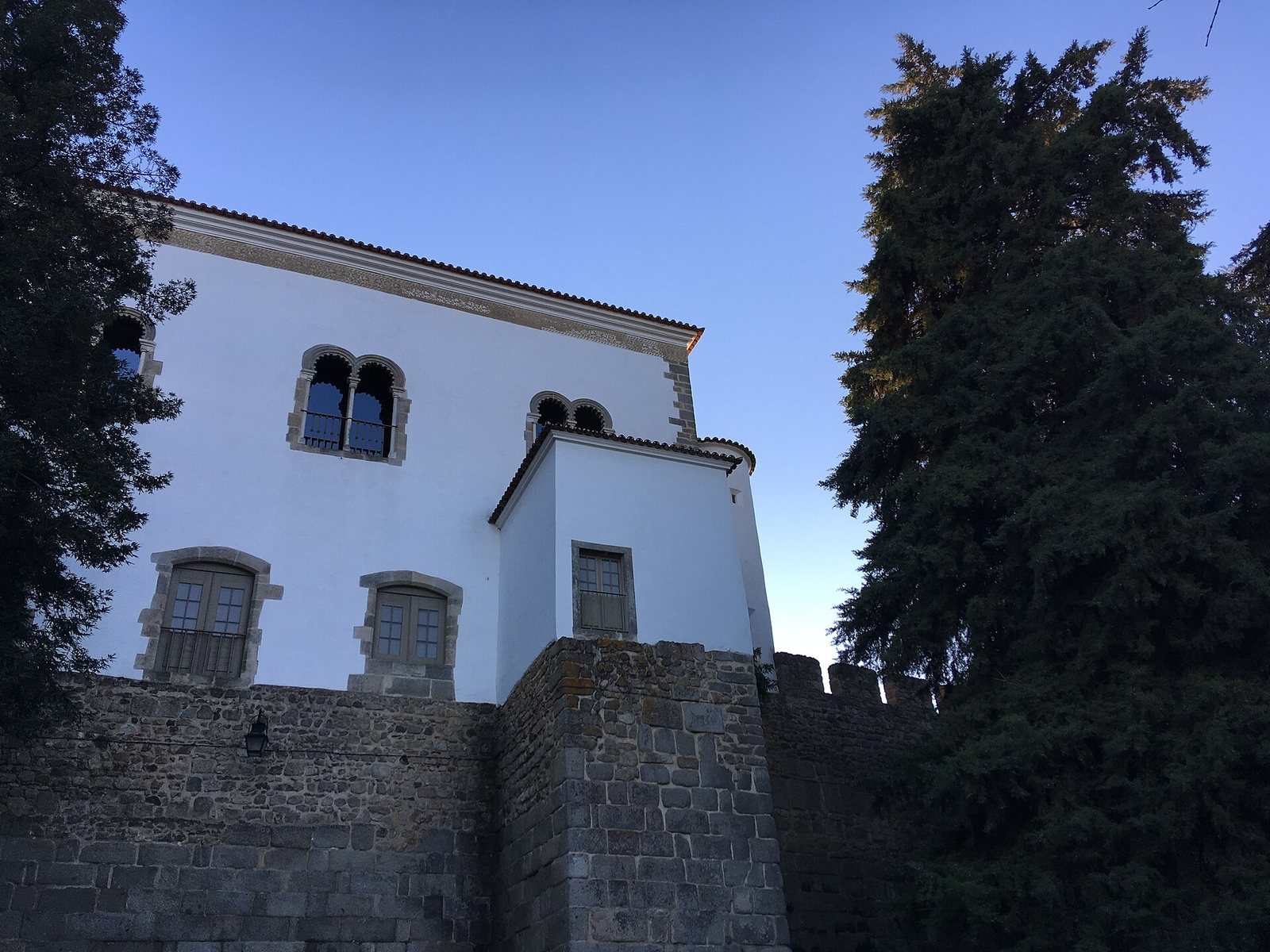
The fortifications were altered and restored during Roman, Visigothic, Islamic, and Gothic periods. Muslim rule in Évora ended in 1165, amid the centuries-long expansion of Christian rule across the Iberian Peninsula known as the Reconquista.
In the Middle Ages, the gate now called Santa Isabel Gate was known as the “Moor’s Butcher Shop Gate”; it received its current name in the 17th century. Torre do Carroucho was demolished in the 16th century, after a second wall reduced its military importance.
Urban change and preservation
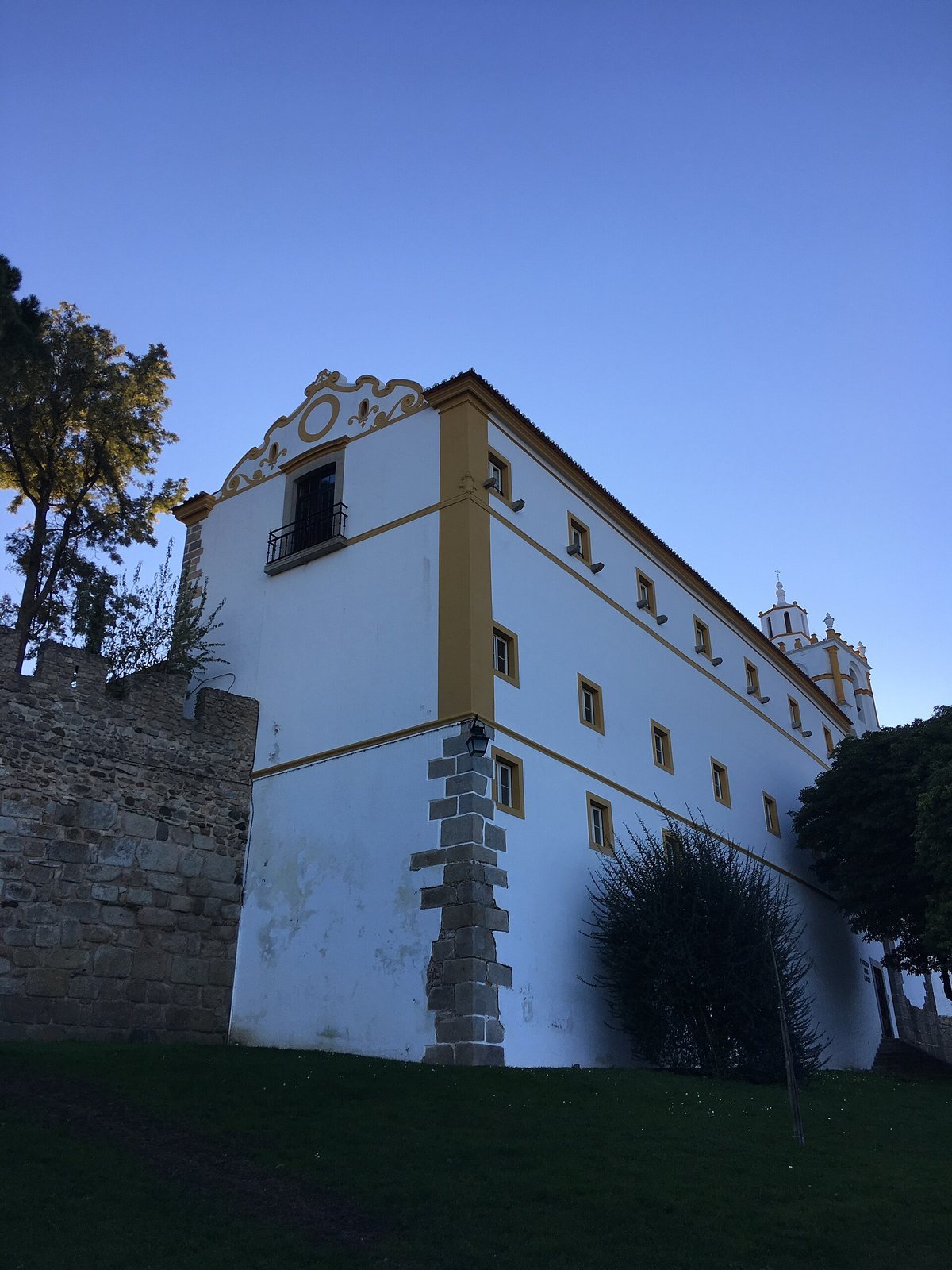
The site of today’s Praça de Sertório was the ancient city market. Place-names in the area recall a Moorish quarter in the city’s northwest after the Reconquista. The Convento do Salvador do Mundo was established on the foundations of an earlier fortress, and the present city hall stands at Praça de Sertório.
The walls have been a National Monument of Portugal since 1922 and are part of Évora’s historic centre, a UNESCO World Heritage Site.
Remains
The surviving remains are spread through the historic city among streets, houses, and churches. They include Roman walls and buildings, gates, towers, and traces of later fortifications.
Roman remains
Dona Isabel Gate
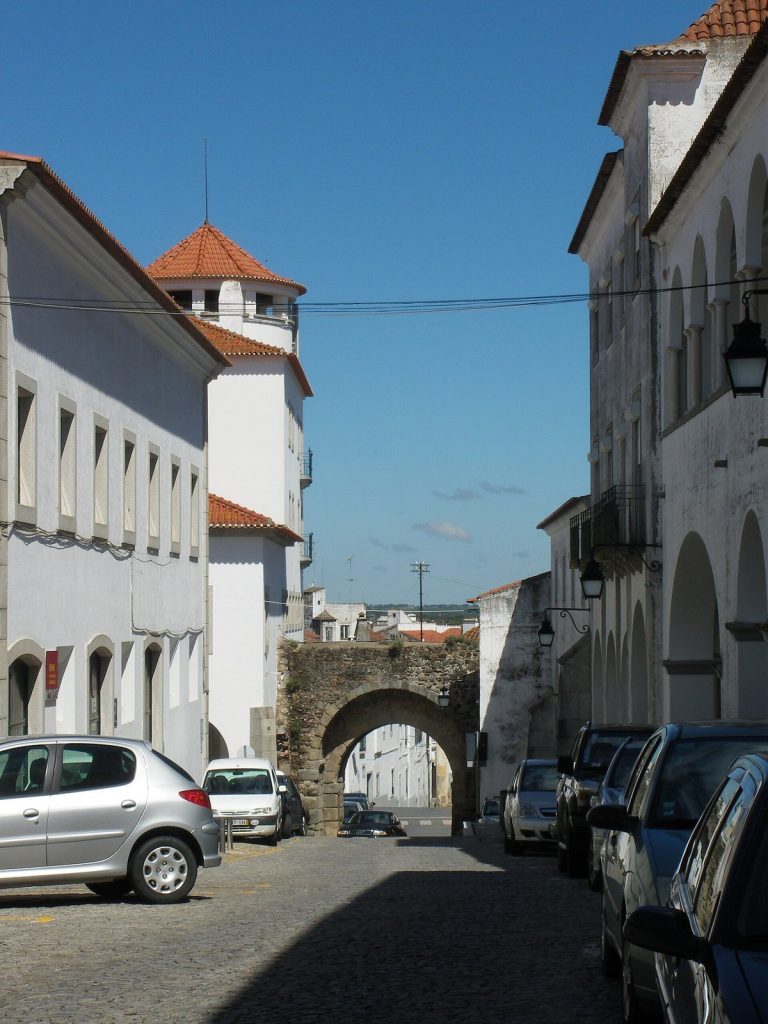
Dona Isabel Gate, also known as the Roman Arch of Évora, is described as a wooden arch and is the only surviving arch of the old wall complex. It marks the line of the Roman cardo maximus, the town’s principal north-south street, a short stretch of which remains beneath the arch.
Walls and houses
A section of Roman wall and the foundations of Roman houses survive along Travessa Alcárcova de Cima. These buildings are mentioned in Luís de Camões’s 16th-century epic poem The Lusiads.
Roman baths
Roman baths were discovered during nearby works in 1987. Their remains include areas for hot bathing and steam, a heating furnace, a heated room for dry sweating, and a swimming pool.
Later defensive structures
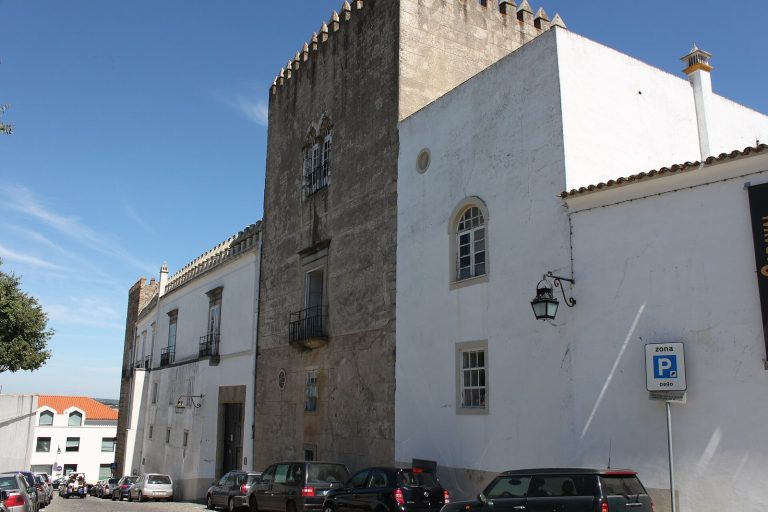
Square Tower of Évora
The square tower on Rua Nova is also known as Torre de Sisebuto. Its foundations overlie the remains of a 1st-century Roman house, whose walls were covered with frescoes.
Torre do Anjo and Porta da Moura
Torre do Anjo survives among the old fortifications and is associated with the gate on Rua da Selaria. It stands at the beginning of Rua 5 de Outubro. Remnants of the enclosure extend from the tower toward Porta da Moura by way of Alcárcova de Baixo and Largo da Misericórdia; some sections are concealed among houses and churches.
Islamic fortifications
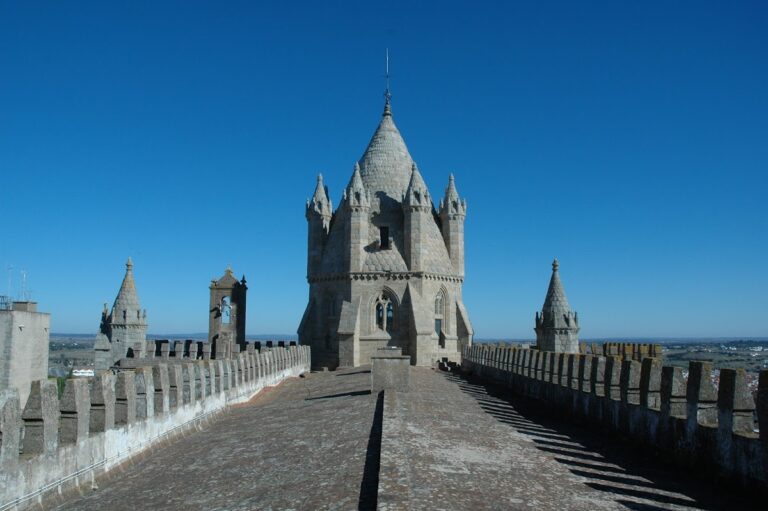
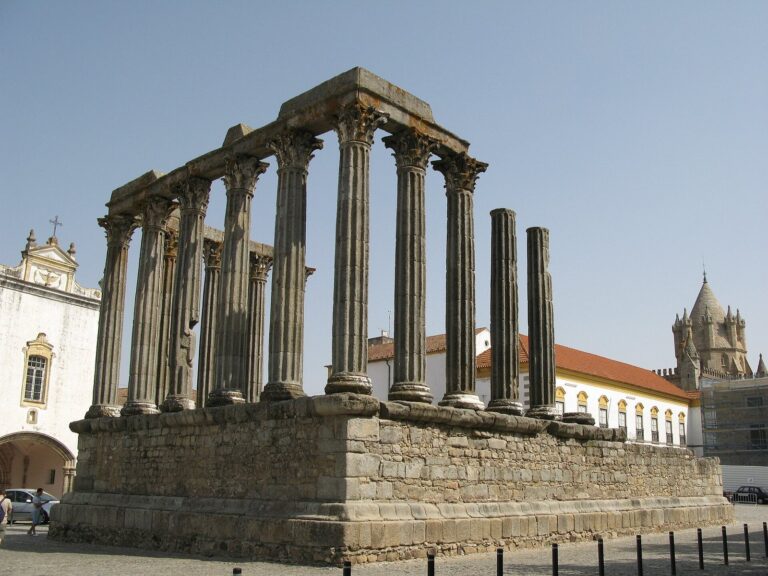
Behind the cathedral and Roman temple are remains of an Islamic fortified gate and the old citadel. The enclosure was also protected by substantial wooden towers.
Torre do Salvador
Near the Convento do Salvador do Mundo stands Torre do Salvador, which derives from a Visigothic keep.