Roman Arch of Dona Isabel: A Roman Gate in Évora
Site at a Glance
- Rating
- 4.4
- Popularity
- Very Low
- Country
- Portugal
- Primary era
- Classical
- Eras represented
- Classical, Medieval, Early Modern
- Civilizations
- Portuguese, Roman
- Site type
- Civic
- Remains
- Arch
On this page6 sections
History
The Roman Arch of Dona Isabel is a surviving gate of the ancient Roman walls in Évora, Portugal, then known as Ebora Liberalitas Julia. Built during the Roman period between the late second and early third centuries AD, it originally served a military purpose.
Roman foundation
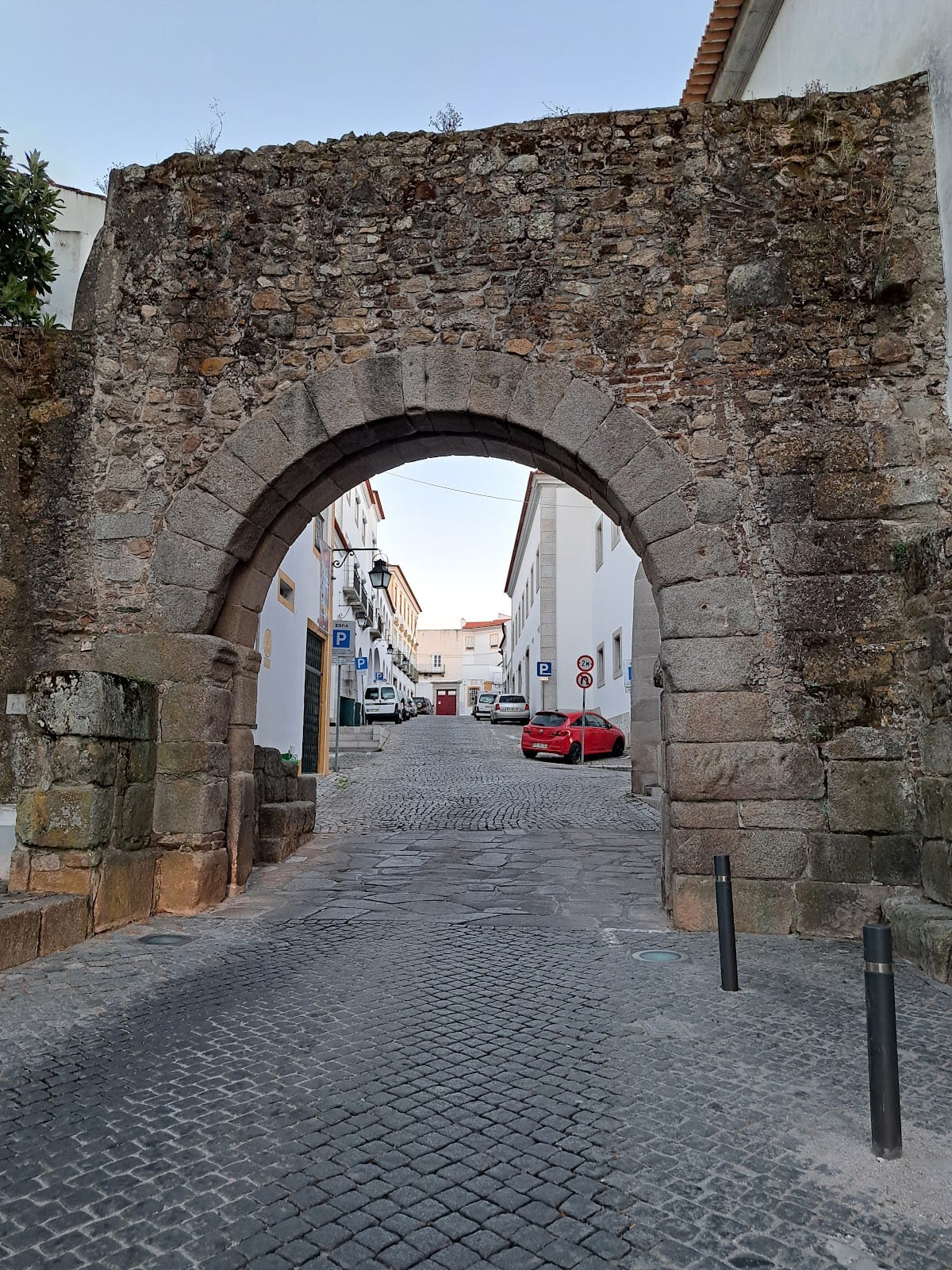
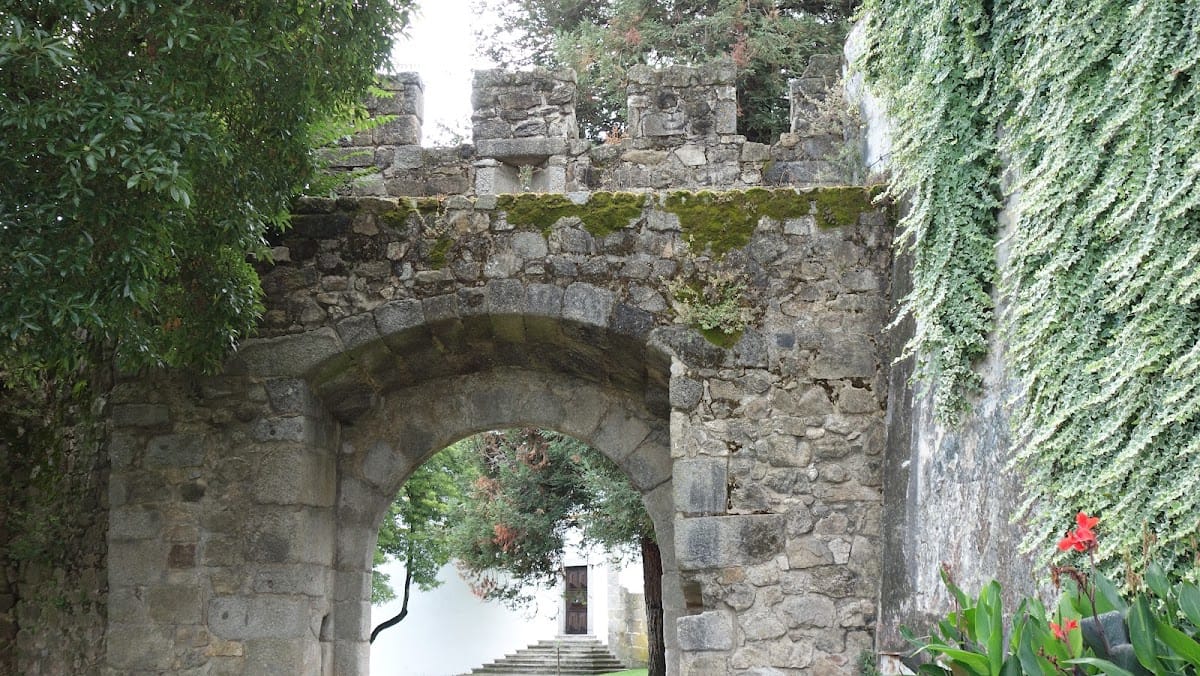
The arch formed part of the defensive boundary of the Roman town. Its arrangement of openings allowed movement through the walls while supporting the gate’s military role. The larger central passage may have accommodated carts and animals, while the two smaller openings may have been intended for pedestrians.
Medieval and later reuse
The structure takes its present layered appearance from repeated incorporation into later buildings and reuse across successive historical periods. It is named for Queen Isabel, the wife of King Denis I, who ruled Portugal from 1279 to 1336. Medieval masonry, bricks associated with the period of Muslim rule and cultural influence in parts of the Iberian Peninsula, and traces of sixteenth-century Manueline decoration remain visible above the Roman work.
The arch was declared a National Monument in 1910. It is owned by the Portuguese state and functions as a historic landmark within Évora’s built fabric.
Remains
Roman arches and masonry
The structure stands at the junction of Rua de Dona Isabel and Rua do Menino Jesus. It is made primarily of granite blocks laid without mortar, a construction technique associated with Roman building. The surviving fabric reaches 4.315 metres in height and 3.98 metres in width.
Three semicircular arches survive in differing states of preservation. The central arch is larger than the two openings beside it, creating a hierarchy between the main passage and the smaller side passages. The arch voussoirs, or wedge-shaped blocks that form the curves of an arch, number 29 in total.
Later architectural fabric
Rather than standing separately, the Roman structure is integrated into the later buildings around it. Medieval masonry rises above the Roman arches, while bricks attributed to the Moorish period and traces of sixteenth-century Manueline ornament add further layers. The Manueline work belongs to a late Gothic Portuguese style known for elaborate decoration, including maritime-inspired motifs. The structure is also classified with a dominant Romanesque style, associated with rounded arches and substantial masonry construction.